
Shotaro (RIIZE)

Active RIIZE member · born November 25, 2000 · 2023–present
Shotaro is a Japanese dancer and performer in RIIZE. This is the canonical combined member-and-artist profile: group work, individual credits, official videos and any future solo release stay on one page instead of splitting one human into duplicate records.
Bottom line
Shotaro is the precision engine inside RIIZE. His movement is clean enough to teach from, but the useful part is how rarely it looks like a classroom demonstration. He makes difficult choreography read as rhythm instead of effort.
Profile at a glance
| Stage name | Shotaro |
|---|---|
| Born | November 25, 2000 |
| Identity | Japanese |
| Group | RIIZE |
| Roles | Dancer and performer |
| Agency | SM Entertainment |
| Group debut | September 4, 2023 with Get A Guitar |
| Fandom | BRIIZE |
| Current status | Active RIIZE member |
The road into RIIZE
Before RIIZE, Shotaro debuted through NCT in 2020. SM later announced that he and Sungchan would leave NCT and redebut in its new boy group. That history makes him experienced without making RIIZE a side project. The fixed six-member team asks for a different kind of responsibility than NCT’s rotational system.
RIIZE debuted with seven members and now promotes as six. Seunghan entered a hiatus in November 2023 and permanently left in October 2024. That timeline belongs in the group history, but it does not need to swallow every current member profile. The six people actively making the music deserve to be described through what they do now.
What Shotaro brings to the group
Shotaro is the precision engine inside RIIZE. His movement is clean enough to teach from, but the useful part is how rarely it looks like a classroom demonstration. He makes difficult choreography read as rhythm instead of effort.
SM has used flexible song-by-song line distribution rather than a permanently useful public position chart. This profile therefore describes audible and visible function without inventing an official title the company never gave. A comeback can change the assignment without changing the person.
The emotional-pop lane
RIIZE built its identity around “emotional pop”: ordinary memory, growth and youth translated into songs that can still fill an arena. “Get A Guitar” used funk and togetherness; “Love 119” turned first love into an emergency; “Impossible” found freedom in house music; “Boom Boom Bass” made groove the plot. The through-line is feeling expressed through motion.
That framework is why RIIZE works best when production and performance tell the same story. Their strongest choreography is not an athletic appendix pasted after the chorus. It shows the emotional pressure in the song—hesitation, rush, confidence, relief—and lets six different bodies answer it.
Shotaro in the “Sunburst” era
In “Sunburst,” his control keeps the house pulse buoyant. He hits the beat without crushing the summer feeling, and his details stay visible when the edit cuts quickly.
“Sunburst” arrived as RIIZE’s third Japanese single in August 2026. The official description calls it a refreshing house summer tune about exhilaration and the once-only sparkle of youth. It extends the house current heard in “Impossible,” but trades warehouse liberation for golden-hour momentum.
Where to start
Start with “Get A Guitar”Daily+11.1KTotal views59.9M for the debut chemistry, “Impossible”Daily+5.3KTotal views33.5M for RIIZE’s house-music sweet spot, and the CVM Sekai “Sunburst” React for the newest chapter.
Official video tracker
RIIZE group releases live in the chronological tracker on the RIIZE hub. Any official solo music from Shotaro will be added here so the canonical profile grows with the career instead of spawning a second artist page.
Why Shotaro’s precision matters
Precision can become sterile when a dancer appears to count every fraction of a beat for the audience. Shotaro avoids that trap by controlling weight as well as shape. A step can land softly while still reading clearly; a shoulder detail can redirect the phrase without demanding a reaction shot. The technique serves the groove.
His earlier NCT debut also gives him unusual camera literacy. He knows how a formation reads from the wide shot and how little time a broadcast cut may give a transition. In RIIZE, that experience helps the group look coherent while younger members develop their own instincts. It should not be mistaken for ownership of every dance moment.
Shotaro beyond the “main dancer” shorthand
The obvious praise is that he dances extremely well. The more interesting quality is generosity: he can sharpen the group picture without visibly competing with it. Watch the space before and after his center moments. He often prepares the next member’s entrance, matches another person’s energy and leaves the formation cleaner than he found it. That is ensemble craft.
How to read this profile
This page separates verified biography from editorial analysis. Birth date, debut timeline, agency and release information come from official RIIZE or SM material and linked reporting. Descriptions of tone, movement and performance function come from watching the official videos and stages. They are not secret position labels dressed up as facts.
That distinction matters with RIIZE because the group changes its musical surface often. A member who anchors one chorus may carry a rhythmic handoff in the next release. Flexible assignments are evidence of a working group, not proof that somebody “lost” a permanent job between comebacks.
The current six-member chapter
RIIZE’s history includes the seven-member debut and Seunghan’s later departure. The present tense includes Shotaro, Eunseok, Sungchan, Wonbin, Sohee and Anton. Both statements can remain true without using the departed member as clickbait on every page or pretending the difficult transition never happened.
The six-member team has now built enough releases and stages to be judged as an active formation rather than a temporary adjustment. Their chemistry depends on contrast: experienced performers beside first-time debutants, bright voices beside lower tones, exact dancers beside members whose strength is conversational ease. The music works when the contrast becomes exchange instead of ranking.
Performance is part of the songwriting
RIIZE is one of those groups where a studio-only description leaves half the idea on the floor. “Get A Guitar” needs the shared groove, “Love 119” needs nervous forward motion, “Impossible” needs release through footwork, and “Sunburst” needs the sensation of six people chasing the same fading light. Choreography is not decorative evidence that they practiced. It is how the emotion becomes visible.
That does not mean every hard move is automatically meaningful. Difficulty only helps when the movement clarifies the song. The strongest RIIZE performances know when to tighten a formation, when to let one person redirect attention and when to make the whole group look briefly informal—as though the camera caught friends before the stage machinery arrived.
What comes next
The canonical-profile rule keeps future growth manageable. If an OST, collaboration, self-written track or solo debut arrives, its official video and analysis belong on this page alongside the RIIZE history. A separate artist page would only be justified if the person were genuinely distinct from this same human record, which a new billing line does not accomplish.
Until then, the useful update test is simple: does a new release change the documented musical role, add a verified credit, alter current status or supply an official video worth tracking? If yes, update the profile. If not, a teaser photo does not need to become fake biography.
A dancer who edits the picture in real time
Calling Shotaro a precise dancer is true and still not enough. Precision describes whether a line lands where he intends. His more valuable skill is knowing what the audience needs to see next. He can finish a phrase without parking inside it, redirect his weight before the camera changes and make another member’s entrance feel like the natural answer to his own movement. That is visual editing performed with a body instead of software.
Watch the transitions rather than only the center moments. Shotaro often shrinks a movement as he leaves focus, which keeps the formation alive without competing with the incoming member. When the choreography expands, he can increase the apparent size of the group by traveling cleanly and setting a strong directional line. When it contracts, he controls the energy instead of continuing to dance at maximum volume because a fancam might be watching.
That judgment separates a working group dancer from a contestant assembling highlight clips. RIIZE needs both individual identity and shared motion. Shotaro can deliver the obvious technical moment, but his ensemble discipline is why the six-member picture rarely looks as if five people are waiting for the expert to finish. He makes the standard higher without making the teamwork look like charity.
From NCT debut to a fixed team
Shotaro first debuted through NCT in 2020. That system gave him immediate global visibility, difficult performance material and experience working inside changing combinations. It did not give him a permanent unit story. When SM announced that he and Sungchan would leave NCT and join a new boy group, the move carried two pressures at once: fans had to process an ending, and RIIZE had to become more than “the place those two went.”
A fixed group changes the job. Chemistry cannot reset with every project. The same members must build a recognizable exchange across songs, interviews, rehearsals and tours. Shotaro arrived with camera literacy and professional experience, but he still had to learn six specific people and let them learn him. His seniority inside the industry could help the team; it could not substitute for new chemistry.
The strongest evidence that the second debut worked is how rarely current RIIZE stages feel like NCT material with different costumes. Shotaro’s sharpness remains recognizable, yet the groove, emotional framing and member handoffs belong to this team. Continuity lives in the performer. Identity lives in what he chooses to do with a new musical system.
Groove before difficulty
“Get A Guitar” was an ideal RIIZE introduction for Shotaro because the choreography treats groove as social behavior. The steps matter, but the pleasure comes from watching rhythm pass between people. He can demonstrate control without turning the debut into a technical lecture. Small rebounds, directional changes and relaxed upper-body phrasing sell the idea that the members found the pocket together.
“Impossible” asks for another kind of fluency. House movement exposes weight transfer and timing; a dancer cannot fake lift by hitting a hard pose at the end of every count. Shotaro keeps the footwork articulate while allowing the torso and shoulders to breathe. The result feels liberated rather than frantic. Difficulty remains visible to dancers, but ordinary viewers receive the intended emotion first.
“Sunburst” uses the same rhythmic family for a more bittersweet purpose. The beat keeps pushing while the concept knows the light will end. Shotaro therefore has to look buoyant without becoming careless and exact without chilling the warmth. His control turns the four-on-the-floor pulse into momentum shared with the other members, which is why the performance feels like a memory in progress rather than a dance demo filmed near palm trees.
What the camera sees
Shotaro understands scale. In a wide shot he lengthens pathways and clarifies geometry; in a close-up he reduces the information and lets timing, eyes and breath carry the phrase. That adjustment sounds obvious until a performer attacks a close camera with arena-sized movement and turns every detail into visual noise. He rarely makes that mistake.
His expressions work the same way. He does not paste one “charismatic” face over every concept. Bright material gets openness, sharper songs get more attack, and transitional moments often receive a quick reaction that acknowledges another member. Those reactions help sell the group relationship. The camera is not only collecting six isolated portraits; it is witnessing people affect one another.
Fancams remain useful because they show the work outside broadcast edits. They reveal whether energy disappears when center time ends, whether spacing stays clean and whether the performer supports sections that will never become a thumbnail. Shotaro’s reputation survives that view. Still, a fancam is evidence of execution, not an excuse to invent official choreographer credits or declare ownership of every dance choice. Credits must remain specific.
Leadership without a fake title
Experience can function as leadership even when a company does not publish a permanent title. Shotaro knows the rhythm of broadcasts, rehearsals, travel and rapid promotional changes. He can model preparedness and help a formation settle. None of that requires turning him into the group’s secret manager or assuming every improvement happened because he corrected somebody.
The fair language is observable: he maintains detail outside center, adapts his scale, keeps exchanges clean and brings earlier debut experience into a younger team. Anything about private authority belongs to the members themselves unless they describe it publicly. K-pop profiles often inflate affection into job descriptions. This one will not.
A practical Shotaro watch list
Start with “Get A Guitar” for shared groove, then watch “Impossible” for footwork and weight transfer. Use “Boom Boom Bass” to see how he handles a thicker rhythmic frame, and finish with “Sunburst” for warmth, group interaction and house timing in a different emotional key. Watch the official music videos first, then choose a full-stage or practice view where the formation remains visible.
On the second pass, ignore center distribution and follow what happens five seconds before and after Shotaro’s obvious moments. Look at how he prepares an entrance, changes energy as focus moves and leaves useful space for the next person. That is where his ensemble intelligence lives. A compilation of hardest moves can show ability; the surrounding seconds show musicianship.
What belongs on this canonical profile
This page covers Shotaro the human performer across RIIZE, verified collaborations, official individual music, credited creative work and any later solo release. It does not split “Shotaro of RIIZE” from “solo artist Shotaro” if the billing changes. A career is one timeline, and readers should not have to search two biographies to understand it.
Future updates need receipts. An official music video gets a tracker entry and, when reviewed, an exact React card for that upload. A composition or choreography credit gets the credited source. A variety appearance can matter when it changes the documented career, but routine promotional clips do not need to inflate the biography. Fan claims about unofficial positions remain fan claims.
The standard protects Shotaro as much as it restrains hype. Precise documentation makes genuine growth easier to see. He already has the rare combination of technical clarity, camera sense and ensemble generosity. The interesting future question is not whether he can dance harder. It is how much more of his musical judgment becomes visible through credited creation, performance direction or a solo work designed around his own rhythmic instincts.
RaeRae’s verdict on Shotaro
Shotaro is the dancer people notice first and the teammate they understand better when they keep watching. The obvious skill lives in clean lines, speed and control. The deeper skill lives in exits, handoffs, scale changes and the refusal to make every count a personal advertisement. He can raise the temperature of a stage without stealing its oxygen.
That is exactly what RIIZE needs. The group’s best music turns growth and connection into motion, so its strongest dancer cannot behave like connection is somebody else’s problem. Shotaro makes precision feel social. A move lands, another member answers, and the formation keeps carrying the song forward. That is not merely excellent technique. That is group identity.
Receipts
RaeRae React image cards
Both cards use the exact React’s unique local featured image. “Sunburst” routes to all six current members; the “Love 119” performance card follows the performers in that exact upload.

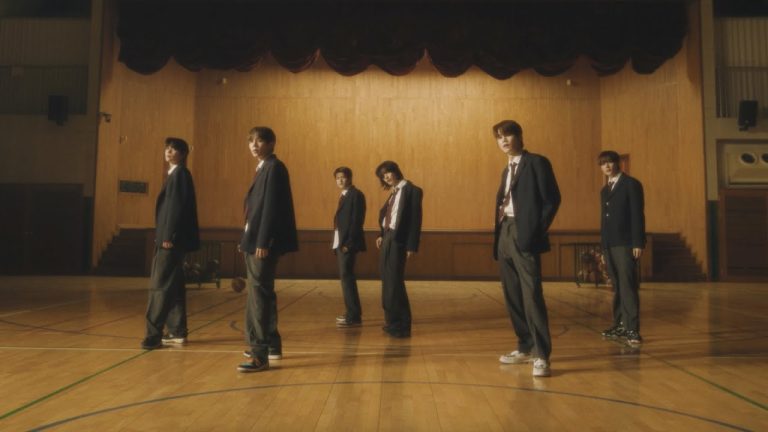
YouTube tracker
- RIIZE “Sunburst” exact official videoDaily+8.4KTotal views4.6M · React complete
- RIIZE “Love 119” performance videoDaily+3.1KTotal views9M · React complete
Official Socials
Official website · Official YouTube · Official Instagram · RIIZE on Weverse