
Sungchan (RIIZE)
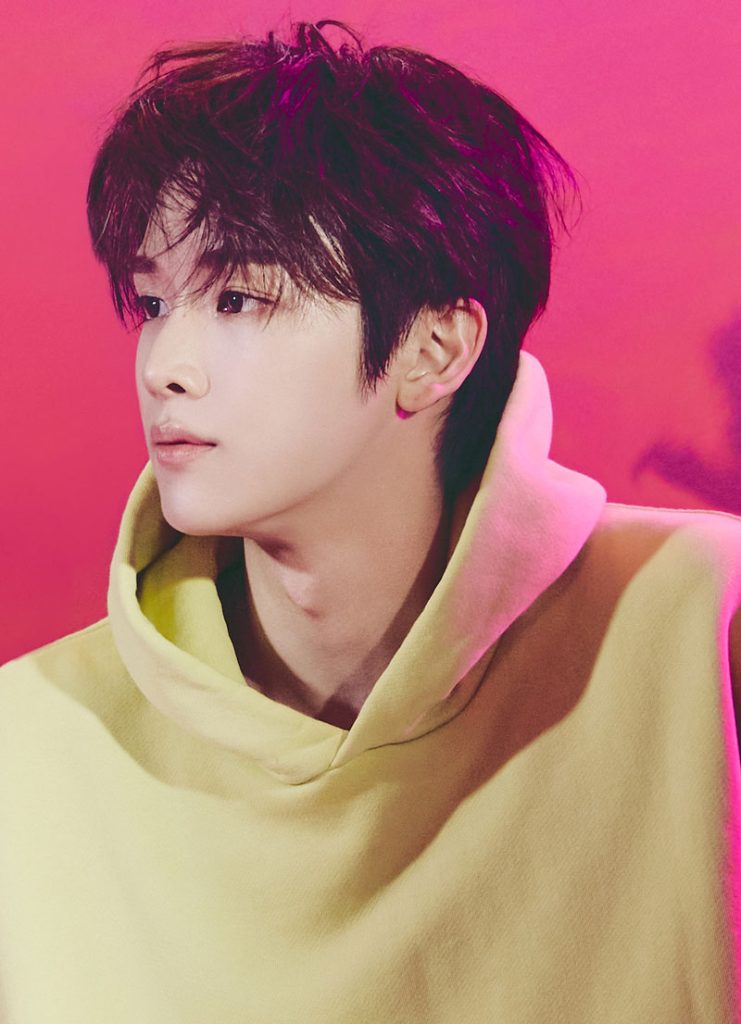
Active RIIZE member · born September 13, 2001 · 2023–present
Sungchan is a Korean rapper and performer in RIIZE. This is the canonical combined member-and-artist profile: group work, individual credits, official videos and any future solo release stay on one page instead of splitting one human into duplicate records.
Bottom line
Sungchan brings scale, clarity and a rapper’s timing to a group whose best songs often blur the line between melodic pop and performance music. He knows how to make a short rhythmic phrase register without elbowing the song out of its own way.
Profile at a glance
| Stage name | Sungchan |
|---|---|
| Born | September 13, 2001 |
| Identity | South Korean |
| Group | RIIZE |
| Roles | Rapper and performer |
| Agency | SM Entertainment |
| Group debut | September 4, 2023 with Get A Guitar |
| Fandom | BRIIZE |
| Current status | Active RIIZE member |
The road into RIIZE
Sungchan debuted in NCT in 2020, then left the system with Shotaro to prepare for RIIZE. Moving from a large rotational brand into one fixed team meant rebuilding chemistry in public. He handled that reset as continuity, not failure.
RIIZE debuted with seven members and now promotes as six. Seunghan entered a hiatus in November 2023 and permanently left in October 2024. That timeline belongs in the group history, but it does not need to swallow every current member profile. The six people actively making the music deserve to be described through what they do now.
What Sungchan brings to the group
Sungchan brings scale, clarity and a rapper’s timing to a group whose best songs often blur the line between melodic pop and performance music. He knows how to make a short rhythmic phrase register without elbowing the song out of its own way.
SM has used flexible song-by-song line distribution rather than a permanently useful public position chart. This profile therefore describes audible and visible function without inventing an official title the company never gave. A comeback can change the assignment without changing the person.
The emotional-pop lane
RIIZE built its identity around “emotional pop”: ordinary memory, growth and youth translated into songs that can still fill an arena. “Get A Guitar” used funk and togetherness; “Love 119” turned first love into an emergency; “Impossible” found freedom in house music; “Boom Boom Bass” made groove the plot. The through-line is feeling expressed through motion.
That framework is why RIIZE works best when production and performance tell the same story. Their strongest choreography is not an athletic appendix pasted after the chorus. It shows the emotional pressure in the song—hesitation, rush, confidence, relief—and lets six different bodies answer it.
Sungchan in the “Sunburst” era
On “Sunburst,” his timing gives the airy house track a firmer spine. The song does not require a hard rap detour, so he works inside its lift instead of forcing another genre into the room.
“Sunburst” arrived as RIIZE’s third Japanese single in August 2026. The official description calls it a refreshing house summer tune about exhilaration and the once-only sparkle of youth. It extends the house current heard in “Impossible,” but trades warehouse liberation for golden-hour momentum.
Where to start
Start with “Get A Guitar”Daily+12.2KTotal views59.9M for the debut chemistry, “Impossible”Daily+5.7KTotal views33.5M for RIIZE’s house-music sweet spot, and the CVM Sekai “Sunburst” React for the newest chapter.
Official video tracker
RIIZE group releases live in the chronological tracker on the RIIZE hub. Any official solo music from Sungchan will be added here so the canonical profile grows with the career instead of spawning a second artist page.
Sungchan after the NCT chapter
A second debut creates a strange test. Fans arrive with an earlier image, while the new group needs room to define its own proportions. Sungchan cannot behave as though NCT never happened, but RIIZE also cannot become a footnote to it. His best work carries the confidence forward and leaves the old structure behind.
His rhythmic strength is especially useful because RIIZE rarely needs a long, isolated rap break. He can make shorter phrases land, maintain the melodic atmosphere and hand the song back without a genre-change siren. That discipline is harder than stuffing every available beat with proof of speed.
Scale without crowding
Sungchan’s height and broad movement naturally draw the eye. Good formation work turns that visibility into architecture: he can widen the frame, anchor a diagonal or make another member’s smaller movement look sharper by contrast. “Sunburst” uses the scale as momentum instead of forcing him into permanent toughness.
How to read this profile
This page separates verified biography from editorial analysis. Birth date, debut timeline, agency and release information come from official RIIZE or SM material and linked reporting. Descriptions of tone, movement and performance function come from watching the official videos and stages. They are not secret position labels dressed up as facts.
That distinction matters with RIIZE because the group changes its musical surface often. A member who anchors one chorus may carry a rhythmic handoff in the next release. Flexible assignments are evidence of a working group, not proof that somebody “lost” a permanent job between comebacks.
The current six-member chapter
RIIZE’s history includes the seven-member debut and Seunghan’s later departure. The present tense includes Shotaro, Eunseok, Sungchan, Wonbin, Sohee and Anton. Both statements can remain true without using the departed member as clickbait on every page or pretending the difficult transition never happened.
The six-member team has now built enough releases and stages to be judged as an active formation rather than a temporary adjustment. Their chemistry depends on contrast: experienced performers beside first-time debutants, bright voices beside lower tones, exact dancers beside members whose strength is conversational ease. The music works when the contrast becomes exchange instead of ranking.
Performance is part of the songwriting
RIIZE is one of those groups where a studio-only description leaves half the idea on the floor. “Get A Guitar” needs the shared groove, “Love 119” needs nervous forward motion, “Impossible” needs release through footwork, and “Sunburst” needs the sensation of six people chasing the same fading light. Choreography is not decorative evidence that they practiced. It is how the emotion becomes visible.
That does not mean every hard move is automatically meaningful. Difficulty only helps when the movement clarifies the song. The strongest RIIZE performances know when to tighten a formation, when to let one person redirect attention and when to make the whole group look briefly informal—as though the camera caught friends before the stage machinery arrived.
What comes next
The canonical-profile rule keeps future growth manageable. If an OST, collaboration, self-written track or solo debut arrives, its official video and analysis belong on this page alongside the RIIZE history. A separate artist page would only be justified if the person were genuinely distinct from this same human record, which a new billing line does not accomplish.
Until then, the useful update test is simple: does a new release change the documented musical role, add a verified credit, alter current status or supply an official video worth tracking? If yes, update the profile. If not, a teaser photo does not need to become fake biography.
Sungchan makes scale musical
Sungchan naturally changes a formation because his height and reach make even simple movement read at a larger scale. That visibility can become a problem if every phrase is performed like a demand for center. His stronger RIIZE stages use scale as architecture: he widens a diagonal, anchors a traveling formation and makes a smaller neighboring gesture look sharper by contrast.
The same principle applies to his rap delivery. RIIZE rarely benefits from a long detour that announces “this is the rap section” and abandons the melodic atmosphere. Sungchan can land a compact rhythmic phrase, add weight and hand the song back. Restraint keeps his size and tone from crowding the emotional-pop frame.
The second-debut problem
Sungchan debuted in NCT in 2020, then left that system with Shotaro to prepare for RIIZE. A second debut is not a clean reset. Earlier fans bring expectations, new fans meet the performer through a different group, and every similarity or difference becomes evidence in somebody’s argument about the move.
He had to keep the confidence and camera experience without making RIIZE feel like an NCT afterthought. The useful proof is in the catalog. “Get A Guitar,” “Love 119,” “Impossible” and “Sunburst” ask for a relational, movement-driven performance identity. Sungchan fits that language now. His earlier chapter explains experience; it no longer explains the whole performance.
Rhythm without a genre-change siren
Sungchan’s best phrases work inside the song rather than stopping it. His consonants can tighten the groove, and his lower rhythmic weight can reset the ear after brighter vocals. He does not need thirty uninterrupted seconds to matter. A short line placed at the correct structural moment can redirect a verse or make the next chorus feel larger.
That makes credit and arrangement analysis important. Fans often equate “rapper” with speed or line length, but RIIZE songs use rhythm across singing, speech-like delivery and choreography. Sungchan’s job changes by track. Describing what the record actually asks is more accurate than copying a permanent position label across every era.
Sungchan across the main eras
“Get A Guitar” lets him relax into shared groove, which stops his large frame from looking overpowered. “Talk Saxy” gives him more attitude and sharper attack. “Love 119” uses urgency without requiring a hard tonal break. “Impossible” places his timing inside a house pulse where the beat already supplies authority.
“Boom Boom Bass” is an obvious fit because heavier funk gives his movement and voice room to push. “Sunburst” is the better range test. He has to make scale feel buoyant in a bright Japanese summer concept. The performance works when he uses reach as momentum, not menace, and lets warmth remain visible.
How he supports the other five
A tall center can accidentally turn a formation into one person surrounded by punctuation. Sungchan avoids that when he adjusts stride, levels and attack to the members beside him. He can create a strong edge for a group picture, then reduce his movement so a vocal handoff remains readable. Those choices are teamwork made visible.
Off-center footage matters here. Full-stage views show whether he maintains spacing and energy after the broadcast camera leaves. They also show how often his scale helps define pathways for Shotaro’s detail, Wonbin’s attack or Sohee’s vocal lift. The value is not that he “wins” the frame. It is that the frame gains structure.
Confidence without permanent toughness
Sungchan can sell harder concepts easily, so the risk is letting toughness become a default shortcut. RIIZE’s emotional-pop identity needs more range: uncertainty, affection, excitement, relief and the ridiculous intensity of first love. His performance grows when confidence remains present but changes its emotional purpose.
Bright concepts are therefore not lesser assignments. “Sunburst” asks him to open the energy and share it. A restrained smile, lighter rebound or playful exchange can reveal more control than another scowl. The performer who can choose not to use his most obvious weapon has real range.
One canonical career, exact receipts
This page tracks Sungchan across RIIZE, verified collaborations, hosting, credited writing and any future individual music. It will not split a solo billing from the existing human profile. Exact official videos receive exact tracker entries, and React cards attach only to the upload actually reviewed.
Career claims require official or clearly attributed sources. Earlier NCT work remains part of the timeline, but it does not turn every RIIZE paragraph into a comparison. Editorial descriptions of rhythm, scale and camera use are RaeRae’s analysis, not hidden company positions. The distinction keeps praise specific and future updates honest.
RaeRae’s verdict on Sungchan
Sungchan’s obvious advantage is scale. His actual skill is learning when scale helps the song and when it needs to get out of the way. He can add rhythmic weight without forcing a rap detour, anchor a formation without freezing it and carry earlier debut confidence without making the new group feel borrowed.
The next interesting chapter is authorship: not fan-assigned leadership, but verified creative responsibility and increasingly unmistakable delivery choices. RIIZE already gives him enough contrast to prove that size is not his only setting. The best Sungchan moments make the whole stage feel larger while the other members remain fully visible inside it.
What I want from Sungchan’s next era
Sungchan’s next useful challenge is a track where rhythm changes character instead of merely arriving heavier. Give him a phrase that begins conversationally, tightens into syncopation and then hands the melody to another voice. That would show timing, restraint and group awareness in one passage. A longer rap is not automatically a better rap; a structurally necessary one would matter more.
I want choreography that uses his scale in less obvious ways too. Everybody knows he can widen a line and hit a strong shape. Put him in close partnering work, rapid level changes or a formation where he has to make a smaller member appear more powerful. If he can redirect his visibility instead of simply increasing it, the group picture gains another tool.
Bright material should remain in the rotation. K-pop often treats menace as maturity and joy as a beginner concept, which is nonsense. Sungchan looks more versatile when “Sunburst” asks for buoyancy after harder stages. Another warm or emotionally awkward song could push his expressions beyond confidence without erasing the authority that already comes naturally.
If writing or composition becomes part of his career, the profile will name the exact credit and release. Until then, his authorship lives in delivery choices we can actually observe: how he places consonants, how long he holds a pause and how cleanly he returns the song to the vocal line. Specific analysis beats a fantasy résumé every time.
The goal is not to prove Sungchan deserves attention. The camera solved that years ago. The goal is to make every second of that attention musically useful. When his scale, rhythm and ensemble discipline point toward the same emotional idea, he does more than dominate a frame. He helps RIIZE tell the audience where the song is going.
One final warning for coverage: do not turn Sungchan’s earlier debut into a permanent measuring stick. A performer can carry experience forward without spending every new release in a hypothetical battle with his old system. Evaluate the RIIZE work in front of you: whether the line lands, whether the formation breathes and whether his scale serves the emotion. History supplies context. It does not get to confiscate the present.
Official Socials
Receipts
RaeRae React image cards
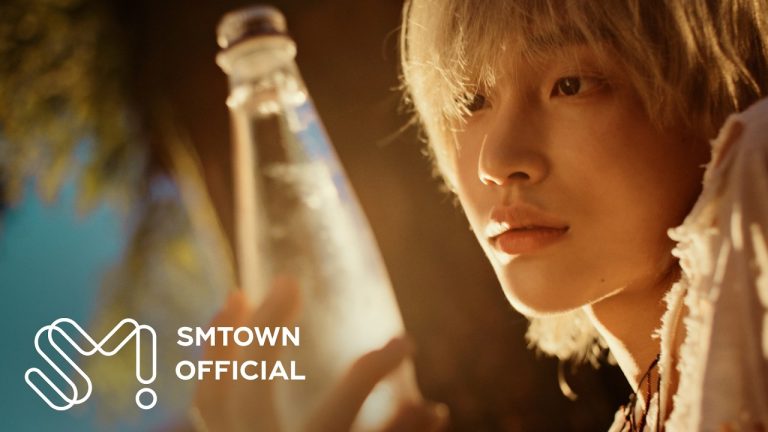
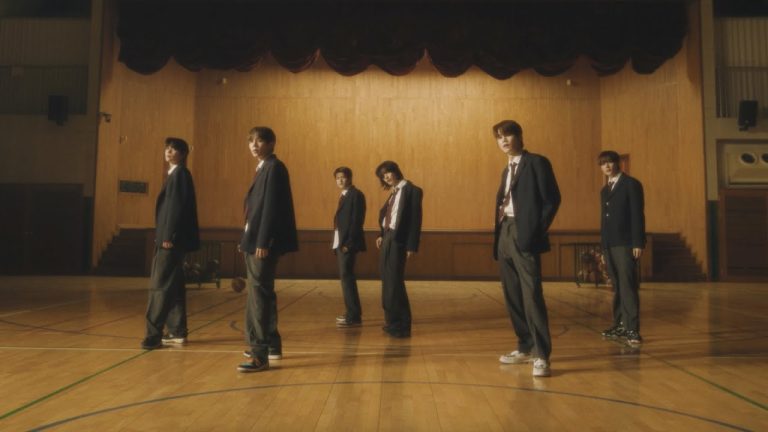
Both cards use the exact React’s unique local featured image. “Sunburst” routes to all six current members; the “Love 119” performance card follows the performers in that exact upload.
YouTube tracker
- RIIZE “Sunburst” exact official videoDaily+9.3KTotal views4.6M · React complete
- RIIZE “Love 119” performance videoDaily+3.4KTotal views9M · React complete
Official Socials
Official website · Official YouTube · Official Instagram · RIIZE on Weverse