
BTS Please Audio React: One Small Word Carrying Too Much Weight
Please takes the simplest request in the language and loads it with regret, need, pride, and the fear that asking honestly may still arrive too late.
Release file
Released: March 19, 2026
Runtime: 02:53
Artist / channel: BTS / official upload
Exact-file focus: Exact official Please audio. The later Goyang fan-recorded encore is excluded from the canonical file.
BTS wrote forever with an escape clause called real life, then made the request sound tender instead of desperate.
What changed every time I replayed it
First intake: The harmonies are warm enough to make me distrust them. “Please” sounds polite because screaming “do not let this end” would ruin the blend.
Second intake: I hear the insecurity underneath the tastefulness. Seven people survived separation, returned, and still cannot buy insurance against another ending.
Third intake: The title changes from a romantic word into group maintenance. It is not “stay because history owes us.” It is “choose this again if you still mean it.”
Later replay: I still want one cracked edge left in the room, but the restraint makes sense. The song protects dignity without pretending need disappeared.
Watch the request become a group decision
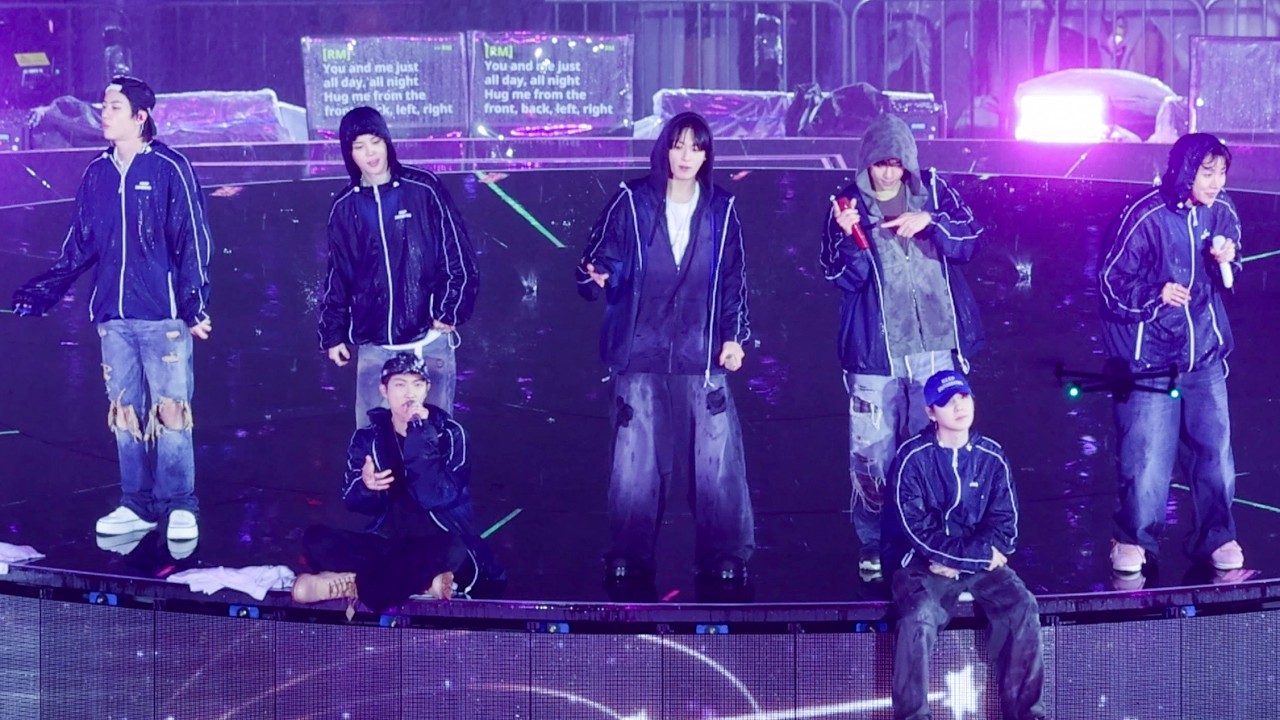
The Goyang stage makes the song’s restraint harder to dismiss as studio politeness. Seven people have to stand inside the same request, hear the crowd answer it, and still avoid turning “Please” into a cheap forever promise. The performance works because nobody tries to overpower the harmony. They keep choosing the blend.
Overall vibe: devotion after the fantasy expires
“Please” is a love song for people who already know promises are not insurance policies. The track is warm and close, built around stacked R&B vocals rather than a giant comeback beat. BTS do not sing like seven men trying to sell permanence. They sing like seven men asking whether choosing each other again can be enough for today.
That distinction gives the song weight inside ARIRANG. The group returned after military service and seven solo careers with proof that time does not pause because a fandom wants it to. “Please” understands the bargain: forever is not certainty. Forever is repeated consent.
What I love
The vocal blend. Individual colors remain easy to hear, but the harmonies keep folding them back into one emotional body. Nobody has to win the song for it to work.
What I side-eye
The production is so tasteful that it occasionally risks behaving. I wanted one rough edge left in the room-a cracked note, a breath, something that makes the plea less upholstered.
The hook vibe: one word carrying an entire contract
“Please” is powerful because the title contains need without entitlement. It asks. It does not declare ownership, weaponize history, or pretend love erases change. The repeated word becomes less a demand than a pulse: stay if you can, return if you mean it, choose this with me.
The melody supports that reading by refusing to turn the hook into a slogan. It rises, settles, and leaves room for harmony. The emotional payoff is not a belt note arriving with fireworks. It is seven voices making the same vulnerable request without sounding identical.
Lyrics: forever with the legal language removed
The song’s core desire is staying together, but the interesting part is the insecurity underneath it. BTS have written fan songs before; they know how quickly devotion can become mythology. “Please” strips the mythology down to a human fear: what if the thing we survived for is still capable of ending?
That question can point toward ARMY, toward the members’ relationship, or toward private love. The song refuses to lock the door on one reading. The ambiguity is not evasive. It lets the same emotional architecture hold a group reunion and an intimate partnership.
In the context of ARIRANG-an album named after a folk tradition shaped by separation and longing-the plea becomes part of the crossing. Reunion is not the final scene. It is the beginning of another period in which people must keep deciding not to leave.
The visual presentation: no fake movie to explain the feeling
“Please” was released through official BANGTANTV audio rather than a narrative music video. That means there is no director’s plot to decode and no invented Easter-egg board needed. The visual identity comes from ARIRANG’s album world, while the song asks listeners to build their own room around the voices.
This is one case where an audio-first release helps. A glossy romantic MV could make the song smaller by assigning the plea to fictional lovers. Without one, the addressee stays unsettled-and fans have to sit inside that uncertainty.
The backstory: “Please” was the song-camp passport
Producer Tyler Spry explained that his team developed the early idea before BTS’s Los Angeles writing camp. After changes, “Please” made the album and effectively opened the door for his participation in the larger sessions. He remembered stepping away after the first stretch of writing and feeling that both “Please” and “SWIM” carried something special.
That story matters because it shows how a global writing camp actually works. The song did not arrive as a sealed Western demo that BTS obediently recorded. An idea earned attention, entered a collaborative room, changed, and became part of the group’s album. RM, SUGA and j-hope appear in the writing credits alongside Spry, James Essien and Ryan Tedder.
Producer perspective: magic is not the same as mystery
Spry’s “magic” language could sound like standard studio mythology, but the useful detail is practical: he and his collaborators sketched ideas, listened outside the room, revised, and then brought the material into BTS’s process. The final track’s restraint suggests that somebody kept saying no to unnecessary drama.
The result is not a technical flex. It is arrangement in service of a sentence. Harmonies, negative space and a steady pulse keep the plea dignified. The song needs vulnerability, not humiliation.
The Korean and relational lens
ARIRANG carries the emotional memory of separation, longing, and crossing a pass. “Please” lives after the reunion, when the cameras expect relief but the people involved still have to learn how to share time again.
From a modern Confucian lens, a relationship is not only a feeling two individuals own. It is a pattern of duties, attention, trust, and repair. BTS does not remain BTS because a contract or fandom declares the bond eternal. The group remains through repeated acts of care among seven adults whose individual lives became larger during separation.
The word “please” matters because it refuses entitlement. A fan cannot own an artist. A member cannot force another member to want the same future. A lover cannot cash old sacrifice like a coupon. Asking leaves room for the other person to remain a person.
The macro and micro story
At the micro level, the song sits in the moment when somebody wants reassurance but knows reassurance cannot control reality. That is why the request feels adult. It admits fear without turning fear into a threat.
At the macro level, BTS is negotiating one of pop culture’s ugliest habits: audiences want groups to freeze at the exact age and emotional temperature that first made fans happy. “Please” offers continuity without pretending time stopped. Seven solo careers, military service, changing bodies, and different priorities all enter the harmony.
The satire is quiet but present. Pop sells “forever” on merchandise, anniversary videos, and limited editions. Real forever is less cinematic. It is scheduling, listening, renegotiating, apologizing, and asking again without assuming the answer.
Seven different ways to say one dangerous word
RM makes “please” sound negotiated. His delivery carries the awareness that asking creates a power relationship. Somebody can answer, refuse or delay. Jin lifts the word toward sincerity without making it fragile. He gives the melody enough openness to feel like the speaker finally stopped hiding behind clever language.
SUGA brings the part of devotion that keeps checking for the cost. His tone never lets sweetness become innocent. j-hope supplies warmth and momentum, which keeps the arrangement from sinking under its own seriousness. Together, the rap line understands that a request can carry hope, fear and pride at the same time.
Jimin makes the plea feel physically close. His phrases sound like they could break if pushed too hard. V grounds the lower register and gives the song the weight of somebody who knows affection does not cancel uncertainty. Jung Kook keeps the main melodic line stable enough for everybody else’s emotional texture to remain readable. The seven voices do not agree on what asking costs, and that disagreement is the song.
“Please” is not submission if the speaker can survive no
The word sounds humble, but humility is not the same as disappearing. A healthy request names desire while leaving the other person free to answer. An unhealthy plea turns love into a debt and the listener into a hostage. The song lives close to that boundary, which is why the emotional restraint matters.
In many East Asian families, direct emotional requests can feel more exposed than acts of service. People cook, drive, pay, worry, remind and silently rearrange their lives before they say what they want. “Please” strips away the useful chores and leaves the naked sentence. Stay. Believe me. Choose this. The lack of decoration is what makes the word loud.
A Confucian lens notices the roles surrounding the request. Duty can keep a relationship functioning long after honesty leaves the room. A Buddhist lens notices attachment and the wish to make one answer permanent. The song does not solve either problem. It shows the moment when the speaker accepts that devotion cannot force certainty.
The harmony does the emotional paperwork
The arrangement understands that a plea becomes more believable when voices overlap without competing for dominance. Harmonies widen the emotional field. One member can sound hopeful while another sounds tired. One can hold the clean note while another roughens the edge. The listener hears a group carrying several versions of the same promise.
That is especially useful on an album built around return. BTS does not need another song announcing unity as if the members spent years preserved in matching glass cases. Harmony is a better metaphor. Separate lines keep their identity, then choose when to meet. The blend works because difference remains audible.
I would still give the track one arrangement risk near the end. Drop the instrumental until the word “please” has nowhere to hide, then let the final harmony rebuild the room. The current version is beautiful, but it remains polite when the emotional situation deserves one moment of genuine exposure.
The industry will call this timeless because that is convenient
“Timeless” is often marketing language for a song that avoids enough current detail to travel safely across playlists. “Please” earns more than that label because its simplicity creates interpretive room. Fans can hear romantic devotion, friendship, reunion, artistic commitment or the fear that a familiar relationship changed while everyone was away.
The danger is that broad meaning can become empty meaning. BTS avoids that through performance history. The audience brings years of separations, enlistments, solo work and group promises into one small word. The song does not manufacture all that weight by itself. It activates weight already stored between the group and the fandom.
That relationship deserves honesty. Fans are not owed permanent access to seven men because they supported the group. The members are not required to freeze their individual lives to prove gratitude. “Please” works best when heard as a request to continue choosing one another, not a contract demanding that nobody change.
Final verdict
Keep digging through the panda pile
BTS profile · RM · SUGA · j-hope · More BTS Reacts
RaeRae verdict
This exact upload earns the replay because BTS keep seven individual roles inside one shared argument. The companion performance remains useful context, but it no longer competes with the canonical file or turns one React into two reviews.