
RAERAE REACTS · KARD · EXACT OFFICIAL MV
You In Me MV React: KARD Checked into a Love Story and Found the Locks Changed
“You In Me” starts with the language of possession already pretending to be intimacy. The hotel rooms are polished, the pairings look romantic, and then the locks change. KARD turn “you are inside me” from devotion into a warning about what happens when love refuses boundaries, endings or another person’s right to leave. The video is melodramatic on purpose, but its best horror is quiet: a room can look luxurious while somebody’s agency has already disappeared.
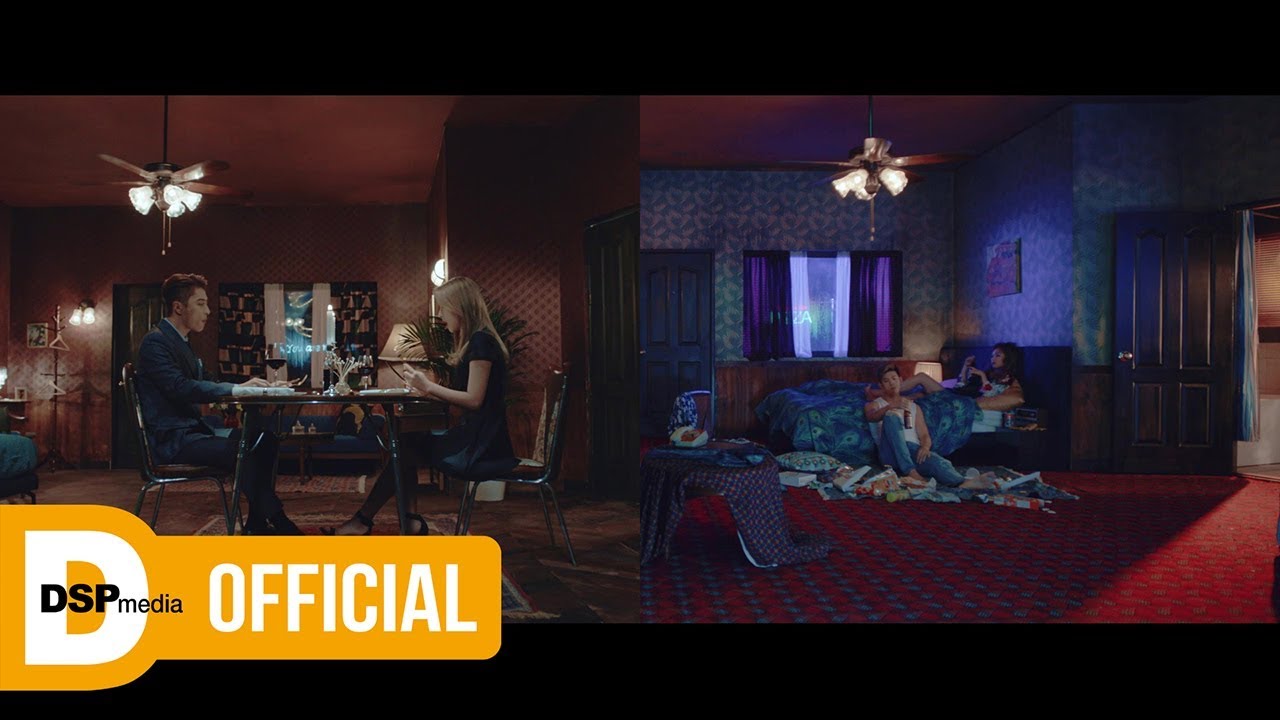
Release file
Released: November 21, 2017
Runtime: 03:36
Artist: KARD — BM, J.Seph, Somin and Jiwoo
Project: You & Me, second mini album
Label / channel trail: DSP Media · KARD official YouTube
Exact-video distinction: Official MV t1aGbpn-NUI, narratively followed in release order by the later-published “Trust Me” prequel
Sound: Dark tropical-house and electropop with tense bass, atmospheric synths, melodic ache and lower-register sections that make possession feel heavy
Credits: Official You & Me credits govern lyrics, composition and arrangement; fictional pair narratives are not evidence about the performers’ private lives
Sources: Exact official MV and release descriptionDaily+514Total views15.2M · official MVDaily+514Total views15.2M.
First reaction: the hotel has stopped accepting checkouts
Temporary rooms should make departure easy. The MV turns hospitality into containment, using doors, corridors and private spaces to make access feel controlled.
The horror works because nothing initially looks ruined. Luxury can conceal the fact that one person no longer controls the exit.
The title erases the boundary before the plot does
“You in me” sounds romantic when mutuality is assumed. Taken literally, it can also describe absorption—the other person becoming part of a self that refuses separation.
The video keeps testing whether intimacy has become ownership.
Somin makes devotion sound stable enough to fear
Her polish gives the melodic line credibility. The promise appears composed, not obviously chaotic.
That control makes the later instability more disturbing because danger did not arrive wearing a warning costume.
Jiwoo introduces the edge of refusal
Her attack and guarded expression make boundaries visible before the narrative names them.
She can perform desire without surrendering the possibility that the frame is unsafe.
BM makes possession physically heavy
Low register and scale add weight to the relationship language. The same presence can read as protection or pressure depending on blocking.
The ambiguity is the point; bodies do not carry one fixed moral meaning.
J.Seph leaves unease in the pause
His precise delivery and restraint create space where the viewer can question what a line just promised.
The after-beat becomes as important as the phrase, especially in a story built from delayed recognition.
Pair casting is fiction, not dating evidence
The MV assigns relational roles for a horror narrative. Eye contact, touch and proximity are performances shaped by edit and direction.
Treating those choices as private proof would erase the craft and repeat the story’s own boundary problem.
The prequel changes cause without excusing consequence
“Trust Me” later supplies earlier images and reassurance. It can complicate how the relationship developed, but context does not make coercion romantic.
Reverse chronology should deepen ambiguity, not become an alibi for harm.
Tropical-house texture becomes claustrophobic
A style associated with openness and movement is pulled into enclosed rooms. Bass and synth atmosphere keep circulation while the characters appear trapped.
That contradiction makes familiar KARD production carry a darker psychological job.
The ending refuses a healthy merger fantasy
The story pushes possession toward literal horror rather than rewarding total union.
Love that erases the other person is not presented as the highest form of devotion simply because the imagery is beautiful.
The KARD connection is context, not a substitute for listening
KARD’s co-ed format gives the MV multiple relationship perspectives, but the quartet remain performers inside fiction. The useful analysis concerns agency, boundaries and how each texture shifts the horror.
All four profiles and the group hub receive the exact-video card. The “Trust Me” prequel has its own page, date and image, with mutual narrative links preserving order without merging evidence.
What changed every time I replayed it
The first watch followed the plot. The second watched doors and room geometry, noticing how containment appeared before any explicit horror reveal.
The third came after “Trust Me” and made reassurance more complicated without making later coercion less serious.
What I kept replaying
- A polished hotel room quietly losing its exit.
- Somin making reassurance credible enough to become frightening later.
- Jiwoo preserving the edge of refusal inside attraction.
- BM turning protection and pressure into one ambiguous physical image.
- J.Seph leaving suspicion in the pause after a promise.
Where it could hit harder
The pair-horror narrative risks sensationalizing possession through beautiful suffering. The clearest boundary critique needs to remain louder than the aesthetic romance.
Some twists depend on dramatic reveal rather than gradual character detail; the prequel supplies context but cannot fully repair every shortcut.
The hotel is temporary space pretending to be a home
A hotel room lets people borrow intimacy without building a shared life. Sheets are cleaned by strangers, doors use temporary keys, and departure is written into the reservation. “You In Me” exploits that contradiction. The relationship performs permanence inside a structure designed for checkout, so possession begins to look like an attempt to defeat the room’s basic truth.
When exit becomes impossible, romance does not become deeper. The temporary space has been forced to imitate ownership, and the characters become part of that coercion.
Beauty makes the boundary violation easier to misread
Soft lighting, attractive performers and polished rooms can encourage viewers to romanticize control. The MV uses that temptation but cannot fully govern it. A beautiful image of obsession may still circulate as aspiration after the narrative condemns it.
The review therefore names agency explicitly. Intensity is not consent. Grief at separation does not create a right to prevent it. A tragic backstory can explain behavior without turning harm into proof of love.
The four-member structure spreads unease beyond one villain
BM’s weight, J.Seph’s precision, Somin’s composure and Jiwoo’s edge can all shift between reassurance and threat depending on the edit. That mobility keeps the story from assigning morality solely by vocal register or gender.
It also makes the group performance more interesting than a single couple reenacting a twist. Four perspectives create a system of promises, doubts and consequences.
The prequel link must run in both directions
“Trust Me” was published later but narratively precedes this video. Readers need both release order and story order, because each produces a different first impression. This page links backward in fiction and forward in publication context.
The pages remain separate because the exact runtimes, images and edit choices differ. Cross-linking preserves the relationship without creating a blended review whose evidence cannot be traced.
The exact card should feel darker than the prequel card
Attachment 38999 comes from t1aGbpn-NUI and carries the hotel-horror identity into the hero and landing cards. The prequel uses its own frame.
That visual distinction lets chronology become visible before a reader opens either page: reassurance and consequence are related, not interchangeable.
RaeRae verdict
“You In Me” turns a romantic phrase into a boundary alarm. Its hotel horror works because luxury and intimacy never guarantee agency.
The later prequel makes the narrative richer, but this exact MV remains responsible for the consequences it shows.
Bottom line
KARD checked into a love story and found the locks changed. “You In Me” works because possession stops masquerading as perfect intimacy and becomes the horror it always threatened to be.