
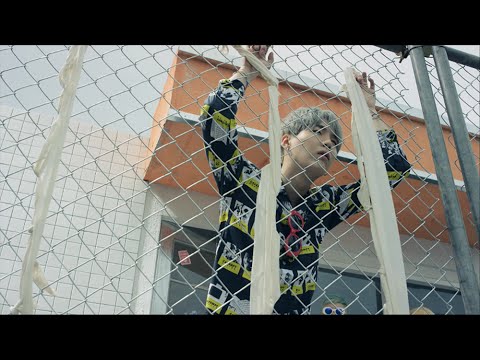
FIRE: BTS Makes Burnout Look Like a Block Party
BTS take exhaustion, social pressure and the urge to throw every rule into the flames, then stage the release like a party rowdy enough to become collective survival.
Release file
Released: May 1, 2016
Runtime: 4:55
Artist / channel: BTS / HYBE LABELS
Exact-file focus: The exact official FIRE music video, not a dance practice, stage, Japanese version, short, fan edit or reaction compilation.
Bottom line
FIRE takes burnout, adds a whistle and throws the paperwork into a dance circle. BTS perform reckless release with enough humor to keep the song from becoming a sermon about destruction. The hook is deliberately simple; the interesting work happens in how seven personalities and a huge ensemble make abandon look coordinated rather than empty.
What changed on replay
Replay one follows SUGA’s opening command into the beat drop. Replay two watches j-hope and Jimin control rhythmic texture. Replay three notices the video’s comic props and abrupt scale changes. Replay four hears the chorus as permission rather than philosophy. The song is strongest when treated as a temporary release valve, not permanent life advice.
The production chooses ignition
Sirens, synth pressure, drums and shouted responses create almost no neutral space. The arrangement is built around ignition and recurrence: light the fuse, release, rebuild enough tension to do it again. That design can be exhausting, but it accurately captures the manic relief of deciding that respectability will not save the evening.
Seven kinds of abandon
BTS do not perform chaos identically. SUGA’s dryness, RM’s weight, j-hope’s elasticity, Jimin’s precision, V’s theatrical cool, Jin’s melodic steadiness and Jung Kook’s center combine into a group mood larger than any single expression. The contrast stops the video from becoming one long generic shout.
The choreography is organized disobedience
The famous group sections feel unruly because accents hit hard and bodies travel aggressively. Underneath that impression is strict spacing. Dancers enter, clear lanes and redirect focus with rehearsal-level control. The pleasure comes from discipline pretending it has escaped supervision. Real chaos would not be this readable from a wide camera.
Humor keeps the danger breathable
The video’s exaggerated characters, props and edits signal that the fire is partly cartoon logic. That does not remove aggressive imagery, but it changes its temperature. BTS are not selling a documentary of destruction. They are building a comic pressure chamber where frustration can become spectacle without requiring viewers to mistake harm for authenticity.
Cultural borrowing deserves more than nostalgia
The era participates in K-pop’s broader use of Black musical and visual languages as portable rebellion. Performance skill and affection for the music do not cancel questions about credit, context or stereotype. A mature replay can enjoy the groove while refusing the fandom habit of treating every uncomfortable influence question as an attack on the members.
The counterargument
The chorus is repetitive, the production is abrasive and the concept can resemble expensive teenage rebellion marketed by adults. All three critiques have evidence. The track’s defense is not subtle writing. It is the precision with which sound, humor and bodies create a communal release that still works when the original trend cycle is gone.
What I would change
I would reduce one late chorus and use those bars for a rougher live percussion break. The song already proves the hook. A textural detour could make the final return feel newly dangerous instead of scheduled. It would also give the dancers a different rhythmic problem rather than simply increasing force.
Why the exact video ID matters
“FIRE” is a common title across music catalogs. A title-only audit falsely connected this BTS file to an Xdinary Heroes React. Exact video identity protects both artists and keeps the tracker honest. Similar words are not equivalent works, and a functioning ecosystem must preserve the specific official object being analyzed.
Replay verdict
FIRE remains a brilliantly organized release valve. Its politics are temporary, its borrowing deserves context and its hook is intentionally blunt. Yet the performance architecture is real: seven distinct pressures, a disciplined ensemble and humor strong enough to keep destruction from becoming the only available image of freedom.
Production map
A whistle-like opening, heavy synth bass, percussion and shouted layers create an instantly recognizable energy curve. Verses leave just enough space for personality before the chorus removes nuance in favor of collective impact. That bluntness is the design. The record acts like a pressure valve: detailed frustration enters, a physically simple hook releases it and the cycle begins again before reflection can slow the room.
Choreographic readability
Signature movements use broad shapes and grounded weight that survive wide shots and crowded stages. More intricate transitions connect those public-facing hooks. That combination explains why the choreography became widely recognizable without being easy to perform well. Learning one gesture is not the same as reproducing formation, rebound, timing and facial control across the full routine.
The line between release and nihilism
“Burn it up” can describe letting go of judgment, but destruction metaphors become dangerous when treated as a complete ethic. The video’s humor and exaggeration create distance from literal harm. A responsible React can enjoy the fantasy while refusing to sell recklessness as personal development. Temporary abandon works precisely because somebody eventually turns the music down and checks whether everyone got home.
Member-specific timing
SUGA ignites the record, RM provides grounded command, j-hope makes rhythm elastic, Jimin sharpens movement, V controls theatrical cool, Jin protects melodic contour and Jung Kook connects vocal and dance centers. Those functions overlap rather than forming permanent job descriptions. Replay is valuable because it shows how roles shift inside one song instead of freezing seven people into a fandom fact sheet.
Credit and cultural context
The production belongs to global networks of hip-hop, electronic dance music and pop choreography. Naming Black musical lineage and the creative team does not require accusing individual performers of bad faith. It replaces vague “inspiration” language with history. Enjoyment becomes sturdier when it can survive attribution, because credit explains why certain sounds and movements already carried rebellion before this video borrowed their force.
Historical replay
The record remains tied to a particular BTS era of youth pressure, ambition and rapid ascent. Its styling and digital effects show their age; its organized release still works. Nostalgia should not turn every choice into timeless perfection. The more interesting anniversary view asks which parts remain alive—the groove, ensemble identity and humor—and which require context rather than automatic imitation.
Final evidence check
After separating nostalgia from evidence, FIRE remains effective because its excess has timing. The track knows when to clear space for personality and when to replace personality with a communal hook. The video knows when humor must puncture danger. Cultural borrowing and commercial rebellion deserve context, but context does not erase the bodies, vocal colors and production choices that make this particular release valve recognizable long after its original promotional cycle.
Why the relationship filing matters
Catalog maintenance matters here because “FIRE” is not a unique search term. The exact BIGHIT video ID separates this work from unrelated songs, stages and fan edits. Linking one canonical React to BTS and every participating member prevents a false title match from becoming permanent misinformation. Filing is part of criticism when it determines which artist receives the analysis.
Canonical profiles
BTS · RM · Jin · SUGA · j-hope · Jimin · V · Jung Kook
Official video
 FIRE: BTS Makes Burnout Look Like a Block Party — official videoDaily+75.3KTotal views476.6M
Receipts
The exact BIGHIT MUSIC official video is the primary source for the song, choreography and visual analysis. The BTS and member profiles provide career context; interpretation is labeled as interpretation rather than hidden inside fact claims.
Verdict
BTS FIRE React examining the reckless release, choreography, humor, cultural context, member roles and replay value.
What changed every time I replayed it
The second replay follows the siren synth, percussion and shouted hook as pressure valves rather than noise for its own sake. The third watches each member bring a different flavor of defiance before the group formations make the refusal communal. The fourth tracks objects, fire and chaos without pretending destruction automatically equals freedom. The fifth separates camera velocity from choreography and notices how much of the impact survives without the cuts. By the sixth, the party reads as temporary medicine: it cannot fix the system outside, but it gives exhausted people one room where shame stops running the schedule.
Lyrics and meaning
The lyric tells young people carrying judgment, failure and impossible expectations to burn the script written for them. That release can sound reckless if separated from the pressure that produces it. BTS are not offering public policy; they are creating a ritual for refusing shame. The limits matter—fire destroys as easily as it liberates—but the communal hook turns private burnout into visible company. The listener is not uniquely broken, and the rules causing the exhaustion are allowed to look ridiculous for once.
RaeRae verdict
FIRE still hits because BTS make catharsis look collective, not solitary. The video is messy, loud and sometimes one object away from nonsense, exactly the energy the song needs. I do not confuse a block party with structural change, but I understand why exhausted people require a place to yell before returning to the work. The hook burns hottest when everybody enters it together.