ARTIST PROFILE · PRODUCER · DJ · SONGWRITER
Zedd: Producer, DJ, Songwriter and aespa Remix Collaborator
RaeRae’s read: Zedd’s precision can make a chorus feel inevitable. I stay interested when one voice, texture or harmonic turn refuses that inevitability long enough for the machine to earn its impact.
Profile
| Artist name | Zedd |
|---|---|
| Birth name | Anton Zaslavski |
| Born | September 2, 1989 |
| From | Saratov, Russian SFSR; raised in Germany |
| Work | Producer, DJ, songwriter and classically trained musician |
| Albums | Clarity, True Colors and Telos |
| CVM route | aespa — “LEMONADE (Zedd Remix)” |
| Current status | Active producer, recording artist and touring DJ |
Zedd is the artist name of Anton Zaslavski, a Russian-born German producer, songwriter, DJ and classically trained musician. His official catalog centers on the albums Clarity, True Colors and Telos, with the latter released August 30, 2024 after a nine-year album gap.
For this K-pop archive, his exact relationship is the officially credited “LEMONADE (Zedd Remix)” for aespa. That version receives its own React and card because production authorship changes the recording even though aespa remain the vocal performers.
One canonical artist route
Zedd’s producer, DJ and performing-artist work belongs on one page. A remix commission does not require a second “K-pop producer profile,” and a future collaboration should update this URL instead of cloning his biography.
The route preserves his career outside Korean pop while making the aespa connection discoverable. Genre proximity is a relationship, not permission to flatten an international electronic catalog into one guest credit.
Early life and classical training before the drop
Recording Academy interviews describe Zedd as a classically trained musician who began piano at four and continues to write at the instrument. That background is audible in his attention to harmonic movement, counterline and large formal arcs.
Classical training should not become a prestige shortcut that automatically makes electronic work serious. Its value appears only when the ear can trace how voicing, tension and release shape a track rather than decorate a résumé.
The early remix route
Zedd entered wider electronic attention around 2010 through remixes, including work connected to Skrillex’s “Scary Monsters and Nice Sprites.” Remix culture was not a side door he later outgrew; it was a central training ground in arrangement and audience recognition.
A remix can reveal which parts of a source song the producer believes are structural. What gets isolated, delayed, removed or enlarged becomes an argument made with stems instead of prose.
Spectrum and the first album frame
“Spectrum,” featuring Matthew Koma, helped establish the melodic electro-house language leading into Clarity. The debut album arrived in 2012 and placed vocal songwriting inside exact electronic architecture without treating singers as interchangeable hooks.
That last boundary matters. A producer may define harmony, rhythm, sound design and arrangement while featured vocalists supply identifiable performance and sometimes writing. Correct metadata keeps both forms of authorship visible.
Clarity became larger than one drop
“Clarity,” featuring Foxes, won the 2014 Grammy for Best Dance Recording and became the unavoidable reference point in Zedd’s catalog. Its durability comes from the collision between emotional vocal writing and production that delays release until longing becomes physical.
The song also created a career trap: every later project could be judged by whether it recreates the exact impact listeners already know. Repeating the formula would protect recognition while slowly turning authorship into self-imitation.
Stay the Night and collaboration grammar
“Stay the Night” with Hayley Williams shows how Zedd builds around a vocalist’s attack rather than sanding every guest into the same pop-neutral surface. The production uses her urgency as a structural force.
Strong collaboration is not a producer placing a famous voice over a completed instrumental. Arrangement should respond to consonants, range, phrasing and the emotional authority the singer brings from outside the session.
True Colors refused one EDM box
True Colors arrived in 2015 with a title that announces variation. Zedd has discussed wanting to prove he could not be reduced to 128-BPM club bangers, and the album moves through different vocal and tonal environments.
Variety alone does not create depth. The more useful question is whether each color changes structure while the album retains a recognizable ear for precision, harmonic lift and controlled impact.
I Want You to Know
The Selena Gomez collaboration reached a broad pop audience through a bright, tightly engineered frame. It demonstrates how Zedd can make electronic architecture radio-legible without removing the grid that identifies him.
Commercial clarity is a craft, not evidence of shallowness. The problem begins only when clean proportions become so predictable that the singer appears to be completing a branded template rather than altering it.
The Middle and invisible complexity
“The Middle,” with Maren Morris and Grey, sounds simple enough to disappear into daily life. That accessibility depends on arrangement choices precise enough to make conversational phrasing survive an electronic-pop mix.
Songs that feel effortless often hide the most negotiation: key, tempo, syllable placement, vocal tone and the size of every transition. Popularity does not make those decisions less authored.
The long album gap
Nine years separated True Colors and Telos. During that span Zedd continued releasing singles, producing collaborations and performing, so the gap was not artistic disappearance. It was specifically an absence of a new full album statement.
The distinction prevents lazy comeback language. A person can remain commercially active while withholding the format that asks listeners to follow one extended sequence rather than a series of optimized singles.
Telos and purpose
Telos takes its name from an idea of end, aim or purpose. Zedd described making the 2024 album for his own artistic direction rather than chasing the pop project some listeners expected.
That claim should be tested in the sound, not accepted because an interview says it. Longer arcs, orchestral color, guitar, piano and less immediately standardized structures provide evidence that the album is trying to change the terms of success.
Out of Time
The Telos opening uses Jeff Buckley’s “Dream Brother” as a significant reference and builds from guitar and piano into Zedd’s electronic sense of scale. The source relationship makes credit and transformation central to the track.
Sampling or reinterpretation earns value by creating a new dramatic job for familiar material. Reverence alone can turn an archive into expensive wallpaper; structural response keeps it alive.
Lucky and the human center
“Lucky,” with Remi Wolf, lets an idiosyncratic voice resist production polish. The song works because personality remains audible inside the engineering rather than being corrected into generic perfection.
Zedd is strongest with vocalists who bring edges the mix cannot own completely. Their friction gives his precision a reason to exist beyond technical cleanliness.
Matt Bellamy and scale
Telos includes Matt Bellamy, whose theatrical vocal and instrumental language can meet Zedd at arena scale. Large sound becomes convincing when harmony and performance justify it; loudness alone produces only size without consequence.
The collaboration also places electronic production in conversation with rock spectacle without treating either genre as a costume borrowed for one track.
The clock as a signature
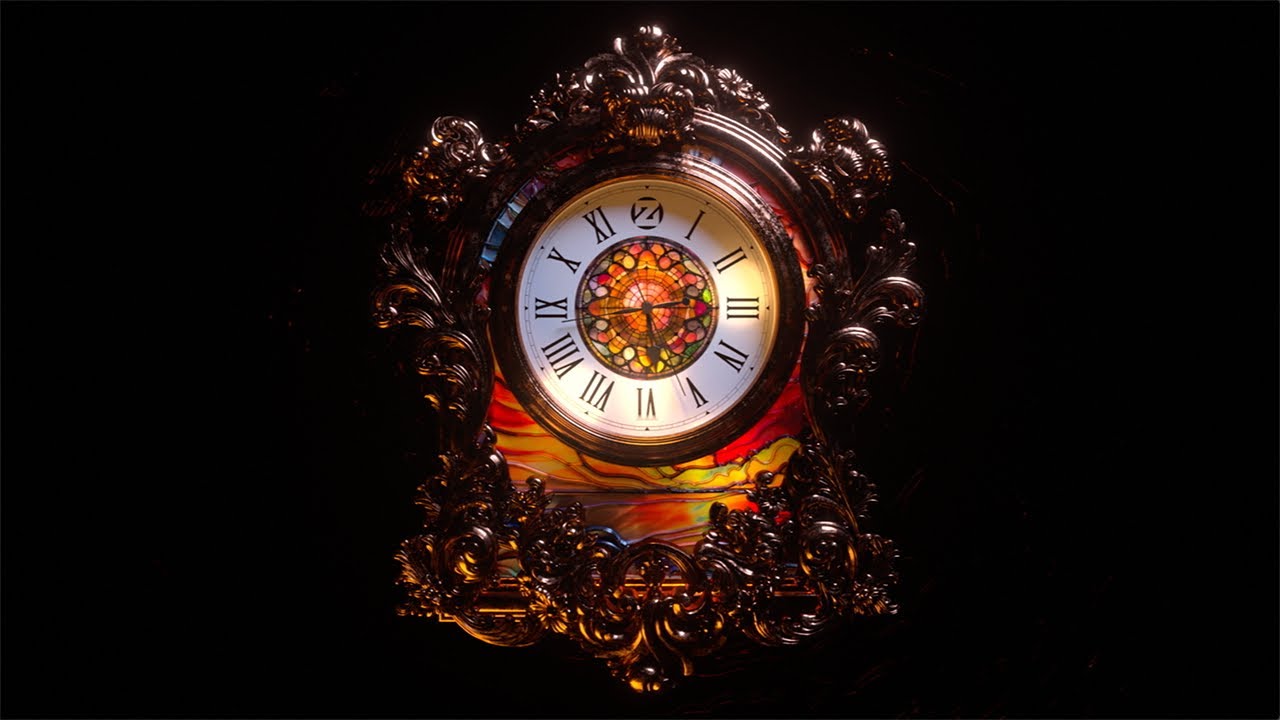
Zedd has repeatedly used clock-like sounds and precise temporal devices. A recurring sample can function like a producer tag without announcing a name. It turns timing itself into part of the emotional vocabulary.
Signatures remain useful when their meaning changes. If the clock always predicts the same rise and drop, recognition becomes automation. Telos uses temporal imagery more structurally by connecting it to finality and return.
Why the aespa remix belongs here
“LEMONADE (Zedd Remix)” is not a footnote attached only to aespa’s page. Zedd rebuilds tension, scale and drop behavior, which makes the version part of his production catalog as well as theirs.
The exact card therefore routes both ways. aespa’s four members remain the vocal performers; Zedd receives the remixer relationship. No member is removed simply because the arrangement foregrounds electronic architecture.
Current status: what changed in LEMONADE
The source song already carries acidic pop imagery and a hook with sharp edges. Zedd widens the dynamic proportions until sweetness becomes setup for a festival-sized release.
The valuable change is not volume by itself. Builds become more explicit, low end takes on crowd-management duty and vocal fragments are positioned as signals inside a larger public machine.
Festival scale is a social form
At home, repetition can sound like information already received. In a field, the same phrase coordinates bodies with different sight lines, attention spans and familiarity. The hook becomes timing infrastructure.
That function does not excuse lazy looping. Small shifts in drums, vocal treatment and synth density tell a crowd that return remains active rather than a file repeating on schedule.
Four voices remain four sources
Karina, Giselle, Winter and Ningning do not become one anonymous stem because a remixer chops, layers or groups their vocals. Timbre and phrasing continue to carry human and commercial value.
Producer authorship and performer authorship coexist. Metadata should identify the remixer’s new construction while preserving the people whose recorded voices make the reconstruction recognizable.
Precision can become a fence
Zedd’s transitions are often so well signposted that listeners know where impact will land. That reliability creates trust and makes huge rooms move together.
It can also remove danger. His most exciting moments allow one texture, entrance or harmonic turn to resist the grid just long enough for the next controlled arrival to feel earned again.
The pop versus underground argument
Zedd has spent much of his career inside an argument about commercial accessibility and electronic credibility. The binary is often lazy: underground scenes also use repetition and branding, while pop production can contain demanding craft.
The better questions concern power, credit, risk and audience. Who gets paid, whose scene language is borrowed, what structural choice might alienate a listener and whether accessibility expands the work or simply standardizes it.
DJ sets and authored records
A DJ set organizes other recordings in real time for a room; a Zedd studio record constructs sound at a different level. Both can involve authorship, but they should not be collapsed into one vague label.
Profiles that call every electronic artist only a DJ erase writing, production and engineering. Profiles that ignore live selection erase the social intelligence required to pace a crowd.
The image-card rule
This profile uses an official Telos-era frame from Zedd’s own artist channel, downloaded locally with source metadata. It is distinct from the aespa remix’s exact-video attachment.
Featured image, hero, Open Graph and Twitter roles share the one canonical profile attachment. Future Reacts receive their own unique frames instead of recycling this portrait.
The exact-credit rule
A Zedd credit must follow the specific release. Producing, remixing, writing, featured performance and artist billing are not interchangeable roles. The database should preserve the wording attached to the master.
Fame does not expand a credit beyond what the file proves. Likewise, a producer should not disappear because the front-facing vocalist dominates the thumbnail and press cycle.
The tracker boundary
The official video tracker on this page includes only exact CVM Sekai Reacts with a verified Zedd relationship. It does not pull every aespa upload merely because one remix exists.
When another exact MV or commissioned remix enters the site, its YouTube ID, release date, image and role must be checked before a card is attached.
What the next K-pop collaboration should do
Another Korean-pop commission should respond to a group’s actual member colors instead of treating the act as a globally recognizable vocal pack. Line distribution, language and performance identity can shape the arrangement.
The most interesting result would make Zedd’s precision and the artists’ internal contrast change each other, leaving a version neither side could have produced alone.
Production is composition
Electronic production is sometimes discussed as the technical step performed after the song exists. In Zedd’s work, sound selection, envelope, stereo position, silence and transition are part of the composition because they determine when harmony becomes pressure and when a lyric can land.
That does not erase conventional songwriting credits. It explains why two arrangements built from the same topline can create different emotional events and why the aespa remix deserves criticism as a distinct work.
Clean mixes still contain politics
Clarity in a mix sounds neutral until listeners ask which voice, instrument or frequency receives space and which one is reduced to texture. Technical hierarchy becomes an artistic hierarchy every time a stem is pushed forward or hidden.
A producer working across global pop also decides how much accent, breath and member contrast survive standardization. Those choices affect representation as surely as the visible line distribution in a music video.
The orchestra does not certify seriousness
Telos and its orchestral language invite a familiar hierarchy in which strings and piano are treated as evidence that dance music finally became art. That assumption misunderstands both traditions. A kick pattern can be compositionally rigorous; an orchestra can be used lazily.
The useful test is interaction. Acoustic color should change electronic form, and electronic timing should make the ensemble behave in ways a conventional score would not require.
A producer profile needs listening routes
A biography that lists awards and famous collaborators without playable relationships turns production into résumé prestige. The static card below gives one exact point of entry where readers can hear how Zedd changes an existing K-pop master.
As more verified Reacts are added, the tracker should show contrasting roles and eras rather than burying everything in a chronological dump. Discovery depends on knowing why each file belongs.
Credits protect collaborators from the brand
Zedd’s name can dominate a release because it carries commercial recognition. Accurate files still need featured vocalists, co-producers, writers, engineers and remix sources. A famous producer should not absorb a team any more than a famous singer should erase the producer.
The site therefore uses role-specific language. “Zedd Remix” means he is the named remixer of this version; it does not claim he wrote or performed every source element in aespa’s original recording.
RaeRae’s read
I understand why “Clarity” follows Zedd into every room, but treating one perfect collision as the entire career misses the point of Telos and the craft inside quieter pop records. His control is real; the question is always whether control leaves enough air for surprise.
The aespa remix earns its separate card because he changes the song’s physical purpose. I want more member-specific play inside that scale, but it is a version with an argument, not a louder export file.
Bottom line
Zedd is a producer, songwriter, DJ and classically trained musician whose catalog runs from Clarity and True Colors through Telos, with exact collaboration roles preserved rather than blurred into celebrity proximity.
For CVM Sekai, “LEMONADE (Zedd Remix)” is his verified aespa relationship: one distinct arrangement, one exact-video React, one unique image and one canonical route back to the producer who rebuilt the room.