
How to Read Simon’s Final Vision

Dragon memory, far-sight, symbolic identity, and forward hooks arrive in one flood. They do not all carry the same evidentiary weight.
The First Day of the Siege of Naglimund
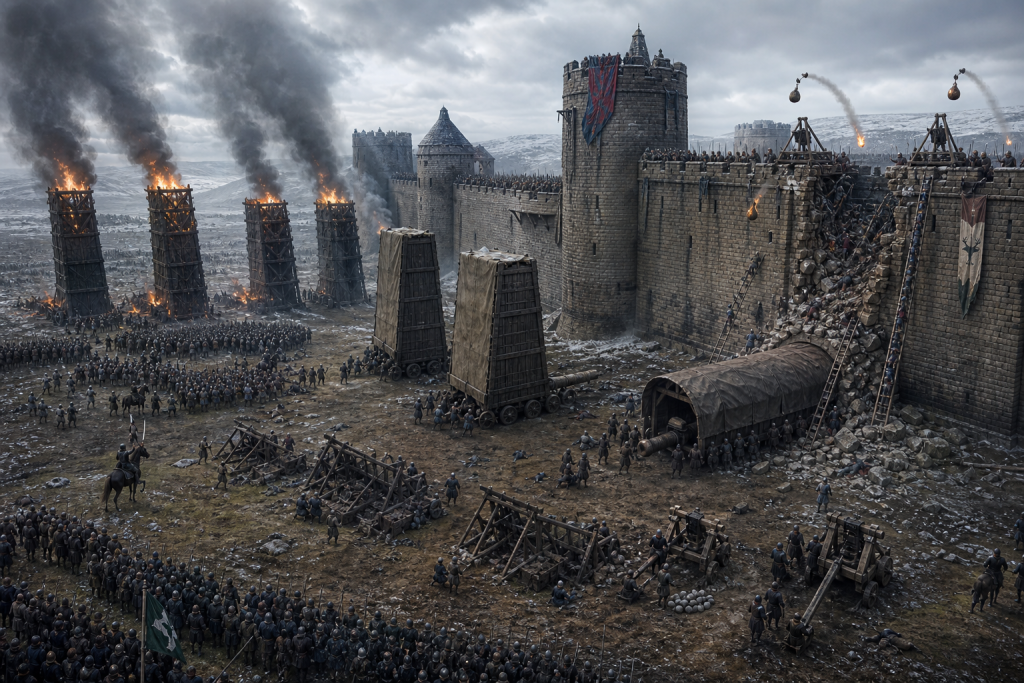
Six towers, one costly breach, two slingstones, four fires, and the ugliest number on the field: Elias can replace what Josua loses.
What the Raed Actually Decides

Miriamele’s crown detonates the room, but the Raed is still an evidence hearing—not yet a tidy declaration of war.
Why Naglimund Is Called Nail-Fort
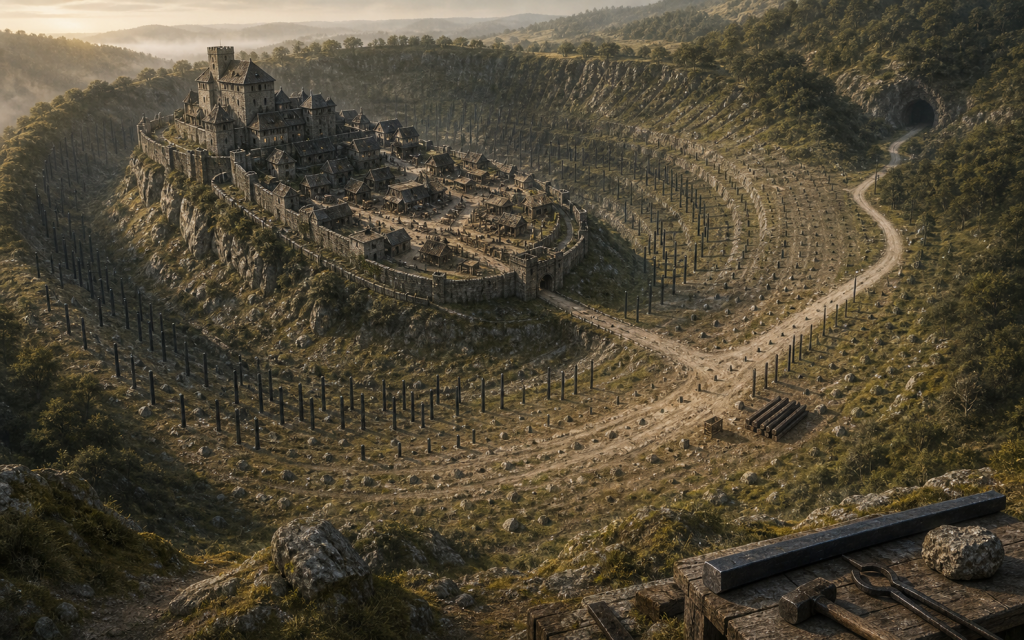
The fortress’s name is a defense system, an occupation history, a material taboo, and a warning about the people who built on Sithi ground.
Stoning Night at the Anger Stones

The covenant scene needs a receipt-by-receipt map because ritual pressure, replacement blood, sword identity, and supernatural presence arrive together.
Drought, Plague, and the Refugees Outside the Hayholt
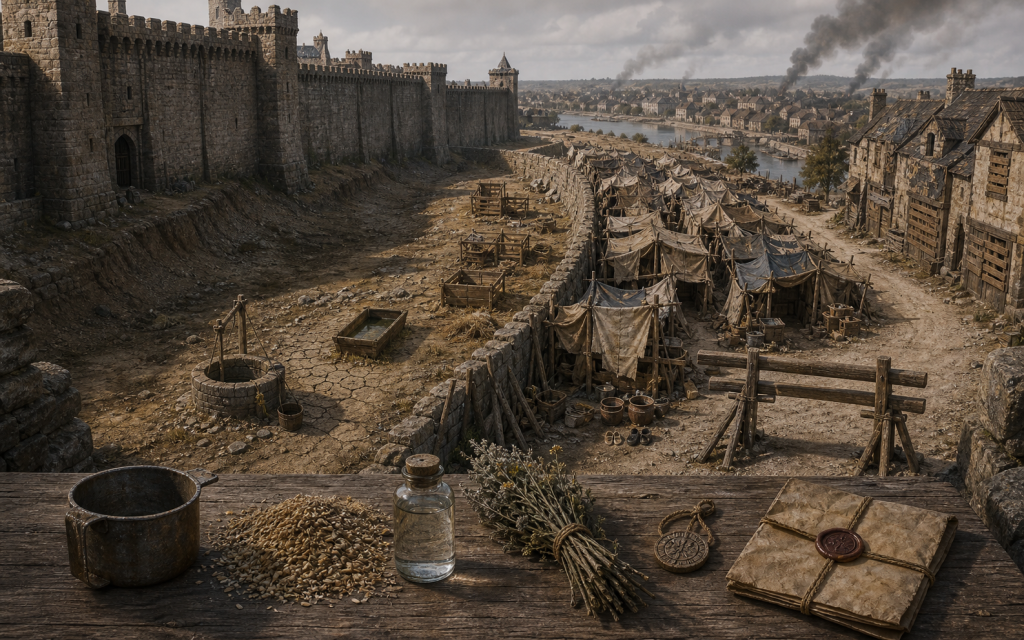
The crisis is not one curse. It is water, food, displacement, rumor, disease theory, policing, class, and a government choosing whose fear counts.
The White Foxes, Stormspike, and Jarnauga’s Warning

A bird-borne message turns northern folklore into operational intelligence without pretending the reader knows the whole enemy yet.
Who Was in Osten Ard First?

“First men” is a human-centered label in a world whose great castle was already old when humanity arrived.
How Naglimund Falls: The Harrowing
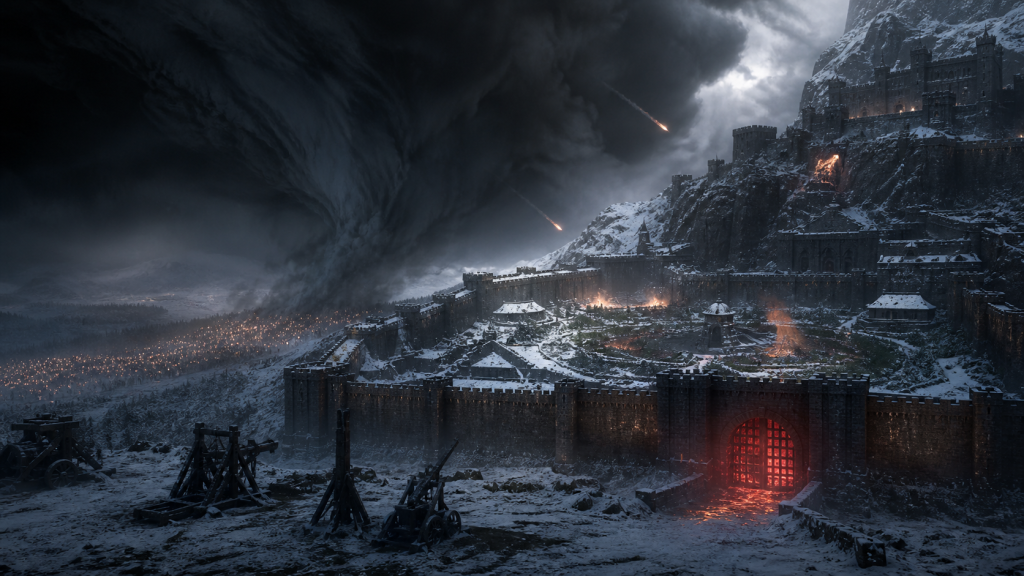
Naglimund does not suddenly fall. The attack works because every stage answers a defense, assumption, or unanswered warning the book established earlier.
Three Swords, Five Evidence Types

The quest does not begin with one perfect prophecy. It becomes possible when five unequal kinds of evidence are finally allowed to argue with one another.
How Osten Ard Buries a High King

Forty days, linen, sea-roads, battered boots, a ship-name, layered faiths, and one sword buried against the dead king’s intention.