
RAERAE REACTS · STRAY KIDS · EXACT OFFICIAL VIDEO
Back Then Video React: Stray Kids Remembered the Summer That Barely Needed a Plot
“Back Then” remembers the kind of summer day that would look embarrassingly uneventful in a résumé: a movie left playing, two people watching each other, sand still stuck to skin. Good. Memory rarely preserves the expensive establishing shot.
Release file
Official upload: Stray Kids “그날 (Back Then)” Video (SONG by VER.)
Released: August 17, 2026 · Runtime: 03:52.
Artist: Stray Kids — Bang Chan, Lee Know, Changbin, Hyunjin, Han, Felix, Seungmin and I.N.
Sound: Rain, acoustic guitar and warm retro-pop framing around a song written and composed by Han
Exact-video distinction: The official SONG by version, not an audio upload, lyric translation or later performance
Sources: exact official uploadDaily+9.3KTotal views1.8M; Stray Kids official site; the THIS & THAT release record and contemporary Korean-language lyric analysis identifying Han’s writing and composition.
Rain opens the drawer
The rain does not announce tragedy. It creates the hush of somebody opening a memory carefully because the smallest sound might change it. Acoustic guitar follows with the warmth of an older pop recording rather than polished nostalgia sold by the yard.
The production understands that memory arrives through texture before chronology.
Han writes the tiny evidence
Han receives the central writing and composition credit, and the song benefits from his refusal to invent a dramatic incident. A movie runs unwatched. Two people laugh. Summer remains on the body.
Those details carry more emotional authority than another generic promise to remember forever.
Meaning: the Korean title changes the weight
“그날” points to “that day,” a specific past object. On an album surrounded by English titles, the Korean name feels intimate rather than strategically universal.
Translation can explain the scene, but the title’s compact distance—the day already over—does emotional work before a verse starts.
Retro sound without costume panic
The arrangement nods toward an earlier era through guitar, warmth and pacing, but it does not require every frame to scream a calendar year. The best retro choices feel like remembered media rather than a rental truck of period props.
A soft grain and patient cut can suggest time more effectively than fifty branded antiques.
The group vocal is the memory’s scale
Different vocal grains keep one recollection from becoming a single narrator with eight interchangeable mouths. Seungmin can make a line feel remembered precisely; Han gives authorship a direct pulse; Felix and Changbin add shadow; the others change how close or distant the same day feels.
The handoffs resemble memory passing between people who were all there but did not preserve identical versions.
Nothing happening is the point
The video trusts the audience to accept that emotional history can form around almost nothing. That is not lack of concept. It is the concept refusing to bully a small memory into blockbuster importance.
The restraint turns “Back Then” into a place readers can enter with their own ordinary day.
Eight people are not one texture
Bang Chan can anchor an entrance with calm control, Lee Know makes small changes in weight read on camera, Changbin attacks rhythm without asking permission, and Hyunjin stretches movement until a gesture becomes punctuation. Han can switch from bite to melody before the edit catches up, Felix turns low tone into architecture, Seungmin gives clean phrasing emotional pressure, and I.N brings a bright edge that has grown steadier without losing character.
Those are tendencies, not permanent job assignments. A useful React notices who carries this exact section instead of recycling an old position chart.
3RACHA make the argument from inside the group
Bang Chan, Changbin and Han have built so much of the group’s recorded language that self-production is no longer a cute footnote. It changes the review question. I am not asking whether an outside team successfully guessed the brand; I am asking what the members chose to keep, exaggerate or finally stop doing.
That authorship also removes an excuse. When a section drags or a sound feels familiar, the criticism belongs inside the same credit conversation as the praise.
The camera owes choreography an explanation
A music video can cut fast without cutting randomly. The useful edit lands on preparation, impact or recovery, so movement remains legible as a decision made by a body. A cut that arrives only because the beat got loud may produce energy while erasing the person who created it.
Watch the shoulders and feet just before the obvious highlight. Stray Kids often hide the cleanest teamwork in the travel between headline poses.
The image-card rule is not glamorous, but it matters
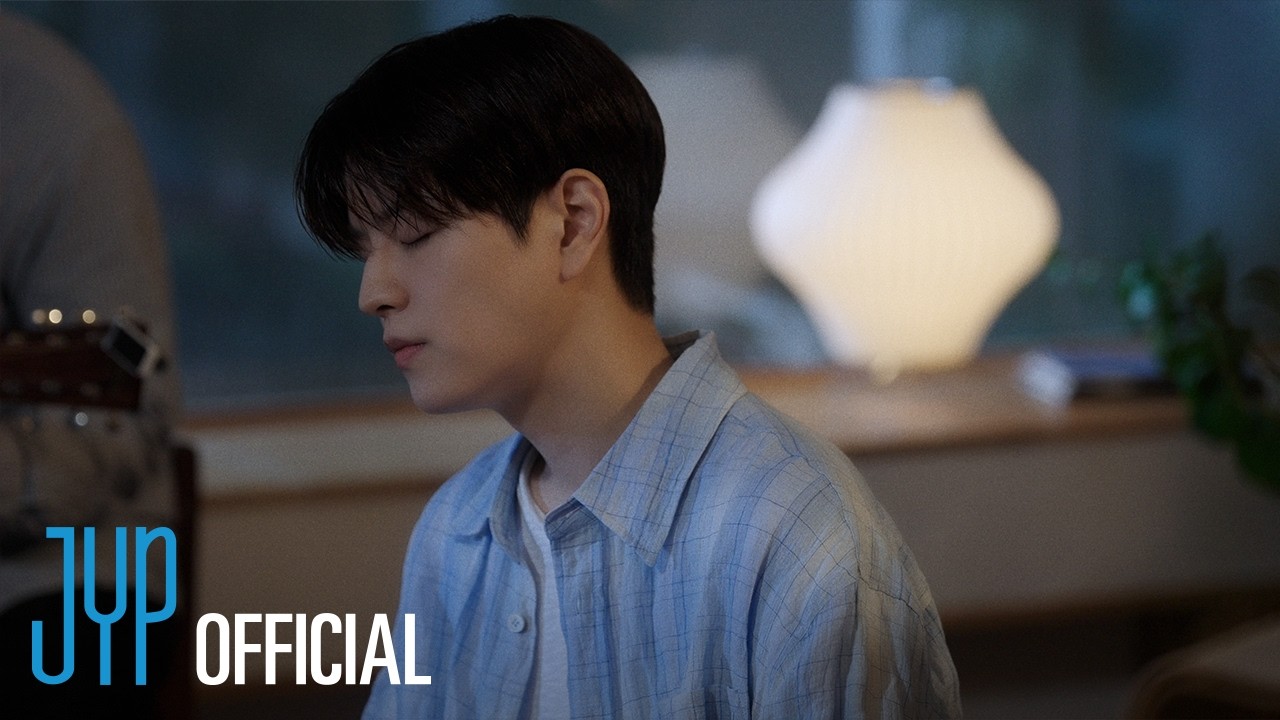
This exact upload receives its own locally stored official-video frame. Featured image, opening hero, landing card, Open Graph and Twitter use that attachment; another React does not borrow it simply because the same eight men appear.
A reader should be able to recognize different videos before reading the title. Repeated thumbnails turn an archive into a pile of duplicate-looking promises.
Release order stays honest
The React date sits two days after the official upload, not on the afternoon somebody repaired the database. That keeps newer music above older music and avoids the deeply suspicious sight of years of reviews apparently arriving before dinner.
Publication chronology is part of the editorial record. It should follow the master, not the maintenance schedule.
What changed every time I replayed it
The first watch catches impact. The second exposes the labor that made impact look casual: breath before a line, a glance that cues a cut, an arm already moving to clear the next formation and a harmony entering quietly enough to feel inevitable.
That is why these pages go longer than a reaction caption. The interesting part begins after “I liked it.”
The fandom does not need babying
Liking Stray Kids does not require calling every choice perfect. The group can survive a complaint about an edit, a lyric or a repeated production habit. In fact, artists with this much authorship deserve criticism that assumes they made choices worth examining.
Praise lands harder when it names the work. So does disagreement.
One more replay
Listen for the rain and guitar before any lyric, then mark each detail that names a physical object or sensation instead of announcing an emotion.
Then mute the video and watch the blocking alone. If the emotional turn still reads through distance, posture and cutting, the visual has done more than decorate a good track.
Listen below the headline sound
Ignore the loudest hook in “Back Then” and follow bass, breath, backing voices and the silence immediately before a cut. Those quieter decisions explain why the obvious moment lands.
Production is not only what gets added. Space, removal and the timing of return are authored choices too.
Watch the handoff, not only the center
Choose one transition between members and watch the person leaving center as carefully as the person entering it. Travel, eye line and recovery keep the group performance continuous.
A clean handoff is shared labor. The camera should preserve both halves instead of treating one performer as disposable scenery.
What the frame refuses to explain
List the details the video leaves unresolved and separate productive ambiguity from missing information. “Back Then” does not need a lore lecture, but its unanswered images should still create pressure or relationship.
Mystery earns attention when the work supplies evidence. Confusion by itself is not depth.
The exact-master test
Compare this upload with another version of the same song and identify what changes beyond clothing. Camera distance, edit rhythm, performer visibility and setting can create a new argument even when the recording stays fixed.
That difference is why this page, image and date remain attached to one exact video ID.
RaeRae verdict
This is Han writing like he knows the audience has its own memories and does not need his to arrive with fireworks. “Back Then” is soft without going blank and nostalgic without pretending the past was professionally lit.
Bottom line
“Back Then” lets Stray Kids keep one quiet summer day exactly as small as it was, and that is why the memory lands so hard.