
STITCH! · ORIGINAL SERIES · EPISODE 22 · REACT
Stitch! Episode 22: Kijimunaa Expedition
The strongest person can move a rock. Kijimunaa is the one who knows whether anybody should touch it.
The episode record before courage gets confused with volunteering for danger
Episode: 22
Japanese title: キジムナー探検隊
English card title: Kijimunaa Expedition
Original Japanese broadcast: March 4, 2009
Production branch: Stitch!, first Japanese television season
Japanese voices central here: Kōichi Yamadera as Stitch and Motoko Kumai as Yuna Kamihara
Where to watch: Check the official Disney+ catalog available in your country and verify the Japanese production title because its streaming order may differ.
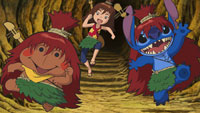
Obaa’s shoulder pain leads Yuna and Stitch to seek a legendary medicinal herb hidden inside the unmapped Twin Holes cave. Kijimunaa is the only guide who knows the route. He is frightened but agrees to lead the expedition. Once the group reaches the cave, traps repeatedly block their progress and turn the healing errand into a dangerous test of judgment. The smallest and most visibly afraid member carries the knowledge everybody else needs.
My first reaction: Kijimunaa is brave before the first trap appears
Courage begins when he names fear and still makes a considered choice to help. It does not begin after he stops trembling, becomes physically powerful, or imitates Stitch. Kijimunaa understands enough about the cave to know that anxiety is reasonable. The confident characters may look heroic because they move quickly. His hesitation contains information the group would be foolish to ignore.
Stories often reward fearful characters only after fear disappears. That teaches children that bravery is a personality transplant. Episode 22 has a better option. Kijimunaa can remain cautious, request pauses, warn the others, and lead through knowledge rather than force. Fear can sharpen attention. A guide who notices danger protects the group more effectively than an adventurer who mistakes confidence for evidence.
Local knowledge is expertise even when it arrives in a small voice
Kijimunaa knows the location no map records. That makes him the expedition’s central expert. Stitch may lift obstacles and Yuna may organize the purpose, but neither can replace the guide’s relationship to the land. The group should treat his directions as knowledge, not adorable superstition that becomes credible only after a trap proves him right.
Expertise does not require perfect certainty. Kijimunaa may remember routes incompletely, fear areas he has never entered, or know stories rather than measurements. Those limits should be discussed without disrespect. A responsible expedition combines local knowledge, observation, preparation, and willingness to turn back. The person closest to the place deserves authority inside that process.
Obaa’s pain creates urgency without creating permission for recklessness
Wanting to ease Obaa’s shoulder pain is loving. It can also make Yuna impatient with risk because every delay feels like allowing somebody she loves to suffer. The herb becomes a moral object: if it can help, refusing danger may look selfish. That pressure is unfair to Kijimunaa and to Yuna herself. Children are not obligated to enter an unmapped, trapped cave because an adult hurts.
The group should ask ordinary questions before the heroic ones. Has Obaa seen a medical professional? Are there safer treatments? Does the herb’s use have known preparation, dosage, or contraindications? Who set the traps, and do they indicate that the plant should not be taken? Adventure logic compresses those questions. A careful story can preserve excitement while acknowledging that good intentions do not turn an unknown remedy into safe care.
The herb belongs to an ecosystem before it becomes a quest reward
Legendary plants in adventure stories wait like prizes for the worthy. Real medicinal knowledge depends on habitat, season, preparation, and sustainable harvest. Removing the only specimen could harm the cave ecosystem or the communities that rely on it. Yuna’s love for Obaa should include respect for the source of the remedy.
Kijimunaa may know whether the group should take a leaf, root, seed, or nothing at all. He may know a ritual or boundary expressing ecological responsibility. The episode gains depth when success means obtaining enough without claiming ownership. Healing taken from a place creates obligations toward that place.
Traps are messages about consent and history
A trap-filled cave is rarely neutral. Somebody built or maintained the defenses, or the cave’s natural hazards have been interpreted as intentional tests. Either possibility should slow the group down. The obstacles may protect the herb, a sacred site, vulnerable creatures, or people who do not want visitors. “We need it” is not sufficient permission to cross every boundary.
Adventure stories encourage viewers to treat traps as puzzles proving the hero deserves access. Solving a mechanism demonstrates skill, not entitlement. The group should ask what each barrier communicates. If Kijimunaa’s knowledge includes warnings about who may enter and why, those warnings matter as much as the route. Respect may require leaving even after traveling far.
Stitch’s strength is useful only when he listens
Stitch can break doors, catch falling rocks, and pull friends out of danger. Those abilities may save the expedition. They may also activate traps, damage the cave, or convince him that every barrier is a force problem. Kijimunaa’s guidance becomes the ethical control on physical power. Strength needs direction from the person who understands what should remain untouched.
Listening can be difficult for Stitch because action feels like care. When Obaa hurts, standing still may feel intolerable. The episode can teach him that restraint is active responsibility. Waiting for Kijimunaa to inspect a path, lowering his voice, and accepting a retreat can protect Obaa’s family as surely as lifting a boulder.
Yuna must avoid turning Kijimunaa’s fear into a debt
Yuna knows he is the only guide. That dependency creates power even though she is his friend. She may praise his courage, remind him about Obaa, or say the group cannot succeed without him. Every statement can be true and still pressure him toward consent he does not feel free to withdraw. A guide must be allowed to stop the expedition without becoming responsible for the untreated pain.
The cleanest support is specific: ask what he needs, establish a signal for retreat, let him set the pace, and repeat that changing his mind will be respected. Courage becomes meaningful when refusal remains possible. If everyone celebrates only the choice that serves their goal, they are rewarding compliance rather than bravery.
Fear spreads information across the group
Kijimunaa’s anxiety can tell the others when a passage differs from memory, when silence feels wrong, or when a trap resembles an old warning. Yuna’s concern for Obaa can signal when urgency is distorting judgment. Stitch’s frustration can reveal that the group has reached the limit of improvisation. Emotions are not perfect facts, but they are data about needs and conditions.
A competent team names those signals instead of demanding a brave face. They can pause, compare observations, and choose deliberately. The cave becomes safer when nobody has to hide fear to prove usefulness. Kijimunaa’s leadership can establish that culture because he begins as the person most honest about risk.
The expedition should not measure worth through pain tolerance
Trap sequences often reward whoever keeps moving after injury. That model turns endurance into morality and stopping into failure. A body has limits. Pain can warn about damage. Children and small supernatural beings do not owe the mission escalating sacrifice. The herb intended to relieve suffering should not require the group to dismiss their own.
Success may involve retreating, finding equipment, bringing an experienced adult, or returning under safer conditions. Those choices feel less dramatic but demonstrate better care. Obaa would likely value Yuna’s safety above a legendary remedy. Love should not demand that a child gamble the future to reduce an adult’s present discomfort.
Obaa’s role matters even when she remains outside the cave
The quest is organized around assumptions about what Obaa wants. Did anyone ask her? She may know the herb, the cave, and the reasons nobody mapped it. She may prefer rest, ordinary treatment, or simply help with tasks while her shoulder heals. Turning her pain into a secret mission can remove her agency from her own care.
Obaa also represents intergenerational knowledge. The children should not assume Kijimunaa alone holds the island’s memory. A conversation between them could clarify safe harvest, family history, and whether the legend has been misunderstood. Elders deserve more than becoming the reason young heroes leave home.
Kijimunaa does not need a transformation into fearless masculinity
The character’s softness and fear can attract jokes that code bravery as becoming tougher, louder, or more like Stitch. I reject that destination. Kijimunaa’s value lies in sensitivity, knowledge, and willingness to act carefully. He can grow more confident without abandoning the traits that make him a good guide.
A courageous ending might show him giving a firm order while scared, admitting a route is unsafe, or asking Stitch for physical help without shame. Leadership does not require dominance. The expedition succeeds because different capacities cooperate. Making every hero resemble the strongest one would erase the reason a team was necessary.
The person with local knowledge should receive more than a thank-you
Expeditions have a habit of turning guides into supporting characters inside somebody else’s achievement. The outsider reaches the destination, collects the object, and becomes the hero, while the person who knew the route receives a brief compliment. Episode 22 should resist that pattern. Kijimunaa does not merely accompany Yuna and Stitch. His knowledge makes every safe decision possible. The result belongs to his leadership as much as their endurance.
Credit also includes authority over how the story is told afterward. If the cave’s location should remain private, Yuna and Stitch should protect it. If Kijimunaa wants people to know what happened, they should describe his fear honestly without using it to make their own courage look larger. Respect continues after the group leaves the cave. Knowledge is not a resource friends can extract and then circulate without the guide.
Obaa’s shoulder pain deserves a care plan beyond one legendary plant
The herb may help, but recurring pain rarely becomes meaningful only when it generates an adventure. Obaa carries responsibilities, household labor, memory, and care for Yuna. Her body has been doing work long before the episode notices the shoulder. A thoughtful ending would ask what tasks can be shared, whether rest is possible, and how the family can respond if the pain returns. Relief should not depend on children repeatedly entering danger.
That ongoing attention changes the meaning of the quest. Bringing home the herb becomes one contribution inside a larger network of care. Stitch can help lift heavy objects. Yuna can notice when Obaa minimizes discomfort. Adults can seek reliable medical advice and preserve any local knowledge about preparation. The family shows love by building support around her life, not by waiting for pain to become dramatic enough to justify a rescue.
What the episode gets right
Episode 22 gives Kijimunaa indispensable narrative authority. The expedition cannot begin through Stitch’s strength or Yuna’s determination alone. The fearful guide knows the place. That setup challenges the assumption that confidence and competence always appear together. It also allows the cave’s traps to validate preparation rather than random bravery.
The medicinal-herb motive connects adventure to family care. Obaa’s pain makes the route emotionally legible, and the unmapped cave expands Izayoi beyond familiar village spaces. The episode can show that island knowledge lives in relationships among people, yōkai, elders, and landscapes rather than inside a single official map.
What I wanted pushed further
I wanted the story to ask who placed the traps and who has authority over the herb. Without that question, the cave risks becoming a game board built for visiting heroes. Giving the defenses history would make Kijimunaa’s expertise cultural rather than merely directional. He would guide the group through obligations as well as tunnels.
I also wanted Obaa involved in the final decision about treatment. The children can bring knowledge or a carefully harvested amount, but she should choose whether to use it. A cure plot becomes more respectful when the person in pain remains a participant instead of a grateful endpoint.
The receipt I am keeping
Kijimunaa walks into the cave while afraid because somebody he cares about may benefit and because the group needs knowledge only he carries. That is courage without performance. He does not become fearless. He becomes responsible for what he knows and honest about what he does not.
My receipt stays with the team’s obligation to follow his lead. Stitch may be stronger and Yuna may be more determined, but the guide controls the route. Respect becomes visible when powerful people slow down, listen, and accept that the smallest voice can say the expedition ends here.
Final verdict
“Kijimunaa Expedition” works when the cave tests judgment instead of pain tolerance. The herb offers a loving purpose, the traps complicate entitlement, and Kijimunaa’s fear carries practical knowledge. Courage is not rushing into danger with a cleaner facial expression. It is making careful choices while the danger remains real.
The episode earns its adventure if Obaa retains agency, the cave remains more than a prize container, and Kijimunaa finishes as himself rather than a miniature imitation of Stitch. Healing should widen care, not leave injured children and damaged places behind. The best guide brings people home with their relationships intact.
Keep watching
Return to Episode 21, open the Stitch! anime hub, or continue to Episode 23: Sleeping Forest Angel when published.