
Ninja Scroll Japanese Cast
Ninja Scroll Voice Actors
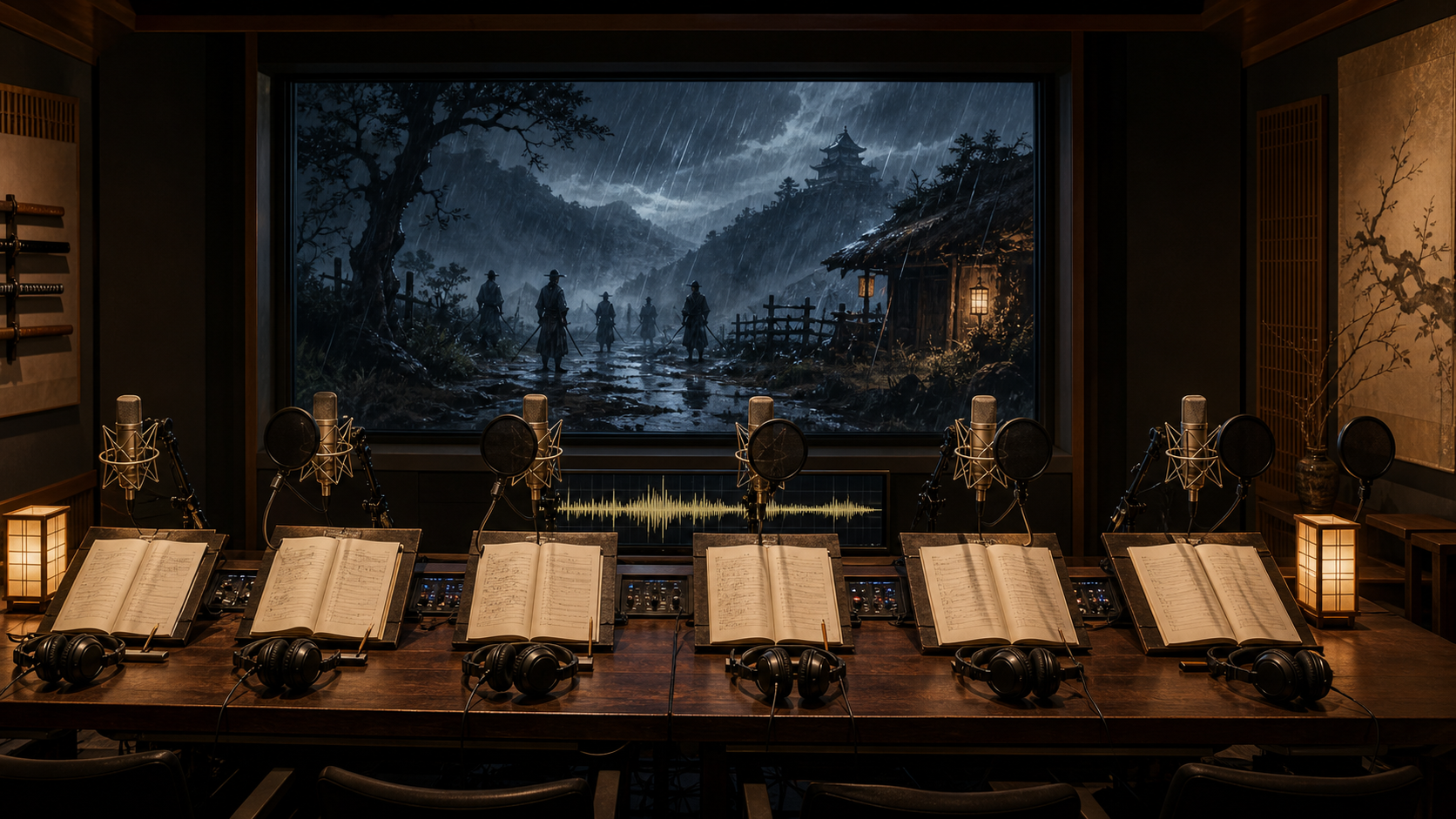
The movie depends on voices that can sound exhausted, dangerous, amused, and wounded without flattening every line into one permanent growl. This directory follows the Japanese cast behind the 1993 film and keeps the separate animated-series route clearly labeled.
The cast gives the violence a human pulse
Jubei speaks like a man who has survived enough masters to recognize another trap. Kagero carries discipline in every controlled breath, then lets the restraint crack when the movie finally allows her to want something for herself. Dakuan sounds playful because information is his weapon. Gemma sounds composed because terror works better when the person creating the crisis never appears surprised.
The performances also keep the Eight Devils from blending into one villain chorus. Size, arrogance, appetite, rivalry, and religious certainty receive different rhythms. The movie moves quickly, so vocal distinction performs work that a slower story might assign to long histories or flashbacks.
Six performances at the center of the film
Jubei Kibagami
Koichi Yamadera
Yamadera gives Jubei speed without making him sound careless. Dry humor, suspicion, and reluctant compassion can share one scene because the performance never treats toughness as emotional emptiness.
Kagero
Emi Shinohara
Shinohara protects Kagero from becoming a tragic device. Command discipline and private hurt remain audible at the same time, which makes her final choices feel like decisions rather than decoration.
Dakuan
Takeshi Aono
Aono makes intelligence sound entertaining until Dakuan’s leverage becomes impossible to ignore. The shifting tone explains why Jubei listens while never fully trusting the old spy.
Gemma Himuro
Daisuke Gori
Gori grounds supernatural regeneration in political confidence. Gemma rarely needs panic because he believes bodies, money, and loyalty will remain available to him.
Tessai
Ryuzaburo Otomo
Otomo turns physical scale into personality. Tessai’s contempt arrives before the stone skin does, letting the voice establish a fighter who believes ordinary people exist beneath him.
Yurimaru
Norio Wakamoto
Wakamoto gives Yurimaru elegance sharpened by jealousy. The performance makes private attachment part of the command problem instead of separating romance from faction politics.
Silence and breath matter as much as shouted attacks
Jubei’s Refusal
Jubei rarely delivers a speech about freedom. Resistance lives in timing, clipped answers, and the slight delay before he accepts another person’s definition of duty.
Kagero’s Control
Kagero’s calm is trained labor. Moments of softness matter because the performance establishes how much control must be surrendered before another person can hear them.
Dakuan’s Misdirection
Humor lowers the room’s guard. The performance lets information sound casual until a listener realizes Dakuan has already arranged the next decision.
The television route receives its own cast shelf
The thirteen-episode series returns Jubei and introduces Shigure, Tsubute, Rokai, the Hiruko Clan, and a new Kimon conflict. The series uses a separate Japanese cast shelf because related franchise material should never blur film and television credits. Continuity, character, and format remain explicit whenever the same franchise name covers a different production.
Return to the franchise: Open the Ninja Scroll hub for the movie, animated-series route, characters, lore, review, rants, viewing information, and restoration news.