
ARTIST PROFILE
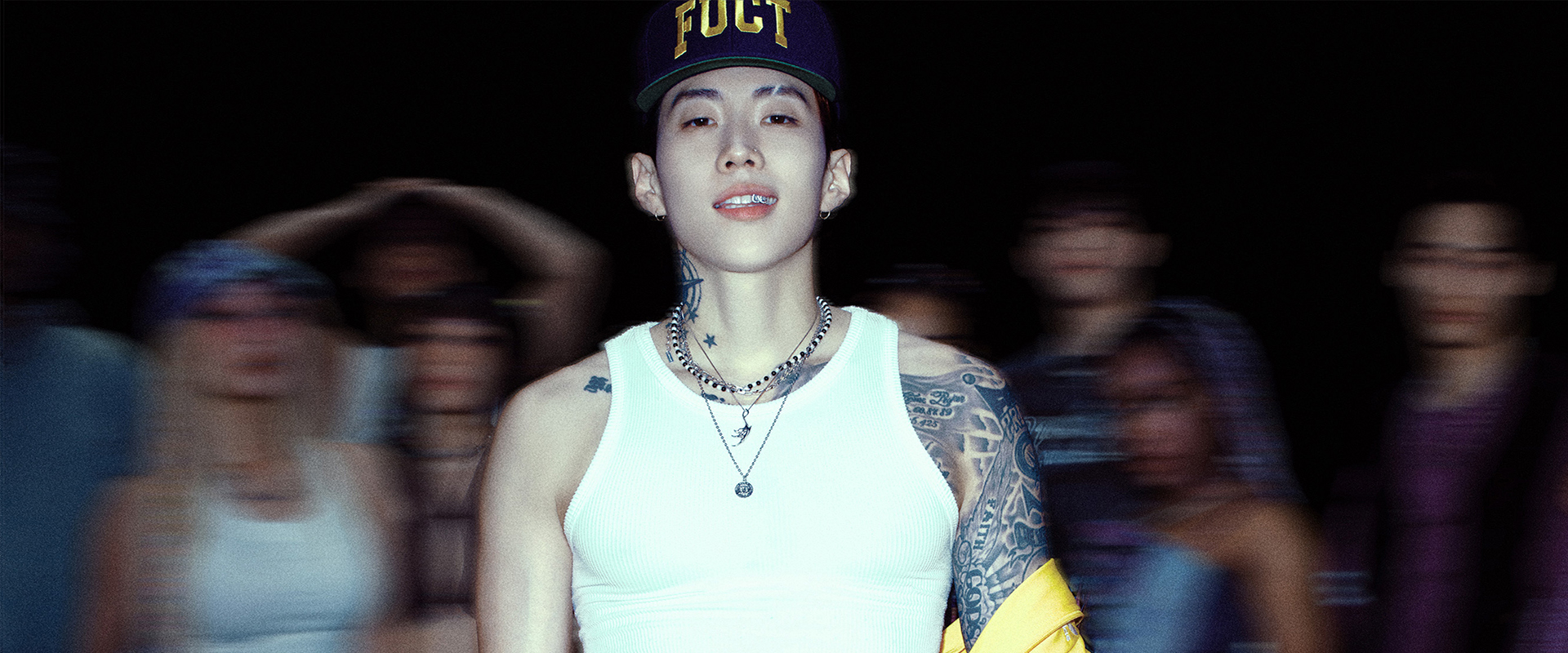
Jay Park
Singer, rapper, dancer, founder, occasional chaos merchant, and the man who turned one career-ending scandal into several companies and a very busy tattoo collection.
Official site · YouTube · Instagram · X
Quick file
Birth name Park Jae-beom
English name Jay Park
Born April 25, 1987
Birthplace Edmonds, Washington, United States
Nationality American
Heritage Korean
Roles Singer, rapper, songwriter, dancer, producer, entrepreneur
Genres Korean R&B, hip-hop, pop
Former group 2PM
Current company MORE VISION
Fandom JWalkerz
Dance crew Art of Movement
Seattle made the dancer before Seoul made the headline
Jay Park grew up in the Seattle area and started as a b-boy, not as a kid carefully assembled for idol television. He joined the Art of Movement crew, competed, learned how to hold a crowd without a giant stage package, and developed the physical confidence that still sits underneath his music.
His mother encouraged him to audition for JYP Entertainment. He moved to South Korea in 2005 with limited Korean, trained for years, and entered one of the industry’s most controlled systems after growing up in an American hip-hop and dance environment. That cultural gap matters. It explains some of the friction, some of his early awkwardness, and why his later career became so aggressively self-directed.
2PM, one year at the top, and the exit that should have ended everything
Jay debuted in 2008 as the leader of 2PM. The group’s acrobatic, masculine performance identity fit his dance background, and he became one of its most recognizable members quickly.
In 2009, old Myspace posts written during his trainee years resurfaced. Korean media and online commenters treated frustrated comments from a homesick teenager as a national insult. Jay apologized and left Korea. JYP later terminated his contract in 2010, citing a separate personal issue that was never publicly explained in detail.
That part of the biography usually gets flattened into “controversy.” The more useful truth is that he lost an idol career, returned to Seattle, uploaded a cover of “Nothin’ on You,” and discovered the audience had not disappeared with the contract.
The rebuild was not cute or accidental
Jay returned to Korea without the protection of a major idol company and rebuilt through digital releases, dance, features, live stages, and an unusually direct relationship with fans. “Nothin’ on You” led to a new contract. “Count on Me” topped Korean charts. His first mini album Take a Deeper Look sold strongly enough to turn a comeback story into an actual career.
He moved between idol pop, Korean R&B, and hip-hop without fully belonging to any single gatekeeping system. That freedom became his advantage. He could sing a soft hook, rap, body-roll through an R&B track, then show up at a b-boy event and look like the same person.
The career grew internationally too. Jay signed with Roc Nation in 2017, becoming the label’s first Asian American artist. The deal did not turn him into an American pop star overnight, but it made the bridge official.
He did not only leave companies. He built them.
Jay founded AOMG in 2013 with partners from the Korean hip-hop scene. The label became one of the most influential homes for Korean hip-hop and R&B, expanding the audience without sanding the artists into idol shapes.
He co-founded H1GHR MUSIC in 2017 with producer Cha Cha Malone, connecting Korean and Seattle artists. In 2021 he stepped down from leadership roles at both AOMG and H1GHR, then founded MORE VISION in 2022.
MORE VISION brought him back toward a mixed model: solo music, dance culture, artists such as Jessi and Chung Ha at different points, and eventually the boy group LNGSHOT. Jay is still the performer, but he is also the person making the decisions people will blame later. That is an entirely different kind of pressure.
He also launched Won Soju. Because apparently running labels, touring, recording, dancing, and arguing with the internet did not create enough paperwork.
Why he still sounds like Jay Park
His most durable lane is melodic R&B built around rhythm, breath, and physical performance. He does not need a giant vocal climax to create intimacy. He uses timing, texture, and a conversational delivery that makes even polished production feel close.
His hip-hop work is rougher and more divisive. Some listeners respect the fluency earned through years in the scene. Others hear imitation, posturing, or cultural borrowing that is not examined carefully enough. Both reactions belong in the file.
As a dancer, he remains unusually grounded. His movement comes from b-boying and groove rather than only idol choreography. The body rolls became a joke because the man kept providing evidence.
The complicated file cannot be deleted because the songs are good
Jay Park has repeatedly drawn criticism for lyrics and imagery involving Black and Muslim cultures. The 2021 “DNA Remix” video prompted backlash over hairstyles and presentation. He removed the original video and issued an apology, but critics questioned whether the response showed full understanding or damage control.
Lyrics using religious language, including “worship me like Allah,” angered Muslim listeners. Online discussions often mix his actual lyrics with lines performed by other artists on large collaboration tracks, so receipts matter. The confirmed criticism is serious enough without attaching somebody else’s words to him.
He has also been criticized for misogynistic lyrics, uneven live effort, and a public persona that can slide from charmingly unserious into exhausting. This page is not a court sentencing or a fan-defense bunker. He is influential, talented, funny, messy, and responsible for the work carrying his name.
Music trail
- Early solo reset: “Count on Me,” “Abandoned,” “Know Your Name”
- R&B essentials: “All I Wanna Do,” “Drive,” “Solo,” “Joah”
- Hip-hop catalog: Worldwide, “Mommae,” “The Purge,” “GANADARA”
- Long-form R&B: Everything You Wanted, The Road Less Traveled, The One You Wanted
- 2025 single: “Remedy”
RaeRae’s take
Jay Park is annoying to summarize because every simple version is wrong. “Former idol” ignores the labels. “Korean rapper” ignores the R&B career and Seattle. “CEO” ignores the fact that he will still remove his shirt before the meeting agenda loads.
I do not need to pretend every lyric aged well to admit the career is ridiculous. He was pushed out of one of Korea’s biggest groups, returned without the machine, built several new machines, and kept dancing long enough for multiple generations of idols to cite him.
He is not clean. He is not boring. Most importantly for this site, there are receipts for both.
Sources and official trail
RaeRae Reacts
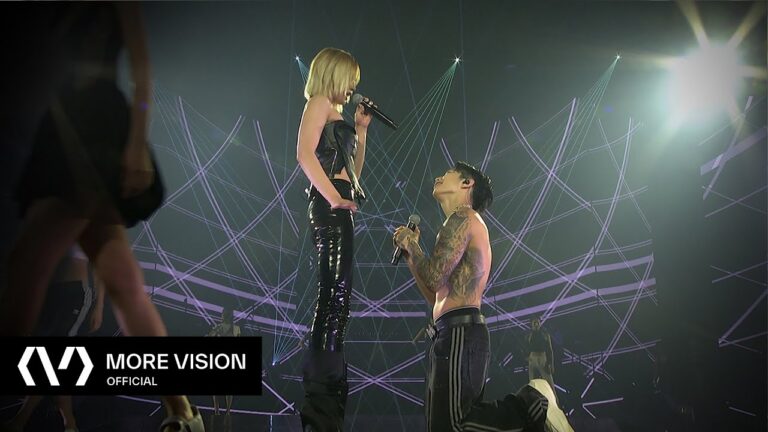
Gimme A Minute: Jay Park and CHUNG HA Turned Flirtation Into a Timing Drill — exact playlist upload UUjLMDHlnGg.
React image cards
Static cards route each exact official upload to its own in-depth React. Every card repeats that React’s featured and hero image so the archive stays visually traceable.
React image card
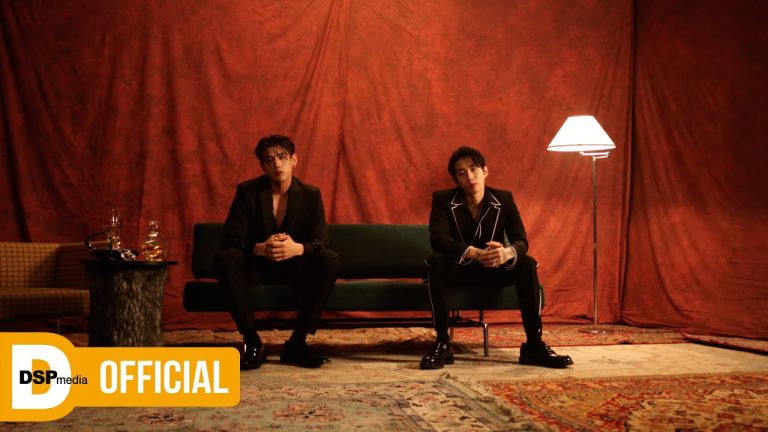
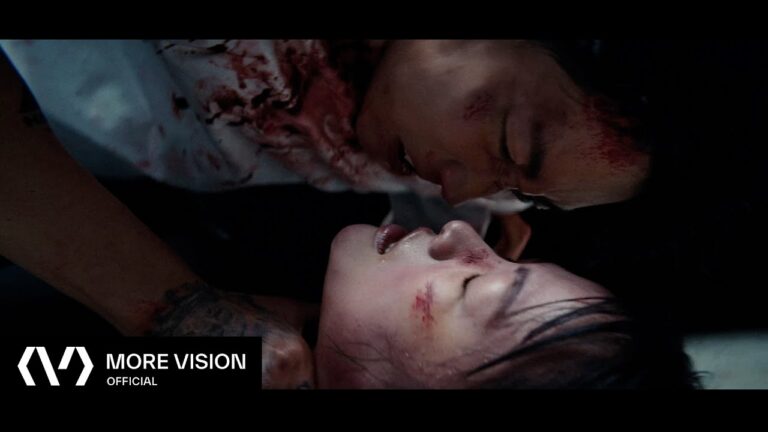
Nectar MV React: BM and Jay Park Made Seduction a Two-Man Quality-Control Meeting
Exact official-video React · Read the deep dive
Keep It Sexy live clip exact-video tracker update
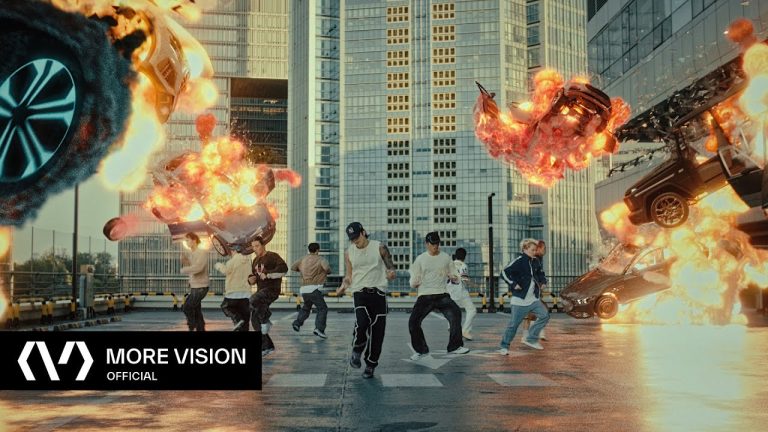
Jay Park keeps the MOMMAE sequel self-aware enough to survive its own title, then leaves room for SOMI to change who holds the joke. Exact official video dUdU_152qCU: read the RaeRae React.