
Mulan Is Not the Only Chinese Woman Worth Knowing

Fu Hao, Ban Zhao, Wu Zetian, Princess Pingyang, Li Qingzhao, Qin Liangyu, and Qiu Jin open a Chinese women’s history far larger than one familiar heroine.
Qi Is Not Mulan’s Superpower Battery: What Chi Means Beyond Disney

A deep guide to qi as breath, material force, cultivation, body, and world, and why Mulan (2020) shrank that cultural field into a gender-policed combat gift.
The Ballad of Mulan: What the Poem Says and Disney Changed

The Mulan poem before the princess: its northern political world, family duty, gender disguise, uncertain history, long adaptation life, and what Disney changed.
Beauty and the Beast Music, Motifs, and Easter Eggs

A deep rewatch guide to musical reprises, doors, roses, mirrors, object animation, production details, visual rhymes, adaptation echoes, and Easter eggs.
The Enchanted Household Field Guide
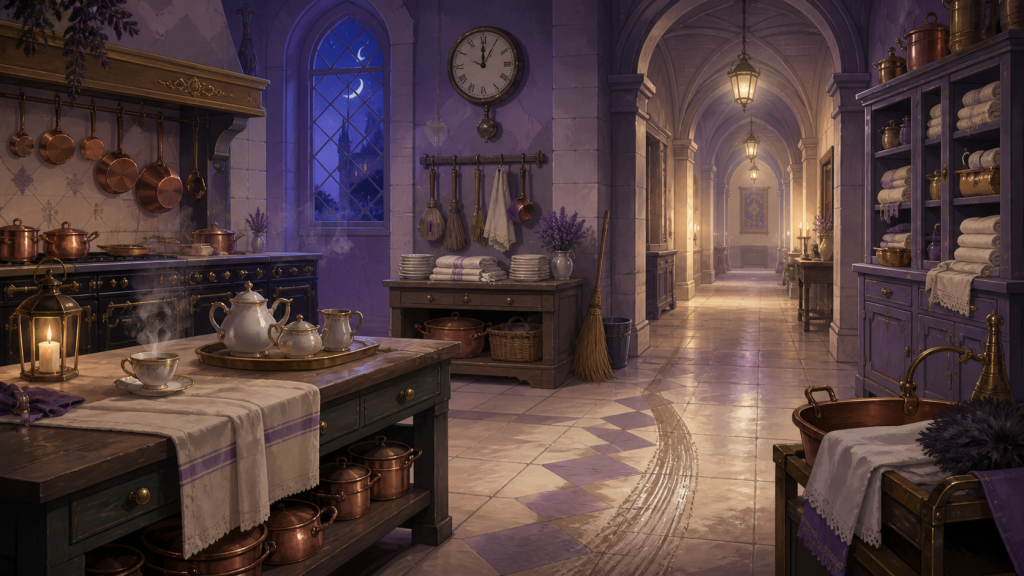
A deep guide to every major enchanted servant, object form, ability, vulnerability, relationship, continuity change, and labor symbol in Beauty and the Beast.
Beauty and the Beast Adaptation Guide: From Villeneuve to Disney and Beyond
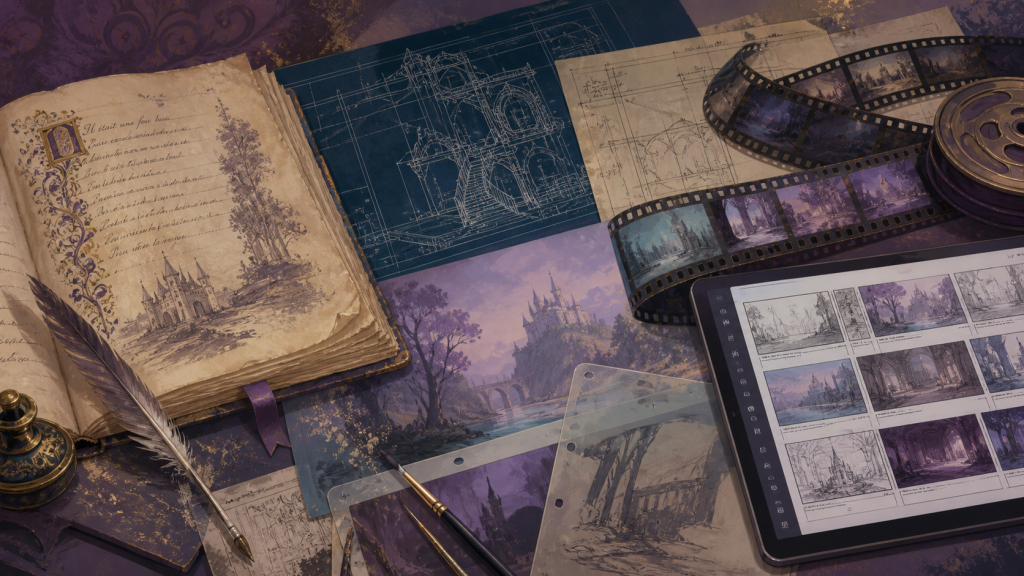
A deep map of Beauty and the Beast from Villeneuve and Beaumont through Cocteau, Disney animation, Broadway, French cinema, and live action.
Toy Story Easter Eggs That Actually Matter, Plus the Pixar Craft Hiding Behind Them

A source-conscious Toy Story Easter-egg and production guide covering Pizza Planet, cloud wallpaper, colorscripts, duplicate Buzz figures, landfill research, antique-store dust, and Toy Story 5’s pastel pipeline.
How Do Toy Story Toys Come Alive, and Why Does a Name Written on a Foot Matter So Much?
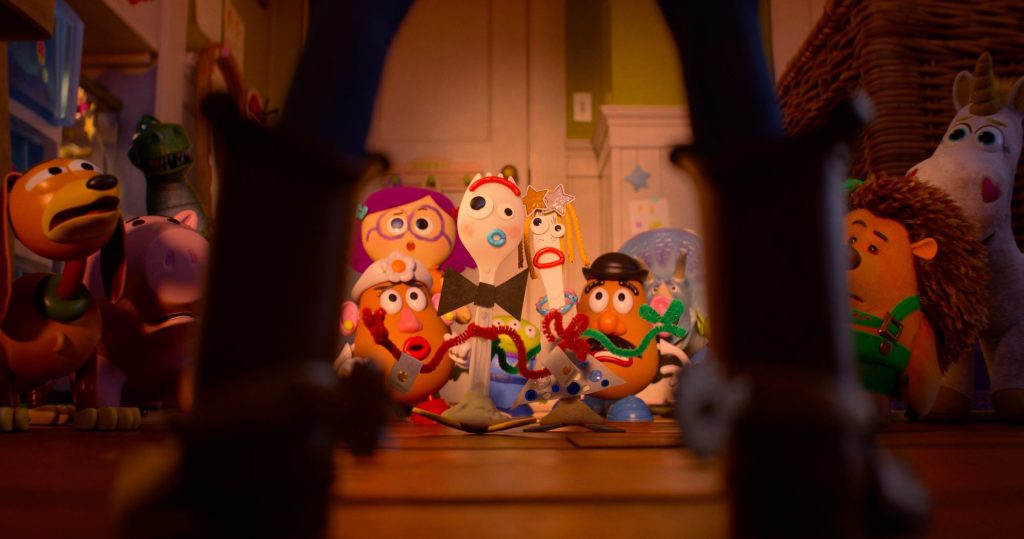
A deep guide to Toy Story consciousness, handmade toys, ownership, written names, damage, batteries, duplicate bodies, secrecy, and the franchise’s unwritten rules.
The Complete Toy Story Viewing Order Without Turning Movie Night Into Homework
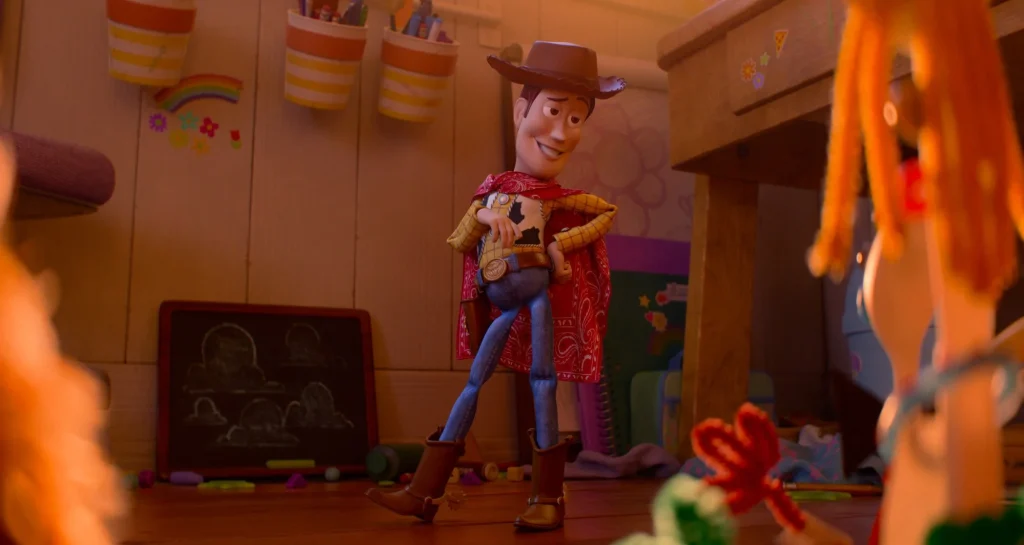
The complete Toy Story viewing order for all five films, Toy Story Toons, television specials, Forky Asks a Question, Lamp Life, Lightyear, and optional branches.
The Little Mermaid Before Disney: Andersen, the Eternal Soul, and the Ending Everybody Misremembers

Hans Christian Andersen’s mermaid wants the prince, but she also wants an immortal soul. Disney changes the body, the bargain, the family, the villain, and the meaning of the ending.
How The Little Mermaid Sings Its Story: Howard Ashman, Alan Menken, and the Disney Musical Blueprint

The soundtrack is not a break from the plot. “Part of Your World,” “Under the Sea,” “Poor Unfortunate Souls,” and “Kiss the Girl” define competing ideas about who Ariel should become.
Is The Little Mermaid (2023) Animation? Dry-for-Wet, Digital Creatures, and the Labor Behind the Hybrid
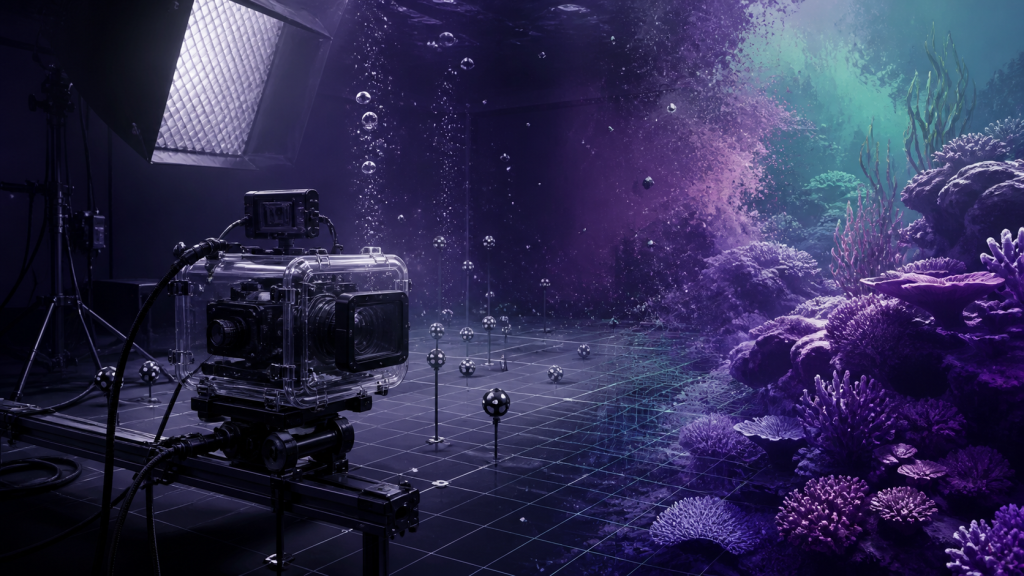
Actors performed on rigs, but artists built the water, movement, creatures, hair, environments, transformations, and much of the world audiences were told was live action.
Frozen Magic Explained: Elsa, Ahtohallan, the Four Spirits, and the Fifth Spirit Problem

A lore guide to Elsa’s ice, Ahtohallan, Gale, Bruni, the Nokk, the earth giants, and the unresolved question of what “Fifth Spirit” actually requires.
Frozen, Norway, and Sámi Influence: What Arendelle Borrows and What the Movies Leave Unnamed

Frozen builds Arendelle from Norwegian landscapes, architecture, rosemaling, clothing, and Sámi-inspired material. This guide separates credited research from fantasy shorthand.
Frozen Watch Order: Movies, Shorts, Specials, and What Actually Adds to the Story

A practical Frozen watch order covering the two released features, story-bearing shorts and specials, Olaf side projects, and the confirmed road to Frozen 3.
Adaptation 101: You Finished the Anime, Where Do You Start Reading?

Not volume one, usually. A five minute method for finding your own jumping-on point that works for any adapted series, why you should deliberately start one volume earlier than you need to, and four traps on the way.
Light Novels 101: What a Light Novel Actually Is
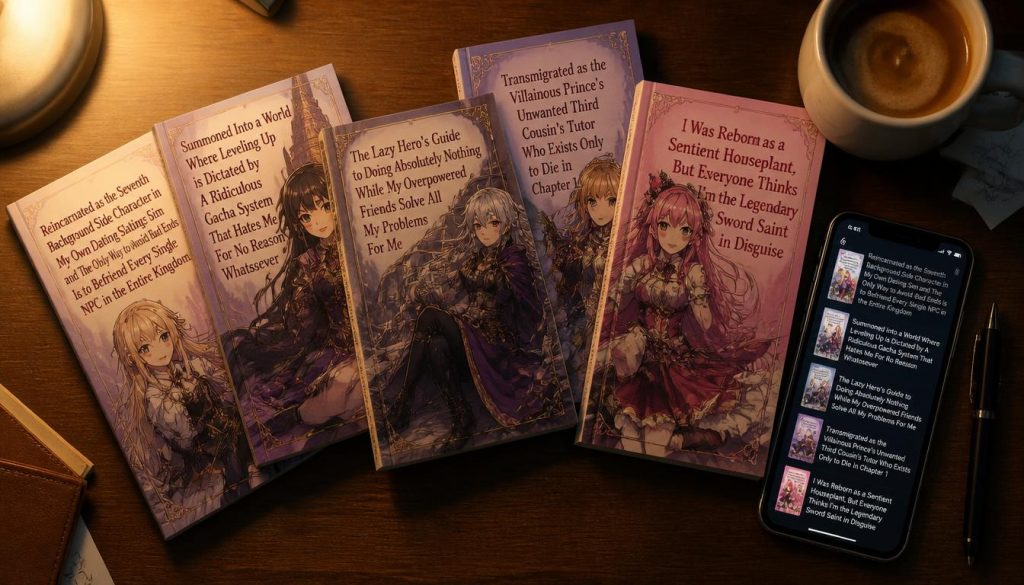
Not a novel that is light. A publishing format with its own economics, its own credits page and its own reasons for those absurd titles. Why the illustrator is a co-author, why volumes are chapters, and what the translator decides on your behalf.
The Bathhouse: Contracts, Departments, Customers and Power

A practical guide to how Yubaba’s bathhouse recruits, assigns, disciplines and rewards labor while turning spiritual cleansing into a luxury service.
Food, Hunger and the Economics of Appetite
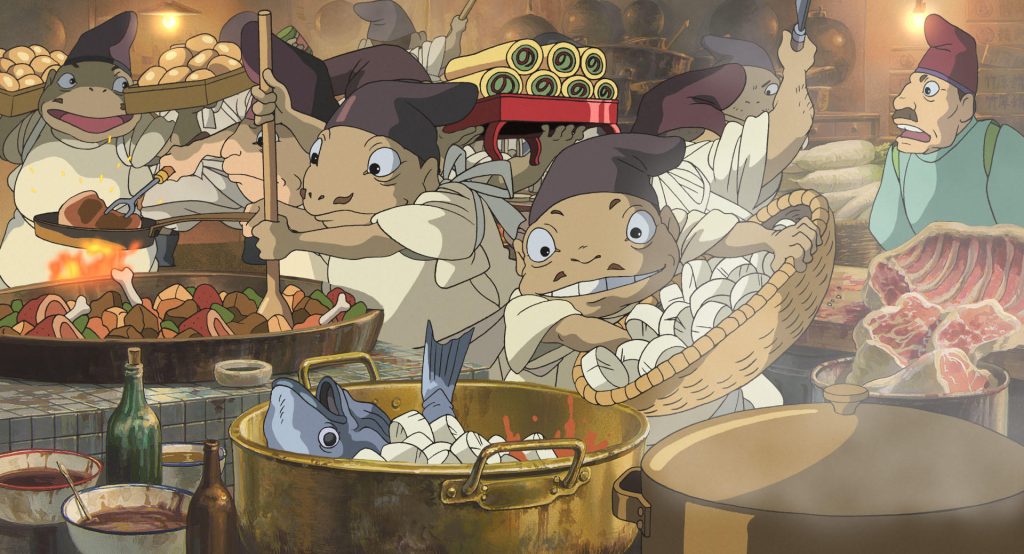
From the parents’ feast to No-Face’s binge, food reveals who takes without permission, who feeds another person, and when consumption becomes a substitute for relationship.
The Sea Railway: Memory, Distance and Leaving

The one-way train across flooded land changes the film’s rhythm, turning rescue into a journey through memory, distance and the quiet knowledge that some departures cannot be reversed.
How My Neighbor Totoro Uses a Child’s Eye Level

Doors, stairs, grass, shadows, and adult distance change when the camera respects the physical scale of a child. This guide maps how Totoro builds emotion from height and space.
Rain, Waiting, and Sound in My Neighbor Totoro
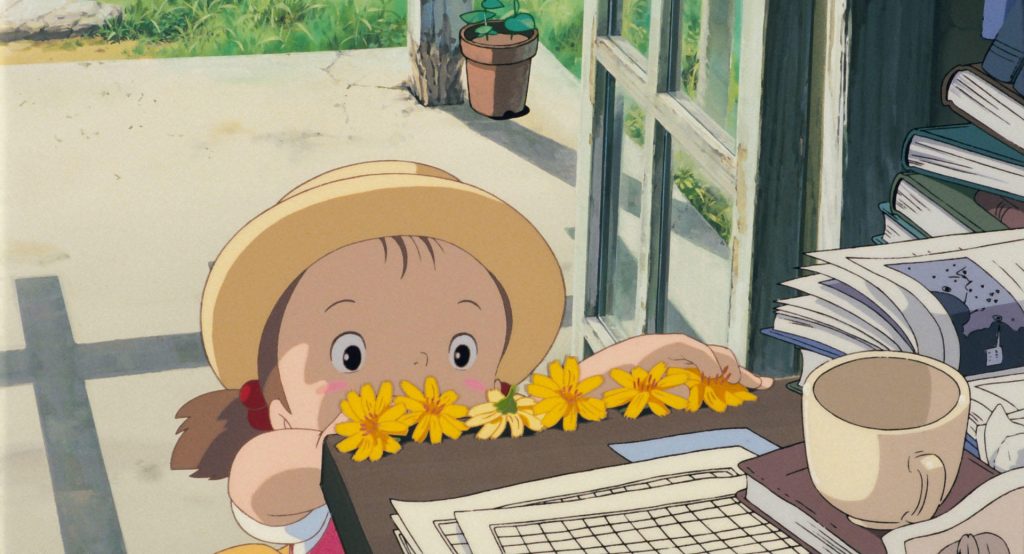
The bus-stop sequence is famous for Totoro, but its emotional force comes from waiting, rain, tiny sounds, and Satsuki holding more than an umbrella.
Why Akira Is About 1945 and 1988 at Once
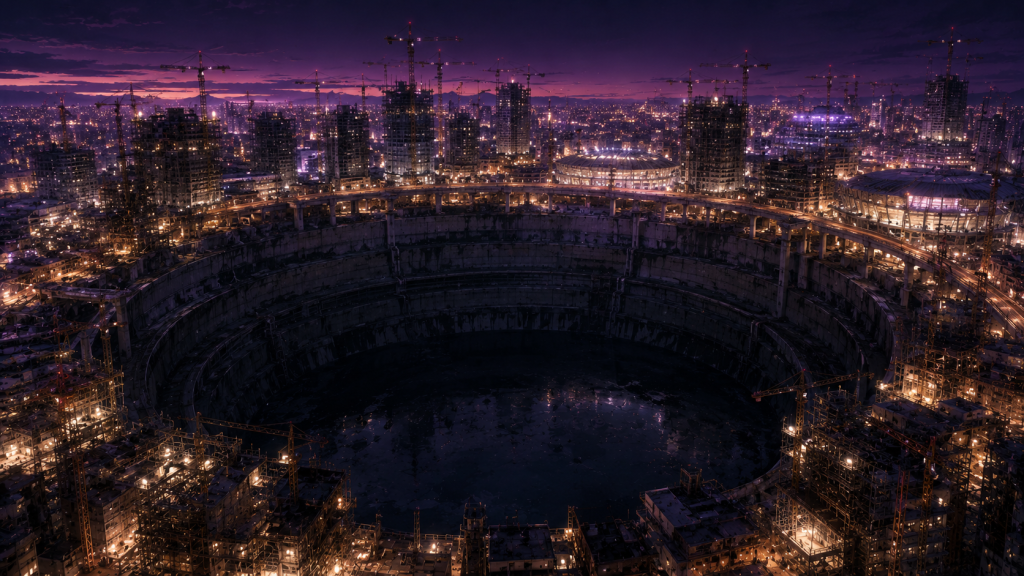
Akira opens with a city erased by white light, then jumps thirty-one years to a society rebuilt on the crater by the institutions that caused it. Otomo drew that story through the peak of Japan’s bubble economy and released the film in 1988, roughly two years before the money stopped. Both halves are load-bearing.
Akira Manga and Film Compared: What the Movie Left Out
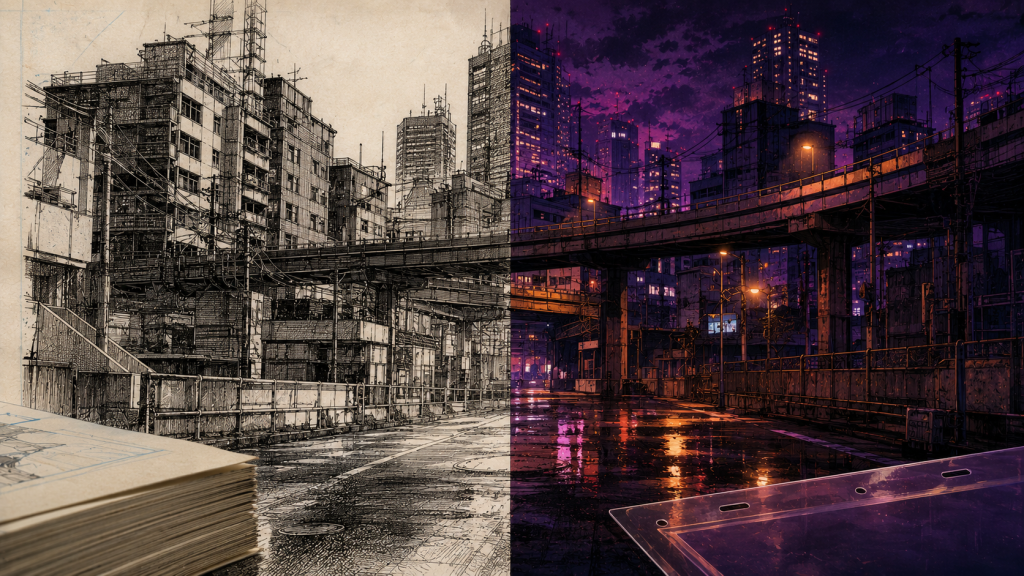
Katsuhiro Otomo published the Akira manga across six volumes from 1982 to 1990. The film arrived in 1988, two years before the story finished, so Otomo adapted roughly the first third of his own unfinished work and wrote a different ending for the screen. Here is what the manga has that the movie could never fit.
Everything Akira Touched: The Influence Trail, Verified
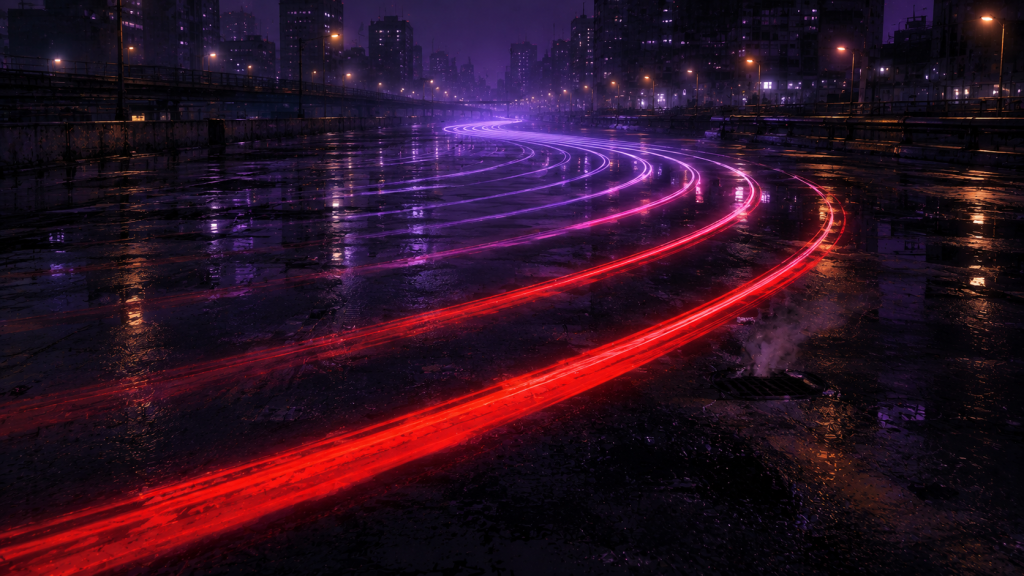
Kanye West restaged the hospital sequence in a music video. The Duffer brothers named Otomo as a direct influence on Stranger Things. Kaneda’s bike appears in Ready Player One and Cyberpunk 2077 ships a copy of it. Here is the documented trail, separated from the things fans merely assume.
Akira’s Score Explained: Geinoh Yamashirogumi and 200 Amateurs
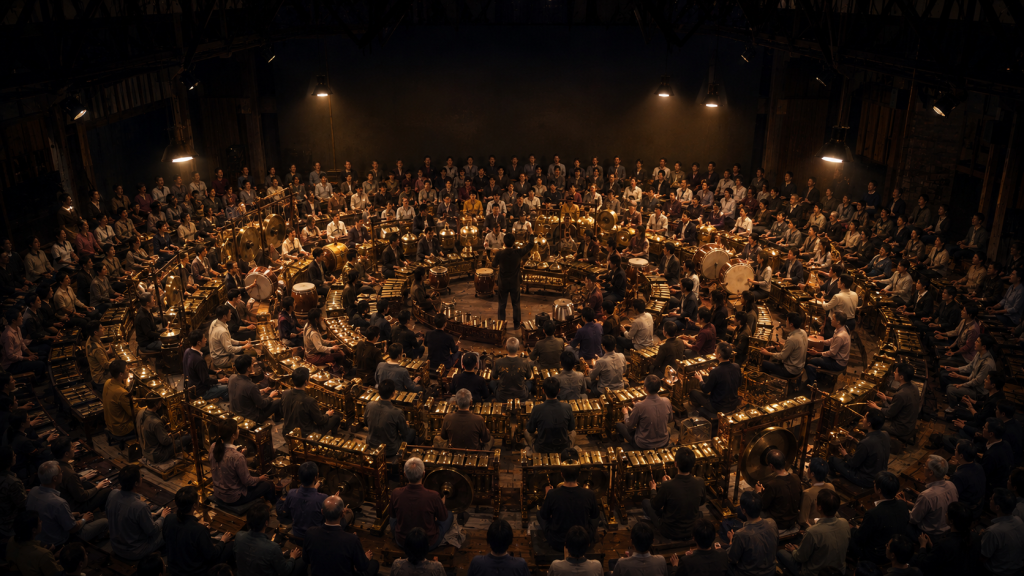
The most recognizable score in anime was performed by Geinoh Yamashirogumi, a collective of several hundred people who mostly held day jobs in science, business and education. They used Balinese gamelan, Noh voice, Buddhist shomyo chant and Tibetan percussion, and Shoji Yamashiro wrote the main pieces without seeing any footage.
Akira’s Animation Explained: 160,000 Cels and 327 Colors
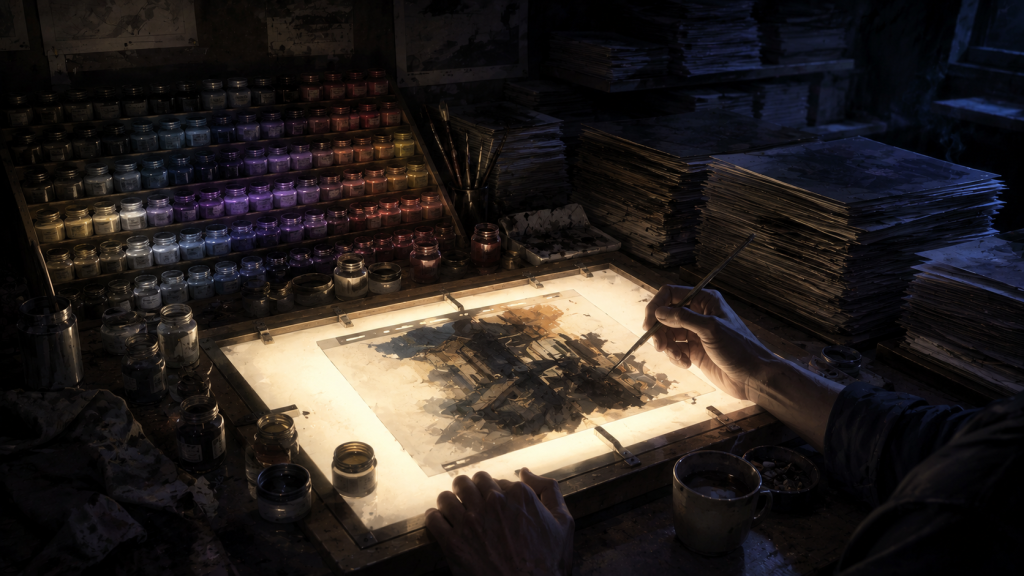
More than 160,000 hand-painted cels, a palette of 327 colors, a budget near 1.1 billion yen, and dialogue recorded before the animation existed. Akira held the record for the most expensive Japanese animated film until Spirited Away. Here is what those numbers actually bought.
The Numbers Explained: Kiyoko, Takashi, Masaru and Akira
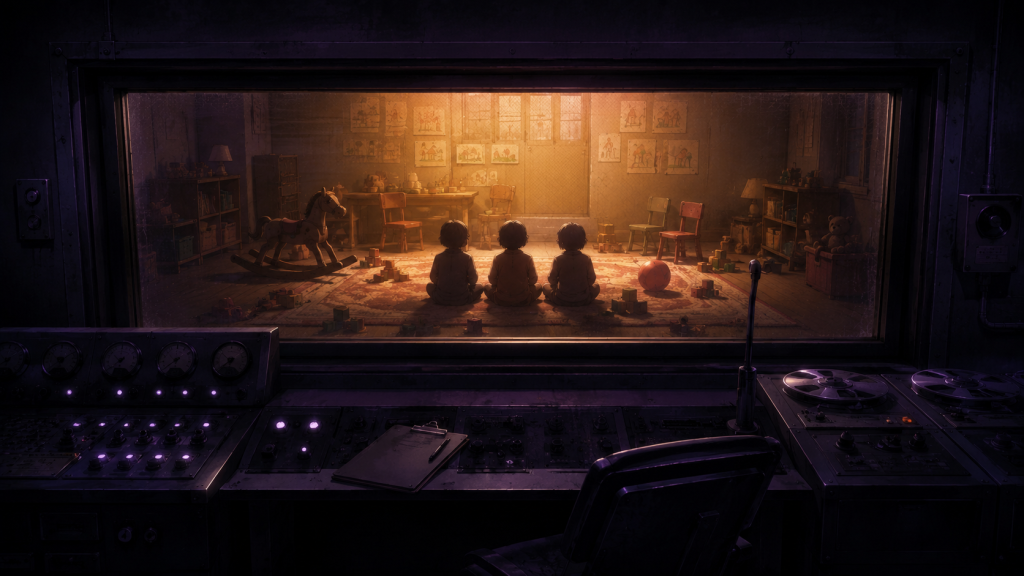
Kiyoko, Takashi and Masaru are numbered 25, 26 and 27. Akira is 28. They are the children the state took, tested, and kept, and they are the evidence for every argument the film makes about power. Here is what the program was, what it did to them, and why the playroom is the most disturbing set in the movie.
Akira’s 2019 and the Olympic Countdown Explained
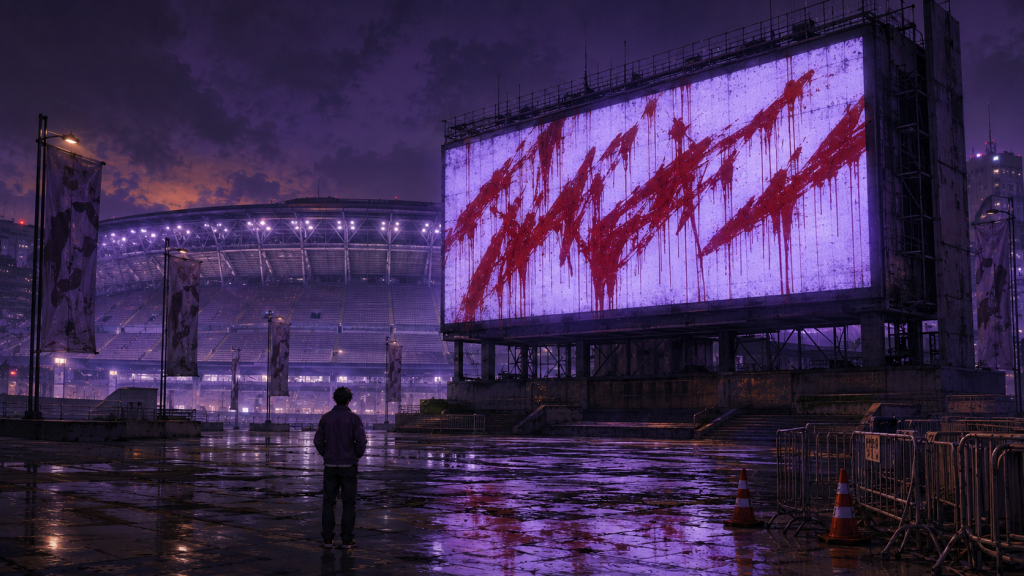
Akira is set in 2019 and puts an Olympic countdown board in the background with protest graffiti across it. Tokyo really did win 2020, the Games really were postponed, and on the exact day the film’s counter would have read 147, the graffiti trended on Japanese Twitter. Here is what actually happened and what people made up afterward.
Akira’s Bosozoku Explained: The Real Gangs Behind the Capsules
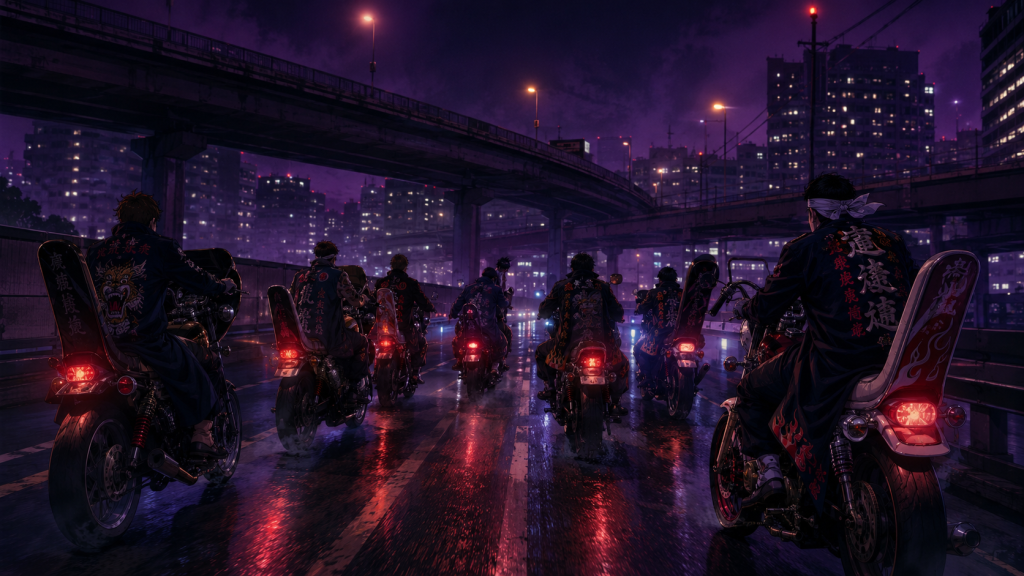
Bosozoku were real Japanese motorcycle gangs, mostly boys aged 17 to 20, who ran modified bikes through Tokyo at night in embroidered tokko-fuku coats. Katsuhiro Otomo lived where he could watch them, and then he drew them. The Capsules are documentary before they are science fiction.