
RAERAE REACTS · BLACKPINK · EXACT OFFICIAL MV
Lovesick Girls Japanese MV React: BLACKPINK Changed the Language but Kept the Bruises in Frame
The Japanese “Lovesick Girls” does not arrive as a chopped debut commercial. It keeps the full broken-car, neon motel, paint-splattered room, field and group-performance arc while replacing the vocal route. That continuity raises a harder question than the 2017 recuts: can a new language inhabit an exact visual narrative about heartbreak without making the women appear to mouth somebody else’s pain? Mostly yes—because bruises, rage and friendship communicate before perfect synchronization does.
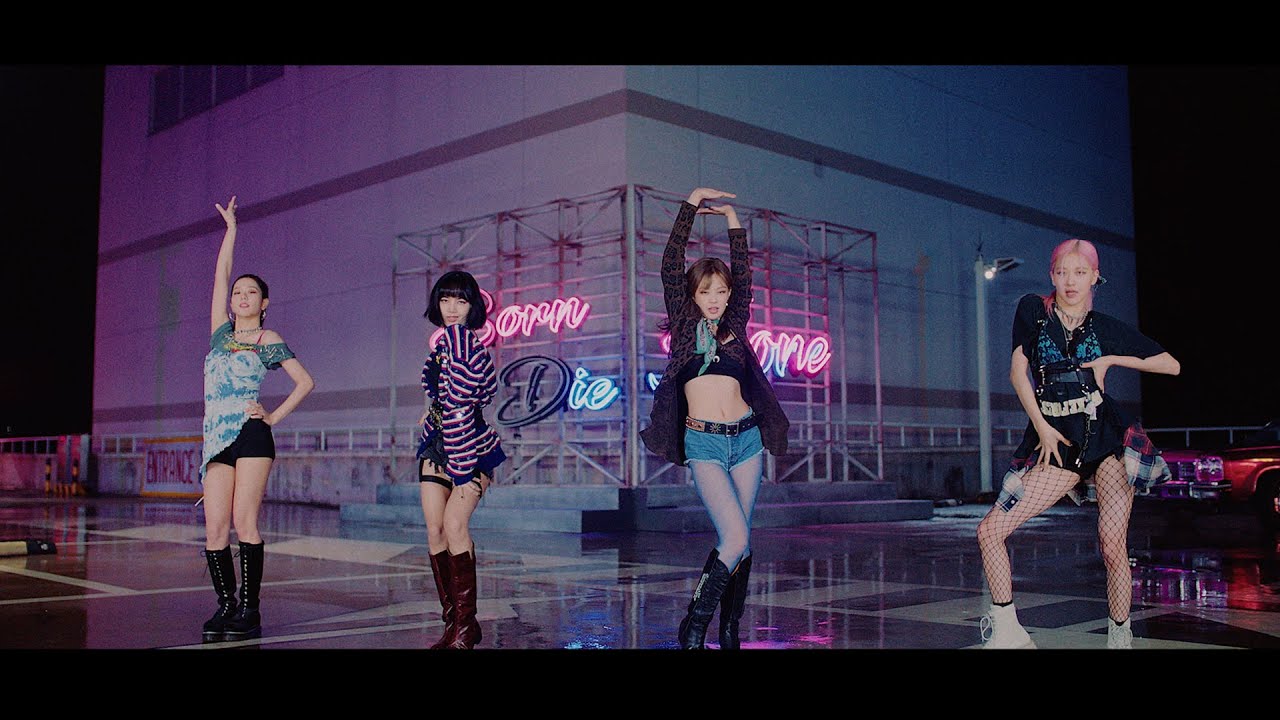
Release file
Released: July 12, 2021
Runtime: 03:14
Artist: BLACKPINK — Jisoo, Jennie, Rosé and Lisa
Project: Japanese edition of THE ALBUM
Label / channel trail: YG Entertainment · BLACKPINK official YouTube
Exact-video distinction: Full-length Japanese-version MV ds0fyCwym6o using the Korean master footage with a distinct Japanese vocal recording
Sound: Japanese-language dance-pop and electropop with country-guitar color, anthemic chorus, acoustic textures and rap-to-melody handoffs
Credits: Original lyrics by Teddy, Løren, Jisoo, Jennie and Danny Chung; composed by Teddy, 24, R.Tee, Brian Lee, David Guetta, Leah Haywood and additional collaborators; Japanese version issued by YGEX
Sources:  Exact official MV and descriptionDaily+853Total views23.7M · exact official Japanese-version uploadDaily+853Total views23.7M.
First reaction: heartbreak is already bilingual before anyone sings
The broken car, exhausted faces, medical-looking room and frantic paint communicate rupture without waiting for subtitles. The Japanese recording enters a narrative whose body language is already explicit.
That helps the adaptation. Viewers do not require perfect lip matching to understand distress, but voice still determines whether the pain feels inhabited or merely dubbed.
The full runtime preserves emotional sequence
Unlike abbreviated Japanese debut cuts, this upload lets loneliness become anger, collapse and collective survival in order. The story retains breathing room.
That continuity matters because “lovesick” is not one expression. It is a cycle of attachment, self-argument and return that a highlight reel would flatten.
Jennie’s writing credit remains part of the evidence
Jennie helped write the original lyric, so the emotional architecture is not simply a concept assigned from outside the lineup.
The Japanese recording adds another interpretive layer to words she helped shape. Authorship does not make every scene autobiography, but it changes how confidently critics can call the group mere messengers.
Jisoo’s lyric credit resists the silent-muse frame
Jisoo also holds an original lyric credit, important in a video that repeatedly turns women’s pain into beautiful close-ups.
Her creative labor exists beyond the face being photographed. The Release file restores that fact when the MV’s visual economy might otherwise hide it.
Rosé makes translated ache feel bodily
Her grain and upward pressure connect the new syllables to the same physical exhaustion visible in the car and field sequences.
The performance works through breath and tension more than mouth matching. A voice can belong emotionally to an older image even when phonemes reveal different timing.
Lisa keeps anger from becoming one undifferentiated shout
Her rhythmic sections organize speed, resentment and bravado, giving heartbreak a defensive intelligence.
Japanese phrasing changes density, but Lisa keeps the beat readable and refuses to let hurt erase the pleasure of delivering a sharp line well.
The paint room externalizes emotional mess
Color covers walls and bodies because private distress has exceeded a neat interior. The scene refuses the polished rule that pain should remain photogenic and contained.
It is still exquisitely art-directed mess. The useful tension lies between visible disorder and a camera that knows exactly where every smear will look expensive.
The broken car makes romance a mobility failure
Cars promise departure and agency throughout BLACKPINK videos. Here the vehicle is damaged, stranded or associated with emotional collision.
The women can move, but the relationship has distorted the route. Translation does not alter that visual grammar; it lets another audience enter the wreck.
The group ending refuses solitary tragedy
Individual story lines give way to four women running, shouting and occupying open space together. Friendship does not cure heartbreak, but it changes who witnesses the aftermath.
That distinction matters. The video offers community without claiming another woman can perform the emotional labor a harmful partner refused.
Japanese adaptation changes intimacy, not plot
Different pronouns, cadence and vowel lengths can make confession feel more direct or more performed. The visual sequence remains fixed, so voice bears nearly all the localization burden.
The best passages accept slight difference instead of chasing a phonetic replica. Pain sounds credible when each member follows intention through the new sentence.
Where recycled footage limits the new recording
A full-length visual preserves story but provides no imagery born from Japanese lyrical nuance. Every new emphasis must fit a decision made for another vocal track.
The version expands access and interpretation without creating a separate film language. That is a meaningful limit, not a reason to erase the exact upload.
Four jobs, one debut argument
BLACKPINK become legible through contrast rather than interchangeable confidence. Jisoo gives the frame composure and tonal steadiness, Jennie switches between clipped authority and melodic ease, Rosé bends brightness toward ache, and Lisa makes rhythm visible before a lyric finishes explaining the attitude.
The arrangement can redistribute those jobs, but the difference between them is the group engine. Every exact group MV therefore routes to all four canonical profiles instead of crediting only the member who owns the most replayed moment.
What changed every time I replayed it
The first watch belonged to the broken car and paint room. The second belonged to authorship: Jennie and Jisoo’s original lyric credits remain visible labor beneath the translated recording.
By the third, the final group run mattered most. Heartbreak remains unresolved, but nobody has to perform the aftermath without witnesses.
What I kept replaying
- Jennie carrying words she helped shape into another language.
- Jisoo’s authorship complicating the beautiful-suffering close-ups.
- Rosé connecting Japanese phrasing to visible bodily exhaustion.
- Lisa giving anger rhythmic intelligence.
- The group ending turning survival into a witnessed act.
Meaning: love sickness is repetition, not one bad night
The chorus accepts that the women keep seeking love despite predictable injury. That pattern can sound fatalistic, but the group ending introduces another possibility: repetition becomes visible when friends witness it together. Japanese phrasing does not solve the cycle. It gives another audience access to the confession and another chance to distinguish honest attachment from the claim that suffering is an unavoidable entrance fee for intimacy.
The medical-looking room refuses a clean diagnosis
Rosé appears in a space coded as treatment or containment, yet no professional, cure or stable explanation arrives. Lovesickness is staged as bodily crisis without being reduced to a literal illness. That ambiguity is useful and risky. It validates physical distress while pop metaphor can trivialize mental-health care. The scene works best as subjective experience, not proof that romance should replace actual support.
RaeRae verdict
The Japanese “Lovesick Girls” benefits enormously from retaining the full visual sequence. Translation can alter intimacy while heartbreak still moves through a coherent arc.
Reused footage cannot visualize new linguistic nuance, but four distinct performances—and documented member authorship—keep the version from feeling like an anonymous dub.
Bottom line
BLACKPINK changed the language but kept the bruises in frame. The Japanese “Lovesick Girls” works because heartbreak retains sequence, authorship and four women who witness one another afterward.