
Beautiful Strangers: TXT Made Friendship Look Like a Superpower With a Terrible Medical Bill
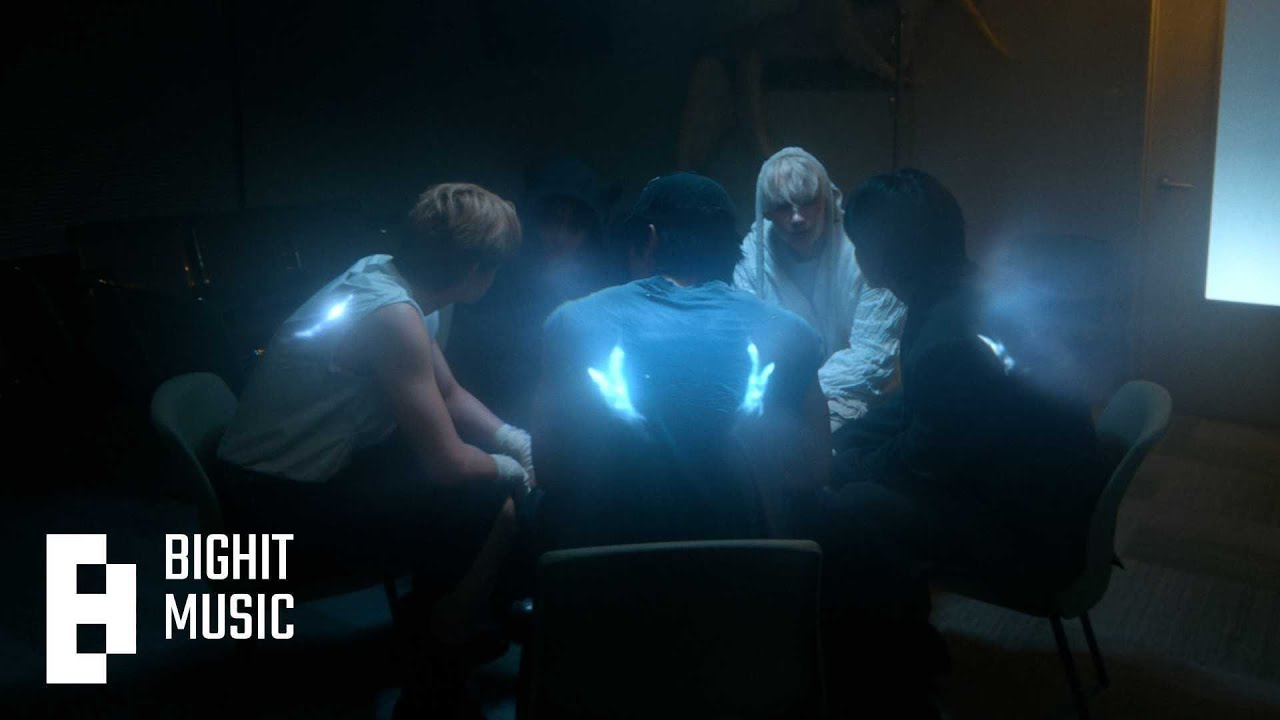
Release file
Released: July 21, 2025
Runtime: 03:19
Label / channel trail: HYBE LABELS
Sound: Friendship is a superpower, the medical imagery is rude, and the missing bridge remains an unresolved labor dispute.
Sources: Exact official playlist uploadDaily+9.3KTotal views32.7M.
Friendship is a superpower, the medical imagery is rude, and the missing bridge remains an unresolved labor dispute.
Bottom line
“Beautiful Strangers” makes scars, broken wings and institutional control feel emotionally coherent, then leaves before the arrangement earns its final release. I love the concept, the bass and the five-member rescue. I remain professionally annoyed that the bridge appears to have been repossessed.
The exact object
This React covers IcwHopeT5gY, the official HYBE LABELS music video. The Studio Choom performance is a separate object with separate camera priorities. Exact video identity matters because one song can produce multiple clips that deserve different analysis.
The first thirty seconds
Dreamy piano opens the emotional door while synth bass makes the floor unstable. TXT sound tender and urgent at once, which is basically their forwarding address. The arrangement begins moving toward its ending almost immediately, creating momentum and the uncomfortable sense that everybody has already been told to hurry.
Lyrics and meaning: friendship as infrastructure
The song’s central idea is not that love removes difference. Connection changes what difference means. Horn scars and broken wings remain visible. Another person recognizes them as history rather than defect. Friendship becomes infrastructure: not magical healing, but a system that makes survival and movement possible.
The medical system
The video places marked bodies inside an environment of examination, restraint and correction. Machinery and corridors imply that the system has decided unusual bodies require management. TXT are not merely sad in expensive rooms. They are being processed by an institution that confuses control with care.
Soobin
Soobin’s lower warmth makes the imagery vulnerable rather than decorative. His scale fills the frame while expression makes the room feel larger and more dangerous. The contrast is useful: a physically imposing adult can still be rendered powerless by a system designed to define his body before he speaks.
Yeonjun
Yeonjun helped shape the choreography, and damage appears inside movement rather than as a prop beside it. He attacks detail without turning every shot into a competition. The body remembers scars through weight and direction, letting performance carry lore that would otherwise need another paragraph of explanatory subtitles.
Beomgyu
Beomgyu understands beautiful ruin, but timing prevents the image from becoming wallpaper. Small reactions land because he knows when not to enlarge them. His work supports the collective rescue by making isolation feel personal before the formation rebuilds around all five members.
Taehyun
Taehyun gives the vocals pressure and the choreography clean force. He looks as if he is trying to solve the mechanism while trapped inside it. Technical focus becomes character: not a cold absence of emotion, but the survival instinct of someone studying the system quickly enough to find an exit.
Hueningkai
Hueningkai’s broken-wing imagery carries the largest fantasy symbol. His bright tone prevents darkness from sealing the arrangement shut. The wings matter because failure to fly becomes evidence that flight was attempted. Damage is history, not proof that the body should never have tried.
The horn returns
Yeonjun’s horn traces back to “CROWN,” where a frightening change becomes a connection point. In 2025, the horn is no longer a cute debut problem. It has left a scar. Growing up did not erase the first wound. It turned the wound into biography.
The flashlight
The flashlight matters because connection arrives through active searching. Someone has to look. Destiny does not do all the emotional labor. TXT’s recurring light imagery works best when it becomes a choice one member makes for another rather than decorative proof that the lore department owns a fog machine.
The production argument
The production is compact and efficient, but efficiency is not automatically drama. Piano and synth bass establish conflict beautifully. Layered vocals create lift. The missing step is development: one bridge or extended final chorus could have transformed accumulated imagery into musical consequence.
The short-runtime complaint
Two minutes and eighteen seconds can contain a complete idea. This particular idea arrives with seven years of symbols, five marked bodies and a system large enough to require collective escape. The pause near the ending practically asks for a bridge. Give me the bridge. I completed the horn homework.
The choreography
Five-person geometry turns rescue into physical structure. Members separate, locate one another and reform. The choreography supports the lyric because togetherness becomes visible labor. Yeonjun’s contribution is meaningful not as trivia but because movement gives the scars a memory and the rescue a route.
The camera
Editing prioritizes faces and recurring objects while preserving enough formation to understand group action. Some cuts are faster than the ideas they contain. A longer shot through one complete rescue phrase would have trusted the choreography and allowed viewers to experience connection instead of reconstructing it from fragments.
The styling
Muted, damaged and institutional textures support the marked-body concept without making every member visually identical. Styling distinguishes five people inside one system. That distinction is the story: sameness is demanded by the environment, while difference becomes the reason the group recognizes and saves one another.
What works
The central metaphor is clear without becoming simple. Piano and bass create conflict quickly. Old symbols return as adult scars rather than nostalgic stickers. Every member has a readable function. The collective rescue turns a group name into action instead of relying on TOGETHER as corporate wallpaper.
What does not
The runtime restricts escalation. Several images behave like screenshots waiting to be decoded rather than scenes allowed to land. The final chorus needs more vocal or structural growth. Emotional intelligence survives, but the arrangement ends while my body is still preparing for the payoff.
Audio-only replay
Without the picture, listen for how bass destabilizes the piano and how layered vocals turn five voices into one emotional body. The song remains effective, which proves the concept is not surviving on lore alone. Audio replay also makes the absent bridge even louder by giving the ear nowhere else to look.
Visual replay
Follow one member through every corridor and formation rather than watching only the center. Notice who searches, who is found and when the five-person structure reforms. Then compare each scar with its earlier appearance. The point is development, not a scavenger hunt awarding points for object recognition.
What changed every time I replayed it
Watch the exact official MV once for story, once following a single member, and once without pausing for lore. Listen again without the picture. Then use the separate Studio Choom React to examine performance without institutional sets doing part of the emotional work.
RaeRae verdict
“Beautiful Strangers” is emotionally intelligent TXT trapped inside trend-driven runtime anxiety. Love does not normalize the strange parts. It makes them survivable and maybe beautiful. I am moved, impressed and still standing outside BIGHIT with paperwork requesting one additional bridge.
Canonical relationships
Sources and receipts
- BIGHIT official TXT profile
- BIGHIT official discography
- The Star Chapter TOGETHER official page
- All five members re-signed notice
- 7TH YEAR release notice
- TXT official Japan site
- TXT official YouTube
- Exact official music videoDaily+9.3KTotal views32.7M
The arrangement map
Map the introduction, verse, pre-chorus, hook, contrast section and final return before deciding whether the song feels complete. The exercise separates intentional compression from missing development. A short runtime is not automatically shallow, but every section must change pressure or perspective rather than merely move the listener toward another repetition.
The background-performance pass
Ignore the close-up and follow the members at the edge of the frame. Background expression, path clearing and preparation reveal whether the performance remains alive outside the edit’s preferred subject. Five-member chemistry becomes credible when nobody visibly powers down while waiting for an assigned moment.
The color-and-contrast pass
Color should guide attention and emotional temperature, not simply announce that a production budget exists. Notice which member is separated from the background, when the palette changes and whether light creates story information. A dark purple set with low-contrast lavender text would fail the same access test as an unreadable website header.
The pause test
Pause on a wide shot rather than a face and identify all five members, their spacing and the next likely movement. If the composition communicates relationship before motion resumes, the direction is doing more than delivering attractive screenshots. Static evidence is especially useful when rapid editing makes every cut feel important.
The sound-without-fandom test
Play the song for someone who does not know the lore, member roles or promotional history. The recording should still offer melody, rhythm, contrast and emotional direction. Context can deepen a song, but it should not be life support. A React must evaluate the object that actually reaches the listener.
The exact-video responsibility
The embedded eleven-character upload is the reviewed object and appears only once. Alternate performances, shorts and mirrors may offer context but receive separate rows when audited. Exact identity prevents a later site update from quietly replacing the evidence while leaving old analysis attached to a different camera and arrangement.
The recommendation
Start with one uninterrupted watch, then choose either sound, choreography or story for the second pass. Do not pause every two seconds on first contact; analysis should remember what momentum feels like. On the final replay, follow the member who received the least immediate attention and test whether the arrangement gives that person a meaningful job.
The durable verdict
A useful verdict can admire performance, criticize structure and still recommend replay. Affection is not a gag order. TXT have enough skill and catalog history to withstand specific complaints about edits, runtime or arrangement. In fact, detailed criticism treats the work as more serious than automatic celebration would.