
Ni-ki

The Japanese youngest member who debuted at fourteen, learned public adulthood under permanent cameras and grew from an exceptional child dancer into one of ENHYPEN’s most commanding interpreters of rhythm.
Profile
| Birth name | Nishimura Riki (西村 力) |
|---|---|
| Stage name | Ni-ki |
| Born | December 9, 2005 |
| From | Okayama, Japan |
| Work | Main dancer · vocalist · youngest member |
| Group history | ENHYPEN, 2020–present |
| Agency | BELIFT LAB |
| Formation | Mnet and BELIFT LAB survival program I-LAND |
| Fandom | ENGENE |
| Zodiac | Sagittarius · Wood Rooster |
Official Socials
BELIFT LAB profile
ENHYPEN Weverse
Official YouTube
Official Instagram
- Early life and training
- I-LAND and debut
- Voice and performance
- ENHYPEN history
- The six-member chapter
- Music and React library
- Side quests and fandom notes
- Sources
Early life and training
Ni-ki grew up around dance in Okayama. His family ran a dance studio, and he began training young across hip-hop and other styles. Before I-LAND, he had already appeared as a child performer and SHINee Kids dancer. That experience gave him musical instinct and stage familiarity, but childhood work should not be confused with adult readiness. He was still fourteen when ENHYPEN debuted.
Training biographies are often flattened into a clean ladder: audition, practice, debut. The real process is repetition under uncertainty. Trainees learn choreography, vocals, languages, camera behavior and team etiquette while knowing improvement may never become a public career. Ni-ki entered ENHYPEN with a distinct advantage, but that advantage still had to be translated into a seven-person performance system.
I-LAND and the debut lineup
On I-LAND, Ni-ki was treated as a dance reference even while struggling with the social expectations placed on a very young trainee inside a competition. He finished fourth in the finale. Early criticism often judged leadership decisions or facial reactions as if a multilingual teenager under surveillance should possess the conflict management of a department chair.
Ni-ki entered public evaluation young, which makes frozen debut-era labels particularly unfair. I-LAND did more than choose members. It taught viewers to treat evaluation footage as permanent personality evidence. A tired glance became character. A ranking became destiny. A disagreement became a moral file. The responsible way to use the show now is as career history, not a courtroom transcript for adults who continued changing after the edit ended.
Voice, movement and camera work
His strength is not simply flexibility or speed. Ni-ki hears subdivision. He can sit behind a beat, strike through it or redirect energy without losing the formation. As his body changed through adolescence, he had to rebuild how movement traveled through longer limbs. The result is more weight and command without sacrificing detail. Watch full-camera dance practices, not only close-ups.
Calling Ni-ki “the dance machine” is praise that accidentally removes the artist. Machines repeat. His value is interpretation: he decides where a beat has teeth.
For Ni-ki, the full-stage view shows how an individual choice serves the formation. ENHYPEN choreography rewards collective precision: sharp unison, sudden level changes, hand detail and formations that reorganize before the viewer has located the center. Individual skill matters, but the final effect depends on six people agreeing on timing, weight and intention. The best fancam is useful; the full-stage camera tells the truth about the architecture.
The ENHYPEN history file
- 2020: I-LAND assembled seven trainees under public evaluation. ENHYPEN debuted November 30 with BORDER : DAY ONE and “Given-Taken,” a debut song smart enough to ask whether success had been given or taken.
- 2021: “Drunk-Dazed” turned sudden fame into a feverish carnival. “Tamed-Dashed” and DIMENSION : DILEMMA expanded the question from arrival to desire, while Japanese releases established a second major market.
- 2022: “Blessed-Cursed” and “Future Perfect (Pass the MIC)” pushed into harder production. Listeners argued about the sound; the group proved it would rather make a divisive choice than polish one vampire tooth forever.
- 2023: “Bite Me” restored sensual pressure and paired choreography. “Sweet Venom” relaxed into groove. The vampire concept survived because it remained a language for hunger, isolation and transformation instead of one Halloween costume.
- 2024–2025: “XO,” “No Doubt,” Coachella, touring and DESIRE : UNLEASH widened the scale. Live stages became the test of whether precision could breathe outside music-show camera plans.
- 2026: THE SIN : VANISH closed the seven-member chapter. Heeseung left in March. Jungwon, Jay, Jake, Sunghoon, Sunoo and Ni-ki continued as six, released THE SIN : BLISS on August 21 and followed it with six individual “Bloody Paradise” remix versions.
The six-member chapter in 2026
Ni-ki’s page keeps the March 2026 boundary explicit before discussing either chapter. BELIFT LAB’s March 2026 notice stated that Heeseung had a distinct musical vision, would part ways with ENHYPEN and would prepare a solo album under the agency. ENHYPEN continued as Jungwon, Jay, Jake, Sunghoon, Sunoo and Ni-ki. That is the verified boundary. Fan grief and questions about timing are real; private motives presented as fact are not.
The first six-member album also changes how Ni-ki should be heard inside the current mix. THE SIN : BLISS, released August 21, was the first full six-member album statement. “Bloody Paradise” placed Brazilian-funk influence, percussion and prison-break imagery inside the continuing vampire story. Three days later, the remix release assigned one reimagined version to each current member, making individual taste part of the official record instead of bonus trivia.
Ni-ki is one of the bodies visibly adjusting to that new geometry. The change altered line distribution, formation geometry and vocal color. A six-member team cannot simply leave an empty seventh space. Parts must be reassigned, transitions rebuilt and the story retold without pretending the earlier chapter never happened. The first six-member era therefore matters as structural work, not only comeback marketing.
The vampire concept works because it is emotional
In Ni-ki’s performances, the supernatural language matters most when a concrete choice carries it. ENHYPEN’s supernatural universe keeps returning to hunger, immortality, taboo, escape and the fear of changing somebody you love. Those themes survive without a webtoon diagram. “Given-Taken” questions ownership of success. “Drunk-Dazed” turns fame into sensory overload. “Bite Me” makes intimacy dangerous. “Knife” treats escape as protection. “Bloody Paradise” asks whether freedom can exist after the prison has entered the mind.
Ni-ki does not need a lore summary to make a musical or physical decision legible. The DARK MOON transmedia story expands the fictional file, but the songs still have to work for a listener who did not complete homework. The strongest releases do. Lore should reward attention, not charge admission to the chorus.
Where to start with the music
- For the origin: “Given-Taken” and “Drunk-Dazed.”
- For choreography: “Bite Me,” “Future Perfect,” “Bad Desire” and “Bloody Paradise.”
- For groove: “Sweet Venom,” “Loose” and “XO.”
- For the darker story: “Sacrifice (Eat Me Up),” “Fatal Trouble,” “Knife” and “Outside.”
- For brightness: “Tamed-Dashed,” “Polaroid Love” and “Orange Flower.”
In-depth React library
These pages review exact official videos rather than treating one song title as interchangeable with every upload.
- KNIFE
- Outside official MV
- Outside performance MV
- Loose at Vevo
- Bad Desire at Studio Choom
- Bloody Paradise
Side quests and fandom notes
A profile needs ordinary interests and recurring public habits without pretending a list of favorite foods explains a person. The useful fandom file tracks how Ni-ki communicates, performs and changes across official content. Nicknames, memes and zodiac belong here as seasoning—not as medical records written by strangers.
- Performance rule: compare full stages with fancams before declaring somebody ignored or lazy. Camera plans hide as much as they reveal.
- Translation rule: use official subtitles and full-context interviews when available. A clipped phrase moving through three languages is not a reliable personality test.
- Boundary rule: public schedules and verified statements are fair context. Private relationships, health guesses and body-language prosecutions are not facts.
- Zodiac side quest: Sagittarius · Wood Rooster. Fun framing, not destiny.
Sources
- BELIFT LAB: current six-member official profile
- BELIFT LAB notice: ENHYPEN’s future activities and Heeseung’s departure
- Weverse release notice: THE SIN : BLISS
- Weverse release notice: six member-specific THE SIN : BLISS remixes
- ENHYPEN official YouTube channel
- CVM Sekai ENHYPEN group hub
Release-by-release career map
BORDER era: “Given-Taken” and “Drunk-Dazed” introduced a group standing between trainee life and fame. For Ni-ki, the useful viewing order is debut showcase, dance practice and then the carnival-era stages. That sequence separates first-week nerves from the skill that became stable through repetition.
DIMENSION and MANIFESTO: “Tamed-Dashed,” “Blessed-Cursed” and “Future Perfect” demanded different weight. Bright momentum, rock attack and chant-driven aggression do not reward the same facial expression or vocal pressure. Ni-ki had to expand without losing the recognizable habits fans had already learned.
The restrained eras are useful tests of how Ni-ki handles smaller accents. BLOOD and ROMANCE: “Bite Me,” “Sweet Venom,” “XO” and “No Doubt” made restraint more important. Sensual performance fails when every count is shouted with the body. The group learned to let pauses, eye lines and smaller accents carry the concept.
The lineup transition gives Ni-ki a different place in the same long story. THE SIN: “Knife” completed the last seven-member project, while “Bloody Paradise” established the six-member present. The comparison is not a contest over which lineup deserves loyalty. It shows how sound and choreography change when a familiar voice and body leave the architecture.
What the position labels miss
ENHYPEN does not maintain a simple official chart where one member owns every vocal, dance or visual function. Fan profiles often turn recurring strengths into permanent job titles. Those labels can help a new reader, but they should not overrule credits, actual line distribution or what a stage shows. Ni-ki contributes through changing arrangements, not a frozen debut résumé.
A center label is particularly weak evidence when measuring Ni-ki across multiple videos. The same warning applies to “center.” Music videos, choreography and promotional images use different centers for different narrative jobs. Three seconds in the middle can introduce a hook; it does not automatically prove the company’s complete hierarchy. Count the work, compare eras and leave room for a performer to improve beyond the label first attached at debut.
Live performance and the microphone question
To assess Ni-ki fairly, compare several performance conditions instead of one processed clip. K-pop stages mix live vocals, backing tracks, prerecorded support and broadcast processing. A useful review does not declare every breath proof of authenticity or every clean line proof of deception. Listen across encores, radio sessions, concerts and studio performances. Movement difficulty, illness, venue sound and the intended format all change what reaches the recording.
Ni-ki is best evaluated across multiple kinds of footage: a fixed dance camera for timing, a fancam for individual intention, and a live or lightly staged vocal setting for phrasing. One viral clip can document one moment. It cannot responsibly become a permanent diagnosis of talent, attitude or health.
International identity and language
Ni-ki also reaches fans through several markets whose official information does not arrive in one place. ENHYPEN operates across Korean, Japanese and global markets. Albums receive Japanese versions, tours move across regions, English releases target international playlists and Weverse carries multilingual community traffic. That scale creates access and fragmentation at the same time. A fan may see a teaser on X, a ticket notice on a Japanese site and the correction later on Weverse.
Shared-name confusion makes careful sourcing part of maintaining Ni-ki’s record. For reliable following, start with the official notice, then use translated reporting or fan translation for context. Names and romanization also vary. Search both stage name and birth name, and verify that a “Jay,” “Jake” or “Evan” result belongs to this artist before attaching it to a profile. Shared names are not relationships.
Fandom debates worth handling carefully
When fans debate distribution around Ni-ki, visible patterns deserve more weight than motive-reading. Line distribution, screen time and styling are fair subjects when the evidence is visible. They become weak analysis when every difference is described as sabotage. Songs assign parts by range, texture, concept and production choice; videos assign shots by story and edit. Patterns deserve documentation. A single disappointing comeback does not prove a secret campaign.
The same restraint matters around the 2026 lineup change. BELIFT LAB confirmed Heeseung’s departure and solo preparation. It did not publish private negotiations, medical files or a villain. Supporting the six current members and supporting Ni-ki do not require rewriting what the company actually said.
Current status and what to watch next
As of August 2026, Ni-ki is an active member of the six-person ENHYPEN lineup promoting THE SIN : BLISS and the BLOOD SAGA era. The next useful evidence will be live arrangements, the member-specific “Bloody Paradise” remix and how six-member formations settle after the first comeback rush.
For Ni-ki, a permanent update must document work rather than passing social-media weather. Updates belong here only when they change the career: a credited song, official acting or hosting role, tour, release, membership notice or verified public appointment. Airport clothing, anonymous rumor accounts and a cropped livestream reaction do not need permanent database space.
A responsible fan research checklist
- Confirm the artist through the official profile or account before connecting a shared stage name.
- Use release notices and video descriptions for dates, credits and exact YouTube IDs.
- Separate a group song, performance version, dance practice and live clip when they are different uploads.
- Treat translations as interpretation until the original statement can be checked.
- Do not convert speculation about health, relationships or contracts into biography.
- Preserve former-member history without listing a former member as current.
Ni-ki’s growth cannot be frozen at debut
Ni-ki arrived with obvious dance fluency, but fluency is not the same thing as a finished adult style. Early coverage rewarded speed, extension and the thrill of a very young performer matching older members. Later work is more interesting when he chooses not to spend every advantage at once. Watch the pauses, the controlled deceleration and the moments he reduces a gesture so the formation can remain the star. Restraint is growth, not a loss of power.
Age also changes how the archive should speak. Variety clips and survival-show behavior recorded during adolescence cannot serve as a permanent moral biography. The fair record separates dated footage from current work and refuses to use maturity as a compliment only when it is convenient. Musically, follow the evolving placement of his lower color and how producers use it against brighter voices. Choreographically, compare his solo attack with the full group geometry. The most impressive choice is often the one that makes six people look stronger.
Complete exact-video relationship index
- KNIFE official MV — exact official ID
R6e4tBWxIxE - Outside official MV — exact official ID
uHG-2mCfyT4 - Outside official performance MV — exact official ID
xdX_8R8Unik - Loose live at Vevo — exact official ID
DiJTe1woct4 - Bad Desire at Studio Choom — exact official ID
2TUykRNsi44 - Bloody Paradise official MV — exact official ID
MT-4Bk1Lw8g - No Doubt official MV — exact official ID
rDolt3jJRsM - Daydream official track video — exact official ID
CT6uUGMtmno - XO official MV performance version — exact official ID
zlJ3Z8H4WAw - XO at Studio Choom — exact official ID
N7RhqKVfmDc - Orange Flower official track video — exact official ID
iwBfCHvFzPU - Sweet Venom official MV — exact official ID
qedonJosQ3g
React image cards


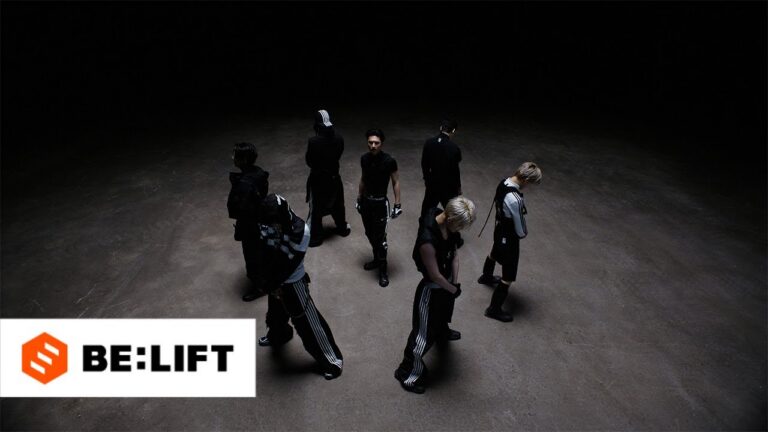




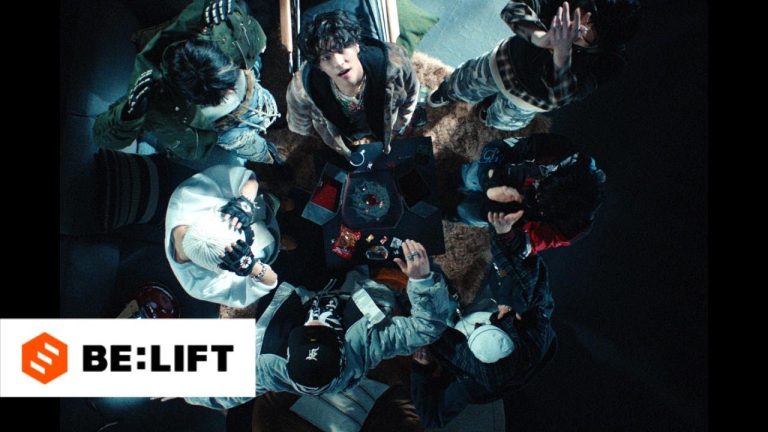

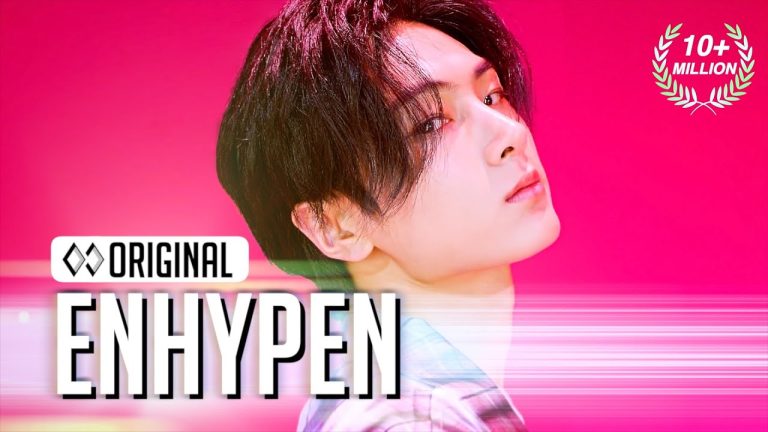


Official video tracker
This tracker names exact uploads already documented by the profile or its linked React library. Alternate edits, choreography films and performance versions retain separate video IDs and pages.
- No Doubt: ENHYPEN Made Office Heat Look Like a Workplace Safety Violation — exact video rDolt3jJRsMDaily+70.8KTotal views105.7M.
- Daydream: ENHYPEN Built a Beautiful Nightmare and Left After Eighty-Five Seconds — exact video CT6uUGMtmnoDaily+4KTotal views9.4M.
- XO Performance Version: ENHYPEN Made Consent the Hook and Choreography the Answer — exact video zlJ3Z8H4WAwDaily+82.9KTotal views62.1M.
- XO at Studio Choom: ENHYPEN Put Romantic Precision Under Clinical Lighting — exact video N7RhqKVfmDcDaily+5.2KTotal views13.5M.
- Orange Flower: ENHYPEN Let Youth Feel Warm Without Pretending It Lasts — exact video iwBfCHvFzPUDaily+3.1KTotal views7.6M.
- Sweet Venom: ENHYPEN Found the Groove Between Invitation and Bad Judgment — exact video qedonJosQ3gDaily+24.9KTotal views98.1M.