
I’m OK: SOYEON and MOONO Put Burnout in a Mascot Suit and Let It Complain
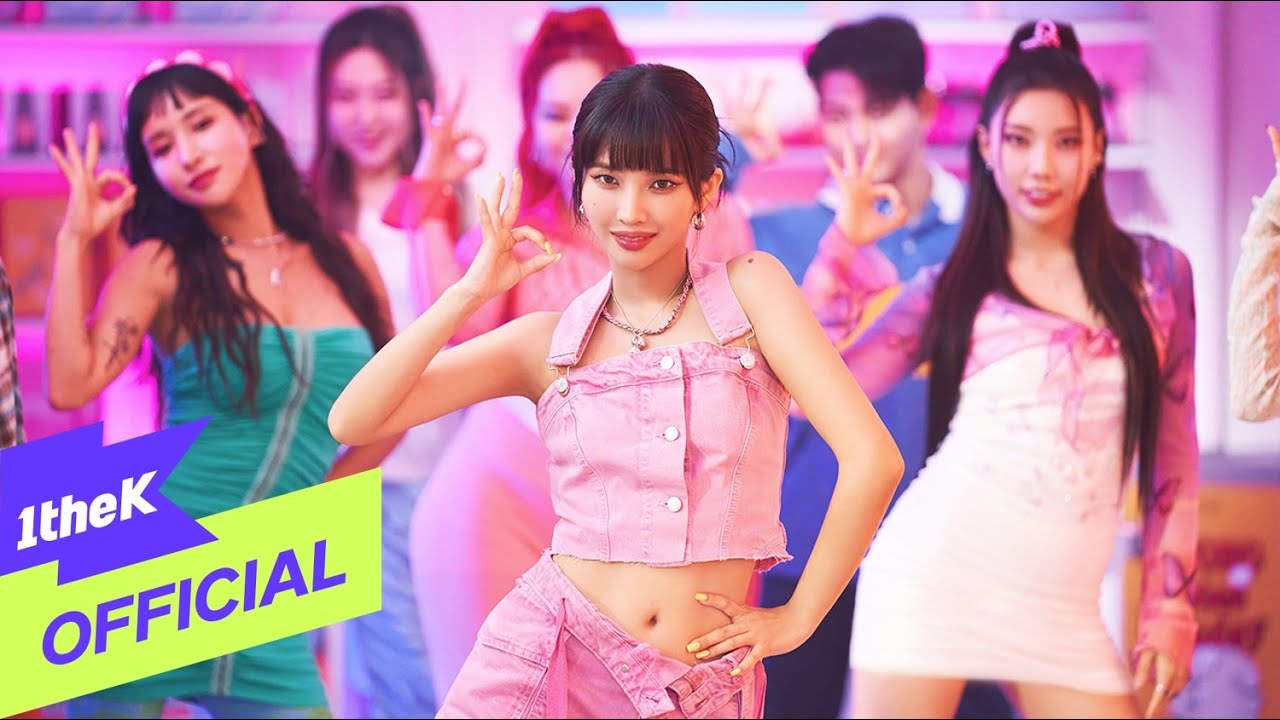
Verdict first: the exact upload matters. This React follows the performance and visual choices in this video, not a neighboring stage, fan lyric upload or different song with the same English title.
First reaction: what the hook is actually doing
“I’m OK” treats the most suspicious reassurance in pop as a punch line. Soyeon’s rhythmic delivery lists pressure and irritation while the MOONO collaboration gives the complaint a corporate mascot face. Saying everything is fine becomes funny because the production keeps exposing how much effort the sentence requires.
Catchiness is the entrance, not the verdict. The useful question is how percussion, bass, vocal register and phrasing make the central idea feel repeatable—and whether the repetition reveals more feeling or merely occupies time.
Production under the topline
The arrangement creates a floor before the performers decorate it. Follow the kick and low end, then notice which sounds vanish before a line begins. Empty space can give a low voice more authority than another layer of volume, while a bright response can reset the ear without flattening the groove.
i-dle-related solo work is strongest when the production recognizes the featured voice instead of renting a generic trend. Yuqi’s grain and delayed pocket, Minnie’s atmosphere and Soyeon’s percussive diction require different rooms. The mix here succeeds where it lets identity change structure.
The video argument
The MV uses animation, branded character comedy and bright surfaces to make exhaustion marketable, then lets Soyeon’s diction scratch against the cuteness. The collision is the concept: workplace cheerfulness trying to contain a person who can rap faster than the approved mood.
The canonical still above comes from this exact upload. It remains the featured image, hero, Music Reviews card and social preview, so a reader does not click one visual promise and arrive inside another video’s page.
Performance details worth the replay
Her performance is precise enough that small pauses feel like eye rolls. She does not need to shout frustration; consonants, sudden register changes and a deliberately unserious posture make compliance look temporary. Follow every moment when the mascot and artist share a frame. The power shifts according to who controls the rhythm: the character may own the branding, but Soyeon owns the sentence the viewer remembers.
Watch preparation rather than only impact: the breath before a phrase, the body loading weight before a directional change and the eye line that tells the editor where the next cut can land. Those decisions are the bridge between choreography and camera.
What works, and what I would change
Brand collaboration limits how hard the video can bite. It cannot fully condemn the commercial machine while participating in it. That contradiction is not fatal—watching criticism negotiate its sponsor is part of the interest—but the ending chooses charm over revolt.
That tradeoff matters. A harder bridge, longer ending or stranger cut might create complexity, but it can also break the release’s chosen scale. Criticism should identify the price of the existing choice without pretending every song wants to become a different genre.
Participation, not inheritance
The i-dle hub remains connected because the career grew from and continues beside the group. The profile trail follows actual participation, however. A Yuqi and Lexie Liu performance does not automatically belong to all five members; a Yuqi and Minnie duet belongs to both women; a solo choreography file links the solo artist and group history without fabricating group presence.
Bottom line
I’m OK: SOYEON and MOONO Put Burnout in a Mascot Suit and Let It Complain understands the mechanism beneath its hook and gives the camera enough performance evidence to make that mechanism visible. The release has limits, but none of them erase the reason to replay it.
What changed every time I replayed it
- First replay: watch only the performer outside the obvious focal point or the body between named moves.
- Second replay: isolate drums and bass; mark every place the groove removes sound instead of adding it.
- Third replay: follow vocal color and breath, not volume or line count.
- Fourth replay: test the criticism—imagine the proposed change, then decide what pleasure it would cost.
Canonical profile trail
Sources and receipts
Meaning: the mascot has a timesheet
MOONO’s round, friendly design represents the commercial promise that everything can be softened into approachable branding. Soyeon’s delivery keeps introducing edges the mascot cannot absorb. Her frustration becomes funny because the character’s permanent cheerfulness looks increasingly underqualified to answer it.
The workplace reading extends beyond literal employment. Idol performance also demands “I’m OK” as a default interface: smile through exhaustion, reassure fans, keep sponsors comfortable and convert private strain into an anecdote only after it has a marketable resolution.
Soyeon’s flow changes resemble tabs left open during overload. She accelerates, interrupts herself and shifts character without letting the beat lose the complaint. Technical control becomes evidence that competence does not prevent burnout; sometimes competence is why the system keeps assigning more.
The sponsor contradiction deserves more than a gotcha. Commercial art often negotiates critique from inside the machine that funded it. The question is how much friction survives. Here, enough survives to make branded cuteness look implicated, even if no logo is required to accept responsibility.
A harsher ending could break the mascot’s smile or leave the approved world behind. Instead, charm restores equilibrium. That makes the collaboration safe enough to function while leaving the phrase “I’m OK” permanently suspicious in the listener’s ear.
Replay the negative space after a punch line. Soyeon often lets a fraction of silence hold before the next bright element returns. That gap is the real complaint—the second in which branding has not yet supplied an acceptable emotional replacement.
RaeRae verdict: the song cannot overthrow the workplace because the workplace paid for a mascot cameo. It can make the break-room reassurance sound ridiculous, and sometimes ridicule is the first available tool when the employee handbook has already confiscated fire.
The craft scorecard
The hook is memorable because reassurance and complaint occupy the same breath. Production keeps handing Soyeon cheerful surfaces; her diction keeps returning them with sarcastic annotations. Neither side wins, which is a better picture of sponsored frustration than a fantasy of pure rebellion.
Visually, the mascot increases access and reduces threat. Younger viewers can recognize overload through comedy, while sharper institutional critique stays within implication. The compromise is obvious, but it is authored rather than accidentally timid.
I would replay this beside “BEAM BEAM.” Both turn work and brightness into pressure, but one escapes a fast-food shift while the other negotiates a branded companion. Together they show how Soyeon uses humor to make labor visible without abandoning pop pleasure.
The collaboration belongs to Soyeon’s profile and i-dle history, not to every member as a performer. Accurate participation is part of criticism: if a page cannot identify who did the work, its concern about invisible labor is decorative.
Final replay: count how often a bright graphic arrives immediately after a frustrated phrase. The pattern is the commercial system doing emotional cleanup in real time. Soyeon keeps leaving enough residue that the reassurance never becomes fully convincing again.
Verdict
Verdict first: the exact upload matters. This React follows the performance and visual choices in this video, not a neighboring stage, fan lyric upload or different song with the same English title.