Powered by vibes, caffeine, and questionable life choices. 💀
GHOST IN THE SHELL • CHARACTERS
Ghost in the Shell Characters
Ghost in the Shell changes continuity, design, history, and sometimes characterization across films, television, OVAs, and streaming projects. This directory keeps the principal characters consolidated while making those continuity differences explicit, so Motoko, Batou, Togusa, Aramaki, and the rest of Section 9 do not become several disconnected profiles.
Each image card opens a complete character file covering embodiment, labor, memory, state power, relationships, and the Japanese performers associated with each era. A redesign is not a new person by default, but a continuity change still matters when it alters what the character knows, wants, or has survived.
Published Character Records
This is a finite directory, not an endless carousel. Every card uses the character post’s own canonical image and opens the complete record.
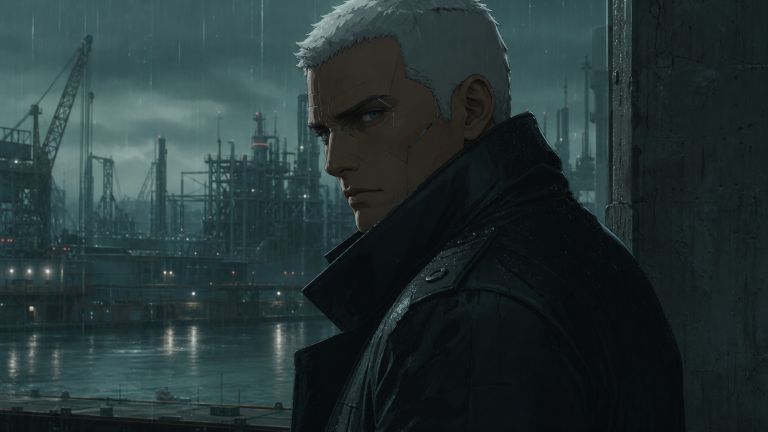
Motoko Kusanagi leads Section 9 while testing every legal and philosophical boundary between human person, cybernetic body, state employee, and emergent life.
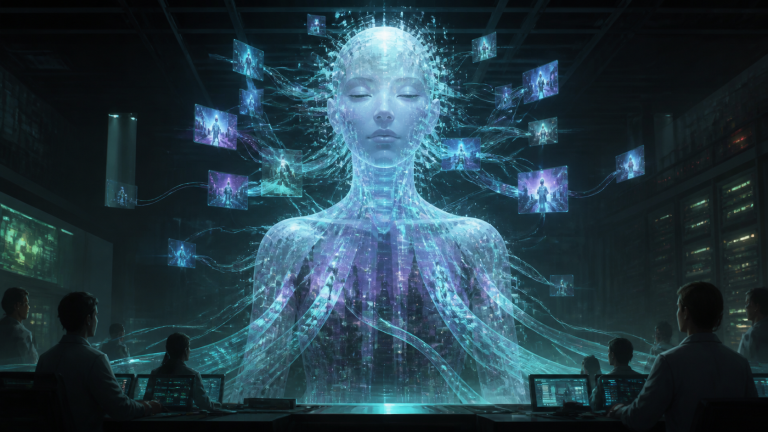
Project 2501 becomes the Puppet Master when a state-built program claims life, asylum, reproduction, and the right not to be classified as government property.
Begin with Motoko, Batou, Togusa, and the Puppet Master for the 1995 film’s central argument. The directory expands through Section 9, antagonists, and later continuity figures while keeping every destination visual and searchable. Profiles distinguish a changed design from a changed history, and they identify the relevant Japanese performer when an era recasts the role.