
Akira Japanese Cast
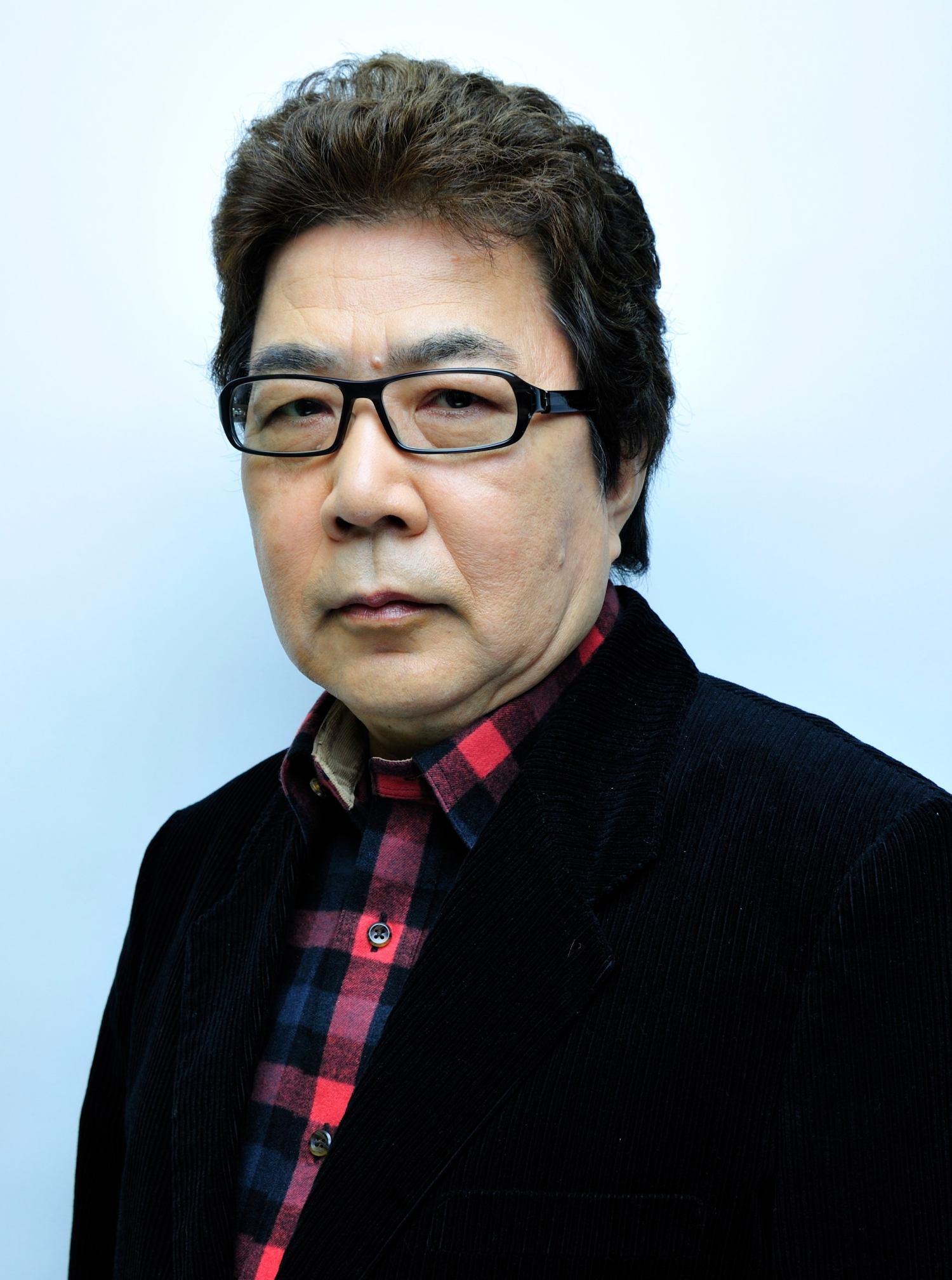
Tessho Genda
Ryu sounds dependable because Tessho Genda never performs resistance as a fantasy of clean heroism. His voice carries command, fatigue, suspicion, and the knowledge that Neo-Tokyo punishes every mistake with somebody else’s body.
Bottom Line
Ryu gives the resistance a voice that already knows the cost
Tessho Genda gives Ryu the authority of a man who has survived enough operations to stop confusing courage with invulnerability. He sounds capable, but never untouched. Orders arrive with weight because Ryu understands that every movement through Neo-Tokyo can expose Kei, the cell, and civilians who never volunteered for the fight.
Genda is famous for voices that can fill a room. Ryu requires something tighter. The performance holds power in reserve, which makes his anger and fear more effective when control finally breaks. Ryu is not the loudest force in Akira. He is one of the few adults trying to act before the city’s hidden machinery destroys everybody.
Profile
The basic file
Genda’s official 81 Produce profile lists a career built across animation, narration, games, and Japanese dubbing. The agency also records Japanese dance and modern dance among his skills, along with a Career Achievement Award from the Seiyu Awards. Those details fit a performer whose physical sense of rhythm remains audible even when audiences never see his body.
Many viewers know him as the Japanese voice associated with Arnold Schwarzenegger and Sylvester Stallone, or as Optimus Prime in the Transformers franchise. Animation fans also know Ryujinmaru in Mashin Hero Wataru, Umibozu in City Hunter, Action Mask in Crayon Shin-chan, and commanding warriors, fathers, soldiers, and comic bruisers across decades of work.
Akira
What Genda gives Ryu
Ryu lives in the space between political commitment and operational damage. He coordinates resistance work against a government that hides human experimentation behind military authority. The goal is clear. The route never is. Informants can betray the cell, police can appear without warning, and the truth about Akira is larger than the evidence Ryu can hold.
Genda gives Ryu a low, contained urgency. He does not sound like a speechmaker waiting for applause. He sounds like the person checking whether everybody reached the exit. That practical authority helps Kei feel like part of an organized struggle rather than a lone rebel written into Kaneda’s path.
His relationship with Nezu exposes the unequal structure inside the resistance. Ryu takes the physical risks while a politician manages access and information from a safer position. Genda lets distrust gather before the betrayal becomes undeniable. The performance knows that movements can reproduce the same hierarchy they claim to fight.
Performance
A large voice used with restraint
Command without comfort
Ryu needs people to follow him, but he cannot promise that following him will keep them safe. Genda makes commands direct without turning them into reassurance. The tension between leadership and uncertainty stays inside every exchange.
Suspicion around Nezu
Ryu’s conversations with Nezu carry a guarded formality. He needs the politician’s resources while recognizing that access creates leverage. Genda makes the relationship sound unequal before the plot confirms how disposable the field operatives have become.
The body behind the politics
Akira never lets political struggle remain abstract. Ryu runs, bleeds, hides, and watches plans collapse in real time. Genda’s breathing and compressed delivery keep the physical cost inside the ideological conflict. Resistance is work performed by bodies the state is willing to break.
Beyond Neo-Tokyo
A voice audiences associate with strength
Genda’s career makes Ryu especially interesting. His familiar roles often project enormous physical power, mechanical authority, or action-hero confidence. Optimus Prime can make leadership sound monumental. Schwarzenegger’s screen presence gains a Japanese voice built for force. Action Mask turns that authority toward comedy and childhood heroism.
Ryu uses the same vocal foundation without the protection of fantasy strength. He has no giant body, psychic gift, military rank, or invincible machine. Authority comes from judgment and experience. The smaller scale makes the performance more vulnerable and more political.
The official profile’s combination of dubbing, animation, narration, dance, and award recognition shows why the voice remains so recognizable. Genda understands not only volume but placement. A pause can hold a threat. A clipped order can expose fear. A warmer note can remind the audience that the resistance cell is made of people rather than symbols.
Where He Fits
Follow Ryu through the Akira ecosystem
This profile connects to the Akira Japanese voice-actor directory, the character directory, the world and lore guide, and the main Akira hub. Each route keeps Ryu’s political work, relationships, and fate connected without shrinking him to a resistance label.
Sources