Powered by vibes, caffeine, and questionable life choices. 💀
EVANGELION • CVM SEKAI
Evangelion
Enter through the television series, its episode Reacts, character and Japanese voice profiles, continuity guides, reviews, lore, and rants. Every shelf uses visible local image cards and keeps CVM Sekai colors regardless of the artwork.
Choose Your Continuity
The original series and Rebuild films share names, images, and emotional questions without forming one seamless timeline. Choose a branch first, then use its reviews and guides without forcing one continuity to explain the other.
The complete four-film Rebuild of Evangelion route in order, with original artwork, concise movie summaries, version guidance, viewing links, and connections back to the full Evangelion hub.
Follow all 26 television episodes in broadcast order with official episode images, real titles, concise briefings, licensed viewing routes, and RaeRae Reacts. Search and range controls prevent endless scrolling.
Shinji survives his first Angel fight, but Episode 2 reveals that Unit-01 won without him. RaeRae examines the missing memory, Misato’s imperfect care, and NERV’s dirty definition of success.
Toji blames Shinji for his sister’s injuries, then learns what Angel combat feels like from inside Unit-01. RaeRae examines blame, military fandom, collateral damage, and the first uneasy steps toward friendship.
Evangelion’s people are not diagnostic labels. Profiles examine agency, grief, labor, intimacy, institutional power, design, and how each person survives or reproduces the systems around them.
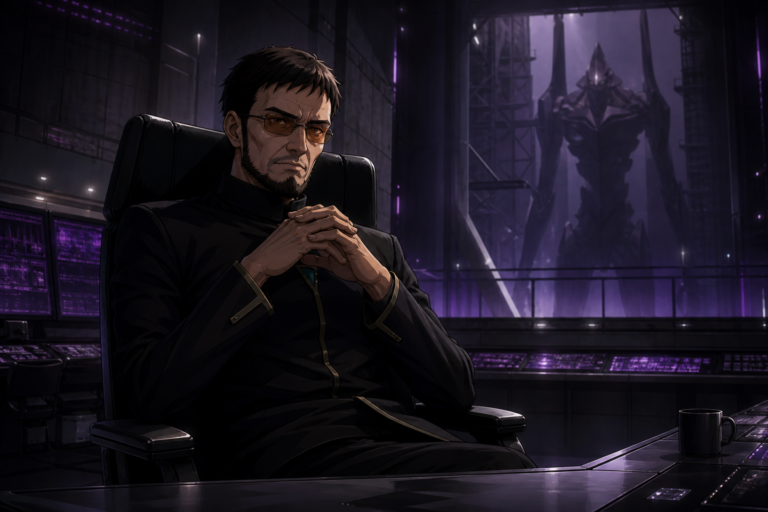
Gendo Ikari commands NERV with a calm voice and a private agenda. This Evangelion character profile examines the father, strategist, manipulator, and grieving man behind Human Instrumentality.
Ritsuko Akagi keeps NERV alive through science while repeating the emotional trap that destroyed her mother. Meet Evangelion’s chief scientist, MAGI operator, and guarded truth keeper.
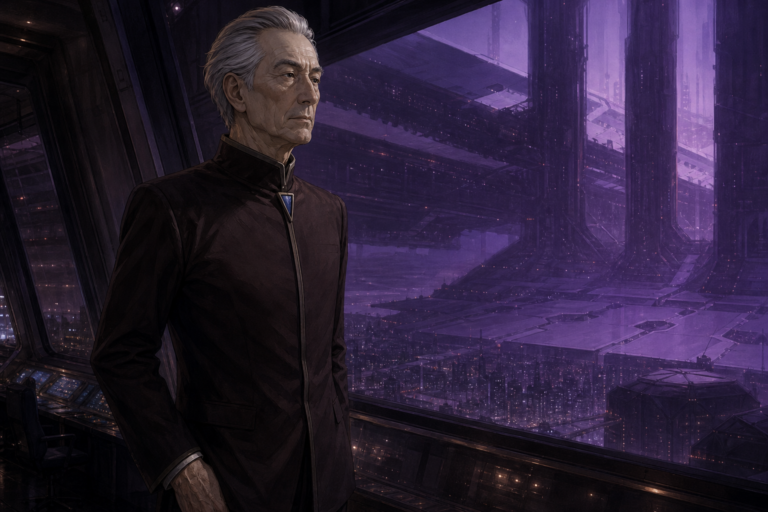
Kozo Fuyutsuki sees NERV’s conspiracy before the organization exists, then helps guide it to Instrumentality. Meet Evangelion’s professor, deputy commander, witness, and informed accomplice.
Ryoji Kaji smiles through Evangelion’s conspiracy while investigating NERV, SEELE, and the government. Meet the triple agent, reluctant mentor, former lover, and watermelon gardener.
Long-form reviews separate the television series, original films, and four Rebuild movies so each work can be judged on its own structure, humanity, ending, and adaptation choices.
Neon Genesis Evangelion turns a robot war into a brutal study of children carrying adult systems, damaged relationships, and the terrifying cost of needing other people.
Evangelion: Death & Rebirth turns the television series into a musical memory trial, then delivers half of a promised theatrical ending. RaeRae reviews the recap, production history, symbolism, controversy, criticism, and current viewing route.
Evangelion: 1.0 You Are (Not) Alone rebuilds the opening six episodes into a cinematic argument about coercion, isolation, national labor, and a continuity already changing beneath Shinji.
Evangelion: 2.0 You Can (Not) Advance breaks the remake route through Asuka, Mari, Rei, Eva-03, Zeruel, Near Third Impact, and Shinji’s dangerous belief that love can overpower a system.
Go deeper into Instrumentality, NERV, SEELE, Angels, Eva units, AT Fields, Impacts, LCL, synchronization, manufactured personhood, and the control systems beneath the battles.
Human Instrumentality promises an end to loneliness by removing the boundaries between people. This guide explains the plan, competing versions, and emotional cost.
NERV fights the Angels while SEELE controls the scenario behind the curtain. This guide maps the factions, leaders, money, secrets, and competing apocalypse plans.
Evangelion’s Angels are not one species with one strategy. This guide explains their names, bodies, attacks, goals, and connection to Adam, Lilith, and humanity.
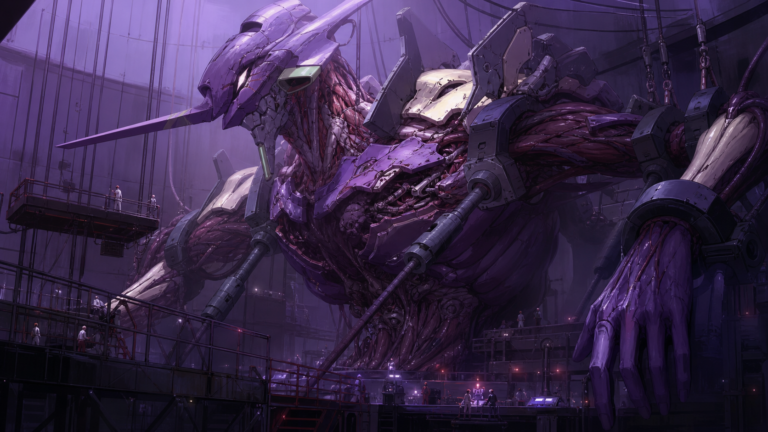
Evangelion Units look like giant robots, but armor hides living bodies, human souls, and biological systems. This guide explains what each Eva actually is.
Japanese performer profiles connect exact production credits to direction, timing, ensemble chemistry, and the emotional choices that make familiar characters change across eras.
Megumi Hayashibara makes Rei Ayanami’s silence active, precise, and painfully human across Evangelion’s original anime, theatrical ending, and rebuilt continuity.
These editorials examine child labor, compliance, self-sacrifice, grief used as governance, and adults who keep calling trauma a readiness problem. Anger remains accountable to evidence and scenes.
Anime keeps praising exhausted children for saving broken systems, then forgets to ask why every adult plan required a child to collapse. Heroism can answer an emergency, but repeated self-sacrifice is not public policy.
NERV calls child deployment protection. RaeRae follows the coercion, hazardous labor, surveillance, and adult systems that make refusal almost impossible.
Gendo’s grief explains his obsession. His grief does not excuse using Shinji, Rei, NERV, and Instrumentality to make private pain everybody else’s government.
Evangelion’s pilots are not failing readiness tests. NERV keeps measuring whether traumatized children can return to work instead of asking why the adults still need them to.