
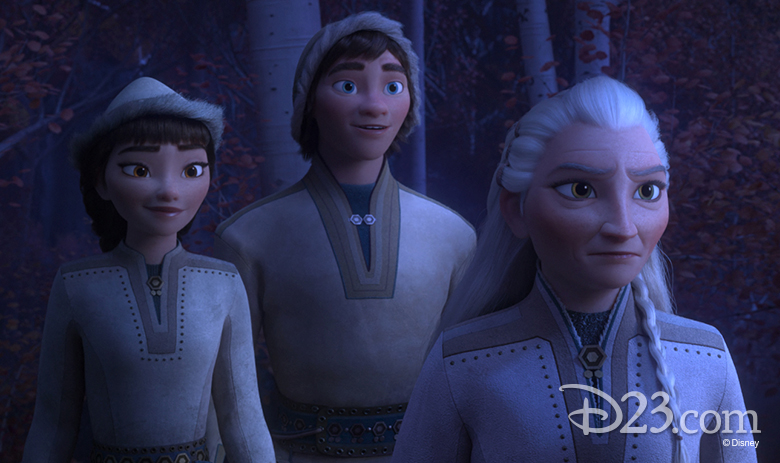
Frozen Character Profile · Northuldra Leader · Forest Elder · Keeper of Thirty-Four Years
Yelena
Leadership, land, Indigenous representation, justified distrust, reparation, and the community voice the sequel did not give enough time.
Profile
| Name | Yelena; also rendered Yelana |
|---|---|
| People | Northuldra |
| Role | Community leader and elder |
| Home | Enchanted Forest |
| English voice | Martha Plimpton |
| First appearance | Frozen II (2019) |
| Defining history | More than thirty-four years inside the mist |
| Current status | Leading the Northuldra after the forest reopens |
Reference rule
No promotional adjective is allowed to substitute for a documented life, relationship, or decision.
Leadership after the emergency
Yelena’s authority has been shaped by enclosure, danger, and the need to maintain community against an armed neighboring group. Once the mist opens, the skills required may change. Travel, negotiation, returning relatives, outside goods, visitors, and young people seeking different futures can challenge a leadership model built during crisis.
That transition should not be treated as evidence that tradition must surrender to modernity. It is a question of consent and political adaptation. Yelena can preserve knowledge while allowing debate over movement, schooling, technology, exchange, and relationship with Arendelle. A community surviving catastrophe deserves the narrative space to disagree about what freedom should look like afterward.
The original conflict through Yelena’s possible memory
The feature does not clearly establish Yelena’s age during Runeard’s attack or whether she personally witnesses the initiating violence. Her silver hair and elder status in the present do not prove she stood beside the murdered leader as an adult. The profile therefore separates community memory from eyewitness testimony. She can know her people were betrayed without the film giving her the camera angle Elsa later receives in Ahtohallan.
That distinction strengthens rather than weakens her position. Communities preserve history through survivors, material consequences, ecological change, and repeated testimony. Western stories often demand a single perfect witness before accepting Indigenous knowledge while treating a king’s archive as neutral. Yelena’s certainty that Northuldra did not initiate the betrayal comes from a living collective record, even though the screenplay saves final visual proof for Elsa.
Food, shelter, medicine, and the labor of continuity
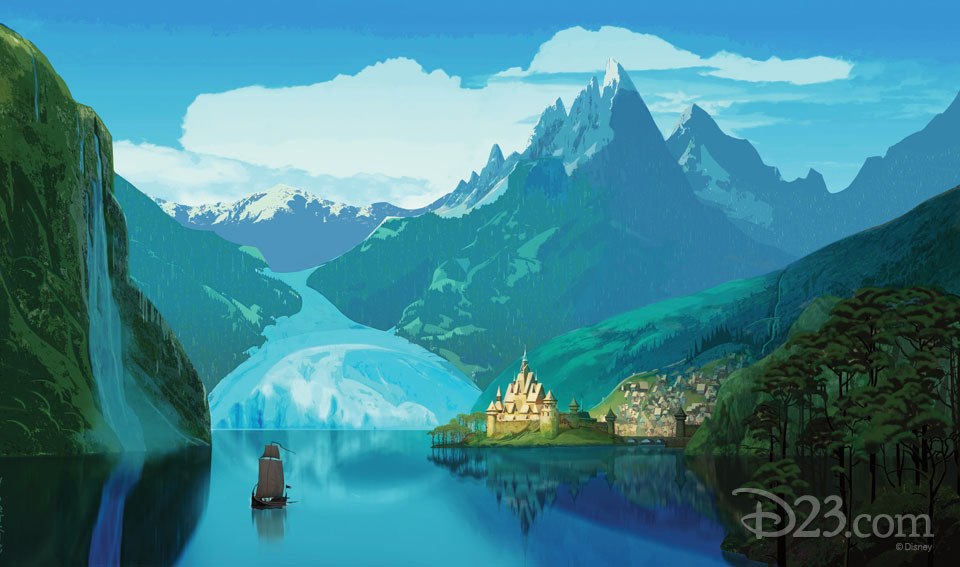
More than thirty-four years in one forest require an economy. Reindeer need movement and care. People need food preservation, shelter repair, clothing, tools, medicine, births, funerals, conflict resolution, and teaching. The mist removes trade and migration, so knowledge that might once have supported a mobile community must adapt to enforced enclosure.
Yelena’s leadership is most impressive in what the film leaves offscreen. The Northuldra do not meet Elsa as starving symbols waiting for rescue. They have sustained community under extraordinary restriction. That survival should not be romanticized as proof the imprisonment was harmless. It demonstrates labor, skill, and collective resilience the plot uses without pausing to credit.
Children born behind the mist
Ryder’s longing to see the outside implies a generation whose entire geographical imagination comes from stories. People born after the barrier would know Arendelle as enemy history, unseen place, or inherited warning rather than lived neighbor. Yelena has to lead both those who remember before and those who cannot.
Generational leadership creates competing needs. Elders may prioritize protection because they carry the violence. Younger adults may value movement, exchange, and futures unavailable inside confinement. A strong continuation would let Yelena negotiate those differences rather than positioning every Northuldra person as automatically content to remain near the spirits once the forest opens.
Grief without burial certainty
The battle, mist, and decades of separation create ambiguous loss. Northuldra families may not know which relatives escaped, died, or lived outside. The film does not show graves, memorials, or the ritual treatment of those killed during Runeard’s attack. Yelena leads people whose grief cannot receive confirmation from beyond the barrier.
When the mist lifts, opening the forest may reopen mourning. Survivors can discover that everybody they hoped to find has died of age, that descendants do not know them, or that official Arendellian history blamed their community. Reconciliation begins with truth, but truth also produces a second wave of loss. Yelena needs authority over how that grief is held publicly.

Who controls the story after the dam falls
Anna knows the evidence because Elsa sends it from Ahtohallan. Mattias accepts it and helps act. Yelena’s people live the consequence. If Arendelle alone writes the official correction, the kingdom can turn accountability into another royal redemption story centered on the courage of its new queen.
Northuldra testimony must shape archives, schools, memorials, maps, and the language used for Runeard. Yelena is positioned to insist that the story begin before Anna’s moral decision and continue after Elsa saves the city. Repair should not praise Arendelle for dismantling the weapon it built more loudly than it names the people who survived beneath it.
Elsa as guest, relative, and fifth spirit
Elsa’s mother is Northuldra, her power is connected to Iduna’s rescue, and her role links people with nature. Those facts give her genuine kinship and spiritual significance. They do not automatically give her cultural fluency, political authority, or a lifetime of Northuldra experience.
Yelena can welcome Elsa while expecting her to learn. The distinction protects both characters. Elsa does not need to perform instant mastery of her mother’s culture, and Yelena does not need to hand leadership to a magical royal newcomer. Kinship becomes a relationship practiced over time rather than a blood-based passport that resolves every difference.
Anna as queen and negotiating partner
Anna orders the dam’s destruction before she holds the crown, then becomes queen in the repaired political order. Her willingness to accept Arendelle’s possible loss establishes moral credibility, but Yelena still needs mechanisms for negotiation that do not depend on personal affection.
Future agreements should survive disagreement, succession, and distance. Water use, access through the forest, tourism, trade, military presence, cultural materials, environmental protection, and public education all require consent. Yelena’s role can turn the sequel’s promise into policy if the franchise lets Northuldra interests remain specific rather than assuming the sisters’ ancestry makes conflict impossible.
The limits of the word tribe
Official English materials often call Northuldra a tribe, while also presenting a people with territory, history, leadership, economy, families, and political relationship to Arendelle. “Tribe” can become vague shorthand that makes a fictional Indigenous community seem smaller or less institutionally complex than a kingdom.
This profile uses Northuldra people or community where possible and quotes official terminology only when relevant. Language shapes the hierarchy of the story. Arendelle receives king, queen, army, diplomacy, and state history. Northuldra deserve analysis that recognizes governance and sovereignty even when the screenplay leaves formal structures thin.
Artwork responsibility
The featured fan art uses an original northern forest design and CVM Sekai colors. It deliberately avoids copying film costume or presenting itself as documentary Sámi dress. The art was regenerated after an earlier version leaned toward generalized pan-Indigenous shorthand through fringe and jewelry.
That correction belongs in the editorial record because visual respect is part of research. “Indigenous-looking” is not a coherent design category. Northern cultures should not be blended with Plains-coded motifs for instant readability. Original fan art can interpret a fictional character while still refusing stereotypes and clearly stating that it is not an ethnographic source.
Bottom line first
Yelena is the adult who has kept a community alive inside a lie for more than thirty-four years. She distrusts Arendelle because Arendellian soldiers arrived with a false gift, violence followed, the spirits sealed the forest, and nobody from the kingdom returned with truth. Suspicion is not a personality defect. It is evidence-based leadership.
Her problem as a character is not shallowness of premise. It is shortage of screen time. The film needs her to represent Northuldra caution, recognize Iduna’s scarf, test Elsa, accept a truce, and stand beside the repaired future, but rarely lets her want anything unrelated to community protection.
Profile and identity
Yelena, also rendered Yelana in official and licensed materials, is the elder leader of the Northuldra community inside the Enchanted Forest. She has lived through decades of confinement after the conflict between King Runeard’s expedition and the Northuldra.
Martha Plimpton provides her English voice in Frozen II. The feature does not give an exact age, surname, biological family tree, named predecessor relationship, or formal constitutional description of Northuldra leadership.
The name spelling file
The film’s end-credit materials and many references use Yelena, while Disney promotional text and licensed publications also use Yelana. Both forms appear in official franchise circulation.
A reference page should not pretend the variation is two characters or silently call one fan error. This profile uses Yelena in the title while recording Yelana as an established alternate rendering.
Dashboard: confirmed and unknown
Confirmed: she leads the Northuldra, protects her community, distrusts Arendellians, has lived through the trapped decades, recognizes the significance of Iduna’s scarf, accepts a temporary truce, witnesses the dam’s fall, and remains in the forest after it opens.
Unknown in feature canon: exact age, parents, partner, children, full role during the original battle, whether she personally knew young Iduna, the procedure that selected her as leader, and the complete post-film political arrangement with Arendelle.
Leadership before the visitors arrive
Yelena’s authority exists before Elsa enters the forest. She does not become important because a queen notices her. Her community already looks to her during danger and negotiation.
Leadership under magical confinement requires daily material competence. Food, shelter, reindeer, conflict boundaries, childhood, illness, aging, spiritual relationships, and memory all continue even while the outside world disappears.
Thirty-four years inside the mist
The trapped period consumes an adult lifetime. Children can be born and become adults without seeing beyond the forest. Elders can die without returning to wider family or land.
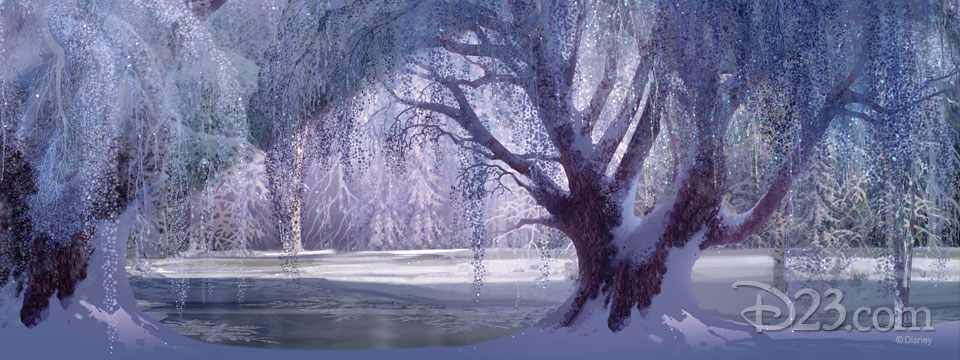
Yelena’s leadership must hold time as well as territory. She protects people from soldiers, spirits, despair, and the erosion of a future nobody can verify still exists outside.
The soldiers as permanent neighbors
Northuldra and Arendellian soldiers remain in hostile proximity for decades. They preserve opposing accounts of who began the battle.
The film implies boundaries and recurring tension rather than continuous warfare. Long survival requires restraint, observation, and some form of practical coexistence even when trust never forms.
Why distrust is rational
The last official Arendellian encounter brought a dam framed as a gift, military force, death, and magical confinement. No later delegation arrives with apology or evidence because nobody can cross the mist.
Yelena therefore evaluates Elsa and Anna through historical risk. A crown and friendly introduction cannot erase what a previous crown did. Requiring immediate warmth would make her irresponsible.
The awakened spirits
Elsa’s call and Arendelle’s evacuation coincide with the spirits becoming active again. From inside the forest, new magical disruption arrives with another Arendellian queen.
Yelena has reason to ask whether Elsa’s power is threat, answer, or both. Her skepticism is a test of consequence rather than a denial that magic exists.
First encounter with Elsa
Elsa enters with magic powerful enough to control Gale and later calm Bruni. Yelena sees an Arendellian ruler doing what Arendellian history taught her should be impossible.
Official character material frames the contradiction directly: why would nature gift magic to a person from the kingdom that feared and attacked it? The question drives the film’s historical mystery.
First encounter with Anna
Anna arrives as Elsa’s sister and another daughter of Arendelle’s royal family. She has no visible elemental power but speaks with urgency and loyalty.
Yelena does not yet know that Anna will become the person willing to destroy the dam. The relationship begins with political caution rather than the instant emotional recognition Elsa receives through magic.
Recognizing Iduna’s scarf
The scarf provides material evidence that Elsa and Anna’s mother was Northuldra. The discovery changes the social map before it solves the history.
Yelena can recognize cultural material without the film proving she knows every detail of Iduna’s childhood. Recognition establishes kinship and origin, not a complete personal biography.
Our mother was Northuldra
Elsa and Anna learn that their family belongs to both sides of the conflict. Yelena receives proof that Arendelle’s royal line includes a Northuldra woman.
Mixed ancestry does not automatically absolve a state or transfer Northuldra authority to the sisters. It creates relationship and responsibility. The dam still stands, and the initiating crime remains undiscovered.
The temporary truce
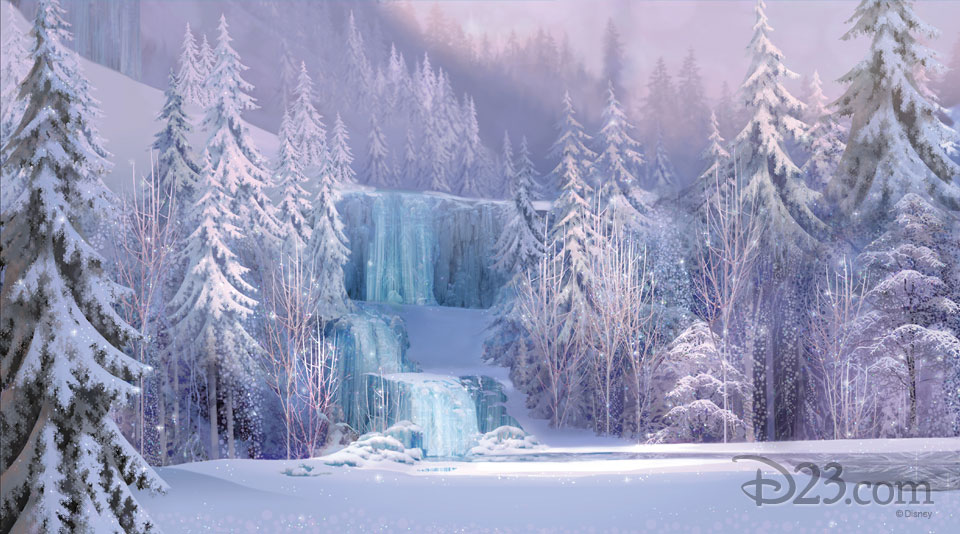
Yelena and Mattias agree to suspend hostility while the newcomers investigate. The truce creates time without demanding emotional reconciliation.
This is careful leadership. Peace begins as a procedure that reduces immediate harm and allows evidence to emerge. Nobody must falsify memory to participate.
Listening to nature
Official descriptions emphasize Yelena’s belief that people must understand the forest and listen when nature speaks. The principle is practical and ethical, not merely mystical.
Water level, animal movement, fire, wind, rock, season, and spirit response all convey consequences. Listening requires adjusting human action rather than treating land as silent property.
The four spirits
Northuldra life exists alongside Gale, Bruni, Nokk, and the earth giants. The spirits are active agents capable of play, danger, protection, and refusal.
Yelena is not shown commanding them. Her leadership comes from knowledge and relationship, avoiding the colonial fantasy that an Indigenous elder exists to give magical creatures orders for visiting heroes.
Reindeer and community
The Northuldra keep large reindeer herds and organize part of daily life around them. Ryder’s role gives the practice a named character, while Yelena leads the broader community.
Reindeer are not background proof of closeness to nature. They involve knowledge, labor, movement, food systems, care, and cultural history. The film gestures toward a living economy without giving it enough narrative time.
Relationship file: Honeymaren
Honeymaren belongs to the community Yelena protects and becomes an important conversational bridge for Elsa.
The film does not formally state a family relationship or succession plan. Treating Honeymaren as Yelena’s daughter or guaranteed heir would turn plausible fandom organization into unsupported canon.
Relationship file: Ryder
Ryder brings humor, curiosity, and a desire to see beyond the forest. His restlessness creates a generational perspective different from leadership shaped by confinement.
Yelena must protect continuity while younger people imagine movement. A future story could make that tension productive rather than presenting community as one shared personality.

Relationship file: Mattias
Yelena and Mattias lead communities separated by blame and joined by captivity. Each believes the other side began the conflict.
Their later cooperation does not erase decades of tension. It demonstrates that leaders can act together when new evidence changes what loyalty requires.
Relationship file: Elsa
Elsa’s magic and Northuldra ancestry make her legible as both outsider and relative. Yelena softens when Elsa demonstrates understanding of the forest and concern for its people.
The ending places Elsa near the Northuldra and spirits, but does not make her Yelena’s ruler. Magical role and community leadership remain different forms of responsibility.
Relationship file: Anna
Anna becomes the royal decision-maker willing to destroy the dam. Her lack of elemental power does not make her the less important bridge.
Yelena’s post-film relationship with Queen Anna should include land, history, water, movement, reparative policy, and direct Northuldra voice. Kinship alone cannot substitute for negotiation.
The Kristoff proposal mistake
Kristoff accidentally addresses Yelena during one failed attempt to find Anna and propose. She rejects the confusion and tells him Anna has moved on.
The gag gives Yelena comic timing but briefly uses an older woman as mistaken romantic target. Her concise response preserves dignity and refuses to prolong the joke at her expense.
The truth about Runeard
Elsa discovers Runeard’s private murder and sends the evidence to Anna before freezing. Yelena does not witness Ahtohallan directly.
The truth confirms Northuldra innocence and exposes the dam as a weapon. A complete repair should include Yelena and her community hearing, recording, and shaping how the history is publicly told.
The dam must fall
Anna understands that the physical structure continuing Runeard’s project must be destroyed. Yelena’s community has lived with its ecological and spiritual consequence for decades.
The film gives the climactic action to Anna and Mattias, leaving Yelena outside the mechanics of destroying the structure that harmed her people. That choice centers royal moral awakening over Indigenous agency.
When the mist opens
The dam falls, water moves, the spirits release the forest, and the barrier opens. Northuldra people regain access to a world that has aged without them.
Freedom creates practical questions the ending does not address: borders, travel, relatives, land rights, trade, records, compensation, and whether community members want to leave or remain.
Elsa stays near the forest
Elsa chooses a role with the spirits and remains connected to Northuldra life while Anna rules Arendelle.
Yelena’s continued leadership matters because Elsa’s arrival should not replace the community’s political authority. A magical bridge can support relationship without becoming a colonial governor in softer clothing.
Reparation beyond one broken dam
Destroying the dam removes the central material harm and prevents Arendelle from preserving Runeard’s project. It is necessary, not complete.
Repair could include truthful education, resource restoration, shared water governance, memorialization, open archives, land guarantees, and Northuldra control over how culture is represented. The film ends before policy begins.
Leadership without an institution on screen
The movie presents Yelena as leader but gives little detail about councils, decision-making, spiritual roles, disagreement, or accountability. Licensed material suggests broader elder governance in some periods.
A community should not be reduced to one wise woman who speaks for everyone. Her leadership becomes richer when understood as relational work, not unexplained personal authority.
The wise Indigenous elder problem
Yelena fits a familiar media type: older Indigenous woman, skeptical of outsiders, spiritually knowledgeable, protective, and available to validate the protagonist after a test.
The type can carry dignity while restricting interior life. The film rarely shows private desire, humor beyond one gag, grief, contradiction, or relationships not organized around leadership. Representation deserves analysis without pretending archetype equals complete character.
Matriarchy and projection
Academic analysis has read the Northuldra presentation as matriarchal because Yelena visibly leads and female spiritual symbolism carries thematic weight.
One female leader does not by itself document an entire social system. The film supplies too little governance detail to make a full anthropological claim. “Matriarchal coding” is safer than declaring a complete constitutional fact.

Sámi inspiration and the consultation agreement
Northuldra draw from Sámi inspiration, and Disney worked with Sámi representatives through a formal consultation agreement for Frozen II. The production also involved Sámi cultural and musical contributions.
Northuldra remain fictional and cannot stand in for all Sámi people. A profile should name living cultures, avoid generic mystical language, and never treat film costume as an authoritative guide to ceremonial dress.
Religion-making and the nature-person trope
Scholars have examined how the film constructs Indigenous religion through visible elemental agents and Northuldra relationships with land and reindeer.
That construction can affirm agency in nature while also simplifying a people into spiritual closeness. Yelena needs political, economic, familial, and ordinary dimensions so “listens to nature” does not become her entire humanity.
Martha Plimpton’s performance
Plimpton gives Yelena restraint, authority, suspicion, dry timing, and a voice capable of softening without losing vigilance.
The performance helps communicate years the script does not narrate. A measured pause can suggest that trust is being evaluated rather than granted because the plot needs movement.
Design and silver hair
Visual development uses age, silver hair, practical layers, and a leader’s silhouette to distinguish Yelena within the Northuldra group.
Design can communicate position while risking instant “wise elder” coding. The character needs action and relationship to keep visual authority from becoming a substitute for biography.
Dangerous Secrets and leadership continuity
The licensed novel Dangerous Secrets expands Northuldra history and describes council structures before the conflict, creating additional context for leadership.
That material belongs in the publishing branch. It can explain how community governance changes under confinement without being silently inserted into every feature-film claim.
Guides, books, and games
Yelena appears in official guides, retellings, and licensed franchise material that may alternate name spellings and expand community detail.
Each source should be attributed. Repetition across merchandise copy does not automatically turn a promotional adjective into a complete arc.
Reception and underuse
Viewers often appreciate her dignity, caution, and female elder leadership while criticizing how little the film lets Northuldra characters drive the resolution.
The underuse is structural. The story is about harm to Northuldra land, yet the emotional climax belongs mainly to Arendelle’s descendants discovering their family truth.
What Wikipedia has that this page must exceed
The encyclopedic floor includes her leadership, protectiveness, distrust, response to Elsa’s magic, truce, performer, Northuldra identity, and appearance in the sequel.
CVM Sekai adds the trapped decades, governance, reparation, land, cultural consultation, archetype criticism, name variation, community agency, and precise boundaries around what the film does not tell us.
Future file
Yelena should be central to any continuing Northuldra-Arendelle relationship. She can negotiate with Anna, challenge Elsa, oversee historical repair, and represent community priorities without becoming an exposition kiosk.
She also needs private stakes: family, friendship, grief, pleasure, fear of change, and disagreement with younger Northuldra. Leadership becomes human when the leader is allowed a life beyond protecting everyone else.
Sources and certainty
Primary sources include Frozen II, official Disney and D23 character descriptions, published credits, production interviews, and official sequel guides.
Academic work helps analyze religion-making and Indigenous representation. Licensed novels and guides remain labeled. Interpretation, cultural critique, and feature canon do not collapse into one voice of certainty.
Frozen coverage
Return to the Frozen hub for every character, review, React, rant, and guide.