
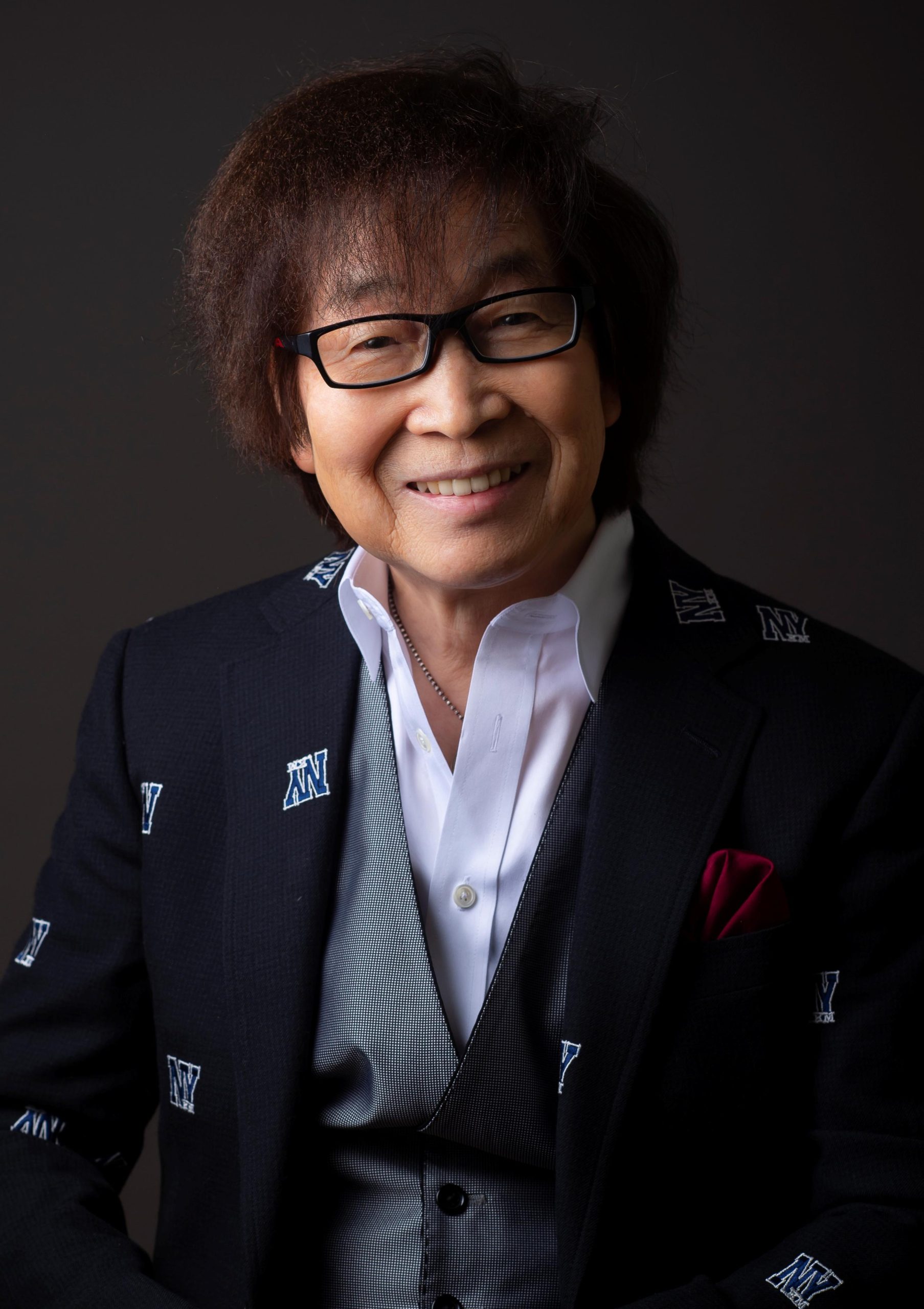
Toshio Furukawa: Fist of the North Star Japanese Voice Actor Profile
Profile at a Glance
Toshio Furukawa voices Shin in the original Japanese Fist of the North Star anime. Aoni Production’s official profile also identifies him with Piccolo in Dragon Ball, Kai Shiden in Mobile Suit Gundam, Ataru Moroboshi in Urusei Yatsura, Portgas D. Ace in One Piece, and many decades of narration and screen work.
That range matters because Shin requires elegance, wounded pride, threat, and self-deception at once. A flat villain growl would make the Southern Cross arc much smaller than it is.
Shin Before the Performance Becomes a Verdict
Shin enters carrying Kenshiro’s scars, Yuria’s captivity, and a city built to turn private obsession into public architecture. Furukawa cannot ask the audience to forgive that. He must make the emotional mechanism legible without letting legibility become innocence.
The performance therefore leans into control. Shin often sounds as though he has already arranged the room, the answer, and the person speaking back to him. The calm is not peace. It is a man holding panic behind posture.
Pride, Intimacy, and the Sound of Possession
Shin speaks to Kenshiro with the intimacy of someone who knows exactly where to wound him. Rivalry gains force from history. The voice carries contempt, recognition, and the need to prove that stealing another man’s future can create legitimacy.
With Yuria, refinement becomes more disturbing. Courtesy cannot transform captivity into love. Furukawa lets the smoothness expose the contradiction: Shin wants to be chosen while building a world in which choice has been removed.
Why the Range Matters
Furukawa’s career includes heroes, comic leads, military characters, monsters, and narrators. That breadth helps Shin avoid one emotional setting. He can sound aristocratic, reactive, wounded, amused, or suddenly exposed without losing the same recognizable center.
The role works because technique serves consequence. Volume arrives after pressure. Silence lets a line hang long enough for the audience to hear what Shin is refusing to admit.
Career Context From the Official Record
Aoni Production lists Furukawa as born July 16 in Tochigi City and trained through Nihon University’s College of Art, Department of Theatre. The agency also records stage-company experience, narration, radio, film dubbing, and a vocal range from A to F.
His official honors include a merit award at the 18th Seiyu Awards and an anime achievement honor at Tokyo Anime Award Festival 2024. Those credits describe longevity, but the Shin performance matters because it shows how early command of character contradiction already was.
Era Credit and Remake Boundaries
This profile credits Furukawa for the productions he actually performed. Later adaptations, games, and the Remake may use different Japanese actors. A familiar franchise role does not justify flattening every era into one cast list.
When the Remake cast is officially confirmed, CVM Sekai will identify that performer separately and compare interpretation only where recordings provide evidence.
RaeRae’s Performance Verdict
Furukawa makes Shin sound like a man who thinks beauty can discipline violence into love. The performance understands that polished speech can carry coercion more effectively than a roar.
That is why Shin’s collapse lands. The voice does not suddenly discover humanity at the end. It reveals the humanity he used to rationalize ownership all along.
The Voice Enters Before Shin’s Explanation
Shin must establish refinement and danger before the story has time to unpack the emotional machinery beneath Southern Cross. Furukawa’s voice arrives already controlled, placing each phrase as though the outcome has been decided.
That certainty gives the later cracks meaning. The performance does not begin with instability on display. It begins with a man who has made instability everybody else’s problem.
A High Baritone Can Carry Beauty and Threat Together
Tokyo Anime Award Festival describes Furukawa as a versatile high-baritone craftsman, language that helps explain Shin’s balance. The sound can remain elegant without losing weight, allowing attraction and warning to occupy the same line.
A simpler villain register would separate charm from coercion. Furukawa makes them inseparable, which is why Shin’s courtesy can feel more dangerous than shouting.
Control Lives in Breath, Not Only Volume
Shin often sounds strongest when the performance resists immediate release. Measured breath and held tempo create the impression that emotion has been arranged behind the sentence. The listener hears pressure because the voice refuses to spill it.
When intensity rises, the contrast registers as structural failure rather than ordinary loudness. A man built around control becomes audible at the moment control stops protecting him.
Kenshiro Hears a Shared Past Inside the Rivalry
The scenes between Shin and Kenshiro require more than antagonist energy. Their voices carry recognition, wounded intimacy, and knowledge of where the other man’s identity is most vulnerable. Furukawa lets contempt sound personal rather than generic.
That history makes rivalry emotionally efficient. A line can attack the present while reopening the moment Shin tried to make possession look like destiny. The performance turns exposition into relationship.
Yuria’s Captivity Changes How Refinement Sounds
Polished speech can tempt an audience to read Shin as romantic because the form resembles courtship. The material reality is captivity. Furukawa’s refinement becomes ethically important when it reveals how coercion prefers to describe itself.
Shin wants recognition from a woman whose freedom he has constrained. The smoothness does not soften that contradiction. It makes the self-deception clearer: he believes beauty can make ownership feel chosen.
The Performance Does Not Need to Make Shin Innocent
Character depth is sometimes mistaken for exoneration. Furukawa gives Shin emotional logic without asking the listener to forget what that logic does to other people. The role becomes human because intention and consequence remain separate.
This is harder than playing pure menace. The actor must reveal pain while refusing to let pain become moral authority. Empathy remains an instrument of understanding, not a verdict.
Ataru Shows the Elasticity Behind Shin
Aoni Production’s official record identifies Furukawa with Ataru Moroboshi in Urusei Yatsura, a comic lead requiring speed, appetite, panic, and rapid tonal movement. That work demonstrates how far his performance energy can stretch beyond Shin’s control.
The comparison is not a claim that the characters sound alike. It shows the actor’s command of rhythm. Shin’s restraint is a chosen construction, not the limit of the instrument.
Piccolo Shows Authority Without Shin’s Possession
The agency also lists Piccolo across the Dragon Ball series. That role can carry severity, discipline, mentorship, and care without relying on Shin’s romantic entitlement. Authority takes another moral shape.
Comparing the performances clarifies craft rather than ranking characters. Furukawa can give weight to silence and command while changing what that command protects. Vocal power does not dictate ethical meaning.
Kai Shiden Makes Defensive Intelligence Audible
Kai Shiden in Mobile Suit Gundam adds another register to Furukawa’s official career record: skepticism, quick social reading, fear, and courage that does not arrive as uncomplicated heroism.
That breadth matters to Shin because wounded pride needs intelligence. He is not frightening only because he can fight. He is frightening because he reads intimacy strategically and uses what he understands.
Ace Shows Warmth at a Different Scale
Portgas D. Ace in One Piece, also listed by Aoni Production, carries warmth, loyalty, humor, and emotional openness within a physically powerful role. The credit demonstrates that masculinity in Furukawa’s range is not confined to control.
Again, the value is contrast. Shin’s withholding is performed, not inevitable. The same actor can make strength sound relational elsewhere, revealing how specifically Shin chooses distance.
Training and Stage Experience Support the Architecture
Aoni Production records Furukawa’s study in Nihon University’s College of Art Department of Theatre and experience across stage companies. Theatre training is relevant because Shin’s authority depends on spatial and rhetorical architecture as much as isolated sound.
The performance understands entrance, pause, projection, and the direction of attention. Shin speaks as though Southern Cross itself is listening for cues.
Voice Samples Are Evidence of Range, Not a Shortcut to Analysis
The official agency page provides voice samples alongside biographical and credit information. Samples can demonstrate pitch, texture, and commercial versatility, but they do not replace listening to a performance inside scene, edit, music, and relationship.
This profile therefore uses the official record to establish facts and the anime to analyze consequences. Biography and criticism remain connected without becoming interchangeable.
The 2024 Honors Recognize a Career, Not One Role
The 18th Seiyu Awards lists Furukawa for a Merit Award, while Tokyo Anime Award Festival 2024 names him in its Anime Achievement category. Both honors recognize long contribution across the field rather than retroactively grading Shin alone.
That distinction matters. A profile can place Fist of the North Star inside a major career without pretending the franchise explains the career. Shin is one concentrated example of a much larger craft.
Era Labels Protect the Historical Record
Furukawa’s Shin belongs to the original Japanese anime era. Later games, adaptations, and the Remake may assign another performer, and those interpretations deserve their own credits. Familiarity cannot override production evidence.
Clear era labeling also helps comparison. Listeners can ask how pacing, direction, recording style, and adaptation emphasis change without flattening several actors into one franchise voice.
A Voice-Actor Profile Should Not Become a Character Biography
Shin’s story provides the scene context needed to analyze performance, but the page is about Furukawa’s choices. Retelling every plot turn would hide the actor beneath the character and duplicate the separate profile ecosystem.
The useful balance names what the scene demands, then listens to how breath, timing, register, restraint, and rupture answer that demand. Performance remains the subject.
RaeRae’s Final Performance Verdict
Toshio Furukawa makes Shin dangerous because he refuses the easy separation between elegance and coercion. The high baritone can sound beautiful, composed, intimate, and deeply unsafe in the same exchange. Shin’s self-deception gains a voice polished enough to believe itself.
The performance does not ask us to forgive him. It lets us hear how a man turns pain into entitlement and refinement into a cage. When the control finally breaks, humanity appears not as innocence but as the truth he spent an empire avoiding.
Official Source
Aoni Production’s official Toshio Furukawa profile confirms agency biography, selected credits, voice samples, training, and honors.