
THE LION KING REACT · PRIDE ROCK · THE LIE BREAKS WHEN THE SURVIVOR HEARS THE KILLER CLAIM THE MEMORY
The Lion King Return to Pride Rock React: Scar Confesses When He Thinks Shame Still Owns Simba
Simba returns before he feels ready, finds a kingdom starved by Scar’s rule, and nearly loses himself to the same accusation that sent him away. Scar’s confession does not create courage. It gives courage a truth strong enough to stand on.
The return begins with evidence that absence had consequences
Simba does not come home to a kingdom patiently waiting in suspended animation. The Pride Lands are damaged, prey has left, food is scarce, and the social order has become organized around Scar’s appetite and denial. His absence was understandable, but it was not consequence-free. The film lets responsibility enter without agreeing with Scar that responsibility for Mufasa’s death belonged to the child.
That separation is essential. Simba did not cause the murder. Adult Simba can still decide what he owes a community affected by the lie that removed him. Accountability becomes forward-looking rather than punitive. He cannot rewrite the gorge, but he can stop allowing the false story to determine who governs, who eats, and whether the pride has permission to name what happened.
Nala is not waiting to be rescued from a tower
Nala has already left the Pride Lands seeking help because remaining passive would guarantee collapse. She brings information Simba lacks and a political demand his jungle life never required him to face. Their reunion is romantic, but the return is not a romance errand. She is a witness from the community, a survivor of Scar’s rule, and the person willing to tell Simba that private happiness exists beside public consequence.
She cannot make the decision for him, and she should not have to flatter him into it. Her frustration protects the scale of the crisis. Simba wants the past to remain private because shame taught him the event belongs to his secret self. Nala insists that the effects are communal. The truth about leadership has to include the people who lived under the absence, not only the heir deciding whether he feels worthy.
Rafiki gives Simba memory without giving him an alibi
Remember who you are is often flattened into royal destiny. The scene is richer if identity means relationship, history, and values rather than a bloodline issuing an order. Rafiki reconnects Simba to Mufasa without claiming the father can make every decision from beyond death. Memory becomes a resource the living person must interpret, not a script that removes choice.
The reflection sequence also restores continuity. Scar’s lie divided Simba into the loved child before the gorge and the guilty exile after it. Seeing Mufasa within his own reflection refuses that split. He carries the relationship, the loss, and the capacity to choose without becoming a copy of his father. Inheritance is strongest when it creates agency rather than obedience.
Scar stages the confrontation as another public trial
He does not begin with a fair fight. He makes Simba confess responsibility before the pride because public shame was always the weapon. If Simba repeats the false story aloud, Scar can preserve authority even while losing physical control. The accusation turns private trauma into political theater, and the watching community receives only the version Simba has been trained to believe.
Simba’s backward movement toward the edge shows that adult strength does not automatically defeat childhood conditioning. His body returns to the gorge before the location does. Scar speaks, and the old verdict takes over posture, breath, and judgment. Trauma is not immaturity. It is a learned survival response arriving faster than the present can explain that the conditions have changed.
The confession is whispered because Scar still thinks he owns the ending
Scar tells Simba he killed Mufasa when he believes Simba is physically helpless and emotionally defeated. The line is not an accidental slip. It is domination. He wants the child he manipulated to die knowing the truth, with no time or power to use it. The confession becomes another attempt to control memory, except Scar misjudges what truth will do once shame loses its foundation.
Simba’s response is immediate because the revelation reorganizes years of pain. Anger enters where self-accusation had been. The energy is dangerous, but it is also clarifying. He can finally locate responsibility outside himself. Truth does not erase grief or restore the lost years. It returns moral direction, which allows action that shame had made impossible.
Making Scar confess publicly repairs the record
Simba could attack after the whisper, but the pride still needs evidence. Forcing Scar to admit the murder changes the confrontation from private revenge into restoration of shared reality. Sarabi, Nala, the lionesses, and the other witnesses deserve to know why Mufasa died and how succession was stolen. A kingdom cannot rebuild on a truth held only by the new ruler.
The public confession also returns agency to people Scar governed through misinformation. They can choose resistance with knowledge rather than simply transferring loyalty from one male lion to another. The film moves quickly through that collective shift, yet the change is important. Simba’s legitimacy cannot depend only on winning a fight. It depends on exposing the lie that made Scar’s rule possible.
Scar offers the hyenas as a shield because his alliances were always disposable
When cornered, Scar blames the hyenas and calls them the enemy. The move confirms that his coalition never included mutual loyalty. Hunger and resentment made them useful. Failure makes them expendable. Leaders who build power through scapegoats eventually need new scapegoats when consequences arrive, and Scar reaches for the same followers who enforced his rule.
The hyenas hear him. Their later response is not moral purification, but it is a consequence created by betrayal. Scar taught them that loyalty lasted only while useful, then discovered they had learned the lesson. The movie avoids giving Simba the final killing blow, which preserves his refusal to become an executioner while allowing Scar’s political method to close around him.
The rain does not rebuild the kingdom for them
Rain arrives with the visual force of renewal, but weather cannot repair governance, replenish every herd, rebuild trust, or address the labor expected from the lionesses after years of scarcity. The image is symbolic, not an administrative plan. I can accept the catharsis without pretending the first green shoot completes the work. Restoration begins after the victorious frame.
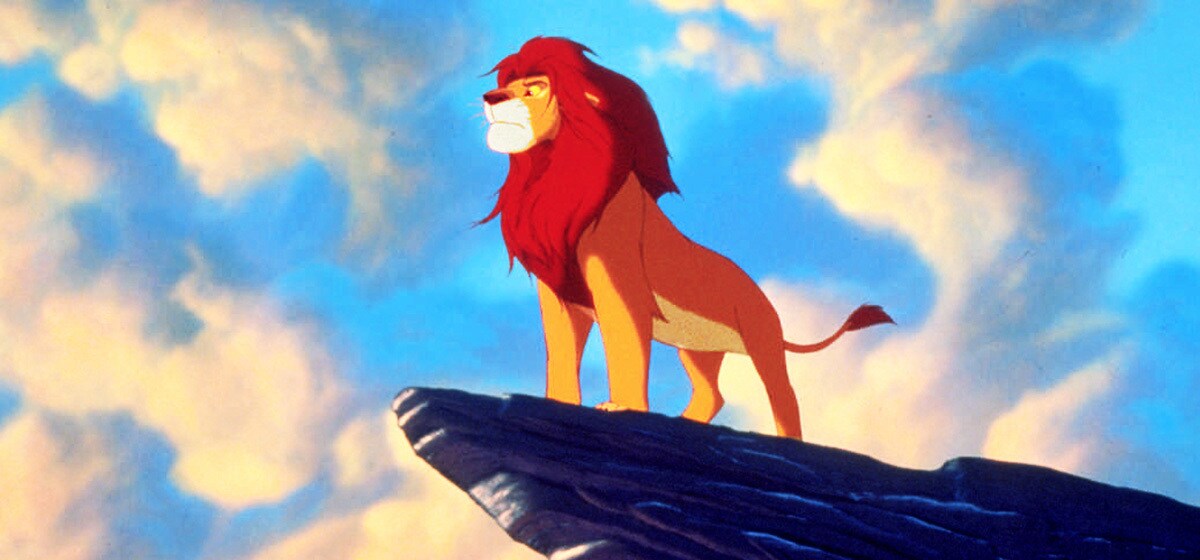
Simba’s roar announces return and responsibility, not proof of perfect readiness. A person can step into necessary work while still grieving, learning, and relying on others. The cleanest future would involve Nala, Sarabi, Rafiki, Timon, Pumbaa, and the pride shaping decisions rather than waiting for one king to embody every answer. The circle should describe interdependence, not excuse another concentration of power.
What I keep when Simba reaches the top
I keep the whisper that frees anger from shame, the demand for a public confession, Nala and the lionesses joining the fight, and the quiet second before Simba roars. I keep the truth that returning is not the same as going backward. He comes home carrying chosen family, years outside royal expectation, and knowledge of survival his father never had to learn.
The ending works because Simba does not become Mufasa again. He becomes a survivor capable of remembering Mufasa without living under Scar’s interpretation of the death. Pride Rock is not a reward for having the correct blood. It is a responsibility he can finally approach once the lie is named, the community can witness it, and his own memory belongs to him again.
The ruined landscape is evidence, not punishment from nature
Simba returns to visible scarcity, migration, and damage. The setting tells him that Scar’s rule produced consequences beyond the royal family. The rain has not yet arrived to simplify the moral picture. He has to walk through what absence allowed before he can speak from the top of the rock.
The film uses ecology as fable, but the material signs still matter. Empty ground means the lionesses have been hunting under impossible conditions. Hunger means political decisions entered bodies. Simba’s guilt about leaving should not merge with Scar’s lie about murder. He can reject false blame and still accept responsibility for what he chooses now.
Sarabi’s confrontation gives the return a witness
Sarabi has already challenged Scar before Simba reveals himself. She names the absence of herds and refuses to pretend obedience can manufacture food. Her resistance proves the kingdom did not begin fighting only when the heir arrived.
When Scar strikes her and Simba responds, family recognition collides with political evidence. The moment is emotionally powerful, but Sarabi’s prior courage should not disappear into the son’s entrance. She was speaking truth while believing both Mufasa and Simba were gone. The restoration owes her more than relief.
Scar makes shame public because secrecy built his reign
Scar forces Simba to repeat responsibility for Mufasa’s death before the pride. The performance converts a private wound into a political confession. If everybody accepts the lie, Scar can preserve moral control even while physical control weakens.
Simba backs toward the edge because the adult body still contains the child trained to obey Scar’s interpretation. The scene understands trauma as a rapid return of old conditions. Strength does not prevent it. Truth must interrupt the learned verdict before courage can find a direction.
The whispered confession is cruelty, not carelessness
Scar tells Simba the truth only when he believes death is certain. He wants the final moment to belong to him. The confession is another act of domination, offered so the survivor dies with knowledge that cannot repair the public record.
Scar miscalculates because shame depended on uncertainty. Once responsibility has a real location, Simba’s anger reorganizes the memory. The truth does not heal him instantly. It returns the ability to distinguish grief from guilt and gives his next action a moral target.
A private truth has to become a public record
Simba forces Scar to confess before the pride because removing the tyrant without exposing the lie would leave the community vulnerable to another version. Sarabi, Nala, the lionesses, and the wider kingdom deserve the history that shaped their losses.
The public admission changes resistance from loyalty to a returning prince into action grounded in evidence. The film moves quickly, but the distinction matters. Shared reality is part of repair. A ruler cannot build a healthy community by privately knowing the truth and asking everyone else to trust him.
Scar discards the hyenas exactly as he discarded Simba
Cornered, Scar blames the allies who enforced his reign. The move reveals that grievance was always a recruitment tool rather than a promise of shared power. He recognized their hunger, offered access, used their bodies, and marked them disposable when accountability arrived.
The hyenas hear the betrayal and later close the consequence around him. Their response is violent, not a complete political resolution, but Scar created the conditions. He taught every relationship as transaction and discovered that followers trained to expect betrayal will recognize it when spoken aloud.
The collective fight is larger than the duel
Nala, Sarabi, the lionesses, Timon, Pumbaa, and Rafiki participate in the battle. Simba’s confrontation remains central because the murder and lie are personal. Victory still requires a community deciding the regime has lost legitimacy.
The React refuses to let the climactic framing erase the ensemble. Timon and Pumbaa risk themselves for a land they did not know. The lionesses fight after years of survival. Rafiki exchanges spiritual distance for physical action. Restoration is collective before the final roar narrows the image again.
Rain is an opening credit for repair
The storm extinguishes fire and announces renewal, but no weather event restores prey populations, settles conflict, or processes the occupation. The first green image is hope, not proof that the work has finished.
Simba reaches Pride Rock with truth and courage. He still needs Nala’s current knowledge, Sarabi’s history, the lionesses’ labor, Rafiki’s memory, and the perspective exile gave him. A roar can accept responsibility. It cannot perform every responsibility alone.
The return should change the meaning of inheritance
Simba comes home with years Mufasa did not plan: insect meals, chosen family, anonymity, avoidance, and survival outside royal protection. If he simply recreates his father’s kingdom, exile becomes character decoration.
The stronger ending lets inheritance mean values examined through new experience. Simba can love Mufasa while sharing power differently, remembering Scar’s manipulation, and refusing to make another child’s identity depend on a crown. Return should carry history forward, not reset the rock.
What I keep when he finally roars
I keep the instant Scar’s voice loses ownership of the gorge. I keep Simba making the truth public, the lionesses joining the fight, and chosen family standing inside the old home without asking permission to count.
The roar lands because Simba is no longer fleeing the memory. It should be heard as a promise to remain present, not a certificate of perfection. The survivor has reclaimed interpretation of his own past. The leader still has to earn what happens next.
The home he reaches is allowed to be different
Return does not require restoring the exact world Simba left. Mufasa is gone, Scar’s rule changed every survivor, Nala crossed the border, and Timon and Pumbaa now belong to his family. A truthful home makes space for those changes.
The final scene becomes stronger when Pride Rock is a meeting place rather than a reset button. Simba can carry his father’s memory without copying every institution, accept the community’s need without claiming sole ownership, and let the life built in exile alter what leadership means after the rain.