
STITCH! · PRODUCTION SEASON 2 · EPISODE 6 · REACT
Stitch! Season 2 Episode 6: Princess by Alien Power!
Piko got the castle, the gown, and every compliment. Checkers made sure none of it meant what she wanted it to mean.
The episode record before the tiara becomes mind control
Episode: Production Season 2, Episode 6
Japanese title: エイリアン・パワーでお姫さま!
English card title: Princess by Alien Power!
Production branch: Stitch! Itazura Alien no Daibōken
Japanese voices central here: Kōichi Yamadera as Stitch and Motoko Kumai as Yuna Kamihara
Where to watch: Apple TV Japan and VideoMarket carry official Japanese episode listings. Availability changes by region.
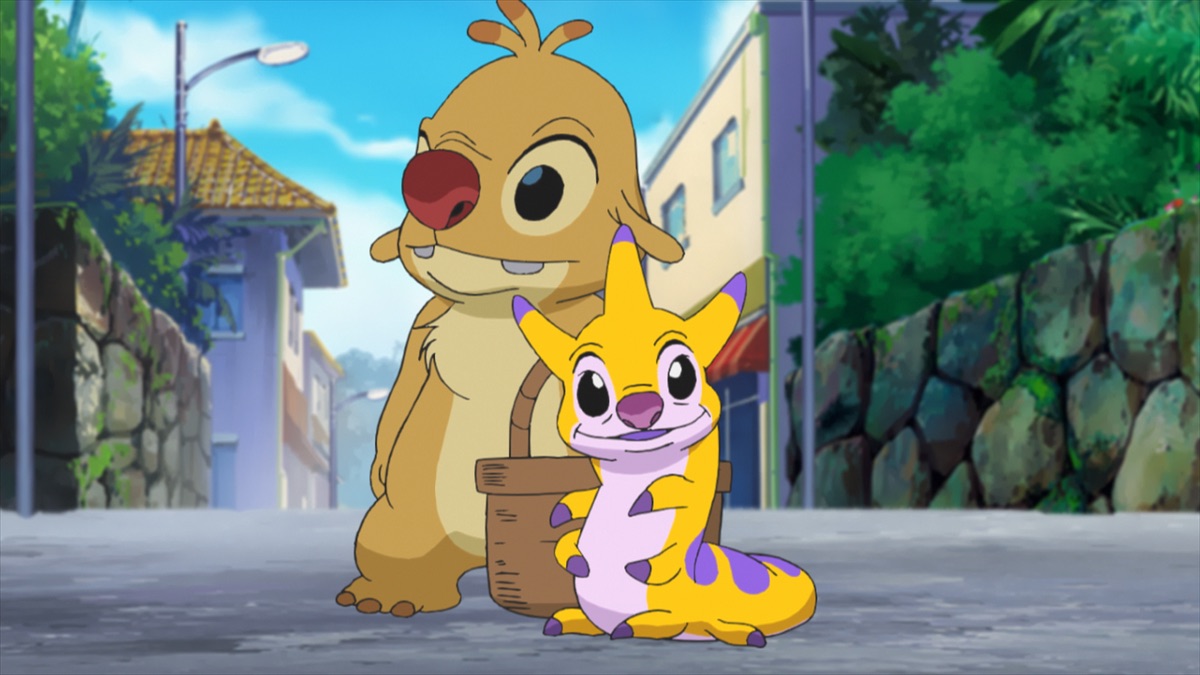
Piko dreams of becoming a princess so everybody will fuss over her. Experiment 029, Checkers, accidentally lands on her head and compels nearby people to treat the wearer like royalty. Piko orders Jumba to build a castle, dresses for the role, and enjoys the obedience. Checkers’ power does not affect Stitch, leaving him alone to recognize the coercion and restore the island.
My first reaction: Piko wanted attention and received a dictatorship
Wanting to dress like a princess is harmless. Wanting friends to celebrate you can be tender, insecure, or annoying without becoming evil. Checkers changes the fantasy by removing everybody else’s ability to choose participation. The castle, compliments, and service look festive while every smile has been compelled.
Piko’s responsibility begins when she notices people cannot refuse and keeps issuing orders. The alien power creates the condition. Her choices determine how far the harm spreads. Being young and dazzled by a dream explains the escalation. It does not make stolen consent decorative.
The princess fantasy is not the problem
Piko enjoys dresses, spectacle, status, and being admired. Stories often punish girls for caring about those things, as though rejecting femininity proves moral depth. Fashion and fantasy can be creative forms of play. A child can stage a royal afternoon with friends who agree to participate and stop when they want.
The ethical line appears at compulsion. A voluntary tea party lets roles rotate, rules change, and participants leave. Checkers produces obedience rather than play. Piko does not have companions sharing an imagined world. She has subjects whose autonomy has been suspended.
Critiquing her conduct should not require mocking the dress. The gown can remain beautiful while the social arrangement becomes ugly. That distinction lets Piko learn consent without learning that feminine pleasure itself deserves humiliation.
Checkers turns authority into a biological effect
Experiment 029 does not persuade people that Piko deserves leadership. The power bypasses judgment and creates the behavior associated with royalty. That difference exposes how authority looks from the outside. Bowing, service, praise, and compliance can resemble legitimacy even when nobody chose them.
The island needs to separate visible obedience from genuine agreement. If the spell ends and people reject every order, the earlier performance cannot be cited as evidence that Piko was popular or effective. Coerced approval has no democratic or relational meaning.
Checkers also deserves consideration as a living experiment. Did he choose Piko, act automatically, or seek a place where his function would be welcomed? Removing him may be necessary, but the response should not treat him as an object after his power caused everyone else to be treated like one.
Piko notices the power works and chooses expansion
An accidental landing gives Piko a brief period where she may not understand what happened. The moment people obey impossible requests without hesitation, she has evidence that something is wrong. Asking Jumba to build a castle shows she is testing and expanding the effect rather than seeking help.
Children test power. Adults are supposed to establish limits before the experiment becomes an island government. The absence of effective adults allows Piko’s insecurity to scale into public harm. Accountability belongs to her actions and to the systems that leave supernatural influence unmanaged.
Jumba building the castle is labor without consent
The castle appears as a visual joke, but construction requires design, materials, time, and physical risk. Jumba’s expertise is commandeered. Other residents may gather supplies or perform service they never offered. The magic does not erase the cost because the workers appear enthusiastic.
After the spell ends, Piko and the adults need to account for what was used. Materials should be returned or repurposed with permission. Damaged property needs repair. Nobody should be expected to laugh off forced labor because the result looks impressive.
Jumba also needs safeguards for an experiment capable of overriding an entire population. If he created Checkers, he owes the island more than an explanation after exposure.
Stitch’s immunity makes him free and socially isolated
Stitch remains unaffected while people he trusts insist Piko deserves obedience. Immunity gives him the ability to intervene and removes the reassurance of consensus. Everybody else experiences him as disrespectful or dangerous because their perception has been altered.
Standing alone requires more than physical courage. He has to trust his memory of Yuna and the island over the unanimous behavior in front of him. Season two’s first episode already showed him following a corrupted score against lived evidence. Here he faces the reverse challenge: reject a whole community’s corrupted feedback.
His growth appears when he investigates instead of deciding the crowd must be right. Independence can be moral when the crowd has lost the ability to choose.
Yuna under compulsion cannot give meaningful approval
Piko may feel vindicated when Yuna bows or praises her. That reaction carries no information about their relationship. Yuna’s body performs agreement while her actual preferences remain inaccessible. Using the performance to settle old rivalry would deepen the violation.
After release, Yuna deserves space to feel anger, embarrassment, or fear. People compelled in public may remember actions they could not control. The episode should not demand immediate forgiveness because Piko was also influenced by the fantasy. Repair needs to center those whose autonomy disappeared.
Leadership without refusal is service theater
A legitimate leader needs honest feedback, limits, and the possibility of losing support. Checkers removes all three. Piko can issue any order and receive affirmation, which means she cannot learn whether the order works or harms anyone. Absolute obedience makes leadership blind.
The castle becomes a stage where Piko performs importance while everybody else performs devotion. Nothing tests judgment. No adviser can say resources are insufficient. No resident can explain a need more urgent than the princess’s dress. The system gives her maximum attention and zero useful information.
The adults need a protocol for mind-altering experiments
Checkers is not the first experiment with power over behavior. The island should have response plans: identify the ability, isolate exposure, preserve unaffected communication, and assign somebody to remove the source safely. Depending on Stitch’s accidental immunity is not a strategy.
Jumba can maintain an experiment registry with triggers and countermeasures. Pleakley can prepare galactic legal guidance. Obaa can decide how local emergency authority works when normal consent is compromised. Yuna and the children need simple instructions they can remember during an incident.
The protocol must also protect the experiment from panic. Checkers needs secure care and a purpose that does not require overriding people. Containment and dignity can exist together.
Stitch should break the effect without treating enchanted people as enemies
The islanders may block Stitch because the spell makes his resistance look like rebellion. Fighting them directly risks injuring people who cannot control their actions. His target is Checkers and the influence, not the coerced crowd.
A thoughtful rescue uses evasion, noninjurious restraint, and Jumba’s knowledge. Stitch’s strength matters most when he refuses to use all of it against friends. The difference between defeating subjects and freeing them defines the episode’s heroism.
Piko needs accountability without a public humiliation ritual
Once the spell ends, the crowd may want to reverse the hierarchy by mocking Piko. That response would turn coercion into entertainment again. She needs consequences tied to harm: apology, restitution, participation in dismantling or repurposing the castle, and supervised care for Checkers if appropriate.
She also needs help naming the insecurity beneath the fantasy. Attention gained through force cannot soothe the fear of being replaceable. If every admirer is enchanted, Piko remains alone inside the performance. Real friendship requires risking an answer she cannot control.
Accountability can be firm without teaching that girls who want glamour deserve degradation. The problem was power without consent, not sparkle.
Compelled praise destroys the feedback Piko actually needs
Piko wants people to confirm that she is special. Checkers gives her endless confirmation and makes every word worthless. Praise carries meaning because the speaker could have withheld it, made it more specific, or offered criticism instead. Once refusal disappears, compliments become sound effects attached to power.
That loss should frighten Piko before the castle falls. She cannot know whether the dress works, whether a joke landed, or whether somebody enjoys her company. Every response has the same answer. The fantasy removes rejection and also removes recognition. Nobody can see her while the spell forces them to see royalty.
Learning to tolerate honest feedback would serve Piko better than learning to stop liking attention. She can ask friends what they genuinely admire, listen when they name difficult behavior, and build confidence that survives an answer she did not script.
The spell ending may not make people feel immediately free
Compulsion can leave shame after control returns. Islanders may remember praising Piko, carrying materials, or blocking Stitch while knowing the actions did not reflect their wishes. Intellectual knowledge that magic caused it may not remove bodily discomfort. People need privacy and time rather than a mandatory group laugh.
The community should explain the exposure clearly, confirm that affected people are not responsible for coerced conduct, and offer practical support. Children may need reassurance that adults can recognize and respond to future mind-altering effects. Workers need compensation or restitution for labor and materials taken during the episode.
Piko should hear impact without demanding that victims comfort her guilt. Her apology belongs to them. Their recovery does not exist to prove she learned the lesson quickly. Healing keeps its own schedule after control returns.
Checkers needs a home that respects his function and everybody around him
Experiment 029 cannot safely sit on random heads. His ability creates immediate community risk. A suitable home might involve performance, controlled simulation, or emergency training where participants knowingly opt in and reliable countermeasures exist.
Jumba should determine whether Checkers can control activation and help him learn. If the effect is automatic, protective equipment and distance become part of care. Family for an experiment includes building a life where the defining ability does not guarantee isolation or exploitation.
The castle should become evidence, not a souvenir
Keeping the castle as a cute reminder would ignore the labor that produced it. Destroying it immediately could erase evidence of resources taken and work performed. The island should document the structure, identify contributors, and decide collectively what happens next.
Perhaps materials become a community space after workers consent. Perhaps the castle is dismantled. Piko should not retain private ownership of something created through compulsion. Transformation can support repair only when affected people control the decision.
What the episode gets right
“Princess by Alien Power!” gives Piko exactly what she claims to want and reveals why the fantasy fails. Universal attention feels empty because it contains no choice. Every compliment becomes evidence of Checkers rather than affection. Every act of service confirms power rather than belonging.
Stitch’s immunity also gives him a role suited to his history. The experiment once treated as dangerous becomes the only person able to recognize that normal-looking obedience is the threat. His outsider status protects the community when consensus has been manufactured.
What I wanted pushed further
I wanted the episode to let enchanted characters describe the experience afterward. Did they remain aware? Could they resist internally? Were they frightened by their own actions? Those answers determine the depth of harm and the repair Piko owes.
I also wanted an explicit plan for Checkers. Removing him from Piko’s head solves the scene, not the recurring danger. An experiment with mass-compulsion power needs care, training, and a home designed around informed consent.
The receipt I am keeping
The receipt is Stitch refusing to bow while every familiar face tells him he is wrong. He has no supportive crowd and no score confirming goodness. He sees people behaving without themselves and trusts that discomfort enough to act.
Piko’s receipt is the castle. It looks like proof that she became important. It is proof that nobody inside could tell her the truth. Power gave her the image of belonging and removed the relationship she wanted beneath it.
Final verdict
“Princess by Alien Power!” works when it protects the pleasure of fantasy and condemns the theft of consent. Piko can love gowns, castles, and attention. She cannot turn people into accessories for that dream. Checkers makes the coercion magical, but her choice to keep using it remains painfully ordinary.
The episode earns the rescue through Stitch’s lonely resistance. It earns repair only if the island addresses forced labor, gives victims room to respond, and finds Checkers a safe life. A crown that nobody can refuse is not admiration. It is silence dressed for a party.
Keep watching
Return to Season 2 Episode 5 or open the complete Stitch! episode directory.