
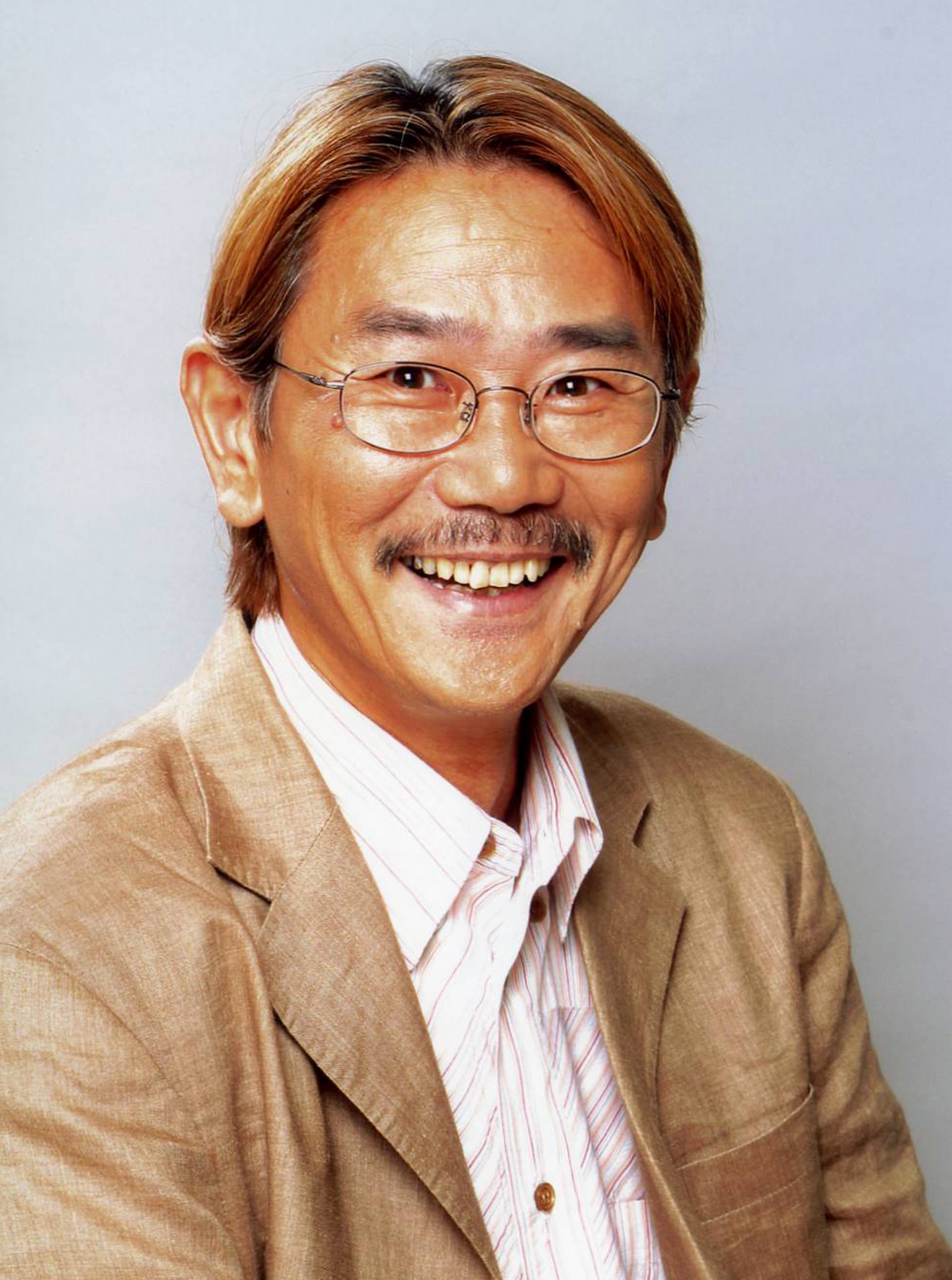
Shigeru Chiba: Fist of the North Star Japanese Voice Actor Profile
Profile at a Glance
Shigeru Chiba is the original Japanese narrator of Fist of the North Star and one of the franchise’s defining performance signatures. His narration turns episode openings, transitions, threats, and previews into a living part of the spectacle rather than neutral connective tissue.
81 Produce’s official profile lists Chiba as born February 4 in Kumamoto Prefecture, with action and stage combat among his skills and a career spanning animation, live action, games, narration, and performance direction.
Narration as Part of the Wasteland
Chiba does not narrate from a safe distance. His delivery sounds as though the wasteland itself has become excited, horrified, and occasionally delighted by its own excess. That tone helps the series move between tragedy and operatic absurdity without pretending the two are unrelated.
The narrator knows bodies may explode, but he also knows viewers are here for consequence, surprise, and ritual. Exaggeration becomes structure. It tells us when an event has crossed from plot into legend.
The Episode Preview as Performance
Previews could have functioned as disposable scheduling copy. Chiba makes them memorable by treating rhythm, escalation, and the final hook as miniature drama. The voice sells urgency without flattening every episode into the same shout.
This matters for a long television run. Repetition becomes ceremony when performance finds fresh pressure inside a familiar pattern.
Humor Without Breaking the Stakes
Fist of the North Star can be brutally sincere and visually outrageous in the same minute. Chiba’s comic timing helps the show acknowledge excess without turning suffering into a joke.
The distinction lives in target and timing. He can heighten a villain’s ridiculous confidence, a technique reveal, or a transition while still letting grief occupy its own space.
Character Work and Vocal Elasticity
Chiba’s broader career is famous for vocal transformation, improvisational energy, and characters that can swing between menace and comedy. That elasticity informs the narrator even when he is not attached to a visible body.
The voice can accelerate, fracture, growl, or brighten because control sits beneath the apparent chaos. Wildness without timing would become noise. His technique makes it punctuation.
Career Context From the Official Record
81 Produce’s official roster identifies Chiba’s action and sword-fighting skills and lists current and legacy work across animation and live-action projects. His visible performance background helps explain why narration feels physical.
Breath and attack carry motion. You can hear posture change even when the screen shows no narrator. That physical imagination turns exposition into presence.
Era Credit and the Franchise Voice
Chiba’s association with the classic anime is powerful enough that fans may treat him as the eternal voice of the property. Production credits still need boundaries. Later versions can use different narration strategies or performers.
A complete archive credits the actual era, then studies influence. Nostalgia is not a substitute for documentation.
RaeRae’s Performance Verdict
Shigeru Chiba makes the narrator feel like the fifth element of the original series: wasteland, fist, grief, absurdity, and that voice telling you the next disaster has already begun.
The performance is iconic because it understands scale. It can laugh at theatricality without laughing at the people trapped inside it.
The Narrator Does Not Stand Outside the Wasteland
Many narrators promise objectivity by sounding detached from the world they describe. Chiba does the opposite. His Japanese delivery feels physically implicated, as though the wasteland has found a voice capable of reacting to its own scale.
That involvement gives transitions momentum. Exposition becomes atmosphere, warning, and ritual rather than information placed between scenes. The narrator is not neutral glue. He is part of the series’ weather.
Excess Becomes Legible Through Control
Chiba can accelerate, crack, growl, brighten, and push intensity toward apparent collapse. The performance feels dangerous because control remains underneath it. Breath, timing, articulation, and target keep extremity from becoming undifferentiated noise.
That technical foundation is the difference between chaos and punctuation. Every escalation tells the audience what kind of threshold the episode has crossed.
The Opening Voice Builds a Contract
An episode opening must reestablish world, danger, and expectation quickly, especially across a long weekly run. Chiba’s narration tells viewers that tragedy and operatic spectacle will coexist without canceling one another.
The voice becomes a contract: the series will take suffering seriously while admitting the world is visually and rhetorically enormous. That tonal promise lets the anime move between registers with unusual confidence.
Previews Are Miniature Performances
A preview has little time and an obvious commercial job, yet Chiba treats it as a dramatic object. Rhythm, escalation, and the final hook create a compressed arc rather than a list of coming events.
This craftsmanship matters across 152 episodes. Familiar structure becomes ceremony because the voice keeps locating fresh pressure. Repetition gains anticipation instead of turning into dead scheduling copy.
Humor Has a Target
Fist of the North Star can be visually outrageous while its casualties remain emotionally real. Chiba’s timing helps distinguish laughter at inflated villain confidence or theatrical transition from laughter at vulnerable people.
The distinction is not perfect in every moment, but performance target matters. Humor can release pressure without declaring grief meaningless. The narrator often supplies that boundary through tone.
Physical Skills Inform a Bodiless Role
81 Produce lists action and stage combat among Chiba’s skills. Those embodied practices help explain why narration can feel kinetic even when no narrator appears onscreen. Attack, recovery, balance, and directional energy live in breath.
The listener can hear posture change. Words land like movement because the actor imagines space rather than treating the microphone as a page reader.
Jako Proves the Voice Can Enter the Political Body
81 Produce also credits Chiba as Jako in Fist of the North Star. The doubling matters because the franchise voice of narration becomes attached to a visible figure of fear, manipulation, and institutional panic.
Narrator and character should not be flattened into one performance. Jako has specific psychology and stakes. The contrast demonstrates how Chiba redirects extremity once the voice belongs to a body inside the conflict.
A Character Voice Needs Different Accountability
The narrator can heighten events without being judged as their moral author. Jako cannot. His vocal choices must reveal how fear becomes command and how instability spreads through institutions built to obey it.
Chiba’s elasticity makes panic contagious without making panic innocent. The character remains responsible for what he organizes around his terror.
Megane Shows Social Velocity
81 Produce’s official record includes Megane in Urusei Yatsura, a role associated with rapid speech, group energy, obsession, and comic escalation. That credit demonstrates Chiba’s command of social rhythm.
The comparison helps us hear the narrator’s pace as chosen technique. Speed can organize attention rather than merely display intensity. He knows when an audience can follow the acceleration.
Pilaf Shows Small Authority Performed at Full Scale
The agency lists Pilaf in Dragon Ball, where ambition, comic menace, and wounded status repeatedly collide. The role shares Chiba’s ability to give outsized authority to a figure whose circumstances undermine it.
That tonal intelligence feeds Fist narration. Grandeur can be acknowledged and questioned in the same breath. The voice understands how seriously characters take themselves.
Buggy Demonstrates Elasticity Across Decades
81 Produce also lists Buggy in One Piece, a Japanese role requiring vanity, fear, theatrical command, and abrupt swings in social position. The credit belongs to a broader career rather than evidence that every performance is the same.
Its value is range over time. Chiba continues to turn volatile status into precise rhythm, proving that apparent wildness can remain technically repeatable across long production histories.
Kuwabara Reveals Heart Inside Volume
The agency record names Kazuma Kuwabara in Yu Yu Hakusho, a role whose loudness can carry loyalty, vulnerability, pride, and comic timing. Volume is not a single emotion in Chiba’s work.
That complexity helps explain why Fist narration remains engaging. Intensity can celebrate, warn, grieve, tease, or propel. The listener is never receiving only decibels.
Voice Samples Establish Instrument, Not Scene Meaning
81 Produce provides narration and other voice samples that demonstrate texture and flexibility. Samples are valuable factual evidence of the instrument, but performance analysis still requires scene context, editing, music, image, and relationship.
This profile uses the agency page to confirm biography and range while treating the anime itself as evidence for how the narrator functions. A résumé cannot substitute for listening.
Era Credit Must Remain Exact
Chiba’s iconic association belongs to the original Japanese series and the roles official records name. Later films, games, parodies, and the Remake may use him differently or assign narration elsewhere.
Archive accuracy protects influence from becoming myth. Credit the actual production first, then study how later versions respond. Nostalgia is evidence of impact, not evidence of universal casting.
The Narrator Is Part of Adaptation Style
Changing a narrator changes how the audience understands distance, irony, urgency, and fate. Chiba’s performance is not detachable packaging around the original anime. It is one of the adaptation’s formal decisions.
That is why a new version cannot simply imitate his peaks. It must decide what relationship its narrator has to violence and spectacle. Influence should produce an answer, not a copy.
RaeRae’s Final Performance Verdict
Shigeru Chiba makes narration feel like an active element of the wasteland: wind, dust, grief, absurdity, and a voice already sprinting toward the next disaster. His extremes work because timing and physical imagination remain exact underneath them.
The result is iconic without becoming neutral tradition. The narrator teaches viewers how to hold sincerity and excess together. Then Jako proves the same instrument can enter the story, acquire a frightened body, and become accountable for the chaos it commands.
Why the Voice Remains Unmistakable
Chiba’s signature is not one pitch or shout. It is the sensation that a voice is discovering the edge of a moment while remaining exact enough to bring the audience with it. Surprise sounds live, even when the rhythm has been engineered carefully.
That combination makes imitation difficult. Copying intensity misses the architecture beneath it: breath, target, physical imagination, and an instinct for when exaggeration reveals the scene rather than burying it. The original Japanese narration remains singular because technique keeps volatility intelligible.
Official Source
81 Produce’s official Shigeru Chiba profile confirms agency biography, skills, voice samples, and selected current credits.