
CVM SEKAI ARTIST PROFILE · RAPPER · SONGWRITER
Rapsody
Rapsody is the artist publications praise as a “female lyricist” when the more accurate sentence is that she is one of rap’s finest writers, full stop. Born Marlanna Evans in Snow Hill, North Carolina, she built her catalog through patient craft, collaboration with 9th Wonder, albums that treat Black women as intellectual and emotional centers, and verses that never confuse technical skill with emotional distance. Her “PS118” feature with JURIN ASAYA belongs here because guest work is authorship, not decoration.
Profile
| Birth name | Marlanna Evans |
|---|---|
| Born | January 21, 1983 |
| From | Snow Hill, North Carolina |
| Work | Rapper and songwriter |
| Career foundation | Kooley High, 9th Wonder and Jamla Records |
| Current album | God Gotta Afro & Gold Hoops (August 21, 2026) |
| CVM exact-video route | JURIN ASAYA’s “PS118” featuring Rapsody |
The short version
Rapsody began developing as an emcee in North Carolina, worked within Kooley High and built a solo catalog through mixtapes before releasing The Idea of Beautiful in 2012. Her writing gained wider attention through collaborations, including Kendrick Lamar’s “Complexion (A Zulu Love)” on To Pimp a Butterfly.
Laila’s Wisdom, Eve, Please Don’t Cry and God Gotta Afro & Gold Hoops form a studio-album trail that keeps expanding the emotional and musical space listeners are allowed to associate with a technically elite rapper.
Formation: North Carolina is not a decorative origin line
Place enters cadence, community, musical relationships and the route through which Rapsody met collaborators. North Carolina’s hip-hop history is not simply a smaller preface to a career validated elsewhere.
Her work with 9th Wonder and Jamla made regional infrastructure part of the music rather than something to abandon once national attention arrived.
Kooley High and learning inside a group
Before the solo catalog became the main public frame, group work provided a place to develop timing, voice and the social discipline of sharing records.
That background matters when hearing later features: Rapsody knows how to enter another artist’s structure without becoming anonymous or swallowing the entire track.
9th Wonder and the value of a long creative relationship
Producer relationships can create vocabulary across years. Soul samples, drums and negative space give a writer different questions than whatever beat happens to trend that week.
Rapsody’s connection with 9th Wonder supported continuity while her subject matter and emotional range kept changing.
The Idea of Beautiful
The 2012 debut established a writer interested in beauty, self-perception, community, loss and responsibility without treating those subjects as the serious vegetables beside the entertaining rap.
Craft and reflection belonged to the same meal. Her metaphors could move quickly while the songs remained accountable to human consequence.
Complexion and the danger of being introduced through one feature
Her appearance on Kendrick Lamar’s “Complexion (A Zulu Love)” brought new listeners, but a high-profile guest verse should function as a doorway, not a summary.
The verse confirms skill already developed across projects. Treating it as the moment she became worthy would erase the work that made the invitation possible.
Laila’s Wisdom
The 2017 album connected personal and inherited knowledge, including the influence of her grandmother, while placing Rapsody inside a broader conversation about Black life, gender, love and artistic discipline.
Its Grammy nominations mattered as institutional recognition, though awards remain a partial and often delayed measure of work hip-hop communities may have already understood.
Eve puts Black women in the title structure
The 2019 album names tracks after Black women and builds relation rather than a generic empowerment collage. Naming becomes a method for tracing inheritance, difference and the many forms Black womanhood can take.
The concept works because songs do not reduce each name to a fact-card tribute. Rapsody uses association to examine herself and the culture around her.
Please Don’t Cry and vulnerability without skill amnesia
The 2024 album allowed more fear, grief, healing and self-questioning into the foreground. Coverage sometimes treats vulnerability as though a technically respected rapper finally became human.
That framing is backwards. Emotional interiority already lived in the catalog; the album changed its exposure and musical balance rather than inventing it.
3:AM and Grammy recognition
The Erykah Badu collaboration “3:AM” won Best Melodic Rap Performance at the 67th Grammy Awards. The category recognizes the meeting of rap and melody that institutions once treated as difficult to file.
A trophy can mark a moment without becoming the reason the record matters. Chemistry, writing and the refusal to separate musicality from bars did the work first.
MadRaps with Madlib
The 2025 collaboration with Madlib places Rapsody beside another producer whose catalog rewards close listening, irregular texture and deep sample knowledge.
The project reinforces that her technical control is flexible enough to engage a different production mind without losing authorial identity.
God Gotta Afro & Gold Hoops
Released August 21, 2026, the album brings the profile current rather than freezing Rapsody at the point mainstream institutions first noticed her.
The title places Black style, divinity, humor and ordinary cultural detail in the same frame. A current profile should leave room for the album’s full life rather than racing to declare one final meaning eight days after release.
Why “female rapper” is a limited filing system
Gender matters because industry investment, coverage and audience expectations are unequal. It becomes a cage when every woman is evaluated primarily against other women while men are allowed to represent rap itself.
Rapsody’s work belongs in conversations about women in hip-hop and in unrestricted conversations about writing, albums, performance and the genre’s direction.
Technical does not mean emotionally sterile
Internal rhyme and layered reference can carry humor, tenderness, anger and uncertainty. Technique is how meaning travels, not an alternative to meaning.
Rapsody’s best verses make structure feel inevitable after the fact even when the route through the bar was difficult to predict.
Black women are not one market category
Her catalog repeatedly resists the pressure to represent every Black woman with one respectable image. Intellectual, sensual, grieving, funny, spiritual, competitive and uncertain selves can coexist.
That range is political because narrow industry slots decide which version receives resources and which is told it cannot sell.
The JURIN ASAYA collaboration
“PS118” places Rapsody in a global exchange with a Japanese artist working through hip-hop inside the XGALX system. The feature should be heard as participation with its own history, not borrowed prestige for an idol-adjacent release.
JURIN maintains her cadence and visual authority; Rapsody changes the record without becoming a mentor prop. Their difference is the collaboration’s strength.
Hip-hop lineage in a global market
Hip-hop can travel, translate and change without becoming ownerless. Black American history and living communities remain central even when artists elsewhere develop serious local relationships with the form.
Rapsody’s presence in “PS118” makes lineage audible, but respectful exchange also depends on credit, compensation, study and what the lead artist creates beyond imitation.
Awards, rankings and false measurements
Commercial scale and institutional trophies do not move in a clean line with artistic worth. Rapsody has discussed the damage caused by comparing her path with narrower public definitions of success.
The catalog offers another measurement: durability, peer respect, writing that rewards return and albums capable of changing as the artist changes.
Official image policy
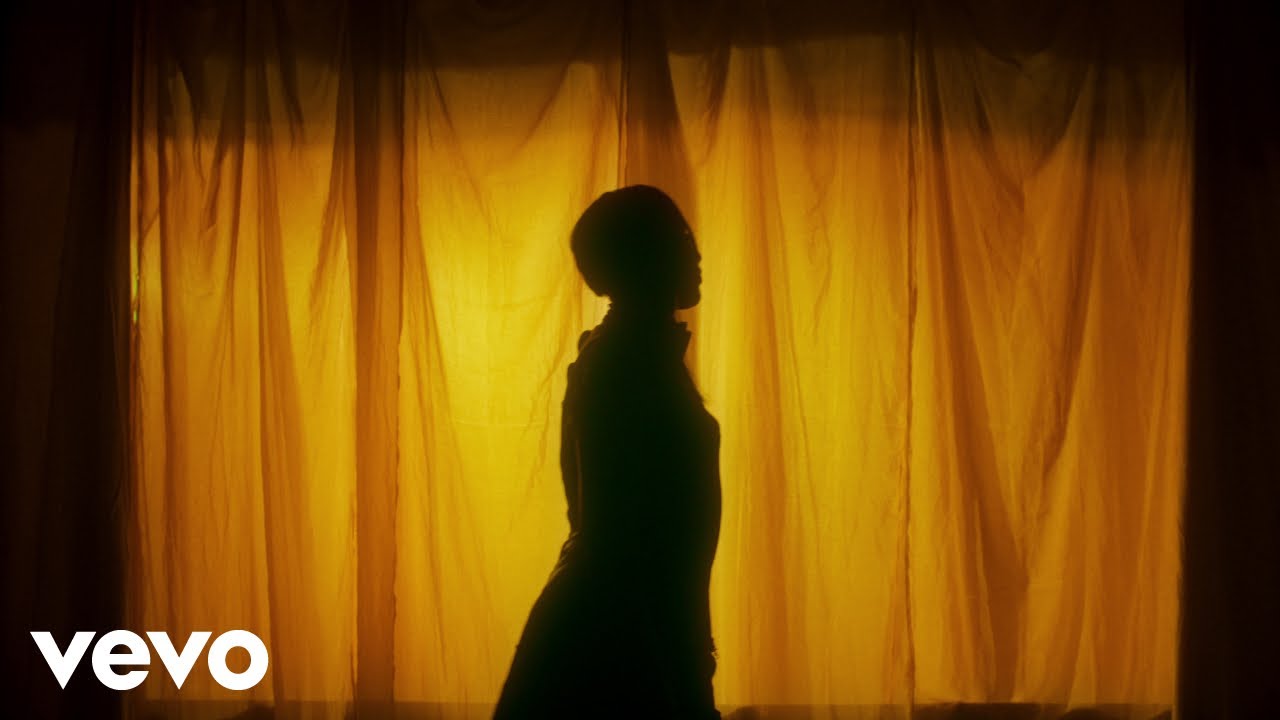
This profile uses a real local image from Rapsody’s official “Asteroids” music video, not an AI-generated likeness. The attachment records the exact source and carries descriptive metadata.
A human artist should remain visually represented by her own documented work whenever an appropriate official source exists.
What the tracker includes
The CVM tracker below begins with “PS118” because that exact collaboration brings Rapsody into the K-pop/XG ecosystem under audit. It does not pretend to be a complete replacement for her extensive official videography.
Future Rapsody Reacts should be added from exact official files with their own dates, images and collaborators rather than dumping unrelated thumbnails into a profile grid.
RaeRae take
Rapsody does not need a qualifier to make her skill legible. The qualifier is useful only when discussing the structures that keep asking women—especially Black women—to prove they belong in a genre their labor has shaped from the beginning.
“PS118” works because she arrives as an author, and JURIN understands that the respectful response to authority is not shrinking. It is bringing a verse prepared for conversation.
A discography is an argument across time
Rapsody’s albums do not repeat one approved version of lyrical seriousness. Early hunger, inherited wisdom, tribute, vulnerability and present-day spiritual or stylistic questions occupy different balances across the catalog.
That movement matters more than proving each project is “mature.” Artists can change emphasis, revise themselves and return to an old concern with a different body carrying it.
Mixtapes were not disposable rehearsal
Projects such as Return of the B-Girl, Thank H.E.R. Now, For Everything and She Got Game document development in public. The mixtape form allowed dense reference, conversation with existing beats and sustained demonstration before album marketing widened.
Calling those releases merely pre-album material would misunderstand how hip-hop careers are built. The work already belonged to the career while gatekeepers were still deciding how much attention to provide.
The B-girl reference carries history
B-girl language connects rap to a wider hip-hop culture of DJs, breakers, graffiti, community competition and style. It resists reducing the genre to a solo celebrity delivering verses over purchased production.
Rapsody’s use of the frame positions her inside a culture and a lineage. Individual excellence grows through relation rather than appearing as exceptional escape from community.
Beauty is never only personal
When Rapsody writes about beauty, the subject includes colorism, gender presentation, desirability, media repetition and the economic systems selling solutions to insecurities they helped manufacture.
A listener may receive a personal affirmation, but the writing keeps asking who designed the mirror and who earns money when the reflection feels inadequate.
Grandmothers and intellectual inheritance
Laila’s Wisdom refuses the idea that valuable theory arrives only through institutions, published experts or famous men. Family memory can carry analysis, survival knowledge, humor and standards for living.
That does not romanticize every tradition. Inheritance becomes active when the artist examines what to keep, question and pass forward.
Naming Black women is archival work
Eve uses names as routes into a much larger record of Black women’s art, politics, sport, style and survival. Mainstream histories often isolate one exceptional figure while leaving the surrounding network unseen.
The album’s structure pushes against that scarcity. One woman’s importance does not require everybody else to disappear so the tribute can look singular.
Respectability is not liberation
Rapsody has often been praised in contrast with women whose rap is more sexually explicit, glamorous or commercially dominant. That comparison can turn her into a respectable weapon used against other Black women.
Her craft does not need that job. Listeners can value intellectual density without treating sensuality, fashion or different kinds of performance as evidence that another woman failed the genre.
The commercial conversation is frequently rigged
Industry commentary asks why a lyrical artist is not selling like the most promoted mainstream act, then treats the result as audience truth rather than a product of radio, playlist placement, budgets and repeated exposure.
Commercial success is real data, but it is not a neutral referendum held after everybody received equal infrastructure. Rapsody’s career makes that inequality difficult to ignore.
Please Don’t Cry rejects permanent composure
Black women are frequently rewarded for appearing endlessly capable while their need, anger or exhaustion becomes inconvenient. The album title opens a conversation with that demand and with the fear of being fully seen.
Vulnerability here is not a retreat from lyrical rigor. Precise writing lets emotion become more specific than a generic confession designed for relatability.
Healing is not a clean album rollout
Public narratives prefer a wound, a breakthrough and a triumphant release date. Actual healing loops, stalls and coexists with work that still has to be completed.
Rapsody’s discussion of mirrors, fear and self-acceptance gives listeners language without promising that a finished album turned every private struggle into solved content.
Melody was always part of rap’s world
The Grammy phrase “Melodic Rap Performance” can sound like an institutional invention for music that crossed filing cabinets. Rap has always lived beside singing, hooks, church, soul, funk and voices that move between speech and pitch.
“3:AM” won inside a category, but the chemistry with Erykah Badu makes sense through a much older musical conversation than the award name.
Producer chemistry is not producer ownership
9th Wonder, Hit-Boy, Madlib and other collaborators shape sonic conditions, but the writing and performance do not become secondary to beat mythology. A rapper decides what to notice, where to enter and how to make production answer a human perspective.
Good collaboration keeps both signatures audible. The same principle explains why “PS118” works with JURIN rather than functioning as a guest verse pasted onto a finished idol product.
A writer can be accessible without becoming simple
Rapsody’s densest lines reward research and replay, while emotional stakes, cadence and image still offer a first route into the song. Complexity is not valuable because it excludes listeners.
The strongest technical writing creates more doors over time. What sounded immediate on the first play can reveal history, wordplay or contradiction on the tenth.
Performance changes the page
Lyrics printed without breath, emphasis or facial decision lose part of their authorship. Rapsody can make a written phrase land differently through a pause, a tightened consonant or a look that reveals humor under seriousness.
That is why official video and live records belong in an artist profile. The work is not complete when the words reach a transcription site.
PS118 and the ethics of discovery
A portion of XG’s audience may encounter Rapsody for the first time through JURIN ASAYA. The useful next step is not to crown her as a newly discovered genius; it is to recognize that a substantial catalog existed before the listener arrived.
Correct links make discovery less extractive. The feature card should lead to Rapsody’s profile, current albums and official sources rather than treating her name as a temporary fact attached to JURIN.
Current status in August 2026
God Gotta Afro & Gold Hoops was eight days old when this profile was updated. A current tracker should name it accurately without pretending a final cultural verdict is already available.
Albums live through replay, performance, interviews and the way later events change what listeners hear. Immediate enthusiasm is welcome; false certainty is not required.
Official video tracker
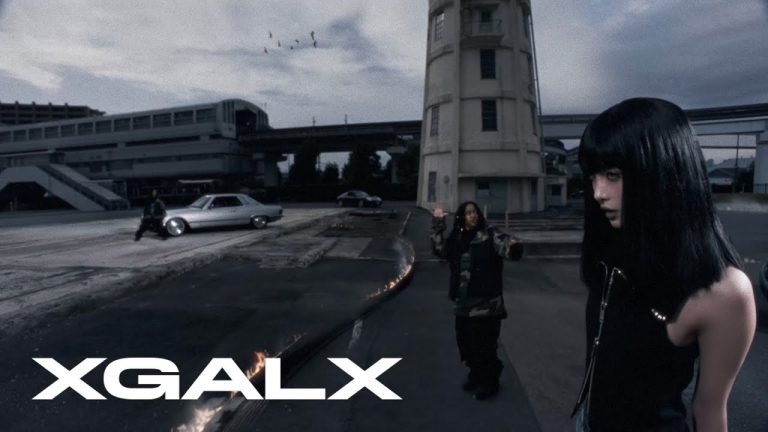
The exact “PS118” image card appears here after relationship routing. It links to the full JURIN ASAYA featuring Rapsody React and keeps the guest credit visible.
The collaboration does not shrink either artist
The JURIN ASAYA card belongs here because Rapsody’s verse is part of the exact official video under review, but the collaboration should not be filed as if one artist validates the other. JURIN brings her own performance history and global audience; Rapsody brings decades of writing, records and relationships that existed before this invitation. The interesting question is what happens when those histories share a track, not which woman can be reduced to a credential for the other.
That is why the tracker keeps official Rapsody videos separate from appearances, live performances and React coverage. Each link identifies the actual object a reader will open. As new 2026 material arrives, credits and release context belong beside it; instant rankings and “best ever” language can wait until the music has had time to live.
Official Socials
Sources
RaeRae Reacts
JURIN ASAYA MEMBER SOLO · feat. Rapsody