
RaeRae Reviews · Volume 4 · Complete read
The party earns the next floor.
A cooldown volume with debt, labor politics, one uncontrolled magical cannon and enough heart to make the threshold feel like a climax.
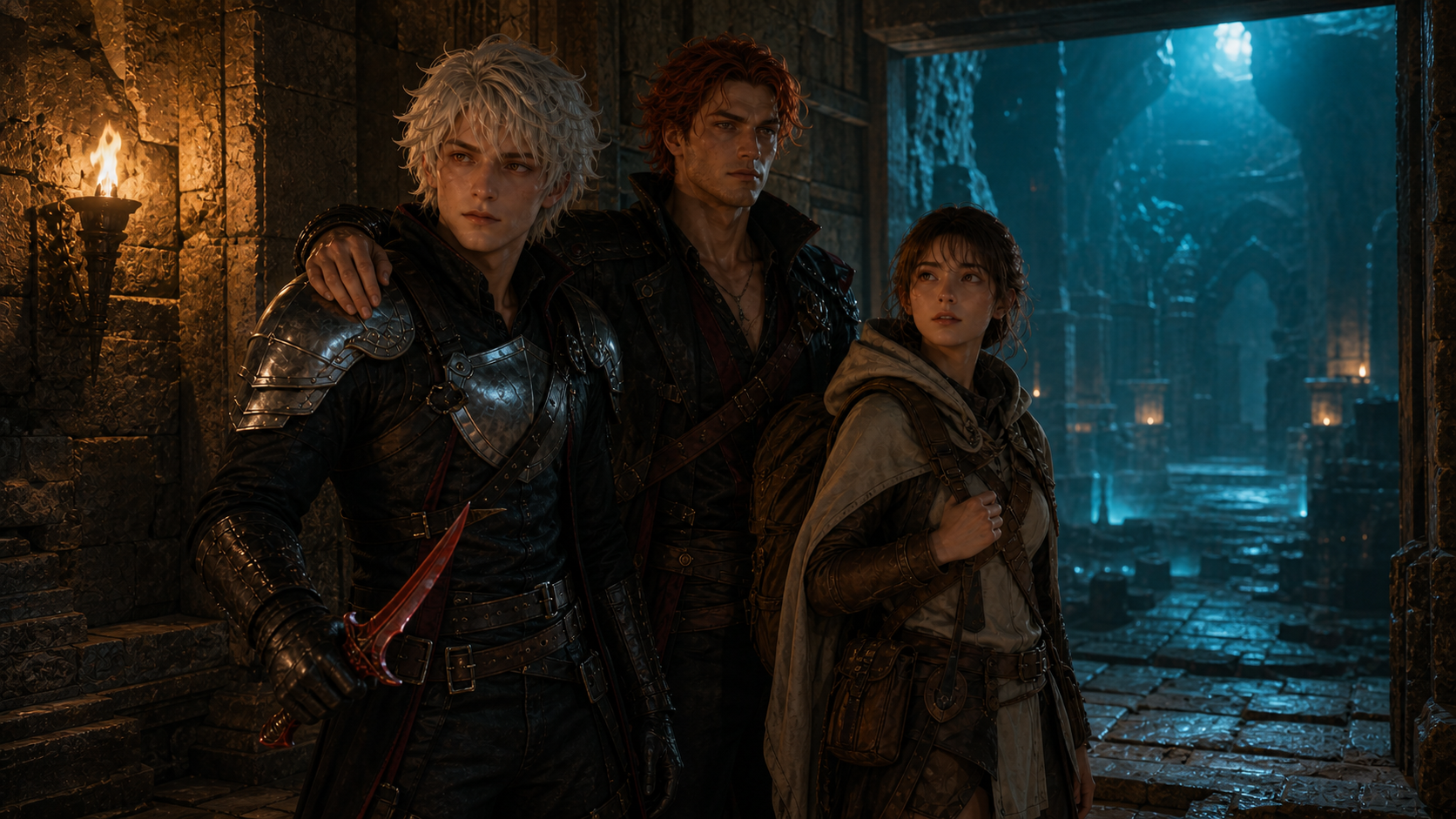
The verdict
What works
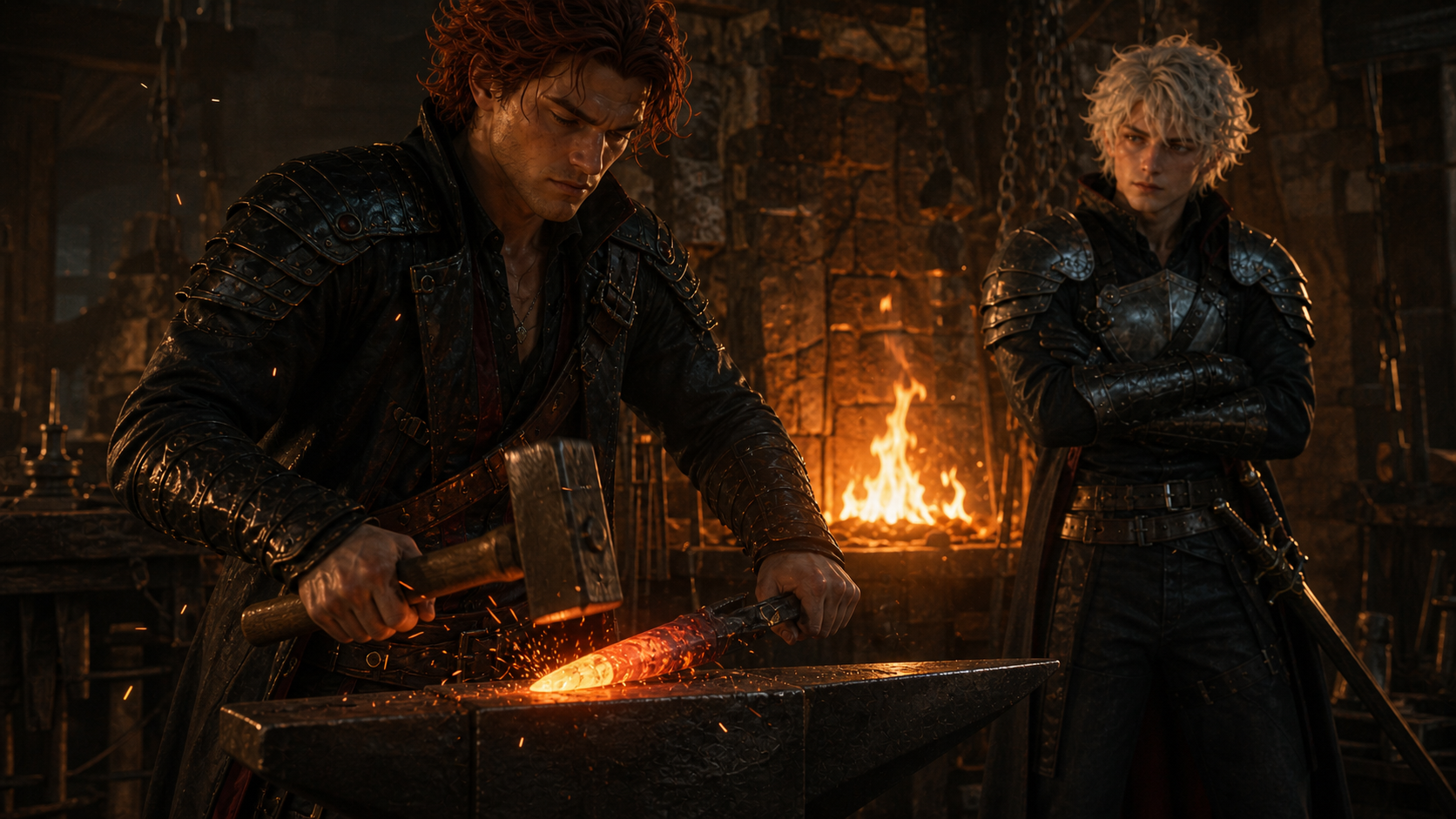
Welf arrives as a whole argument
He is not merely the new guy with a forge. His refusal of magic swords gives the volume a serious idea about craft and identity.
What works
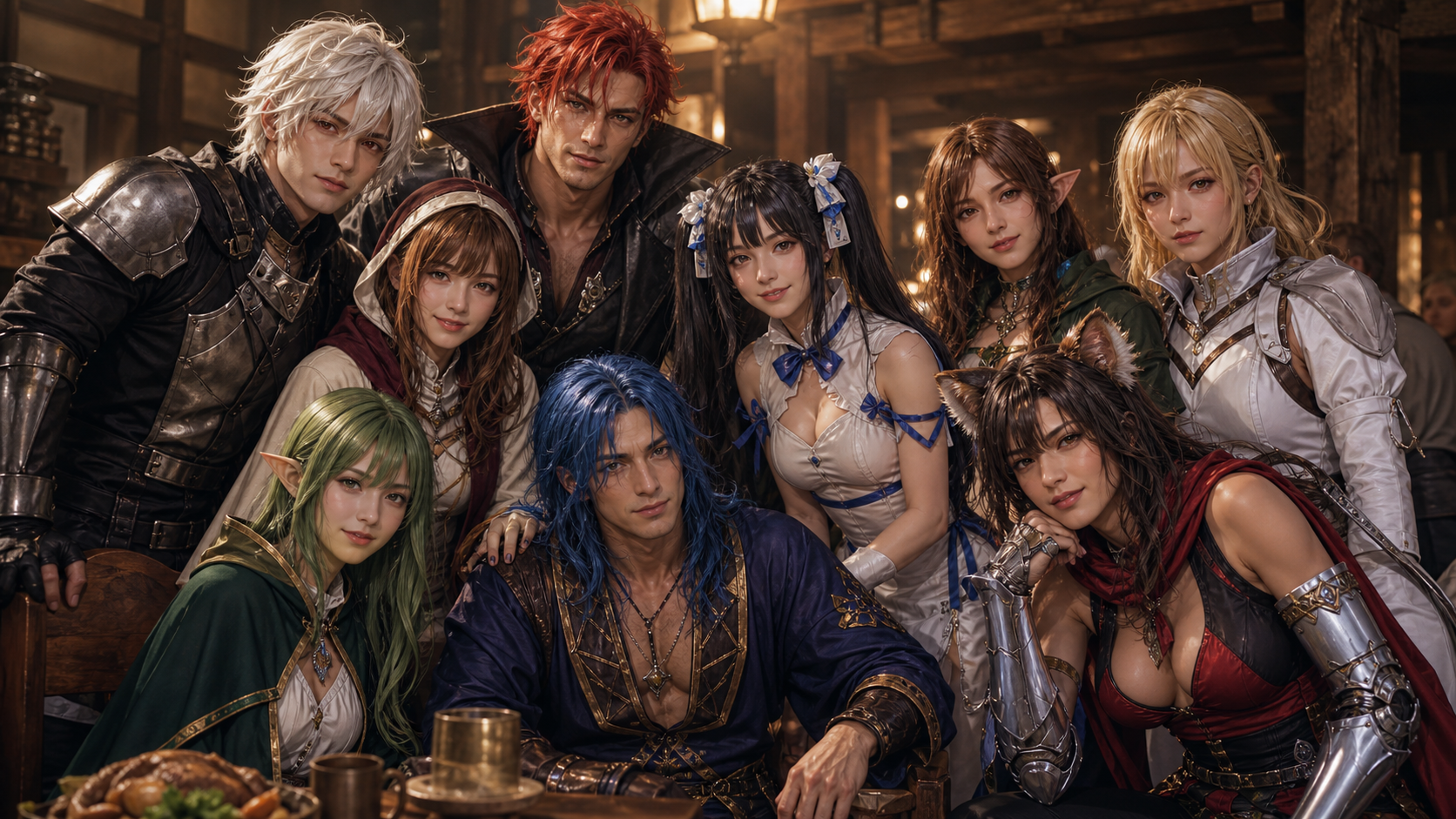
Lilly makes the party believable
She asks the impolite logistical questions that keep Bell’s friendliness from becoming the entire operating model.
What wobbles
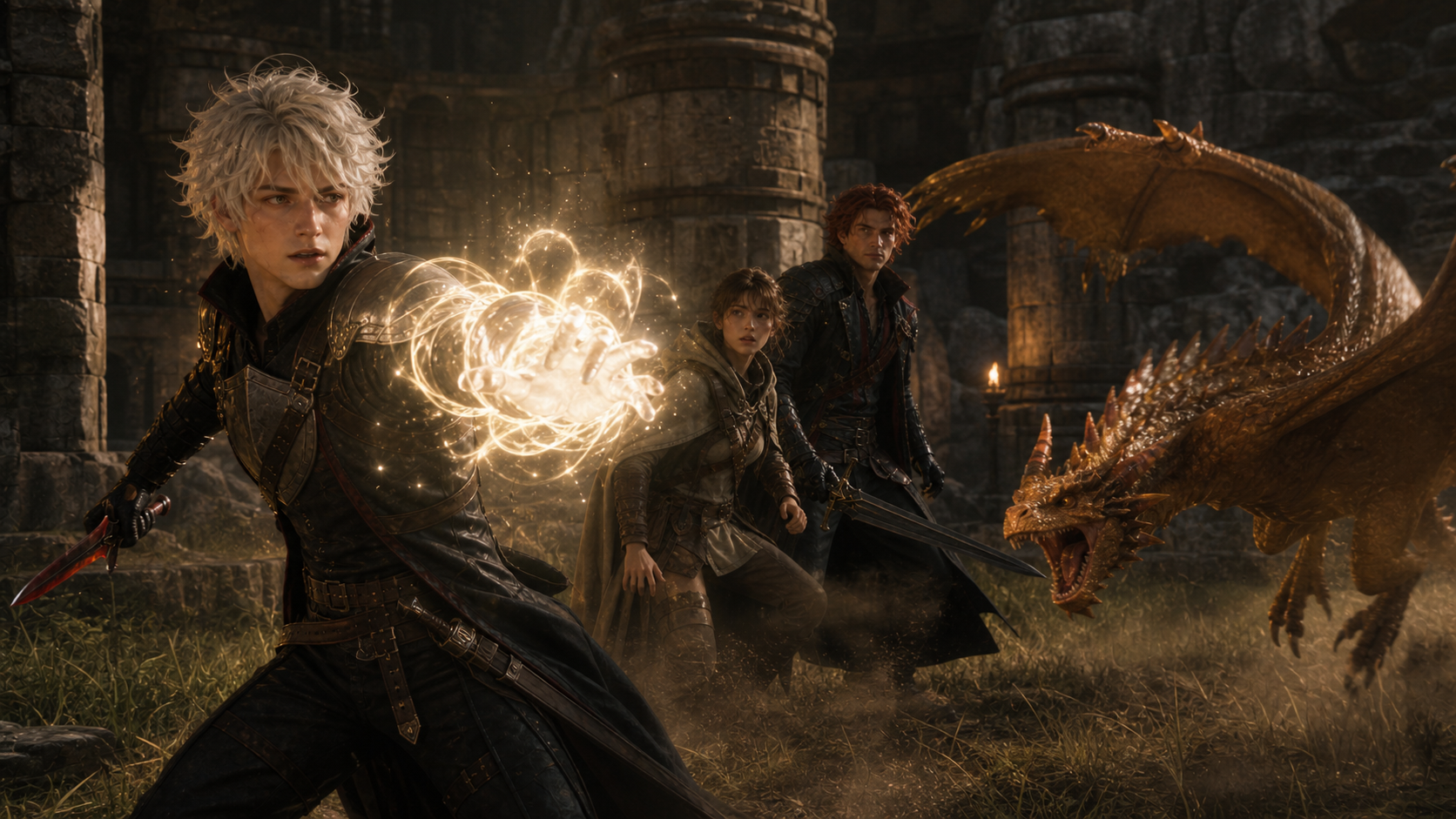
The main ending stops at the door
The thirteenth-floor threshold is thematically right but structurally abrupt; the bonus stories do real work making the volume feel complete.
The complete RaeRae ruling · full spoilers
Calling this “the cooldown book” is accurate—and wildly undersells the work it does.
Volume 4 follows the Minotaur rematch by lowering the immediate threat and raising the long-term stakes. Bell is Level Two now. Orario knows his name. A spectacular solo victory has made him visible, but visibility is not infrastructure. He needs equipment that can survive him, companions who can challenge him and a definition of heroism that includes the people standing inside his blast radius. This is the book that starts building all three.
What works best
Welf arrives with a complete internal argument
Welf is not “the blacksmith slot” wearing red hair. His craft, poverty, pride and Crozzo inheritance pull in different directions from the moment Bell meets him. He can make the product everybody wants and refuses because he believes magic swords separate power from the person pretending to wield it.
That principle costs him. It also gives Bell a reason to trust him. Bell does not hear the famous name and demand access to its most profitable output. He wants Welf’s actual work. Their friendship begins with one person recognizing the other without trying to convert him into a fantasy.
What makes the party work
Lilly refuses to let friendliness become policy
Bell’s kindness is one of the franchise’s great strengths and one of his most dangerous habits. Lilly supplies the questions he will not ask: What are the terms? What does Welf want? Can he be trusted when the Dungeon turns ugly? Is Bell agreeing because the arrangement is sound or because he likes somebody?
Her suspicion is not romantic jealousy dressed as logistics. It is expertise earned through exploitation. The story lets that expertise protect the group, which makes her place in the party feel necessary rather than grateful.
What surprises me
The equipment handoff carries more weight than the explosion
Argonaut-charged Firebolt is fun, visually huge and useful as a warning about Bell’s new power. Ushiwakamaru is the scene I keep. Welf takes the Minotaur horn—the physical remnant of Bell’s terror and victory—and makes something meant for the future.
The dagger is not a trophy commemorating one perfect fight. It is not a cure for fear. It is usable, personal and shaped by somebody who understands that equipment should extend the adventurer rather than replace him.
The real review question
Can a book climax on a threshold instead of a kill?
Mostly, yes. Bell, Lilly and Welf choosing the middle floors together is the correct emotional finish because the whole volume is about earning that plural pronoun. Bell has proven he can win an impossible duel. He has not proven he can calibrate power around companions, accept logistical limits or let other people’s judgment alter his pace. The party’s decision says those lessons have begun.
Structurally, the ending still feels abrupt. The book reaches the door precisely when part of me wants one substantial expedition beyond it. The bonus stories become essential because they add texture and closure that the main line withholds.
The side stories are not leftovers
Debt, ingredients and hair ties finish the argument.
The Nahza and Miach material widens Orario in exactly the direction the franchise needs. Potions do not appear from nowhere. Injuries leave economic histories. A prosthetic arm, Familia debt and ingredient acquisition sit behind what could otherwise be a simple shop counter. Nahza’s scam remains a scam, but the book gives it material causes instead of flattening her into either villain or victim.
The ingredient quest carries the same worldbuilding through labor: Blue Papillon Wings and bloodsaurus eggs make adventuring part of a supply chain. Not every Dungeon trip is a legend. Sometimes somebody needs the pantry stocked and the invoice paid. That mundanity makes the city feel inhabited.
Then “A Campanella to the Goddess” returns to Bell and Hestia before the headline. The blue-flower, silver-bell hair ties are almost aggressively small after a record-breaking level-up, and that is why they work. Orario owns “Little Rookie.” The bells belong to the home Bell and Hestia built when neither had status worth exploiting.
The wobble
The volume sometimes mistakes setup for momentum
Contracts, repairs, status explanations and party negotiation are all necessary. They are not always paced with equal urgency. The central thread can feel like it is arranging furniture for Volume 5, especially once the reader knows the middle floors are the real destination. A tighter main-line ending would help the volume stand more firmly on its own.
The correction
“Nothing happens” is simply false
A new core character joins. Bell’s public identity changes. Argonaut becomes operational. The party forms. Ushiwakamaru is forged. Nahza and Miach gain economic context. Hestia’s iconic hair ties gain emotional history. The book changes the machinery that every later adventure will use, even when the body count stays modest.
The emotional MVP
Lilly, because somebody has to ask the impolite question
Welf is the volume’s major arrival, but Lilly makes that arrival believable. Her vigilance turns a collection of nice people into a party with risk management. She protects Bell without infantilizing him, tests Welf without reducing him to his surname and proves support work is narrative work.
Why Volume 4 matters
The franchise stops being Bell plus whoever is nearby.
That change is easy to miss because the party forms without a grand oath. It happens through terms, suspicion, repairs, test runs and a shared decision to descend. The lack of ceremony makes it stronger. Found family is not declared into existence; it becomes visible through the mess each person agrees to carry.
Bell brings aspiration and dangerous forward motion. Lilly brings memory, skepticism and survival. Welf brings craft, boundaries and the confidence to tell Bell when strength has become stupid. Their roles overlap enough to feel human and remain distinct enough to make the group necessary.
Volume 3 proves Bell can become a hero in one extraordinary moment. Volume 4 asks whether he can build the relationships that make heroism sustainable. That is less cinematic and more important.
Final RaeRae verdict
A quieter book with permanent consequences—and one red-haired smith who understands that a weapon should never erase the person holding it.
The main ending could carry more weight, but the character work, party architecture and side-story worldbuilding earn the threshold. Volume 4 is not a pause in the franchise. It is the moment the franchise acquires a working team.