
RaeRae Reviews · Volume 2 · Complete read
The girl carrying the story.
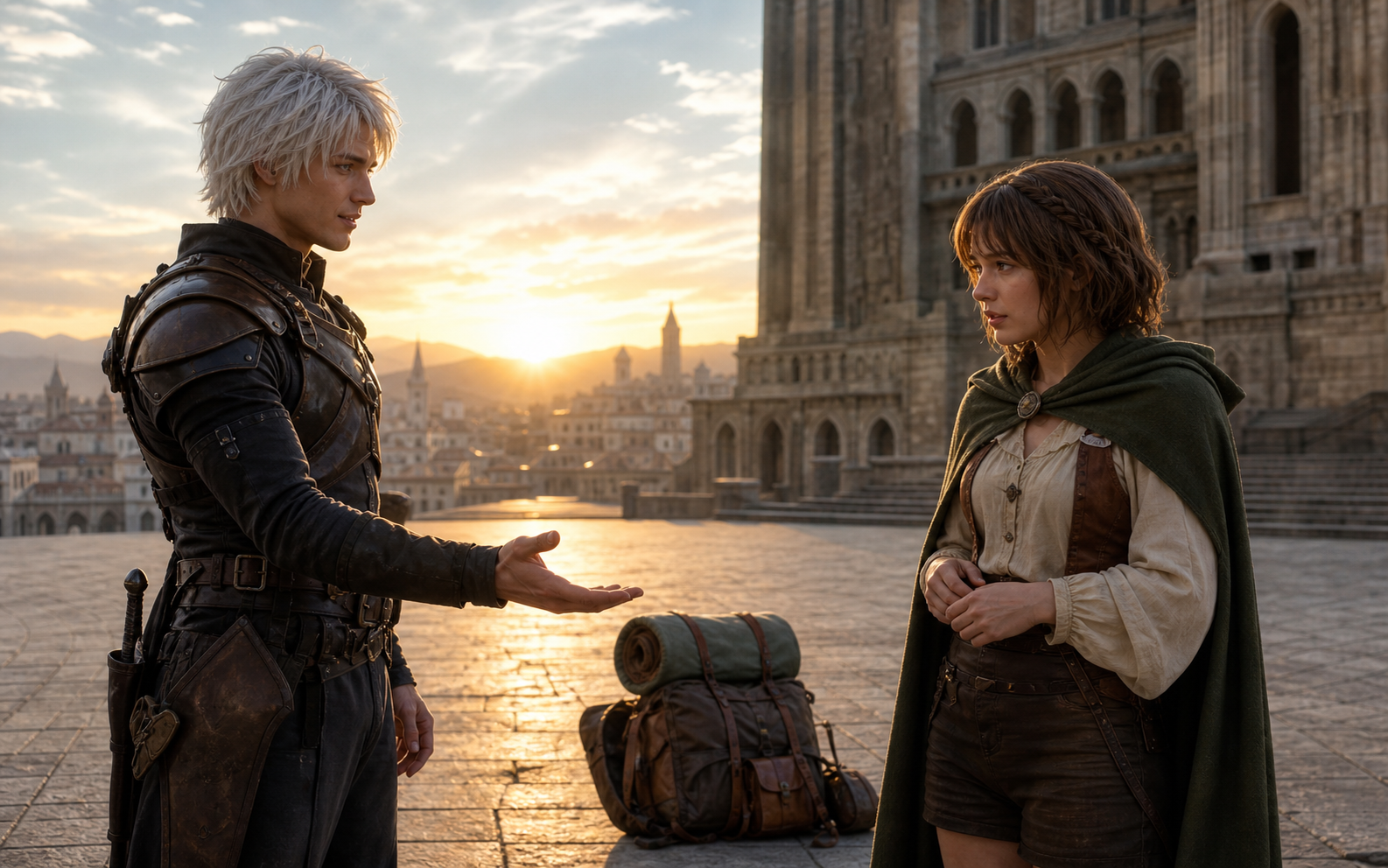
Volume 2 takes the RPG job nobody dreams about and makes it the moral center of the book. Lilly carries Bell’s loot. The story makes us count everything she was already carrying before he arrived.
The quick file
My verdict before we start opening drawers
Volume 1 proves Bell and Hestia can become family. Volume 2 asks whether that kindness survives contact with somebody who is not innocent. Lilly lies, steals and eventually leaves Bell to die. The book also shows exactly how Soma Familia trained a child to expect exploitation before affection. Holding both facts in the same hand is why this volume works.

What works
Lilly is allowed to be guilty
The book never reveals that the theft was a misunderstanding. She took the Hestia Knife, manipulated Bell’s trust, rigged their money and built a monster trap around his body. Her abuse explains the decisions without turning them into adorable trauma quirks. That makes Bell’s choice harder and Lilly’s return more valuable.
What works
The system creates the villainy
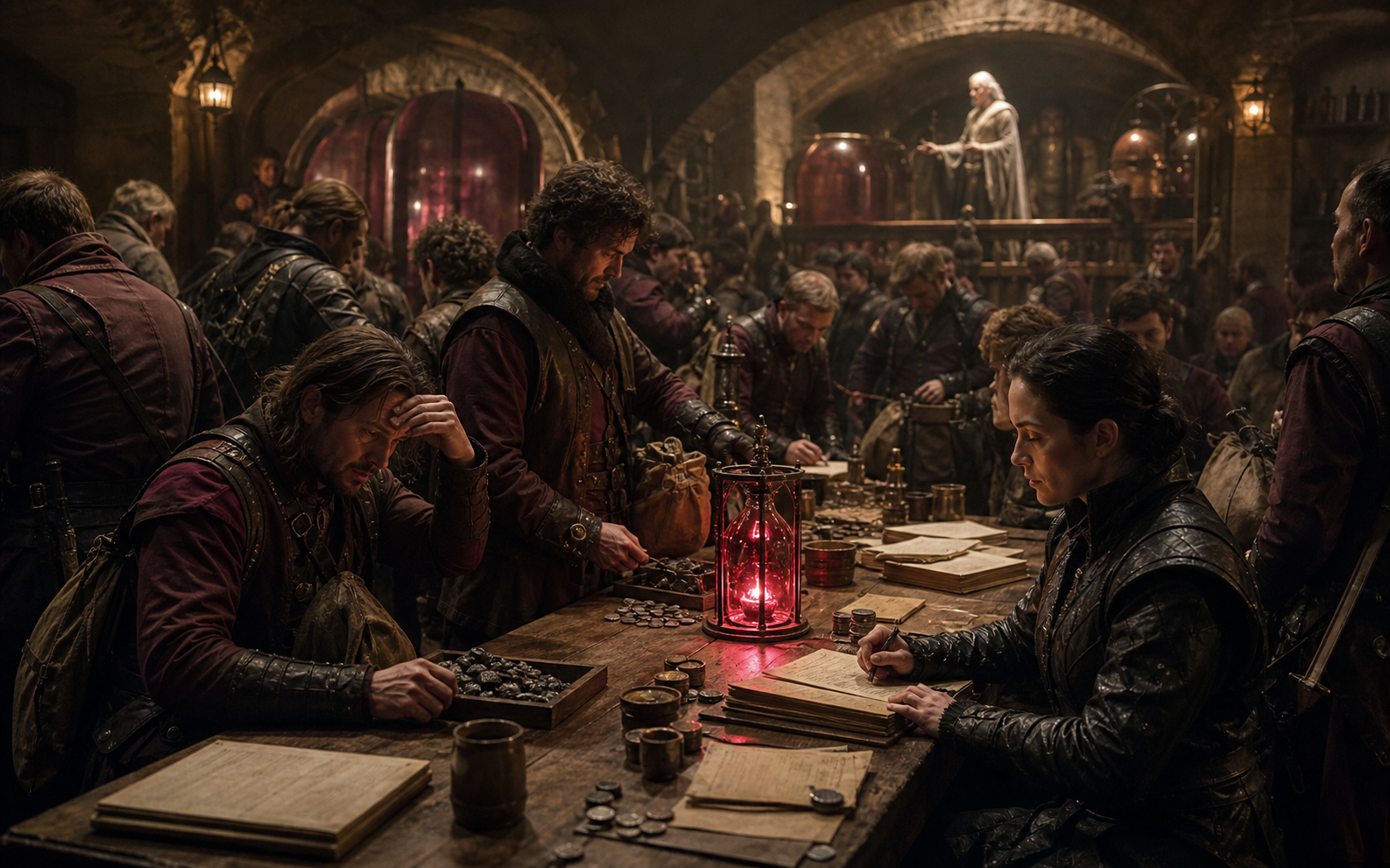
Soma does not need an evil speech. Perfect wine, scarce access and monthly quotas teach the Familia to harm itself for him. The strongest members become gatekeepers; the weakest become labor, targets and disposable decoys. The Dungeon economy is not wallpaper here. It is the machine pushing every personal betrayal into place.
What drags
The romantic traffic jam
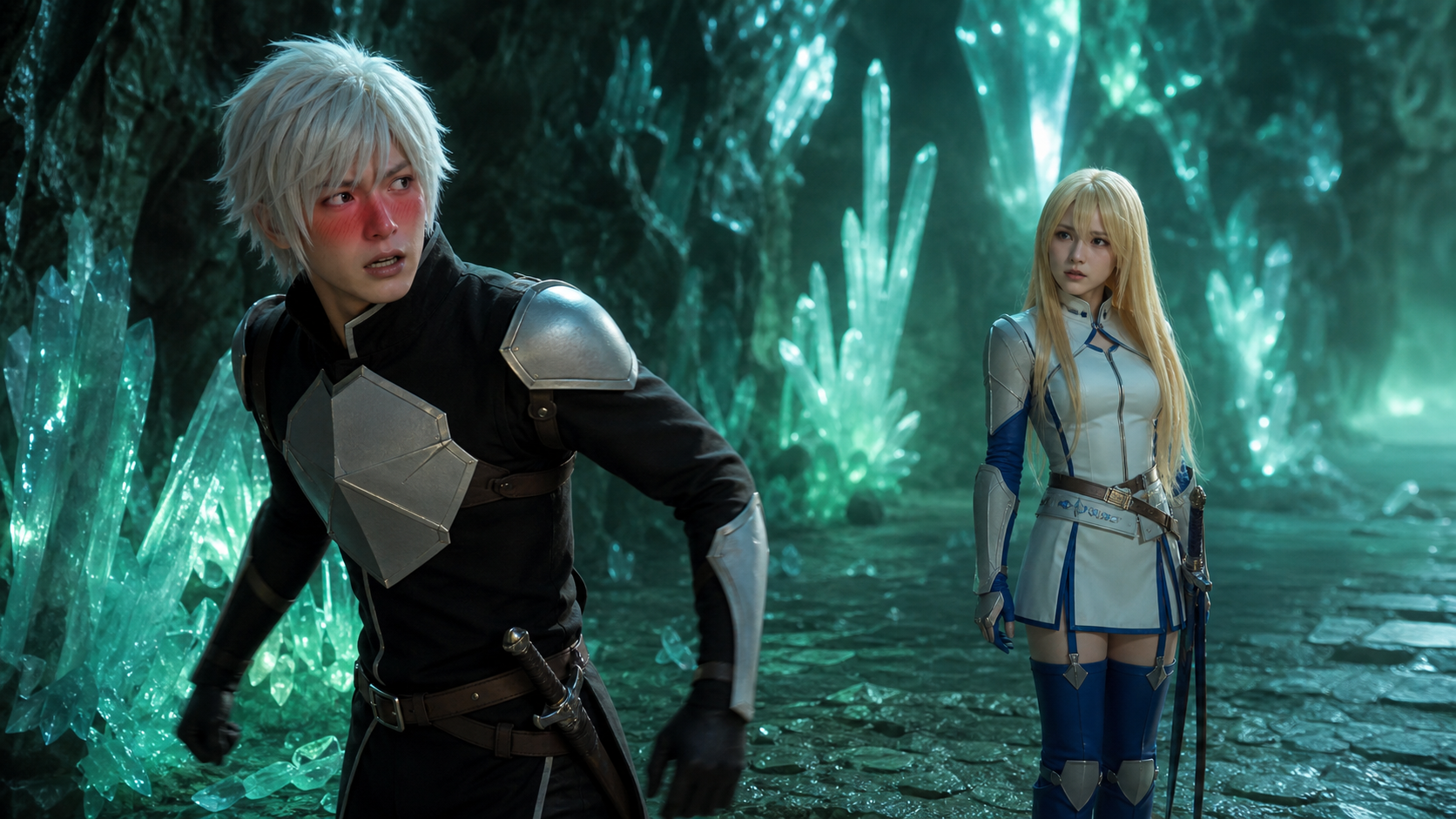
The Aiz lap pillow is funny, and her quiet “why does he always run?” gives the comedy a sweet bruise. But Eina’s date-not-date, Hestia’s jealousy, Syr’s grimoire delivery and every new blush occasionally pull focus from Lilly just when her story has the blade closest to Bell’s throat.
What changed while I read
I thought this was the supporter volume. It is really the consent volume.
The opening definition sounds logistical: supporters carry stones and drops so adventurers can keep fighting. Then the prologue shows the social contract underneath it. A stronger adventurer overloads a weaker worker, humiliates him and expects his body to become the decoy if the party gets surrounded. “Support” is the polite job title. Disposability is the working condition.
That context changes Bell and Lilly’s first real money split. They make 26,000 vals because he can fight continuously while she processes everything behind him. Bell gives her half. He does not congratulate himself or call it charity; he says they earned it together. Lilly’s shock is the receipt. Fair treatment feels suspicious because every structure around her has taught the opposite lesson.
The book could have stopped there and made Bell’s goodness cure her. It does not. Lilly keeps stealing because one fair day cannot overwrite a lifetime of people proving that attachment is a countdown to abandonment. When she takes the Hestia Knife, the weapon dying in her hands is almost too perfect. It is a relationship made physical, and it refuses to work for somebody trying to convert that relationship into cash.
The line that holds the book together: Bell’s first rescue answer—because Lilly is a girl—is the shallow hero script he inherited. Lilly rejects it. His real answer is that she is Lilly and he does not want her to disappear. The story forces him to see a person where his fantasy expected a role.
The part where I stopped reviewing politely
Soma is not “too detached.” Soma built an addiction economy and went back to his hobby.
I know the gods descended because eternity bored them. I know Soma cares about brewing more than management. That does not make his neglect neutral. He distributes the perfected wine to top earners, watches the quota war form and accepts the funding it produces. The fact that his children manufacture the violence for him is not an alibi. It is the system functioning efficiently.
The clever part is that Lilly becomes both victim and participant. She was born into Soma Familia, lost her parents to it, escaped, had her outside life destroyed by it and returned convinced that every bond could be weaponized. She also steals from people, lies to Bell and leaves him in danger. Fandom analysis gets boring when it demands a clean box. Volume 2 keeps her in both boxes and makes us deal with the overlap.
Gedo and Kanu sharpen that point. Gedo sees Lilly as stolen-property recovery with legs. Kanu takes the theft one step farther, uses dying killer ants to summon a swarm and throws Lilly into it after extracting the key to her savings. The system does not merely victimize people. It teaches victims which body should go under the wheel next.
Bell’s file
The kindness works. The judgment still needs adult supervision.
Bell is genuinely brave when he protects Lilly from a human aggressor before knowing her. He also falls for a disguise he physically checks, ignores a parade of warnings and keeps treating emotional sincerity as a substitute for risk assessment. Eina, Syr, Lyu and Hestia are doing so much invisible danger management around this boy that the supporter theme expands beyond Lilly whether the book announces it or not.
His Firebolt arc makes the same argument in miniature. Freya engineers a miracle, Bell gets instant magic and immediately spams it until Mind Down drops him facedown in the Dungeon. Aiz guards him. Riveria diagnoses him. Hestia later explains the grimoire. Bell experiences this as his heroic growth; the women around him keep converting the growth into survival.
That is not a complaint about Bell being fourteen. It is why he is interesting at fourteen. He has real combat instinct, terrifying growth and a moral impulse worth protecting. He also needs people willing to say, “Congratulations on the magic; stop firing it until your brain turns off.”
The romance file
The lap pillow is adorable. The queue is getting crowded.
Aiz staying with Bell after Mind Down should be pure candy. She remembers the Minotaur boy, wants to compensate him for the tavern humiliation and strokes his hair while he sleeps. Bell wakes inside the fantasy and flees so violently that Aiz is left wondering why the person she keeps helping treats her like an emergency exit.
Eina’s armor-shopping trip works better for me because the intimacy is practical. She buys Bell the green protector because adventurers vanish and she refuses to pretend advisers do not grieve. Hestia’s failed date works because her jealousy eventually exposes how much labor she is hiding behind the Hestia Knife debt. Syr’s grimoire handoff is fascinating because her kindness is carrying Freya’s agenda whether Bell understands that or not.
Individually, these relationships add something. Stacked inside Lilly’s crisis, they sometimes feel like the book checking every romantic lane before returning to the woman whose former Familia is actively planning her destruction. I did not need less affection. I needed the traffic lights timed better.
The reset
The ending earns the word because nothing gets erased.
Bell returns after Lilly abandons him. She confesses in anger, trying to make herself impossible to save. He does not dispute the file. He refuses the sentence. That distinction is everything.
Two days later, Lilly approaches in her true prum form. Bell asks to hire a supporter. Lilly accepts. Their grand reconciliation is paperwork with emotional consequences: named people, paid labor, clear choice. The first contract was a con. The second one begins with both of them knowing exactly who is standing there.
Aiz’s unseen role makes the ending even better. Eina asks her to help, Aiz clears the monsters blocking Bell’s route, and then she lets him keep running toward Lilly. Bell performs the visible rescue. Aiz creates the path. The volume has been telling us all along to look behind the person holding the knife.
Final take
A stronger second volume because the heroine is allowed to be difficult.
Lilly gives this early franchise exactly what it needs: a character whose survival cannot be reduced to Bell getting stronger or getting closer to Aiz. Her story drags money, labor, caste, addiction and consent into the same Dungeon where the title promised flirting. The romance detours wobble the pacing, and Bell’s trust occasionally needs a helmet. I still believe the volume earns its ending.
I finished the owned Kindle edition front to back—all 249 pages, including epilogue, afterword and publisher matter. No manga or anime memory filled the gaps. This verdict belongs to the Light Novel on the page.