
One Piece Zou Arc Guide
What this arc covers
Zou follows the Straw Hats and their allies to the Mokomo Dukedom on Zunesha. The arc reunites separated crew members, reveals the Mink Tribe’s sacrifice, and introduces the Road Poneglyph route toward Laugh Tale.
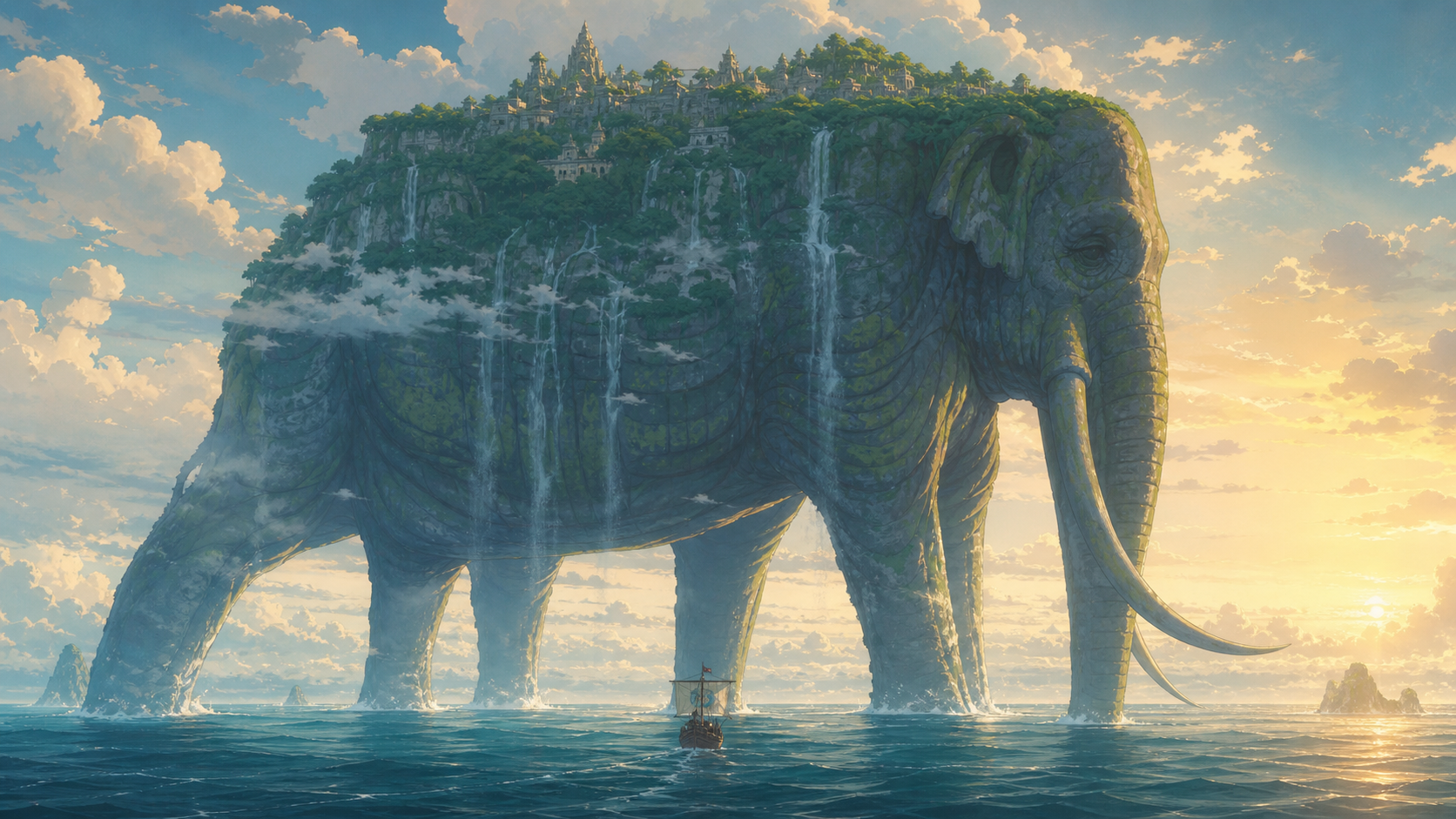
A living island
Zunesha is landscape and person at once. A society has built homes, agriculture, and institutions on a body sentenced to walk. The arrangement makes ecology inseparable from history and raises questions about consent that the story has not fully answered.
Raizo is safe
The Minks endure torture and destruction without surrendering Raizo. The reveal transforms apparent absence into collective discipline. Their loyalty is moving because loyalty is freely shared across an entire community, not ordered by a single ruler.
Inuarashi and Nekomamushi
The dukes divide day and night while carrying unresolved grief from Wano. Their shared leadership keeps Zou functioning, yet their feud shows how personal pain can become a public operating system.
Road Poneglyphs
Robin’s literacy becomes essential to navigation on a global scale. The path to Laugh Tale requires four records and the ability to interpret their intersection, turning scholarship into navigational infrastructure.
Sanji’s absence
The message from Sanji moves the crew toward Whole Cake Island while the samurai alliance points toward Wano. Luffy divides the mission, trusting separate groups to hold connected responsibilities.
Zou is a country living on another living being
The Mokomo Dukedom exists on Zunesha’s back, which makes infrastructure inseparable from the body carrying the island. Water, movement, weather, and geography depend on a creature sentenced to walk. The setting is whimsical until the punishment becomes visible.
Zunesha can act only after receiving permission, a restriction that turns obedience into centuries of bodily captivity. Momonosuke’s command to fight Jack is therefore not merely a spectacular counterattack. The command reveals a political relationship neither character fully understands.
Raizo is safe turns collective sacrifice into a fact
Jack destroys homes, poisons civilians, tortures leaders, and divides the population while searching for Raizo. The Minks refuse to surrender him. Their decision is heroic, but the cost belongs to an entire country, including people who never joined a strategy meeting.
The reveal works because loyalty has been practiced materially. Cat Viper and Dogstorm accept mutilation. Nurses and doctors treat poison victims. Citizens maintain the lie under direct terror. Kin’emon’s tears acknowledge a debt that cannot be repaid by gratitude alone.
Care after disaster is part of the victory
Chopper’s medical work matters as much as any fight. The crew arrives after the assault and cannot punch the poison back into the weapon. Treatment requires diagnosis, supplies, organization, and patients who have enough trust left to accept help from strangers.
Zou understands that rescue often begins after the villain leaves. Communities still need food, shelter, medicine, records, and reunification. Adventure continues while people are rebuilding behind the departing heroes.
The Road Poneglyph changes the shape of the voyage
Laugh Tale cannot be reached through ordinary navigation alone. Four stones create coordinates through relationship. Robin’s literacy, Nami’s cartography, local access, and alliances become as essential as combat power.
The structure resists the myth of one chosen man following instinct to the answer. Reaching the final island requires preserved history, technical knowledge, and cooperation across peoples the World Government has reasons to keep separated.
The alliance is built from overlapping obligations
Minks, samurai, pirates, and the Heart crew do not become identical because they share enemies. Pedro carries one history. Kin’emon carries another. Law has his own plan. The Straw Hats split because Sanji’s crisis and Wano’s preparation demand simultaneous action.
My Zou verdict values how much story fits inside recovery. The arc reveals a living country, a hidden ninja, a political alliance, a Road Poneglyph, and Sanji’s departure without treating the wounded Minks as scenery. The unanswered question is how freedom for Zunesha fits inside everybody else’s inherited promises.
Pedro measures time through a debt he never truly owed
Pedro’s missing lifespan shapes every decision after Zou. Big Mom’s power converted fear and punishment into years taken from his body, so he begins treating the remaining years as borrowed material that must be spent correctly. That logic is understandable and dangerous. A survivor can mistake reduced time for reduced entitlement to a future.
His commitment to the Dawn gives sacrifice political meaning, but the people who love him still lose a person, not an abstract contribution. Carrot inherits grief along with purpose. The larger story owes both characters room to ask whether inherited missions can be carried without repeating the belief that the carrier is disposable.
Zou is a disaster site before becoming an alliance headquarters
The Straw Hats arrive after Jack’s forces have poisoned the Mokomo Dukedom and tortured residents while searching for Raizo. The ruined city matters because the Minks have already chosen collective protection before the heroes appear. “Raizo is safe” lands as a revelation about solidarity, not a twist that turns suffering into proof of loyalty for somebody else’s entertainment.
That solidarity has a cost. Inuarashi, Nekomamushi, Wanda, Carrot, Pedro, and ordinary residents carry injuries and loss. Chopper’s medical work and Sanji’s group helping the survivors demonstrate why crew roles matter beyond battle. Rescue includes antidotes, food, shelter, triage, information, and the willingness to accept care from newcomers.
The Road Poneglyph changes the journey’s architecture
Roger’s destination stops functioning as a rumor and becomes a navigational problem with four required records. Robin’s literacy, Nami’s mapmaking, and relationships with communities protecting the stones become central to reaching Laugh Tale. Strength can defend access, but strength cannot translate coordinates or manufacture trust.
The reveal also increases the danger around Robin. Her knowledge is no longer only historical. Her ability can connect the surviving archive to a physical destination every major power wants. The crew’s promise to protect her has to include respect for her scholarship rather than reducing her to a key carried by stronger fighters.
Sanji’s departure repeats Robin’s problem without copying Robin’s story
Sanji leaves under threats aimed at Zeff and the crew. The structure resembles Water 7 because coerced consent appears as a personal decision. The differences matter. Sanji has family history with Germa, a political marriage arranged by powerful families, and a habit of protecting people through secrecy. His choice belongs to his particular wounds.
Luffy’s response begins another rescue, but Nami, Brook, Chopper, Pedro, and Carrot carry the practical mission. Zou separates the crew into routes whose consequences later meet in Wano. The split protects the story from treating every crisis as a straight line behind the captain.
Momonosuke inherits responsibility before adulthood
The Kozuki reveal connects Wano, the Minks, the Poneglyphs, and Oden’s history. Momonosuke receives political expectation while still grieving and frightened. Kin’emon and the retainers protect him, yet protection cannot eliminate the pressure created by a title.
Zunesha’s relationship with Momonosuke introduces command, punishment, and ancient memory on a scale the boy cannot fully understand. The arc works best when his fear remains visible. Courage means acting while afraid, not a child becoming emotionally convenient for adults who need a symbol.
Carrot and Pedro carry Zou beyond the elephant
Carrot’s decision to join the Whole Cake route grows from curiosity, skill, and a life shaped inside the Mokomo Dukedom. Pedro travels with knowledge of the Poneglyph search and a belief that the Straw Hats may bring the dawn. Neither character becomes a portable representative for every Mink.
Their later choices give Zou consequences beyond exposition. Pedro’s history with Big Mom and Carrot’s grief connect the quiet recovery of the island to the cost of the next mission. The arc functions as a hinge because relationships, not only maps, move information from one saga into another.
RaeRae’s verdict
Zou is short, dense, and generous. The arc’s most powerful revelation is not a weapon or map. The revelation is a community deciding that another person’s safety is worth refusing an invader’s version of reality.