
“On My Mind”: Rosé Found the Feeling and Alex Warren Brought a Stadium Drum to a Private Memory
A breakup thought hiding under the floorboards, two people walking through rooms built from memory, and a chorus that arrives with enough percussion to inform the neighbors.
Release file
Released: June 27, 2025
Runtime: 03:40
Label / channel trail: Alex Warren
Sound: A breakup thought hiding under the floorboards, two people walking through rooms built from memory, and a chorus that arrives with enough percussion to inform the neighbors.
Sources: Exact official playlist uploadDaily+13.4KTotal views25.7M.
Release file
Released: June 27, 2025
Runtime: 03:40
Label / channel trail: Alex Warren
Sound: A breakup thought hiding under the floorboards, two people walking through rooms built from memory, and a chorus that arrives with enough percussion to inform the neighbors.
Sources: Exact official playlist uploadDaily+13.4KTotal views25.7M.
Overall vibe
“On My Mind” is what happens when you insist you rarely think about someone, then construct an entire song explaining the architecture where their memory lives. The verses place the person under floors, in attics and inside dream basements. The chorus opens the windows and lets Alex Warren’s preferred scale—big drums, big sky, big emotional release—rush in.
Rosé is an unusually strong fit because her solo work already circles memory, longing and the embarrassment of needing to be chosen. Her voice enters like a different version of the same thought: less blunt than Warren’s, more frayed around the edges, but not decorative.
The hook vibe
The hook pairs denial with surrender. The narrator claims control, notices the painted sky or changing time, and immediately admits the person is still present. It is a simple emotional trap with a melody designed for thousands of people to sing together.
What I love
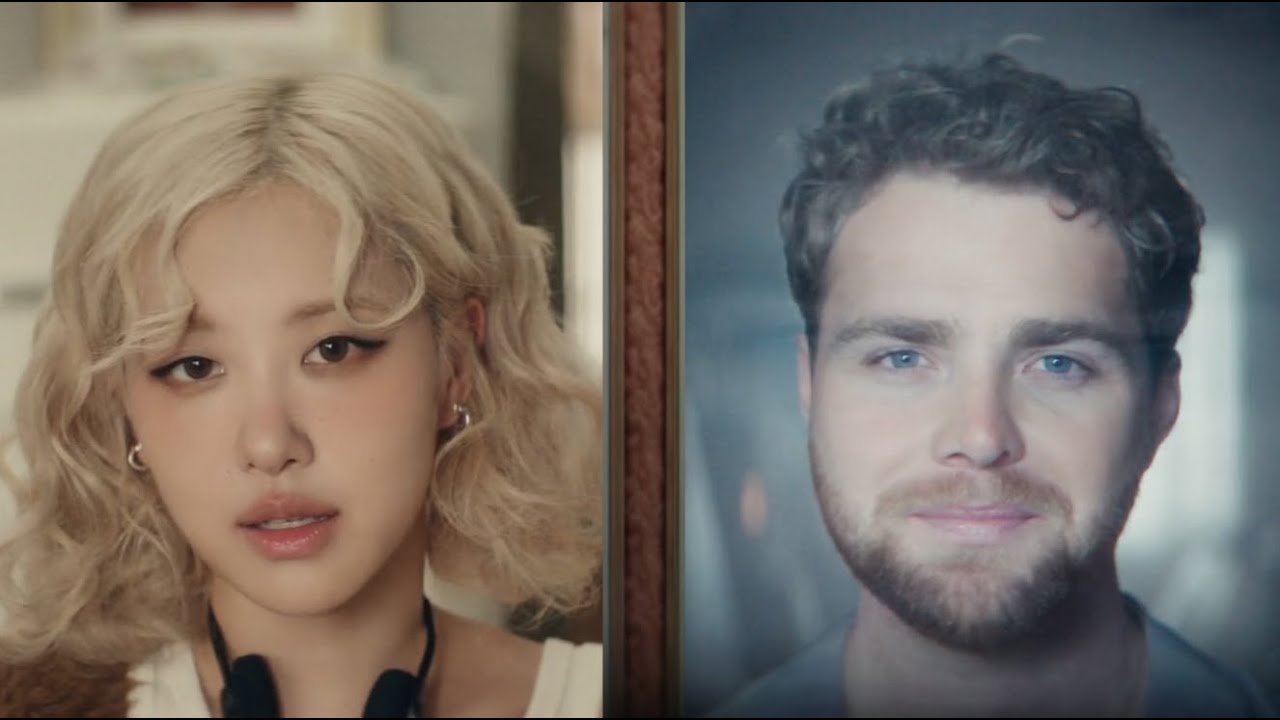
The yellow light. The house as emotional storage. Rosé and Alex moving through parallel memory spaces before the duet fully connects. Her voice does not merely add prettiness; it turns nostalgia into something more unstable.
What I wanted less of
The drum arrangement occasionally treats a private memory like a championship montage. Alex Warren’s music often reaches for communal catharsis, and that is part of his appeal. Here, one quieter final chorus or stripped bridge could have made the later impact feel earned rather than permanently scheduled.
I also wanted the video to give Rosé one object or room clearly tied to her character’s memory rather than keeping the symbolism broadly beautiful. The production is emotionally legible, but specificity is where a duet stops being two stars sharing weather and becomes one relationship.
The lyrics: denial has terrible hiding places
Alex Warren, Rosé, Ammo, Eskeerdo and John Ryan are credited as writers. The lyric uses a house to store memory: floors, attic and basement become layers of consciousness. The person is supposedly hidden, yet the narrator can describe the hiding place in detail. That is not forgetting. That is interior design.
The sky imagery widens the song from room to landscape. Changes in light and time trigger the memory, suggesting the narrator is not choosing to revisit the relationship; the environment keeps opening the file. Rosé’s delivery makes that involuntary quality convincing.
The official video story
Director Colin Tilley and the memory machine
Colin Tilley directed the official music video. His treatment avoids an overly literal breakup reenactment and instead builds an emotional environment around the song’s dream-house language. The result is polished and accessible without becoming a lyric video wearing furniture.
The behind-the-scenes value is the duet itself. Rosé was not only booked for vocal contrast; she shares composition credit. The song belongs to Alex Warren’s debut album You’ll Be Alright, Kid, but her writing and phrasing make the feature feel structurally involved rather than imported at the marketing stage.
Why this collaboration makes sense after rosie
Rosé’s 2024 album exposed how comfortably she can live inside confessional pop. “On My Mind” extends that identity without repeating “APT.” or “number one girl.” It also places her beside an artist whose songs treat personal pain as group-sing material. She supplies ambiguity; Warren supplies architecture large enough for the feeling to become public.
The risk is dilution. If every vulnerable song receives the same rising percussion and wide-screen chorus, different memories begin sharing one emotional preset. Rosé’s vocal texture prevents that here, but the arrangement gets close.
Details worth rewinding
- The hidden-room motif: memory is stored where the narrator thinks ordinary life will cover it.
- Yellow sky: beauty becomes a trigger rather than comfort.
- Parallel framing: the duet begins as two separate internal monologues.
- Vocal blending: listen for where Rosé’s airy edge meets Warren’s rougher attack; the contrast sells the shared chorus.
- The growing scale: the video opens the emotional space as the drums expand, visually justifying some of that percussion.
Official links and receipts
- Alex Warren & ROSÉ: “On My Mind” official music videoTracking starts after the first collection
- Atlantic Records official Rosé profile
- CVM Sekai Rosé profile
- CVM Sekai BLACKPINK profile
Bottom line
On My Mind works when Alex Warren’s stadium-pop scale gives ROSÉ something solid to push against. Her tone keeps the memory personal even as the drums try to make it communal, and the collaboration avoids turning her into a prestige feature pasted onto somebody else’s confession.
What changed every time I replayed it
Replay one follows the drum escalation. Replay two isolates ROSÉ’s consonants and the way she lets a phrase fray without losing pitch center. Replay three watches private-memory imagery collide with production designed for thousands of raised phones. The contradiction is the song’s engine: intimacy wearing arena shoes.
The larger meaning: two voices, one emotional temperature
Alex Warren brings direct, open-throated urgency. ROSÉ brings brighter grain and a more guarded relationship to the line. The duet works because neither singer copies the other’s damage. Shared emotion does not require shared texture. Their blend is most persuasive when harmony lets the differences remain audible instead of polishing them into one anonymous pop voice.
The drums are both solution and problem
Large percussion makes the feeling travel quickly and gives the chorus an immediate live future. It also risks behaving like emotional instructions printed in capital letters. ROSÉ resists through hesitation and edge, but the arrangement would benefit from one section where scale withdraws and the memory has to stand without production holding it upright.
The counterargument
Listeners who hear familiar contemporary-pop materials are not being cynical. The song does not reinvent duet form. Its value lies in interpretation and balance: both artists sound recognizable, the feature changes the emotional shape, and the video gives their shared memory enough ambiguity to avoid a literal plot summary.
What I would change
Strip the first half of the bridge to voice and one harmonic instrument. The song has proved it can fill space. What it needs is absence—one moment where memory arrives before the stadium knows how to applaud it.
Canonical profiles
Receipts
Official On My Mind music videoDaily+13.4KTotal views25.7M is the exact playlist relationship.
The video keeps memory unspecific on purpose
The visual avoids a detailed shared biography that would force one correct reading of the relationship. Rooms, roads, looks and distance provide emotional coordinates without explaining who left first or which promise failed. That restraint lets the duet remain inhabitable for listeners, though it also makes the film dependent on performance nuance. When a narrative withholds facts, every pause has to carry more weight. ROSÉ and Warren supply enough difference in their reactions that ambiguity feels intentional rather than unfinished.
The editing repeatedly moves from apparent closeness to visual separation. That pattern mirrors the vocal arrangement: harmony offers brief agreement, then individual timbres pull the memory apart again. The song is not only about somebody remaining on the mind. It is about two people failing to occupy the same version of what happened. Production scale turns that private mismatch into a crowd-sized refrain without resolving it.
Why ROSÉ belongs in the song
A weaker feature would provide a recognizable tone and leave the composition unchanged. ROSÉ affects the emotional geometry. Her entrance makes the first voice sound less like a solitary narrator and more like one participant in contested memory. The collaboration therefore passes the removal test: take her out and the song loses perspective, not merely marketing reach. That is the difference between a feature and a guest-shaped decoration.
RaeRae verdict
ROSÉ and Alex Warren On My Mind React covering vocal contrast, stadium production, visual memory, replay changes and verdict.