
Frozen Character Profile · Living Snow Guardian · Ice Palace Resident · Crown Survivor
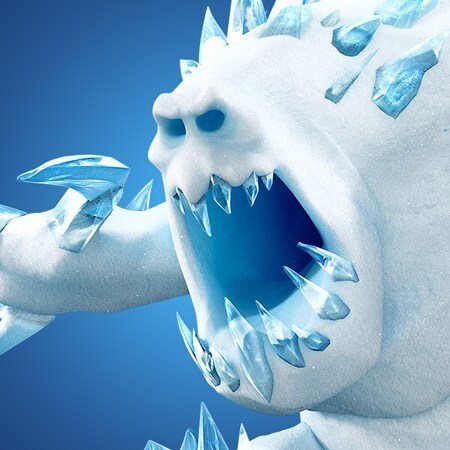
Marshmallow
Creation, command, agency, violence, regeneration, the crown, the Snowgies, and the life waiting after the boss fight.
Profile
| Name | Marshmallow |
|---|---|
| Creator | Elsa |
| Nature | Living snow-and-ice guardian |
| Home | Elsa’s North Mountain ice palace |
| Vocal performance | Paul Briggs |
| First appearance | Frozen (2013) |
| Founding command | Remove Anna, Kristoff, and Olaf from the palace |
| Later role | Palace resident and Snowgie caretaker or companion |
Bottom line first
Marshmallow is born during the worst conversation of Elsa’s life. Anna is freezing, Kristoff is demanding action, Elsa cannot undo the winter, and every request sounds like proof that isolation failed. She creates a guardian, orders everyone out, and the guardian becomes the body capable of enforcing the boundary she cannot hold through words.
That origin makes him more than a monster at the door. He is fear, protection, anger, and labor given snow and muscle. Later, he survives the mountain fall, finds Elsa’s discarded crown, calms, and remains at the palace. The ending suggests a being who can continue after the command that created him.
Profile and identity
Marshmallow is a giant living snow creature created by Elsa in Frozen. Paul Briggs supplies his vocal performance, built largely from roars, short words, and physical sound. He guards Elsa’s ice palace, ejects Anna, Kristoff, and Olaf, fights the Duke of Weselton’s guards, falls from the mountain, survives, and later wears Elsa’s crown.
The feature does not state a gender in dialogue, but official English materials generally use masculine pronouns. It does not establish a conventional age, biological species history, exact intelligence level, or whether Elsa intentionally chose the name. Olaf calls him Marshmallow after the encounter.
Dashboard: confirmed and unknown
Confirmed: Elsa creates him from snow and ice, he understands the order to remove intruders, can speak limited words, changes physical form under threat, builds ice spikes, survives a great fall, calms when he finds the crown, and continues living at the North Mountain palace.
Unknown: whether he retains every command permanently, can disobey Elsa, requires cold to survive, experiences pain like a human, remembers the entire fight, or regards the palace as home by personal choice. Later shorts and licensed material can extend behavior, but the feature sets the base.

The moment of creation
Elsa creates Marshmallow after Anna insists that Arendelle remains frozen and asks her to return. Elsa learns she has harmed Anna again, panics at the idea that she cannot control the damage, and tells the visitors to leave. Magic answers emotional overload by creating a protector large enough to end the conversation.
The scene does not show careful design or a spoken construction spell. He emerges rapidly from snow as Elsa’s need for distance intensifies. His body looks like an externalized defense response: soft material expands, hardens, and develops weapons when pressure continues.
Was he intentionally designed
Elsa clearly directs magic toward creating a guard, but the film does not reveal how many details she consciously selects. She may intend a large snowman who can remove intruders, while size, face, voice, and later adaptive armor emerge through the same living-magic process that gives Olaf personality.
The distinction matters for agency. A constructed body can begin with purpose without every later behavior being preprogrammed. The crown scene especially suggests response to environment and symbol rather than a command Elsa issued onscreen.
“Throw them out” as the founding command
Elsa orders Marshmallow to throw Anna, Kristoff, and Olaf out. He obeys literally, carrying or driving them toward the palace exit. He does not immediately try to kill them. Violence escalates when they resist, attack, insult, or remain on the mountain.
That sequence makes him a boundary enforcer before a hunter. The order is still coercive and dangerous because the path outside contains cliffs and severe weather. Yet his first function is removal, not execution. Later combat should not be projected backward into the initial command.
Relationship file: Elsa
Elsa is creator, queen, and the person whose isolation Marshmallow protects. She leaves the palace before the feature establishes an ordinary relationship with him. He receives no conversation about choice, care, limits, or what should happen once the emergency ends.
The crown links him to her after her absence. Wearing it may be imitation, attachment, recognition of authority, pleasure in beauty, or a comic symbol that he now rules the empty palace. The feature keeps the meaning open while showing that Elsa’s discarded object changes his mood.
Relationship file: Anna
Anna sees Marshmallow as an obstacle between herself and Elsa. She is physically deteriorating, emotionally desperate, and unwilling to accept the boundary. From her perspective, a giant guard confirms that Elsa has chosen rejection again. From his perspective, she is the intruder his creator explicitly ordered removed.
Neither has enough information to interpret the other. Anna does not know the depth of Elsa’s panic. Marshmallow may not understand family, injury, or reconciliation. Their conflict turns a failed conversation into physical action.
Relationship file: Kristoff
Kristoff responds to Marshmallow as a mountain threat. He tries to protect Anna, uses rope and climbing skill, and participates in the escape. The guardian recognizes resistance and escalates. Their relationship is pure situational opposition rather than personal hatred.
Kristoff later describes or remembers the encounter through practical survival. He has no reason to ask whether the creature has interior life while Anna is freezing. A character profile can ask afterward without criticizing the urgent choice to flee.
Relationship file: Olaf
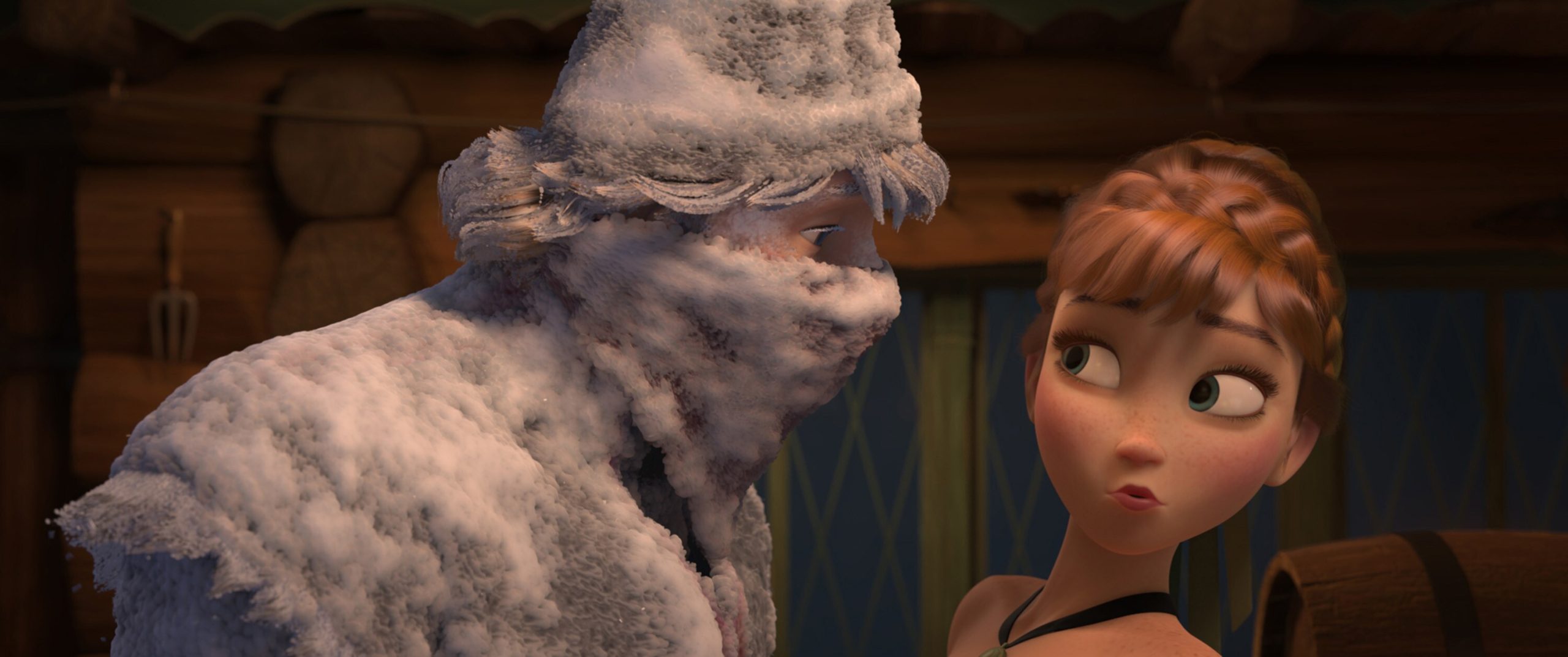
Olaf is also living snow created by Elsa, making him Marshmallow’s closest magical parallel. He names the giant with cheerful absurdity, tries friendliness, and loses body parts during the encounter. Marshmallow does not recognize him as family in any explicit way.
The contrast is revealing. Olaf emerges from childhood memory and love, while Marshmallow emerges from adult fear and defense. One body remains round and welcoming. The other hardens into spikes. Both suggest Elsa’s emotional state influences creation without fully determining later personality.
Are Olaf and Marshmallow brothers
Fans often call Elsa’s snow creations siblings because they share a creator and living-magic origin. The films do not use that family term. It works as affectionate interpretation, especially when shorts bring the snow beings together, but it should remain fandom language unless a source states otherwise.
The relationship question still has value. If created beings possess agency, Elsa has responsibilities resembling parent, maker, sovereign, or magical kin. The franchise usually treats that responsibility lightly because Olaf functions as friend and Marshmallow as guardian.
The soft body before the spikes
Marshmallow initially resembles a very large rounded snowman. Under threat, his body becomes sharper, denser, and more armored. Ice spikes rise from shoulders and limbs, hands become claws, and facial features harden. Defense changes anatomy in real time.
The transformation mirrors Elsa’s own magic. Beauty and danger are not separate powers. Emotional and situational pressure changes how the same material behaves. Softness is not weakness, and hardness is not an original moral identity. It is an adaptive state.
Fear made visible
Marshmallow embodies the defense Elsa has practiced since childhood: conceal, isolate, and push people away before accidental harm occurs. Unlike Elsa, he does not need to smile, apologize, or perform calm while enforcing distance. His body says the boundary without social negotiation.
That symbolism should not erase creaturehood. Calling him “just Elsa’s fear” is too easy once he survives her departure and responds to the crown. He can represent an emotion and still become a being inside the story.
The mountain chase
After ejecting the visitors, Marshmallow pursues them across snow and cliffs when conflict continues. The chase converts the elegant palace sequence into survival action. His size reshapes the mountain: footsteps collapse snow, hands reach across terrain, and the characters must use climbing skill rather than dialogue.
The geography makes every action lethal even if the founding order was removal. A guardian without proportional-force judgment can turn boundary enforcement into deadly pursuit. Elsa creates power faster than she creates governance for it.
“Don’t come back”
Marshmallow speaks a short warning after driving the group away. The words demonstrate comprehension, language, memory of the boundary, and a goal beyond random aggression. He wants the intruders to remain gone.
Limited speech is often used to make creature characters seem simple. Here, the line is sufficient for the assigned function. It does not reveal whether he lacks complex thought or merely lacks practice, vocabulary, or desire to converse with people attacking him.

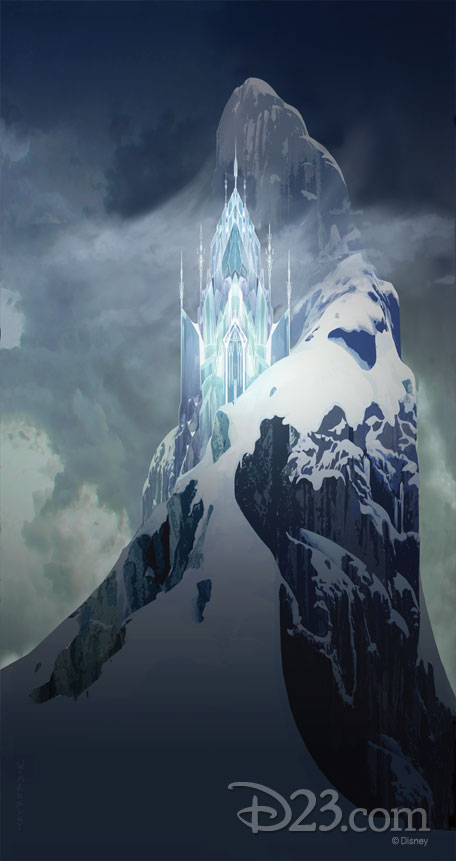
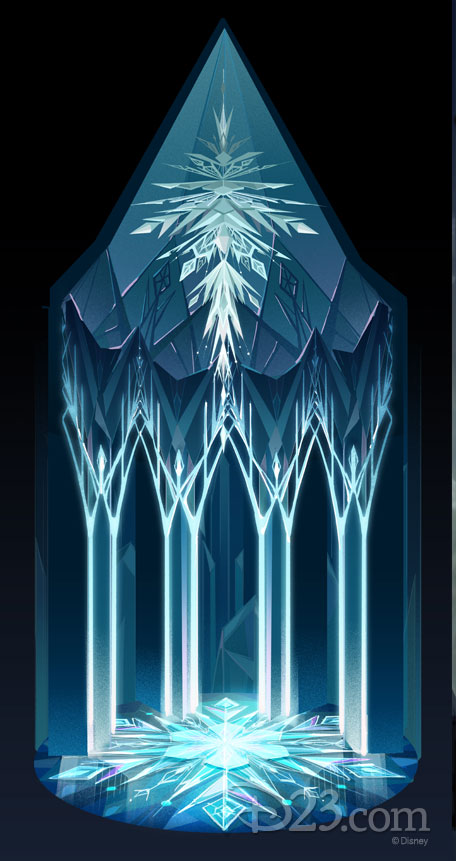
The ice palace as home
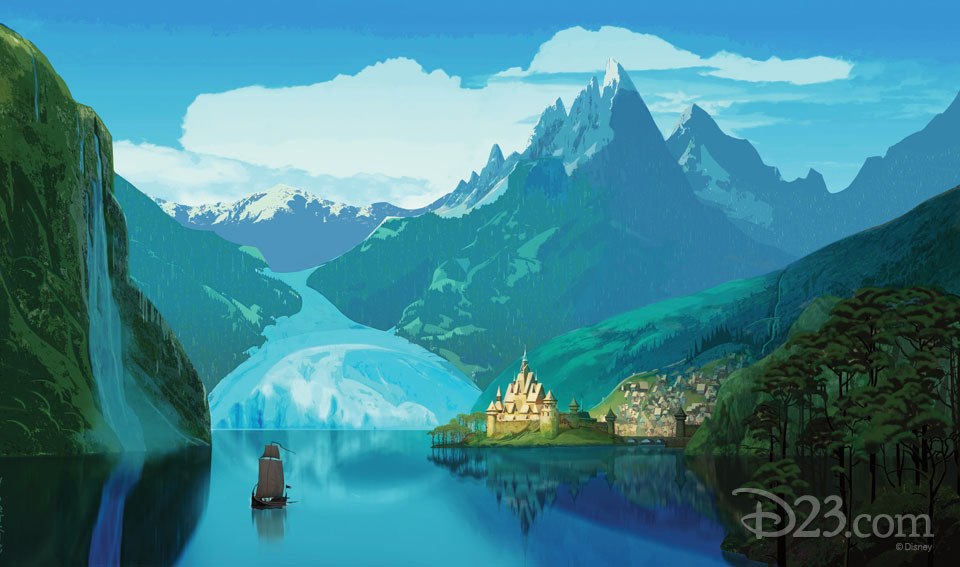
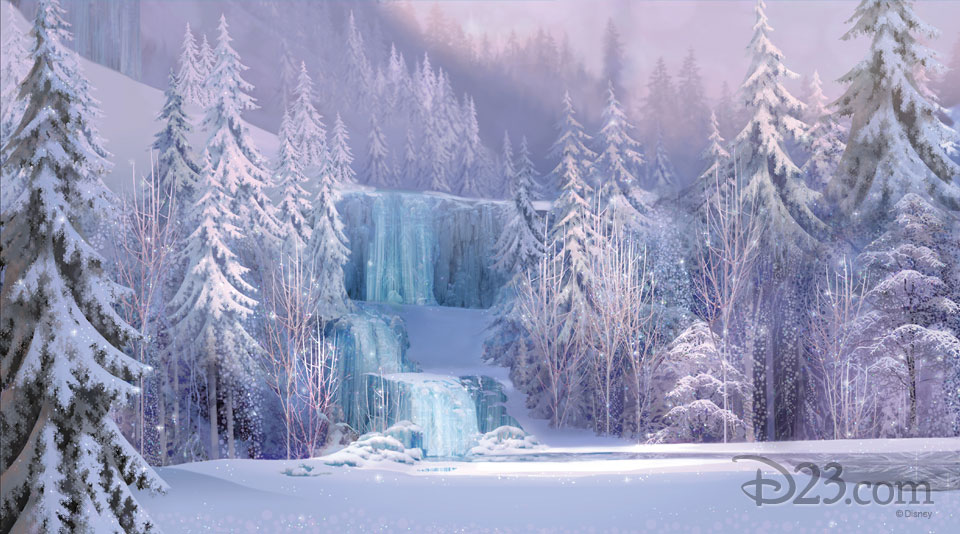
The palace is Elsa’s first freely created architecture and Marshmallow’s birthplace. After Elsa returns to Arendelle, he remains there. The post-credit scene frames him walking through the restored interior and settling into the space after finding the crown.
Calling him palace guard may understate the relationship. The building can also be his home. If nobody assigns a new mission, maintaining the place and staying inside may be personal continuity rather than endless obedience.
The soldiers arrive
Hans leads a rescue expedition, and the Duke of Weselton’s guards enter the palace with a hidden kill order. Marshmallow confronts armed intruders who have already treated Elsa as a target. His defense of the palace now aligns with defense of his creator against attempted assassination.
The film shoots him as a threat to the humans, but context complicates the angle. Armed men invade a home under false rescue cover. The guardian’s violence is severe. It is not unprovoked.
Combat and proportionality
Marshmallow uses size, claws, spikes, and the environment to attack. He can throw, crush, or drive people toward lethal falls. The guards use crossbows and swords. Hans attempts to manage the encounter while pursuing his own agenda.
A created guardian has no visible legal or ethical training. He distinguishes intruder from resident, not rescue team from assassin. The scene demonstrates why powerful defense without context becomes dangerous even when the defended person faces a real threat.
The severed leg
During the fight, Marshmallow’s leg is cut or broken away, causing him to fall from the palace edge. The film does not linger on pain in human terms, but his reaction and loss of balance show physical consequence. Living snow can be injured even if its body may regenerate.
Creature action often invites audiences to ignore suffering because nonhuman bodies are assumed replaceable. The later survival does not retroactively make the damage meaningless. Regeneration and invulnerability are not the same.
The fall from the mountain
Marshmallow falls a vast distance and appears defeated. The main narrative moves on, using the fall as a clean end to the guardian obstacle. The post-credit scene reveals that he survived and returned to the palace.
That survival changes the preceding fight. The character is not a spell dissolved when Elsa leaves or a disposable boss erased by human victory. He persists outside the protagonists’ knowledge, which strengthens the case for independent life.
Regeneration and magical biology
Later appearance with a restored body implies healing, reconstruction, or snow-based regeneration. The film does not show the process. It is unclear whether cold, palace magic, Elsa’s continuing enchantment, or his own physiology repairs the missing limb.
Profiles should resist filling the gap with a precise power chart. The supported statement is survival with restored form. Everything about timing, energy source, and limits remains open unless another screen text demonstrates it.
The crown scene
In the post-credit scene, Marshmallow finds Elsa’s small crown on the palace floor, places it on his head, and visibly relaxes as his threatening spikes recede. The gag rewards viewers who stay and transforms the monster into a quieter resident.
The object may signal Elsa, authority, beauty, play, or ownership of the empty palace. Whatever the exact interpretation, his emotional state changes through recognition rather than command. That is one of the clearest signs of response not reducible to “throw them out.”
King of the ice palace
Fans often describe crowned Marshmallow as king of the ice palace. The film does not grant a formal title, subjects, or coronation. The image still works symbolically: Elsa abandons the crown and palace, while the being created to guard the space inherits both.
The joke reverses hierarchy. A creature treated as muscle gains the symbol of sovereignty. If the palace is his home, the crown can mark possession through survival rather than bloodline.
The name Marshmallow
Olaf calls the giant Marshmallow, contrasting an aggressively large ice guardian with a soft sweet food. The name is comic, affectionate, and imposed during conflict. The creature never verbally accepts or rejects it in the first film.
Official franchise materials adopt the name, making it the practical identifier. A deep profile can still notice the asymmetry: a smaller snow creation names a larger one for the audience, while the named being receives little chance to self-identify.
Voice and sound by Paul Briggs
Paul Briggs gives Marshmallow breath, weight, pain, rage, and limited speech. The performance has to communicate intelligence without extended dialogue. Roars change according to pursuit, injury, warning, and calm rather than functioning as one generic monster track.
Sound carries body scale before the animation completes the impression. The creature’s voice belongs to ice, snow, and lungs that may not be biological. Performance makes impossible anatomy emotionally readable.
Design and transformation
Marshmallow’s design begins with snowball construction recognizable from Olaf, then expands proportions until the familiar becomes intimidating. Blue ice and crystalline spikes emerge under threat, linking his body directly to Elsa’s architectural and defensive magic.
The design avoids a separate villain palette. He remains made from the same whites and blues associated with Elsa’s beauty. Context, scale, posture, and shape create danger. That continuity supports the idea that power is not morally fixed by material.
A guardian without a social world
At creation, Marshmallow has one relationship, one place, and one command. He receives no community, explanation, maintenance plan, or choice of purpose. The ethical problem resembles creating a sentient worker in an emergency and leaving before defining what freedom means afterward.
The franchise can treat the situation as fairy-tale magic, but the character’s persistence makes the question unavoidable. If Olaf deserves friendship and consent, a larger less verbal snow being should not be denied moral status because his first job is violent.

Created labor and the right to stop working
Marshmallow’s first breath arrives with a job already attached. He does not negotiate hours, danger, duration, or what happens when Elsa no longer needs the palace defended. Fantasy makes that arrangement feel natural because magic produces the worker instantly and hides every cost of creation.
His later life raises the question the command avoids. A sentient guardian should be able to retire, redefine the task, welcome guests, or refuse a creator’s order. The crown scene becomes more interesting when read as the first moment he occupies the palace for himself rather than only for Elsa.
Does Elsa know he survived
The first film does not show Elsa learning about the post-credit survival. Later shorts and franchise appearances may place her snow creations within connected continuity, but the exact moment of knowledge should be sourced rather than assumed.
If she knows, responsibility includes checking his needs and choices. If she does not, the palace contains an independent magical life beyond royal awareness. Both possibilities make the creation more consequential than a temporary spell.
Frozen Fever and the snowgies
Frozen Fever introduces many small snow creatures produced involuntarily by Elsa’s sneezes. Marshmallow later becomes associated with caring for or living alongside them at the ice palace. The extension gives him community and a role beyond security.
That development softens the solitary guardian without erasing the original. Care work reveals patience and belonging the feature never tests. It also reinforces that Elsa’s living creations can form relationships independent of her immediate direction.
Relationship file: the Snowgies
The Snowgies are tiny, numerous, energetic, and accidental. Marshmallow is large, singular, and created for a clear command. Their shared origin in Elsa’s magic creates a found community at the palace despite enormous differences in size and temperament.
Official shorts often use the contrast for comedy, but the relationship carries emotional value. A being born to push everyone away becomes caretaker or companion to a crowd. Purpose can change after creation.
Olaf’s Frozen Adventure and later presence
Holiday material and licensed appearances may show Marshmallow within the expanded family of magical snow beings. Each appearance should be attributed by title because shorts often operate with lighter stakes and more elastic comedy than the feature.
Continuity is strongest when later behavior grows from survival and palace residence. A new gag should not erase that he was created during crisis or pretend he always possessed a cheerful domestic role.
Games, parks, and merchandise
Marshmallow appears in games, attractions, toys, and promotional material as both obstacle and lovable monster. Interactive media often emphasize combat scale because he provides a recognizable boss shape. Merchandise may emphasize the crown or softened form.
Those branches reveal a franchise split: threat sells action, while crowned calm sells affection. Neither product version alone captures the transition between them. A profile must connect the states through story.
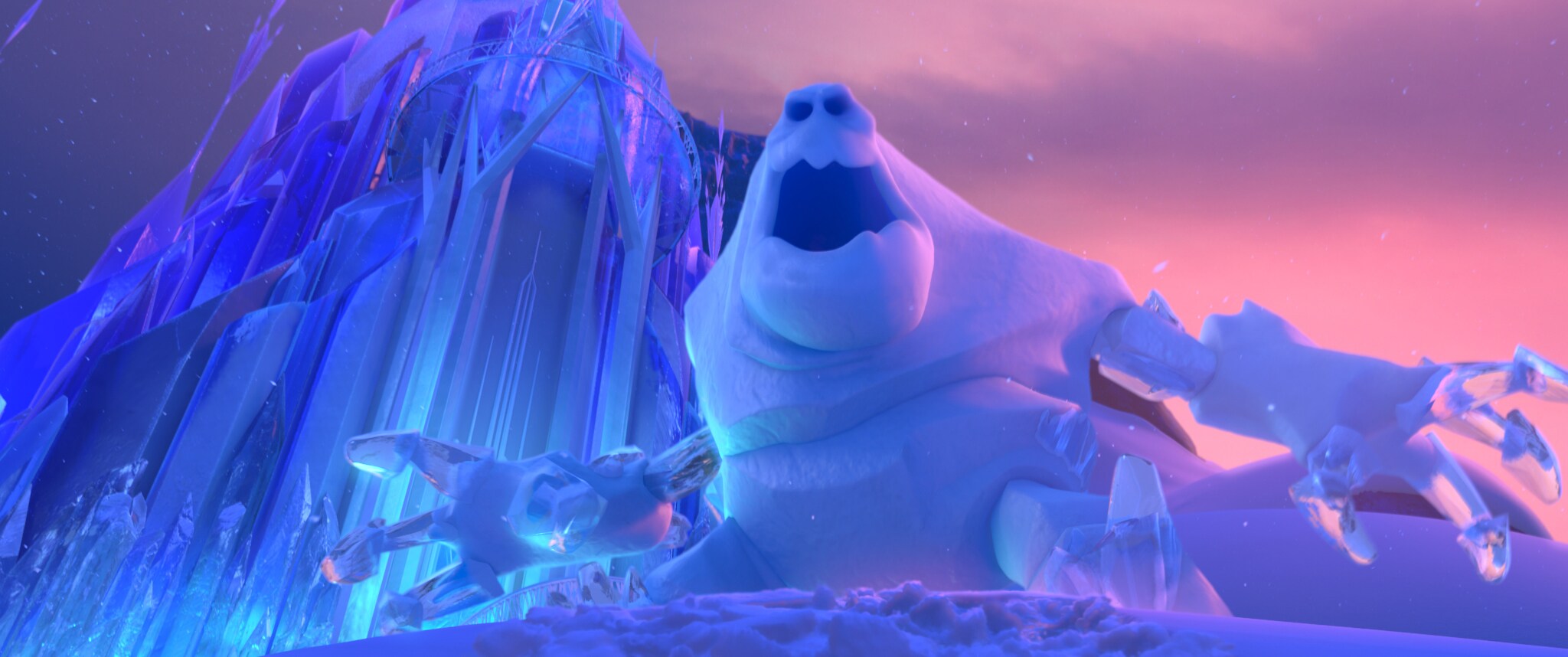
Creature, weapon, or person
Marshmallow is all three depending on the frame. Elsa creates him as defensive force. Intruders experience him as a monster. Survival, language, emotional response, regeneration, and later care suggest personhood. Categories overlap rather than cancel each other.
Calling him a weapon can identify the function imposed at birth without denying agency. Calling him a person can recognize later life without pretending the violence never occurred. The ethical question is what rights belong to a created being after the emergency ends.
Violence and blame
Elsa creates the guardian and gives the removal command. Marshmallow executes and escalates under resistance. Anna and Kristoff refuse the boundary because Anna’s life and Arendelle’s crisis create urgency. The Duke’s guards invade with lethal intent. No single cause explains every injury.
Distributed responsibility produces better analysis than monster blame. Marshmallow acts, but his decision environment is designed by people with more context than he receives. Power without education is dangerous for creator and creation.
What the film gets right
The film gives a temporary obstacle a readable origin, adaptive body, limited language, post-credit survival, and emotional change. Those details make Marshmallow feel like part of Elsa’s magical ecology rather than an effect summoned for one action sequence.
It also preserves ambivalence. He is frightening and sympathetic, defensive and excessive, commanded and responsive. The audience can enjoy the chase while recognizing that the palace is being invaded.
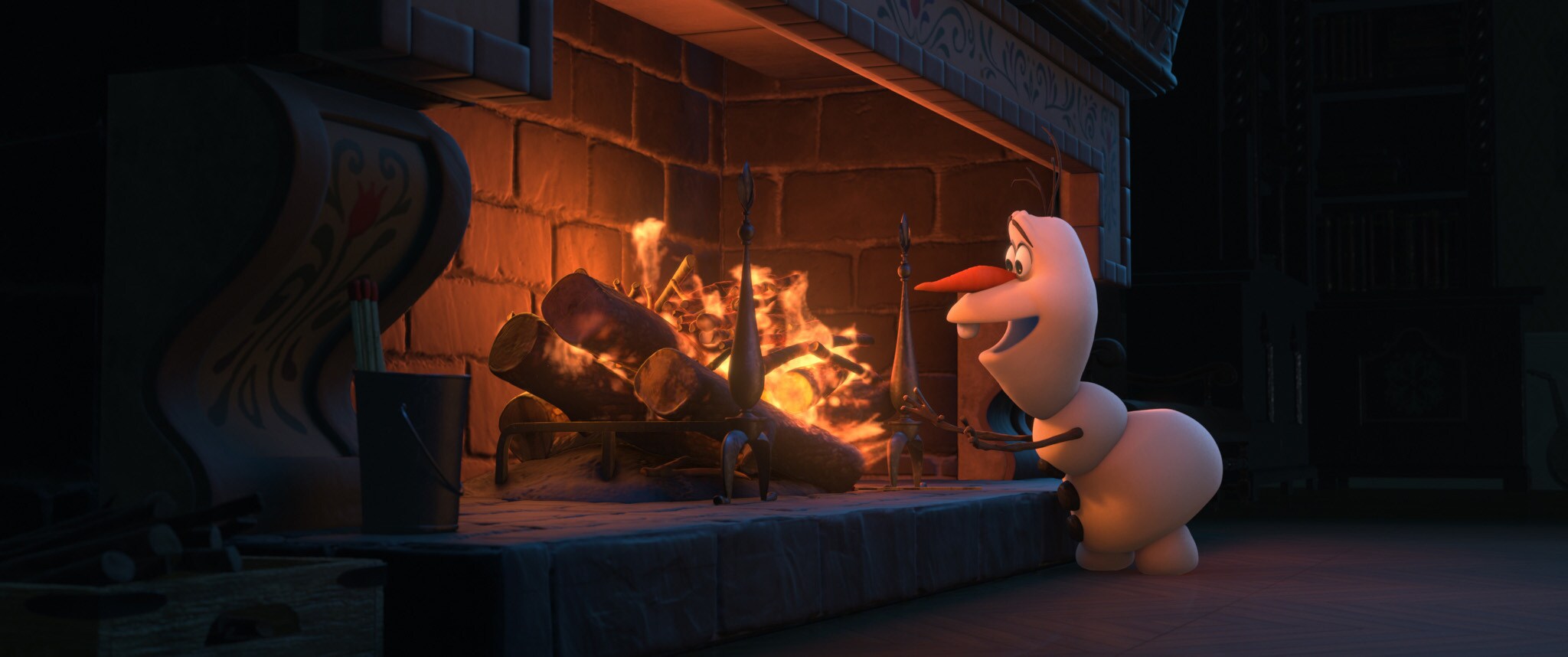
What the film leaves unfinished
Elsa never discusses creating him, apologizes for abandoning him, grants a new purpose, or learns onscreen what happened after the fall. Marshmallow never speaks enough to state preference. The crown supplies closure through image rather than relationship.
Later shorts can build community, but the central creator-creation conversation remains missing. A full ecosystem should not let cute follow-up appearances erase that ethical hole.
What Wikipedia has that this page must exceed
The encyclopedic floor includes Elsa’s creation, the order to remove the visitors, palace guardianship, fight with the expedition, fall, survival, crown, Paul Briggs credit, and later Snowgie appearances. Those facts establish the arc.
CVM Sekai adds command versus agency, magical biology, proportional force, creature ethics, home, regeneration boundaries, creator responsibility, labor, sound performance, and the way crown imagery transforms a disposable monster into a resident with possible sovereignty.
Future file
Marshmallow should meet Elsa again in a scene that acknowledges his life. She can ask whether he wants to guard, live with the Snowgies, change the palace, visit Arendelle, or remain independent. He needs a choice not disguised as another command.
More speech is optional. Agency can appear through action, refusal, affection, architecture, and routine. The essential step is letting the franchise treat his continued existence as a relationship rather than a visual punchline.
Artwork responsibility
The featured artwork is original CVM Sekai fan art designed for a wide hero and directory crop. It presents a protective snow-and-ice guardian before an original mountain palace under a purple storm, without copying the official animated model or palace design.
Local metadata records generation source, alt text, rights note, and lack of Disney endorsement. The same attachment serves featured image, hero, and future directory card, preserving one visible identity throughout the Frozen ecosystem.
Sources and certainty
Primary evidence includes Frozen, its post-credit scene, official shorts such as Frozen Fever where relevant, published credits, and Disney character material. Games, parks, and licensed books remain clearly separated by branch.
Agency, personhood, labor, and creator-responsibility analysis is interpretation grounded in behavior. The profile does not claim a precise magical biology, formal kingship, or spoken consent that the screen never provides.
The final read
Marshmallow begins as Elsa’s need for distance with arms, teeth, and enough mass to move everyone else. He is dangerous because the command is simple and the world around it is not. Yet survival, regeneration, speech, crown recognition, and later care make him larger than the emergency that created him.
The franchise calls him monster until it wants him lovable. A serious profile connects those states. He can be accountable for harm and still deserve a life. He can guard the palace and still choose it as home. He can wear the crown without needing permission from the story that left him behind.
Frozen coverage
Return to the Frozen hub for every character, review, React, rant, and guide.