
Chōchō Akimichi
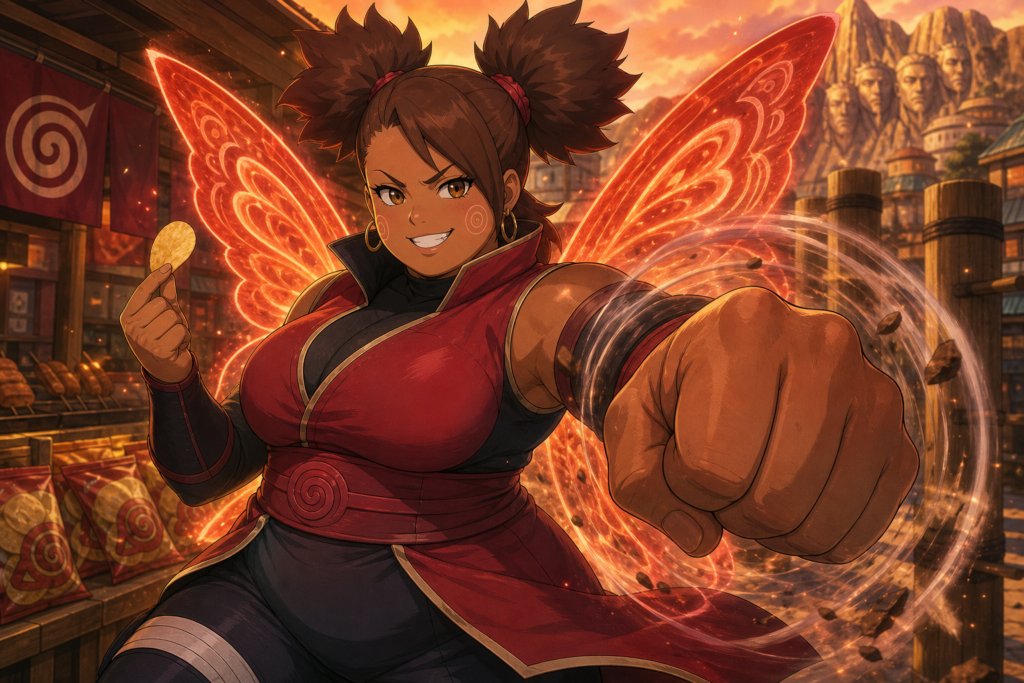
Chōchō Akimichi inherits Butterfly Mode, Team 10, and a franchise eager to joke about her body. She keeps the power and refuses the shame.
Catbus
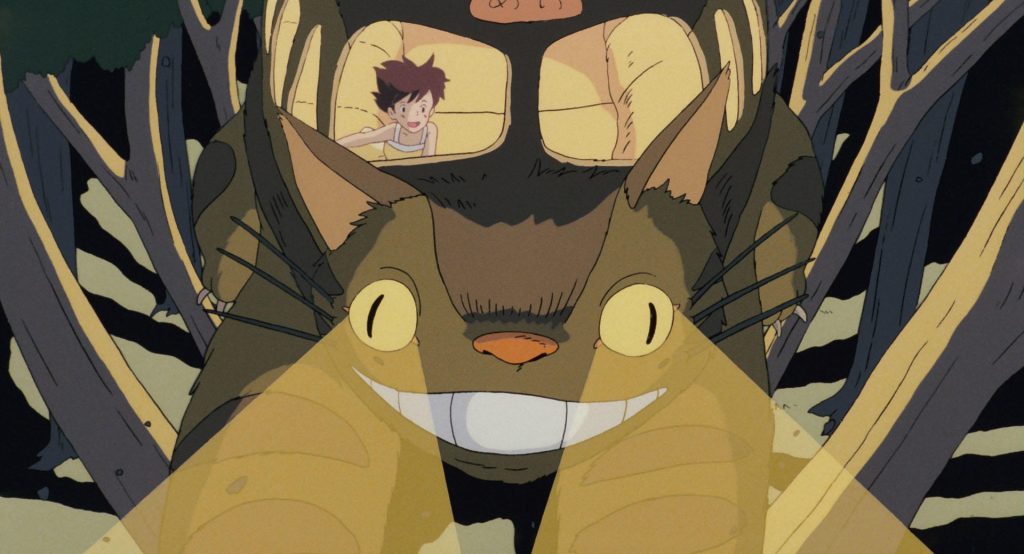
A grinning many-legged vehicle that turns the rural map into a living network when Mei goes missing.
Totoro
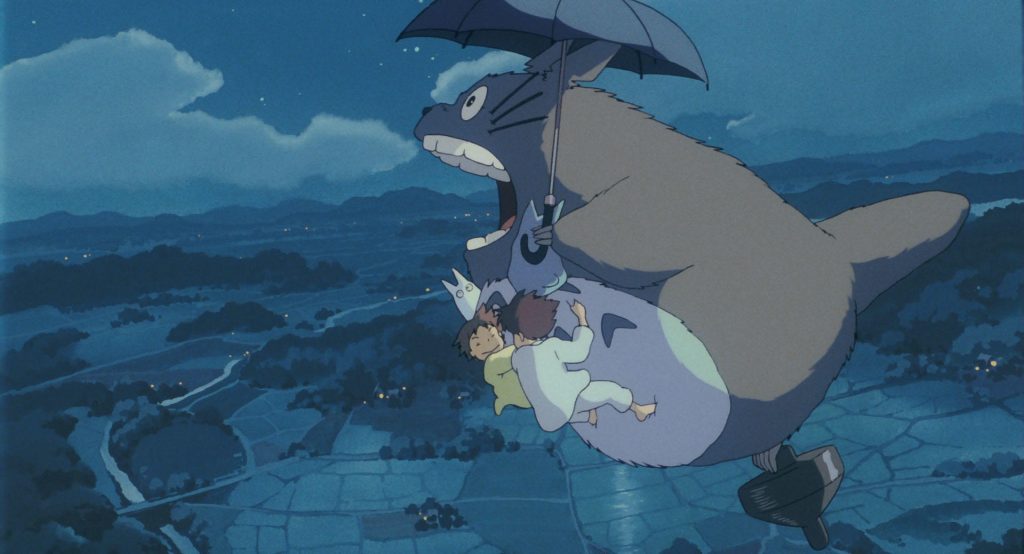
A vast forest presence who offers shelter, transport, play, and wonder without becoming a cure for the family’s real fear.
Mei Kusakabe

A four-year-old whose curiosity finds the forest first and whose fear turns one delayed hospital visit into an emergency.
Satsuki Kusakabe

An older sister doing school, chores, hospital worry, and emergency parenting before anybody admits how much she is carrying.
The Numbers Explained: Kiyoko, Takashi, Masaru and Akira
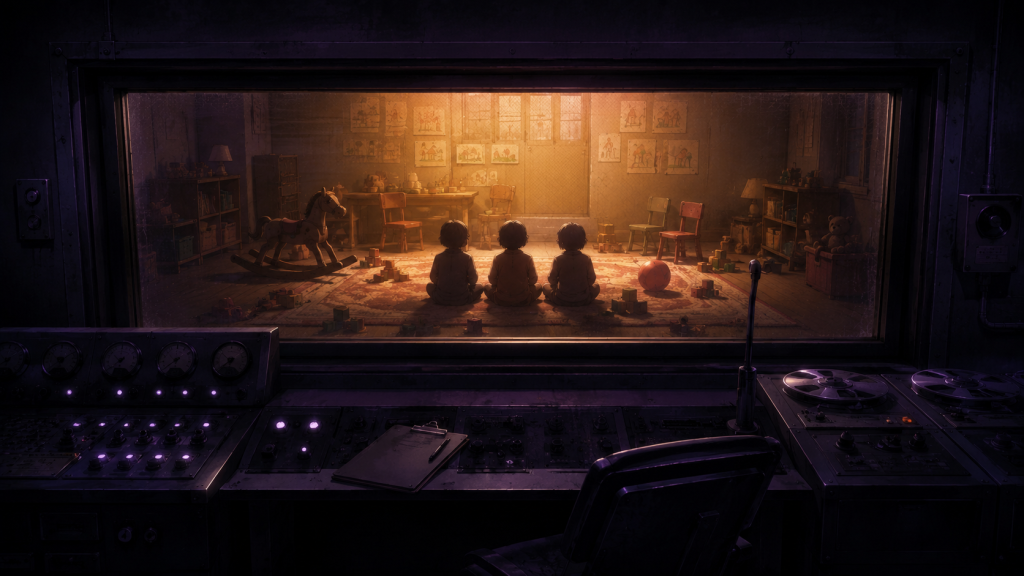
Kiyoko, Takashi and Masaru are numbered 25, 26 and 27. Akira is 28. They are the children the state took, tested, and kept, and they are the evidence for every argument the film makes about power. Here is what the program was, what it did to them, and why the playroom is the most disturbing set in the movie.
Osono

The bakery owner who turns kindness into shelter, work, boundaries, and real community.
Ursula

A working artist who recognizes Kiki’s creative block without turning it into a lecture.
Jiji

Kiki’s sharp-eyed companion, comic truth-teller, and measure of how childhood intimacy changes.
Kiki

A gifted apprentice witch learning that independence needs community, rest, and room to fail.
The Puppet Master

Project 2501 becomes the Puppet Master when a state-built program claims life, asylum, reproduction, and the right not to be classified as government property.
Togusa

Togusa brings an almost fully human body, detective habits, family obligations, and useful skepticism into Section 9’s heavily cyberized workplace.
Batou
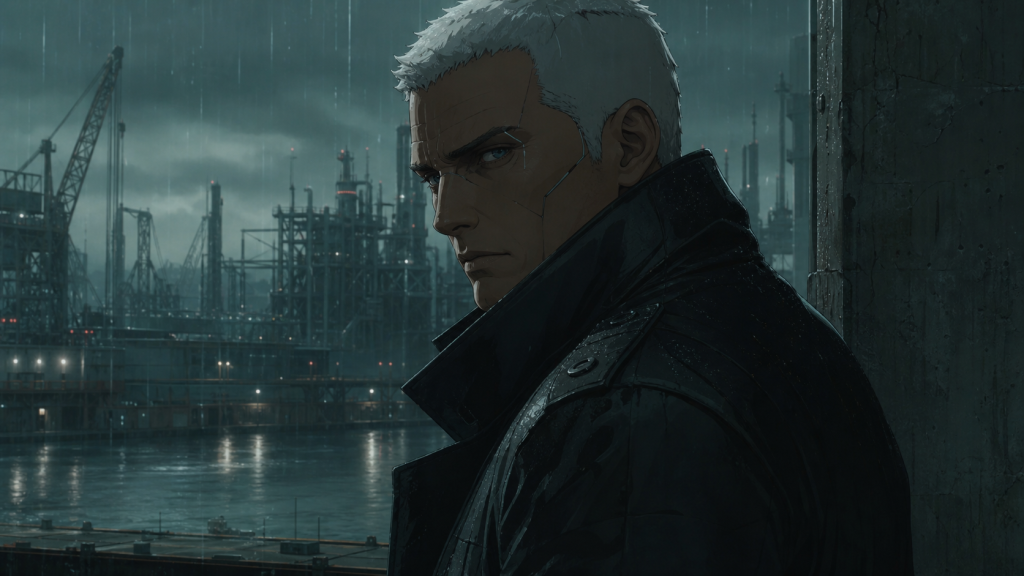
Batou is Section 9’s force, skepticism, humor, and stubborn care, a heavily cyberized operative who keeps personhood grounded in daily choices.
Motoko Kusanagi

Motoko Kusanagi leads Section 9 while testing every legal and philosophical boundary between human person, cybernetic body, state employee, and emergent life.
Ryu
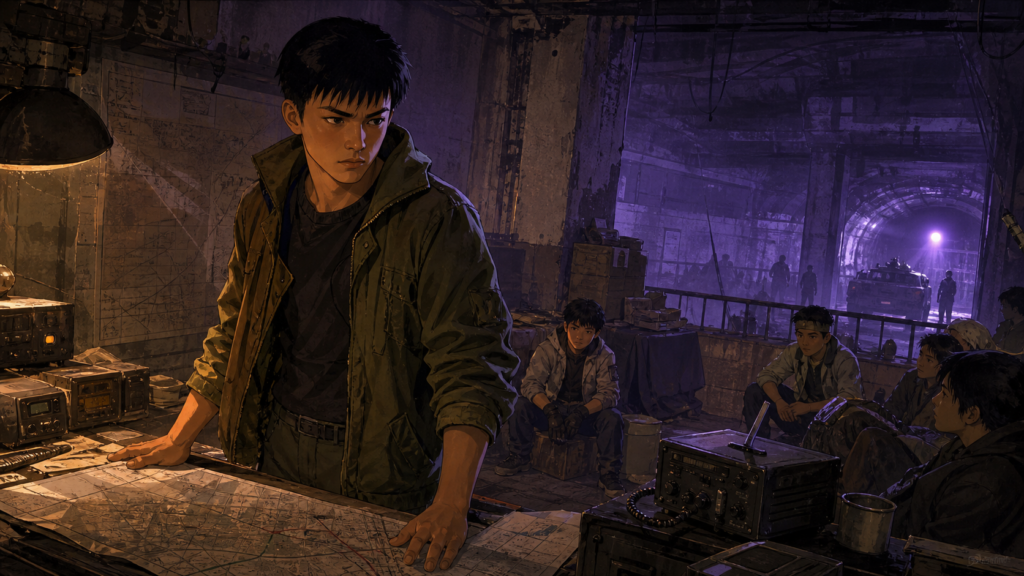
Ryu is Akira’s disciplined resistance organizer, caught between Kei’s trust, Nezu’s manipulation, military secrecy, and Neo-Tokyo’s collapse.
Madame Character Profile

Madame’s Kiki’s Delivery Service character profile examines the pot-pie delivery, hidden care work, class, customer recognition, and the kindness that helps Koriko become a community.
Tombo Character Profile

Tombo begins as the loud aviation boy Kiki avoids and becomes the peer who makes Koriko feel less like a workplace.
Kei
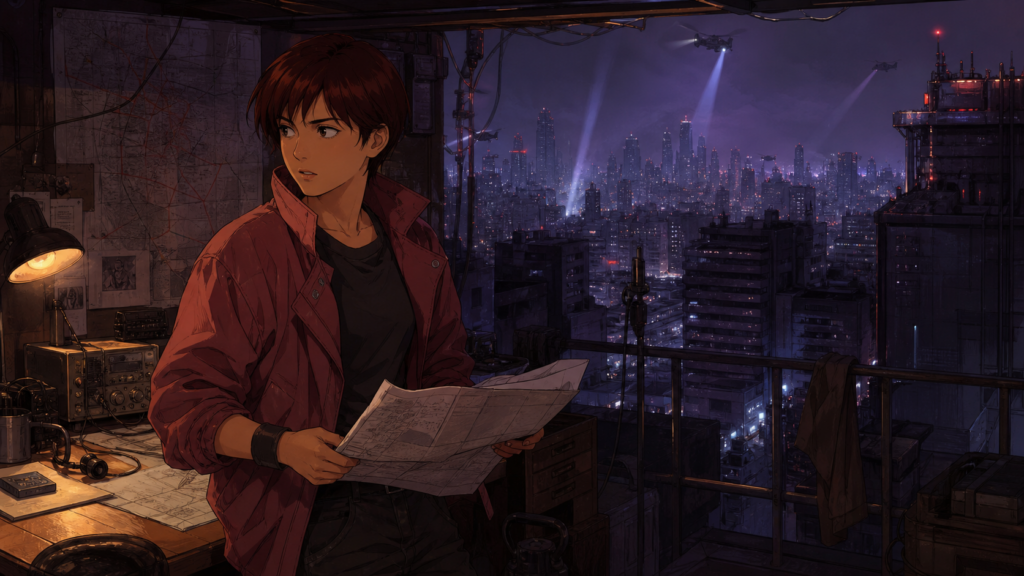
Kei is Akira’s resistance fighter, political witness, and psychic conduit. Her profile follows the people, power, and betrayals that shape her Neo-Tokyo story.
Tetsuo Shima

Tetsuo Shima turns Akira’s psychic spectacle into a tragedy about humiliation, institutional abuse, friendship, and power that grows faster than a child can control.
Shotaro Kaneda

Shotaro Kaneda leads Akira’s Capsules with swagger, reckless loyalty, and a refusal to let Neo-Tokyo’s military project claim Tetsuo without a fight.
Rei Ayanami, the Dummy System, and Manufactured Personhood
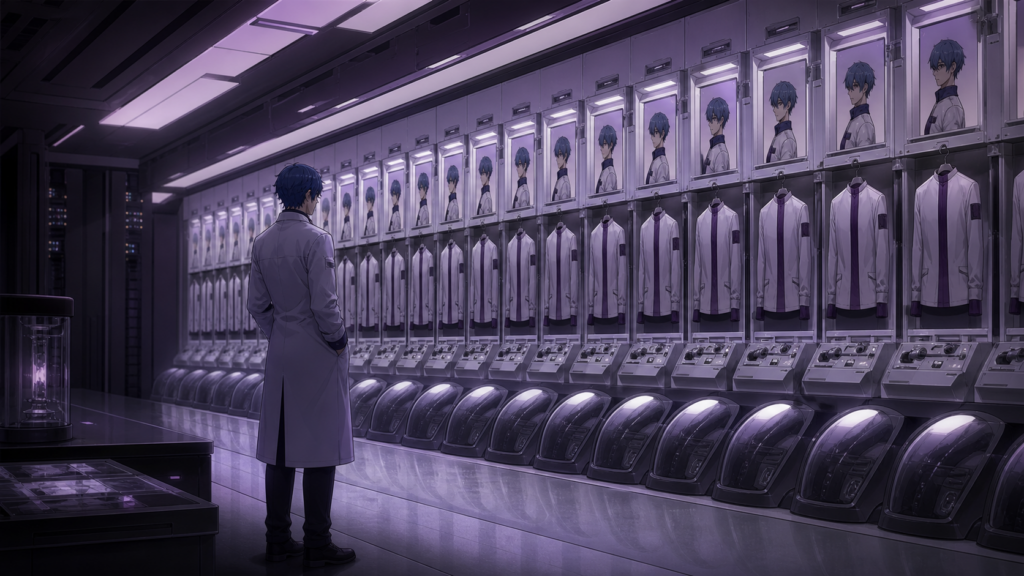
Rei Ayanami is a person living inside a replacement system. This guide explains her bodies, soul, memories, Lilith connection, dummy plugs, and the difference between access and identity.
The Soul Inside an Eva: Yui, Kyoko, and Unit Identity

An Evangelion needs more than biology and machinery. This guide explains the human souls inside the Evas, Yui, Kyoko, Unit identity, protection, rejection, and berserk action.
Evangelion Characters: Complete Cast Directory

Meet Evangelion’s pilots, commanders, scientists, classmates, families, WILLE crew and SEELE members through a complete image-led character directory.
Committeeman D: Evangelion Character Profile

Committeeman D represents Russia on Evangelion’s Human Instrumentality Committee, where military power cannot overcome NERV’s secrecy or SEELE’s control.
Committeeman C: Evangelion Character Profile
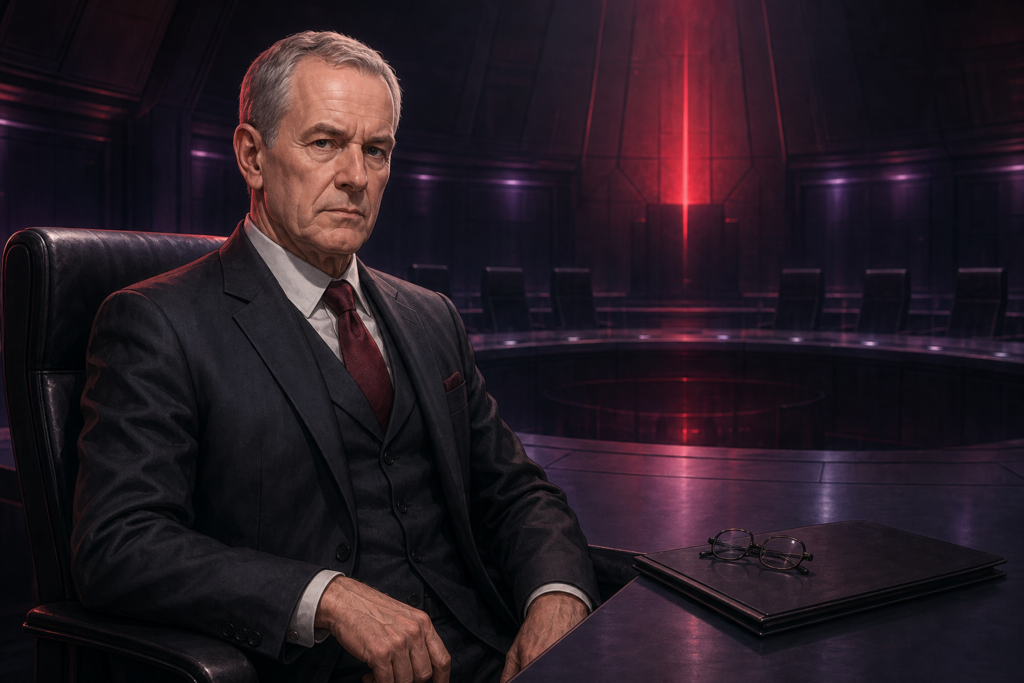
Committeeman C represents the United Kingdom on Evangelion’s Human Instrumentality Committee, where national authority cannot overcome SEELE’s secrecy.
Committeeman B: Evangelion Character Profile

Committeeman B represents France on Evangelion’s Human Instrumentality Committee, where international consent hides behind sealed meetings and SEELE’s plan.
Committeeman A: Evangelion Character Profile

Committeeman A represents the United States on Evangelion’s Human Instrumentality Committee, where international oversight becomes theater inside SEELE’s secrecy.
Asuka’s Stepmother Character Profile

Asuka’s unnamed physician stepmother enters the Langley family during Kyoko’s hospitalization, leaving betrayal and replacement inside Asuka’s childhood trauma.
Shiro Tokita: Evangelion Character Profile
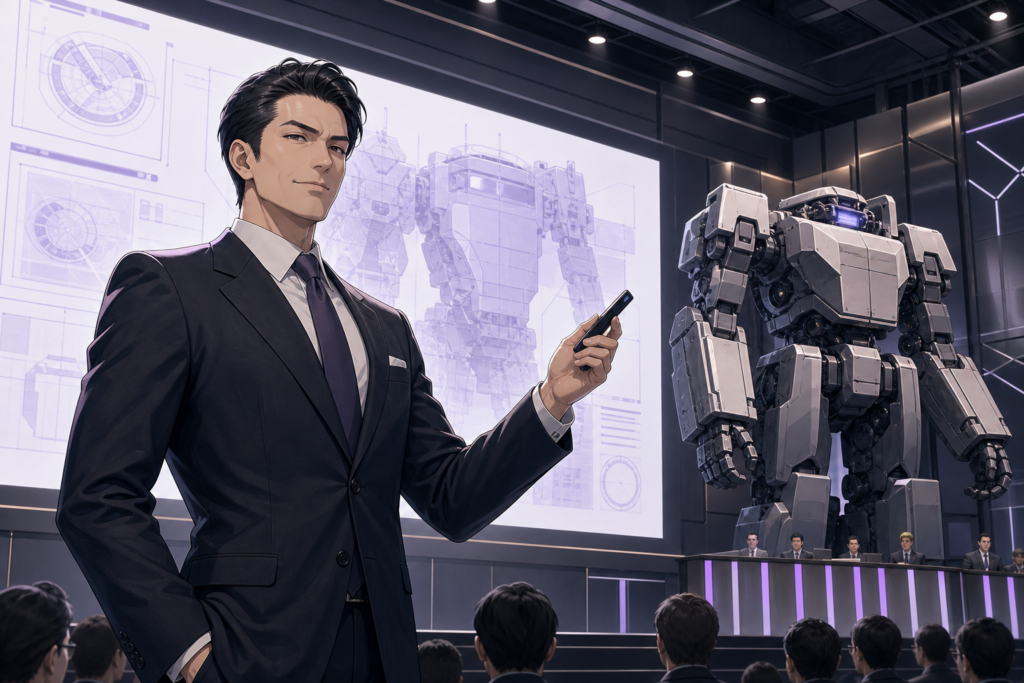
Shiro Tokita sells Jet Alone as a humane alternative to Evangelion, then watches corporate certainty collapse inside sabotage, secrecy, and nuclear danger.
Hideki Tama: Evangelion Character Profile
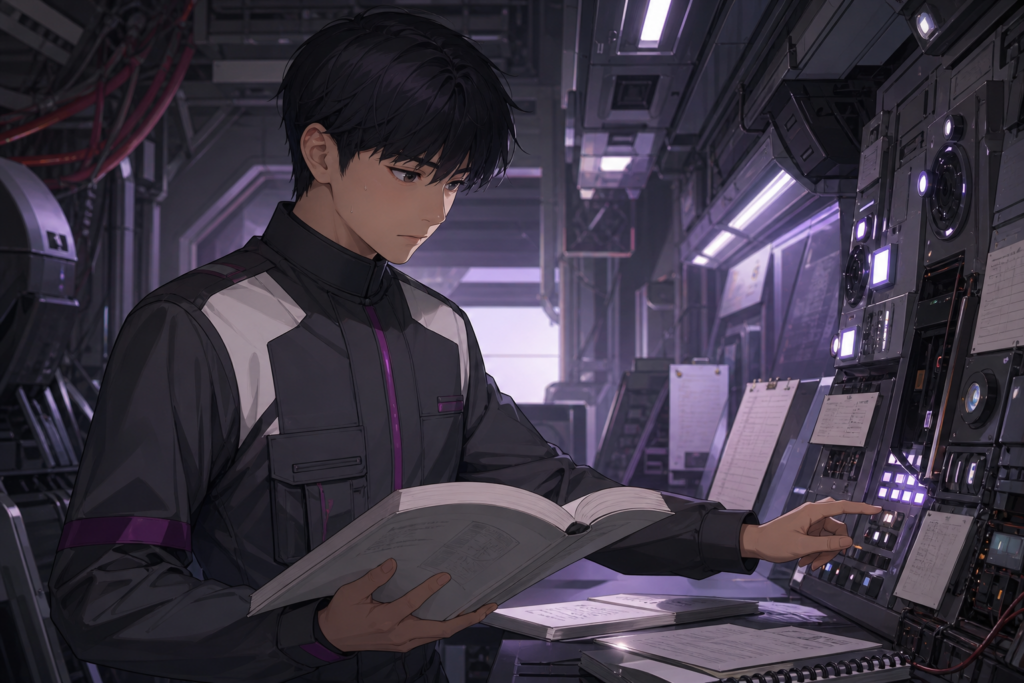
Hideki Tama is WILLE’s cautious young engineer, relying on manuals and training to perform his duty aboard the Wunder even when fear follows every command.