LIL LEAGUE: Members, Music, EXILE TRIBE History and Current 2026 Guide
Group profile and current lineup
| Members | Sena Iwaki, Tatsuhiro Nakamura, Kodai Yamada, Matora Okao, Haima Momoda and Sora Nanba |
|---|---|
| Company | LDH JAPAN |
| Formation | iCON Z 2022 men’s division winners |
| Debut | January 11, 2023 |
| Current status | Active six-member Japanese dance-vocal group |
| Fandom | LIL Friends |
Sena Iwaki, Tatsuhiro Nakamura, Kodai Yamada, Matora Okao, Haima Momoda and Sora Nanba — active six-member Japanese dance-vocal group.
Bottom line
LIL LEAGUE from EXILE TRIBE is the active six-member Japanese dance-vocal group of Sena Iwaki, Tatsuhiro Nakamura, Kodai Yamada, Matora Okao, Haima Momoda and Sora Nanba. They won LDH’s enormous iCON Z 2022 men’s division, debuted with “Hunter” in January 2023, released the TRICKSTER album and “Lollipop” in 2024, and continued through August 26, 2026’s Boku wo Sagashiteta / LOCA single.
They are J-pop and LDH, not K-pop simply because a K-pop playlist found them.
What the name carries
LIL LEAGUE was named to turn young power and momentum into a shared vibe. The members were genuinely young at formation, but the archive follows craft rather than preserving adolescence as permanent branding.
Youth is a starting condition, not an artistic genre.
The six members
Sena leads; Tatsuhiro anchors melody; Kodai bridges vocal and rap; Matora attacks rhythm and movement; Haima adds bright versatility; Sora develops as the youngest vocalist.
Six roles overlap because LDH dance-vocal groups expect whole-stage responsibility.
iCON Z
Nearly 48,000 applicants entered LDH’s iCON Z audition. The six emerged from the nineteen male finalists and won the final at Nippon Budokan.
A huge audition explains access, not the full career.
Hunter and debut
The January 2023 debut established technical dance, youthful urgency and a performance model connected to EXILE TRIBE’s long dance-vocal lineage.
Inheritance creates expectations, not a substitute for identity.
Higher and Monster
The second single tested harder edges and showed how the group could change attack without losing its bright center.
Range arrived before the first album.
TRICKSTER
Released February 28, 2024, the first album gathered the early catalogue while introducing material including “Lollipop.” The title suits a group learning how charm, misdirection and technical precision can coexist.
The album marks a move from audition winners to catalogue builders.
Lollipop
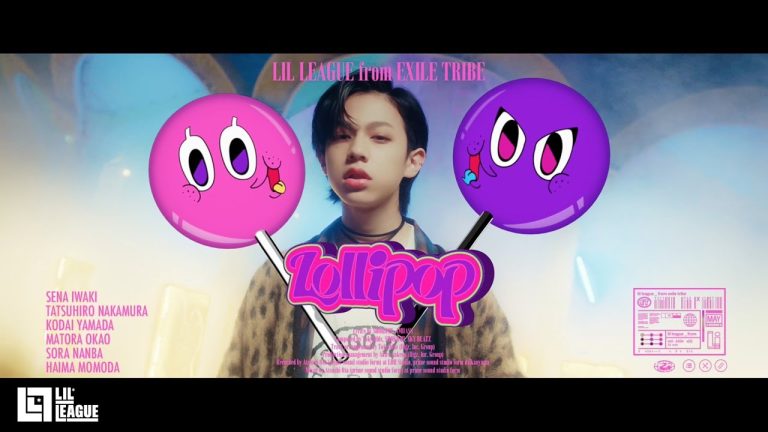
The official music video arrived February 5, 2024. Candy color and a buoyant hook make the surface easy, but six-person exchanges, fast rhythmic detail and controlled play keep the track from becoming disposable sugar.
The exact playlist upload receives one long Iconic-by-Mistake React.
Youth Spark
The July 2024 release continued the group’s youth theme while giving it a more self-aware scale after touring and a full album.
Repetition matters less than whether the performers have changed.
2025 growth
Shigeki Saiyusen and Manatsu no Hanabi pushed the group through harder stimulus and summer sentiment, expanding performance temperature beyond one candy-bright lane.
A young group needs contrasts to avoid becoming a mascot.
Current 2026 chapter
NEOMATIC arrived in March, the Wonder Island tour became a home-video release in July, and Boku wo Sagashiteta / LOCA released August 26. The current LDH profile still lists all six.
The hub reaches the present instead of stopping at the viral track.
Rant: stop using age as a substitute for analysis
Coverage of young groups often counts birthdays, calls everyone fresh and leaves. That tells us nothing about breath, groove, arrangement, authorship or how a teenager carries professional touring labor.
Protect young artists and analyze their actual work; both are possible.
RaeRae take
LIL LEAGUE are best when youthful energy is treated as raw material shaped by timing, trust and six distinct responses. “Lollipop” is fun because the structure supports the grin.
Joy still needs rehearsal.
Image and routing standard
The hub, six profiles and React use separate real local official-video frames with full metadata, SEO, attribution and FileBird folder 25 placement.
The exact card routes to all six performers.
Member directory
- Sena Iwaki — leader, vocalist, rapper and performer.
- Tatsuhiro Nakamura — vocalist and performer.
- Kodai Yamada — vocalist, rapper and performer.
- Matora Okao — rapper and performer.
- Haima Momoda — vocalist, rapper and performer.
- Sora Nanba — vocalist and youngest member.
Current status: the same active six
LIL LEAGUE from EXILE TRIBE remains Sena Iwaki, Tatsuhiro Nakamura, Kodai Yamada, Matora Okao, Haima Momoda and Sora Namba under LDH. The official profile lists all six and documents the 2026 NEOMATIC album, “Boku wo Sagashiteta / LOCA” single and first fan-club-only live series.
Event subsets and health absences do not change the lineup. Every exact release keeps the credited participants and date, while current group cards use the full official six unless the event itself is the subject.
iCON Z is the formation record
The six won the men’s division of LDH’s 2022 iCON Z ~Dreams For Children~ audition after roughly 48,000 applicants entered the wider project. That victory explains the public doorway and the group’s place inside EXILE TRIBE. It does not reduce adult working artists to permanent contestants.
“Hunter” became the major debut on January 11, 2023. Later releases, touring and creative development now outrank audition rankings as evidence of who leads, sings, raps or shapes performance.
LOCA creates a real cross-border credit
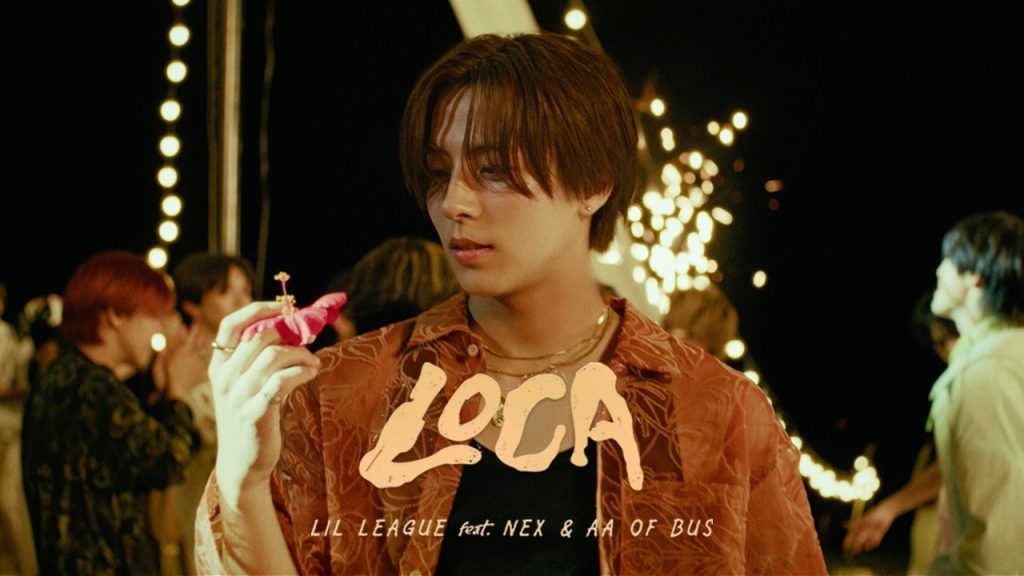
“LOCA” features NEX and AA from the Thai group BUS because of you i shine. The official release describes English-led lyrics, Japanese lines for the BUS members, a Pattaya video and choreography by NOPPO of s**t kingz. That makes it a LIL LEAGUE release with named BUS collaborators—not a BUS group comeback and not an anonymous international feature.
The exact video must route to LIL LEAGUE, NEX, AA and BUS context while preserving one primary artist credit. Collaboration metadata exists so discovery does not require stealing ownership from either side.
Fandom file: LIL Friends
LIL Friends is the group’s fan-community identity. The 2026 fan-club-only “ATELIER” live series makes the current relationship visible in the official schedule. The name belongs to the continuing six-member act rather than a single audition era.
Fan translations can widen access, but LDH and the official site remain responsible for stable dates, member lists and release credits. International listeners should not have to infer the lineup from event photographs.
Sena leads without making age the hierarchy
Sena Iwaki is the leader and one of the members responsible for turning six young performers into a readable group rather than an audition-winning collection. Leadership here cannot mean acting older than everybody else. It means setting rehearsal standards, making communication clear and helping the members’ different dance, vocal and rap strengths serve the same record.
His performance has enough weight to anchor bright material without forcing it into toughness. As LIL LEAGUE grows beyond the debut’s youth premise, Sena’s most useful task is keeping energy connected to intention. Six people can move fast and still show the audience why a section matters.
Tatsuhiro gives the catalog a vocal spine
Tatsuhiro Nakamura’s voice gives LIL LEAGUE melodic stability across songs that shift between boyish brightness, hip-hop accents and more adult pop. A strong vocal spine lets choreography remain ambitious because the performance is not asking movement to create every emotional change.
That role should deepen with age rather than become a permanent assignment to sing the technically impressive part. Phrasing, restraint and how a voice responds to another member matter as much as range. NEOMATIC is most convincing when the six sound in conversation, not lined up for individual demonstrations.
Kodai makes groove visible
Kodai Yamada’s dance control helps the group translate rhythm into clean pictures. The contribution is continuous: maintaining spacing, changing weight between verse and chorus, and making a simpler move feel intentional enough that the audience notices the groove rather than the difficulty score.
He also illustrates why “dance-vocal-rap group” should not become a checklist where everybody is praised for everything. Members can cross departments while retaining specialties. Kodai’s value is clearer when the profile explains the choices his body makes instead of applying an all-rounder label and walking away.
Matora brings attack without closing the emotional range
Matora Okao can sharpen LIL LEAGUE’s performance through direct attack and camera confidence. In harder rhythmic sections, that energy stops youthful styling from becoming timid. The useful contrast comes when he relaxes it; constant intensity would turn character into one expression.
His development should be traced through timing, tone and creative participation rather than the industry’s favorite “grown-up side” headline. Maturity is not a darker jacket. It is greater control over what the performer reveals and why.
Haima keeps playfulness from becoming disposable
Haima Momoda gives the group an agile, playful energy that suits its name, but playfulness is not lesser performance. Comedy, charm and lightness require timing precise enough that the song never looks embarrassed by its own pleasure. He helps LIL LEAGUE commit to bright ideas instead of treating them as material to outgrow.
That commitment matters in a Japanese market where young male groups are often packaged around accessibility and then forced into an abrupt “serious artist” reset. Haima can carry humor and warmth into adult work. Growth should expand his options, not ban the qualities that made him recognizable.
Sora’s youngest-member file must stay in present tense
Sora Namba is the youngest member, but age does not excuse a biography from explaining his current labor. His vocal and performance color gives the six-member blend lift, and his improvement is already part of released work. He is not a future artist waiting for the profile to become valid.
Health absences or event subsets remain dated availability notes, not quiet lineup changes. The directory follows the official six, then records exact participation for the video or performance. That rule protects younger members from being treated as optional whenever a schedule changes.
Hunter needed to prove the audition could become a group
“Hunter” carried the pressure of the major debut and the iCON Z win. The song needed to show more than finalists executing a company package. Its strongest moments established relay: vocal, rap and dance energy passing between members quickly enough that six personalities began to look like one act.
The debut’s aggressive title did not require LIL LEAGUE to live permanently inside a chase metaphor. “Higher,” “Lollipop” and other early work widened the palette, revealing that youthful momentum could be melodic, playful or strange without abandoning performance standards.
TRICKSTER made play part of the identity
The first album TRICKSTER collected a group still learning how to make its contrasts coherent. The title’s useful promise was mischief: not darkness for credibility, but enough unpredictability that clean LDH training would not become a polished cage.
“Lollipop” demonstrated how commercial collaboration can still preserve group character when the hook, styling and performance share the same playful language. A brand tie-in does not automatically make a song disposable. The test is whether the six sound like artists inside it rather than models standing beside it.
NEOMATIC has to define growth without erasing youth
The 2026 NEOMATIC chapter arrives after enough touring and releases that “promising rookies” is no longer an adequate description. The album should show which tastes belong to the members, how their voices changed and whether the choreography now uses six distinct bodies rather than only reproducing an LDH standard.
Growth does not mean denying that LIL LEAGUE was built around young energy. It means letting that energy acquire experience. The members can remain fast, bright and playful while writing more specific emotions and taking greater control over performance decisions.
EXILE TRIBE is a network, not the group’s last name
“From EXILE TRIBE” places LIL LEAGUE inside LDH’s performance lineage and gives the group access to stages, mentors and an existing audience. It also creates comparison pressure. Every move can be read against GENERATIONS, THE RAMPAGE or other branches before the six have room to define themselves.
The connection is most useful when it supplies infrastructure without demanding imitation. LIL LEAGUE should inherit rehearsal discipline and collaborative possibility, not somebody else’s vocal roles or masculinity. The hub links the family while keeping one independent group record.
LOCA shows how collaboration should be filed
NEX and AA do not become LIL LEAGUE members because they appear on “LOCA,” and BUS does not become the primary artist because two members participate. The exact credit holds all three routes: LIL LEAGUE as the releasing group, NEX and AA as featured artists, and BUS as their group context.
This matters for discovery. A future reader searching BUS collaborations should find the song without the database pretending BUS released it. Good metadata lets one video belong in several meaningful paths while preserving ownership.
International access needs more than a global feature
LDH’s English profile and multilingual artist pages are useful because they explain the group without requiring fan translation for basic facts. That work should extend to complete credits, subtitles and stable version labels across every release. One Thailand-shot collaboration cannot carry the entire international strategy.
LIL Friends can translate enthusiasm and cultural context. They should not have to reconstruct release dates or identify members from screenshots. Global ambition becomes credible through boring infrastructure repeated consistently.
What the next chapter must prove
LIL LEAGUE has already proved it can win an audition, debut on a major label, tour and maintain six-member continuity. The next chapter must prove the members’ individual taste can alter the group. Credits, vocal choices and choreography should make that development audible and visible.
The group name can keep its youthful energy even when the average age rises. “LIL” should become perspective—a willingness to move quickly and remain curious—not a marketing ceiling that prevents six adults from writing the lives they actually have.
How to watch six members without flattening them
LIL LEAGUE makes the most sense when the camera is treated as part of the choreography. Sena often supplies the center of gravity, but a center position does not explain the whole performance. Watch who starts a phrase, who changes its temperature and who catches the handoff. Tatsuhiro can make a melodic line feel settled; Kodai can loosen the pocket immediately afterward. Matora brings sharper attack, Haima turns detail into personality and Sora can make a transition feel like an arrival instead of connective tissue.
That exchange is more useful than assigning every member one permanent adjective. Young groups are frequently marketed through fixed roles because roles are easy to print on profile cards. Performers grow faster than those labels. A fair guide needs to preserve the debut record while leaving room for the member who becomes a stronger singer, the dancer who develops a recognizable vocal color or the rapper whose best contribution turns out to be arranging the group’s energy.
The six-member scale helps. There are enough bodies for formations to expand and split, but not so many that a viewer has to wait through an entire song for somebody to reappear. The strongest LIL LEAGUE stages use that visibility. They let small pairings interrupt the full-group picture, then bring all six back with a reason. When the staging only asks everybody to deliver maximum brightness at once, the members blur. When it gives contrast a job, the group becomes legible.
This is also why member pages and the video tracker belong together. A profile can explain background, training and official facts, but performance is where those facts stop being a résumé. Following the videos in release order shows which instincts were present at debut, which were learned onstage and which are beginning to shape the group’s next era.
Official video tracker
The tracker follows exact official uploads from “Hunter,” “Higher,” “Lollipop” and the TRICKSTER era through NEOMATIC, “Boku wo Sagashiteta” and “LOCA.” Each entry preserves release date, version and collaborators.
Performance films, commercials and event clips remain separate. React dates fall on release day or within three days, never on the later database-maintenance date.
Sources and official links
- Official current six-member profile
- LDH English artist profile and 2026 discography
- Official “LOCA” collaboration credits
- Official social directory
RaeRae Reacts
Lollipop: LIL LEAGUE Make Sugar Move Like a Six-Man Relay — exact playlist upload cCP1vluMi1Y.
React image cards
Static cards route each exact official upload to its own in-depth React. Every card repeats that React’s featured and hero image so the archive stays visually traceable.