Artist profile
J.Y. Park
Park Jin-young has spent more than thirty years refusing to choose between being the man behind a K-pop empire and the man in front of the camera wearing something the internet will discuss for three business days.
Who is J.Y. Park?
J.Y. Park is the stage name of Park Jin-young, born December 13, 1971. He broke through as a solo artist in 1994 with Don’t Leave Me, combining American R&B, new jack swing, funk and dance performance at a time when modern Korean pop was still building its grammar. He later founded the company that became JYP Entertainment, developed generations of idol acts and continued releasing his own music instead of retiring into an executive chair.
That double identity is the reason he remains unusual. Many producers can demonstrate a dance to trainees. Park still walks onto music shows and asks the public to judge whether he can perform it himself. Sometimes the result is elegant. Sometimes it becomes a reaction image before the chorus ends. Either way, he refuses invisibility.
Career history
Park first appeared in the trio Park Jin-young and the New Generation, which did not find commercial success. His 1994 solo debut with Blue City and “Don’t Leave Me” established the version of J.Y. Park the public recognizes: self-written dance music, physical performance and a willingness to make sensuality part of the brand.
He founded Tae-Hong Planning in 1997, later renamed JYP Entertainment. As writer, producer and mentor, he helped shape acts including g.o.d, Rain and Wonder Girls. The label’s combination of personality, performance fundamentals and broadly accessible pop became one of the industry’s dominant systems.
Park pursued American production work and wrote or produced for artists including Will Smith, Mase and Cassie. The crossover attempt did not turn him into a U.S. pop star, but it broadened the company’s ambitions years before K-pop’s current global infrastructure existed.
2PM, miss A, GOT7, DAY6 and TWICE expanded the JYP roster, followed by Stray Kids, ITZY, NMIXX, Xdinary Heroes, NiziU, NEXZ, KickFlip and other regional projects. Park stepped down as company CEO in 2011 but remained a central producer, creative figure and major shareholder.
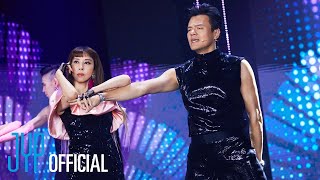
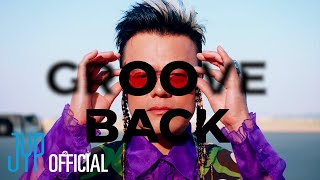
“When We Disco,” “Groove Back,” “Changed Man,” “Easy Lover,” “Happy Hour” and 2026’s “WET” extended a catalog that now functions like a running argument against age-based retirement from pop performance.
What his music actually sounds like
J.Y. Park’s taste begins with groove. New jack swing, R&B, funk, soul, disco, synth-pop and Latin rhythm recur across decades because he writes for bodies before fandom vocabulary. His melodies often favor clean repetition and conversational hooks; his choreography favors weight transfer, line and controlled sensuality over nonstop athletic difficulty.
His greatest strength is understanding what makes a performance readable. His greatest weakness is that he can become so committed to a concept that taste quietly leaves the building without telling him. The same fearlessness produces classic stages and legendary screenshots. That is not a contradiction. It is the entire JYPapi experience.
Start here: essential songs and eras
Don’t Leave Me
The 1994 breakthrough: new jack swing, pleading hook and the foundation of his dancing-singer identity.
She Was Pretty
A defining late-1990s hit that shows how naturally he combines theatrical storytelling with groove.
Honey
Funk-pop showmanship and one of the clearest examples of his retro instincts becoming mainstream Korean pop.
Kiss
Sensual R&B and the unapologetic adult-performance lane he never really abandoned.
Who’s Your Mama?
A 2015 hit featuring Jessi: musically infectious, visually controversial and an excellent doorway into arguments about gaze, bodies and Park’s public persona.
When We Disco
The Sunmi duet that translated retro disco nostalgia into an intergenerational 2020 hit.
Changed Man
A 1980s synth duet with Kim Wan-sun that turns self-criticism, comedy and veteran chemistry into performance.
WET
The 2026 Waterbomb theme: reggaeton/Latin-pop heat, a dance break and a hook that knew the internet would repeat “JYPapi.”
The producer and company-builder
A proper J.Y. Park page cannot pretend his solo discography exists separately from the company. His songwriting catalog includes major work for g.o.d, Rain, Wonder Girls, 2PM, miss A, TWICE and others. His approach helped normalize idols who could carry personality through simple hooks, and his audition/training programs exported the JYP method across Korea, Japan and the United States.
That legacy also attracts criticism. Former artists and fandoms have argued about creative control, promotion, vocal technique, body expectations and how closely Park’s personal taste should shape younger performers. “JYP” can mean the individual, the label or an entire institutional habit, which often produces unfair blame and very fair confusion. On CVM Sekai, those things stay separated: Park the performer, Park the writer/producer and JYP Entertainment the corporation are connected, but they are not interchangeable.
Fandom facts, memes and recurring lore
- “JYPapi”: a long-running fan nickname that Park intentionally puts inside “WET,” proving he monitors the internet and has chosen escalation.
- The whisper: “JYP” whispered at the start of company tracks became one of K-pop’s most recognizable producer tags.
- Plastic pants: his transparent stage trousers from the 1990s remain an immortal piece of Korean pop-fashion history.
- Performance longevity: he continues full choreography and year-end concerts decades after debut, inviting direct comparison with artists he trained.
- Reaction magnet: label artists’ visible reactions to his stages have become their own fandom subgenre.
- The Asiansoul: the formal producer styling used in many official song credits.
2026: stepping off the board without stepping away from music
In March 2026, Park Jin-young announced that he would step down as an internal director of JYP Entertainment to concentrate on creative work. That distinction matters. He remained the company’s founder, chief creative figure, producer, mentor, and an active recording artist; the change was not retirement from music. It separated formal board responsibility from the work audiences actually associate with him.
That dual identity explains why J.Y. Park’s profile cannot be reduced to “the man who owns JYP.” His solo career began in 1994, before the company existed, and has continued through “Don’t Leave Me,” “Honey,” “She Was Pretty,” “I Have a Girlfriend,” “Who’s Your Mama?,” “When We Disco,” “Easy Lover,” “Happy Hour,” and “WET.” JYP Entertainment’s own discography archive remains the clearest primary timeline, while Korean press coverage of the board transition confirms that he continued as an artist and producer.
Current era: WET
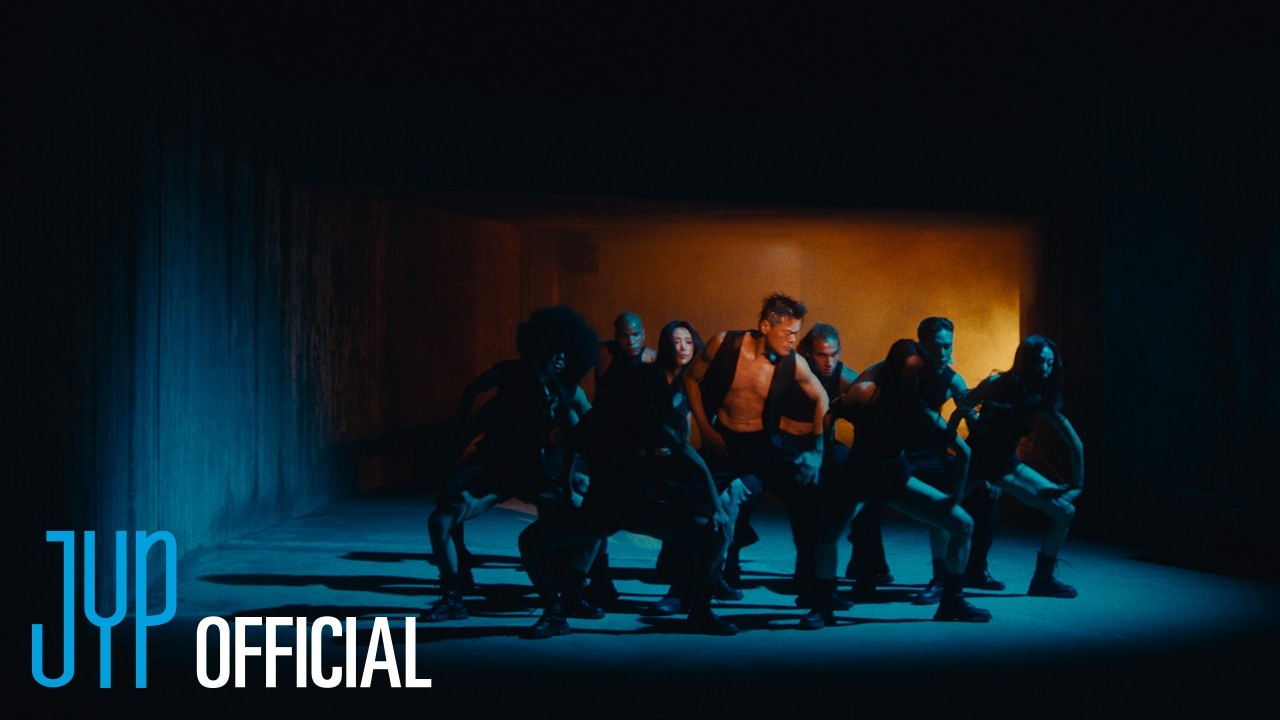
Released July 23, 2026, “WET” is the official theme song for Waterbomb 2026 and Park’s first summer-focused single in six years. It pairs reggaeton and Latin-pop rhythm with a deliberately spare performance video, red heat, dancers and a late dance break. It also became his first physical single in roughly thirteen years.
YouTube tracking history
This tracker follows official J.Y. Park releases and refreshes daily and total YouTube views.