
Volume 7 · Tropes and themes · Full spoilers
Being taken away is not the same as being saved.
The ideas doing the heavy lifting
Theme
Rescue requires consent
Bell reaches Haruhime physically before Haruhime can imagine herself as someone allowed to leave.
The receipts behind the themes
The book keeps asking whether help still counts when the helper wants ownership.
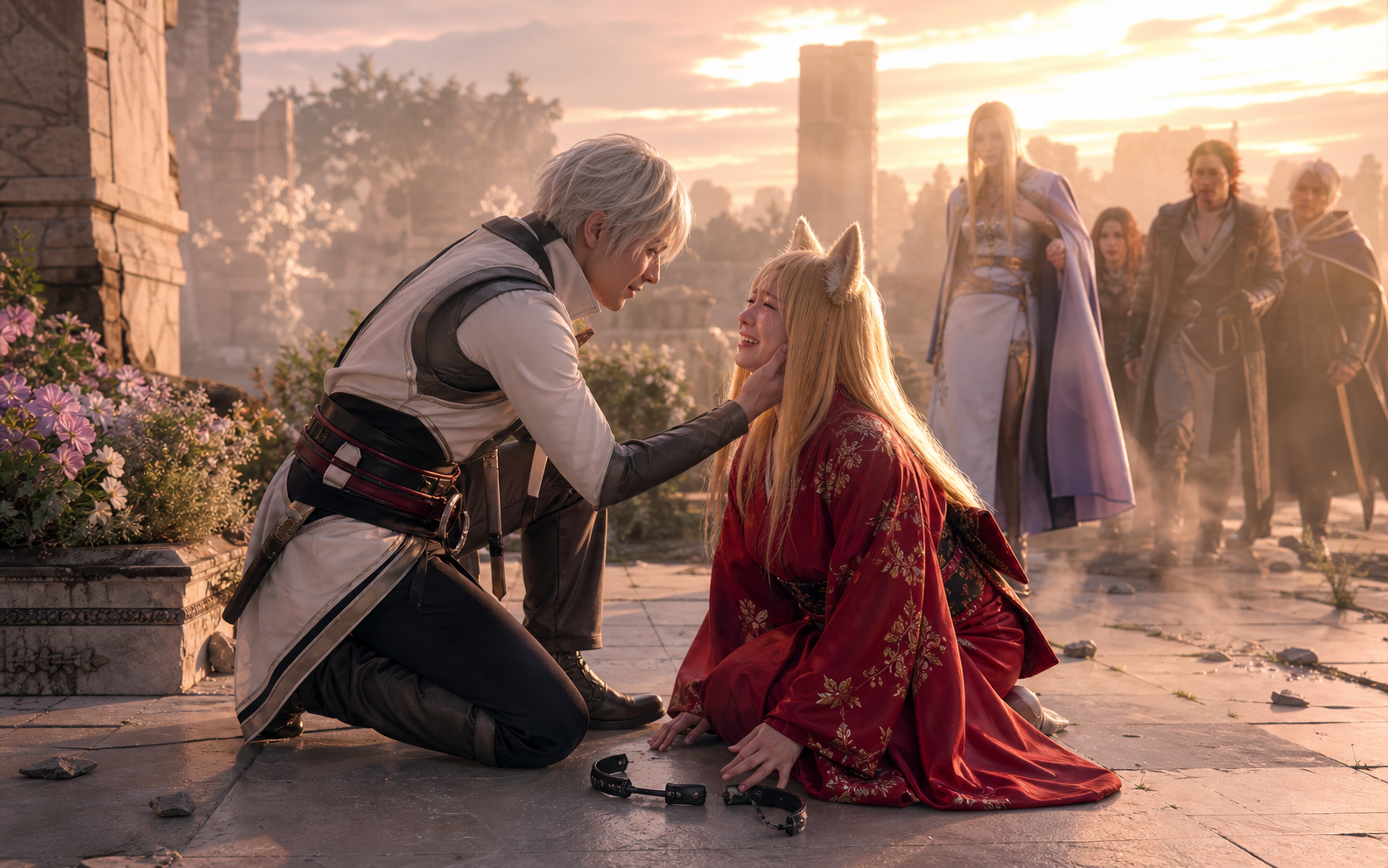
Rescue fiction loves a clean exchange: hero arrives, prison breaks, rescued person smiles. Volume 7 keeps sabotaging that fantasy. Bell reaches Haruhime, but reaching her does not remove the verdict she has learned to repeat. The novel treats consent as part of the rescue rather than a prize delivered afterward. Haruhime’s request does not make Bell heroic; it makes the decision hers.
Internalized shame is the antagonist that survives every successful attack. Ishtar does not need to stand in the room when Haruhime calls herself unworthy. The system works because it has taught its victim to enforce its judgment for free. That is also why the purity mythology matters. Facts cannot correct a moral category designed to keep moving. Haruhime has been told that her value can be ruined, sold and measured; the story has to reject the measuring system, not simply produce a cleaner résumé.
Aisha complicates the protector trope beautifully. She shields Haruhime inside the same Familia that exploits her, opposes the ritual and still participates in violence around it. She does not become pure just because her love is real. Her duel with Bell asks whether he is another temporary fantasy or somebody prepared to stay when rescue becomes daily life. She is difficult because easy protectors would make the institution look easier than it is.
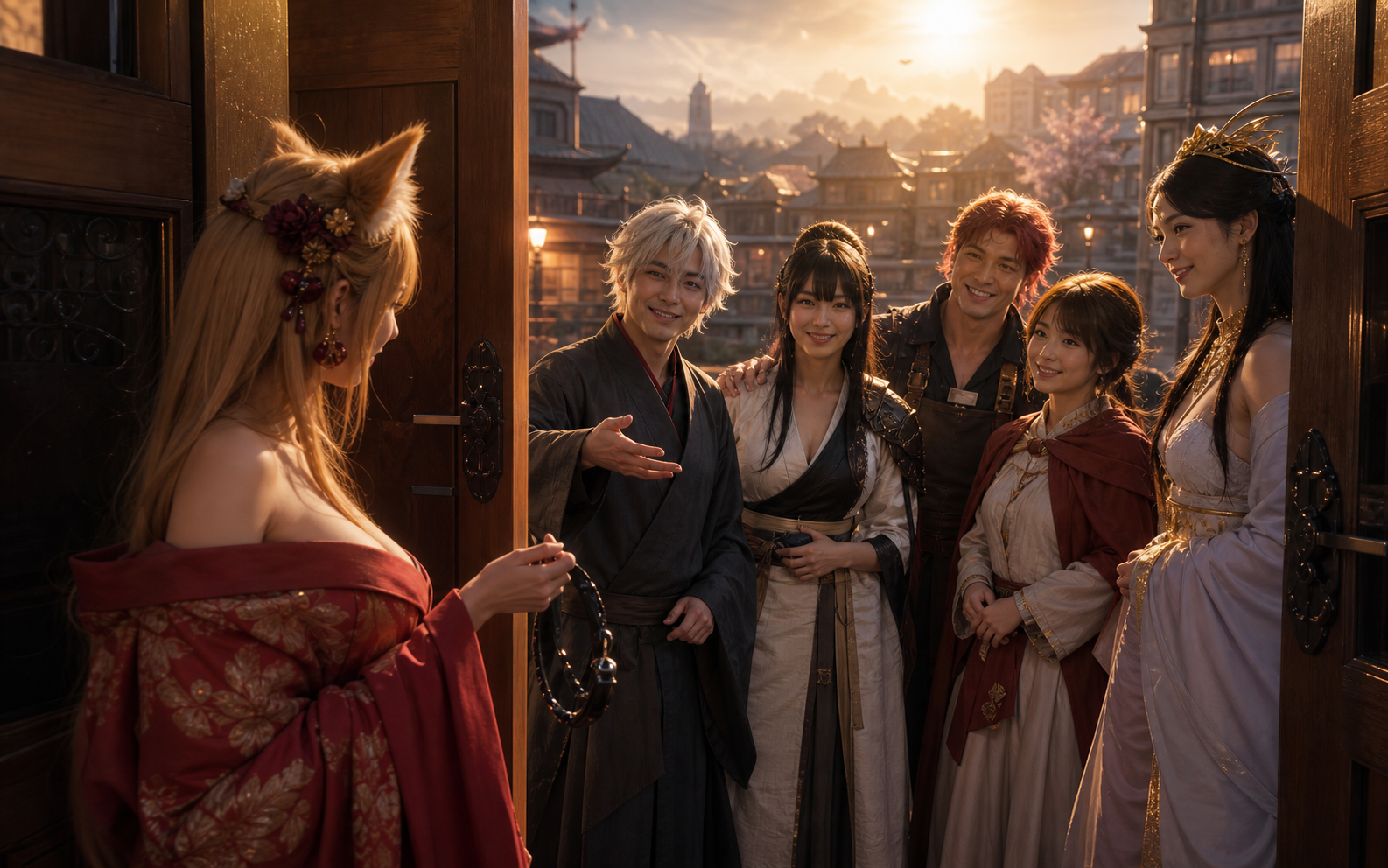
Freya supplies the final warning. A possessive goddess can destroy a worse possessive goddess without becoming liberation in heels. Haruhime benefits, but Bell remains the motive. The welcome-home scene therefore carries more thematic weight than the divine victory. Found family proves itself through room, food, patience and the right to remain a person after the plot no longer needs a damsel. That is the aftercare most rescue stories skip, and it is the part Volume 7 gets right.

Theme
Internalized shame
The cruelest prison is the verdict Haruhime repeats when Ishtar is not in the room.
The receipts behind the themes
The book keeps asking whether help still counts when the helper wants ownership.
Rescue fiction loves a clean exchange: hero arrives, prison breaks, rescued person smiles. Volume 7 keeps sabotaging that fantasy. Bell reaches Haruhime, but reaching her does not remove the verdict she has learned to repeat. The novel treats consent as part of the rescue rather than a prize delivered afterward. Haruhime’s request does not make Bell heroic; it makes the decision hers.
Internalized shame is the antagonist that survives every successful attack. Ishtar does not need to stand in the room when Haruhime calls herself unworthy. The system works because it has taught its victim to enforce its judgment for free. That is also why the purity mythology matters. Facts cannot correct a moral category designed to keep moving. Haruhime has been told that her value can be ruined, sold and measured; the story has to reject the measuring system, not simply produce a cleaner résumé.
Aisha complicates the protector trope beautifully. She shields Haruhime inside the same Familia that exploits her, opposes the ritual and still participates in violence around it. She does not become pure just because her love is real. Her duel with Bell asks whether he is another temporary fantasy or somebody prepared to stay when rescue becomes daily life. She is difficult because easy protectors would make the institution look easier than it is.
Freya supplies the final warning. A possessive goddess can destroy a worse possessive goddess without becoming liberation in heels. Haruhime benefits, but Bell remains the motive. The welcome-home scene therefore carries more thematic weight than the divine victory. Found family proves itself through room, food, patience and the right to remain a person after the plot no longer needs a damsel. That is the aftercare most rescue stories skip, and it is the part Volume 7 gets right.

Trope under pressure
The protector as final obstacle
Aisha helps the rescue and then tests it because she knows Haruhime cannot afford another unreliable hero.
The receipts behind the themes
The book keeps asking whether help still counts when the helper wants ownership.
Rescue fiction loves a clean exchange: hero arrives, prison breaks, rescued person smiles. Volume 7 keeps sabotaging that fantasy. Bell reaches Haruhime, but reaching her does not remove the verdict she has learned to repeat. The novel treats consent as part of the rescue rather than a prize delivered afterward. Haruhime’s request does not make Bell heroic; it makes the decision hers.
Internalized shame is the antagonist that survives every successful attack. Ishtar does not need to stand in the room when Haruhime calls herself unworthy. The system works because it has taught its victim to enforce its judgment for free. That is also why the purity mythology matters. Facts cannot correct a moral category designed to keep moving. Haruhime has been told that her value can be ruined, sold and measured; the story has to reject the measuring system, not simply produce a cleaner résumé.
Aisha complicates the protector trope beautifully. She shields Haruhime inside the same Familia that exploits her, opposes the ritual and still participates in violence around it. She does not become pure just because her love is real. Her duel with Bell asks whether he is another temporary fantasy or somebody prepared to stay when rescue becomes daily life. She is difficult because easy protectors would make the institution look easier than it is.
Freya supplies the final warning. A possessive goddess can destroy a worse possessive goddess without becoming liberation in heels. Haruhime benefits, but Bell remains the motive. The welcome-home scene therefore carries more thematic weight than the divine victory. Found family proves itself through room, food, patience and the right to remain a person after the plot no longer needs a damsel. That is the aftercare most rescue stories skip, and it is the part Volume 7 gets right.

Theme
Bodies treated as institutional property
Ishtar Familia turns beauty, Falna and labor into assets with divine ownership stamped over them.
The receipts behind the themes
The book keeps asking whether help still counts when the helper wants ownership.
Rescue fiction loves a clean exchange: hero arrives, prison breaks, rescued person smiles. Volume 7 keeps sabotaging that fantasy. Bell reaches Haruhime, but reaching her does not remove the verdict she has learned to repeat. The novel treats consent as part of the rescue rather than a prize delivered afterward. Haruhime’s request does not make Bell heroic; it makes the decision hers.
Internalized shame is the antagonist that survives every successful attack. Ishtar does not need to stand in the room when Haruhime calls herself unworthy. The system works because it has taught its victim to enforce its judgment for free. That is also why the purity mythology matters. Facts cannot correct a moral category designed to keep moving. Haruhime has been told that her value can be ruined, sold and measured; the story has to reject the measuring system, not simply produce a cleaner résumé.
Aisha complicates the protector trope beautifully. She shields Haruhime inside the same Familia that exploits her, opposes the ritual and still participates in violence around it. She does not become pure just because her love is real. Her duel with Bell asks whether he is another temporary fantasy or somebody prepared to stay when rescue becomes daily life. She is difficult because easy protectors would make the institution look easier than it is.
Freya supplies the final warning. A possessive goddess can destroy a worse possessive goddess without becoming liberation in heels. Haruhime benefits, but Bell remains the motive. The welcome-home scene therefore carries more thematic weight than the divine victory. Found family proves itself through room, food, patience and the right to remain a person after the plot no longer needs a damsel. That is the aftercare most rescue stories skip, and it is the part Volume 7 gets right.

Theme
Possession is not liberation
Freya’s attack releases Haruhime incidentally. Her actual motive remains Bell.
The receipts behind the themes
The book keeps asking whether help still counts when the helper wants ownership.
Rescue fiction loves a clean exchange: hero arrives, prison breaks, rescued person smiles. Volume 7 keeps sabotaging that fantasy. Bell reaches Haruhime, but reaching her does not remove the verdict she has learned to repeat. The novel treats consent as part of the rescue rather than a prize delivered afterward. Haruhime’s request does not make Bell heroic; it makes the decision hers.
Internalized shame is the antagonist that survives every successful attack. Ishtar does not need to stand in the room when Haruhime calls herself unworthy. The system works because it has taught its victim to enforce its judgment for free. That is also why the purity mythology matters. Facts cannot correct a moral category designed to keep moving. Haruhime has been told that her value can be ruined, sold and measured; the story has to reject the measuring system, not simply produce a cleaner résumé.
Aisha complicates the protector trope beautifully. She shields Haruhime inside the same Familia that exploits her, opposes the ritual and still participates in violence around it. She does not become pure just because her love is real. Her duel with Bell asks whether he is another temporary fantasy or somebody prepared to stay when rescue becomes daily life. She is difficult because easy protectors would make the institution look easier than it is.
Freya supplies the final warning. A possessive goddess can destroy a worse possessive goddess without becoming liberation in heels. Haruhime benefits, but Bell remains the motive. The welcome-home scene therefore carries more thematic weight than the divine victory. Found family proves itself through room, food, patience and the right to remain a person after the plot no longer needs a damsel. That is the aftercare most rescue stories skip, and it is the part Volume 7 gets right.
Theme
Found family needs an aftercare scene
The welcome home matters because victory without safety would leave Haruhime stranded after the spectacle.
The receipts behind the themes
The book keeps asking whether help still counts when the helper wants ownership.
Rescue fiction loves a clean exchange: hero arrives, prison breaks, rescued person smiles. Volume 7 keeps sabotaging that fantasy. Bell reaches Haruhime, but reaching her does not remove the verdict she has learned to repeat. The novel treats consent as part of the rescue rather than a prize delivered afterward. Haruhime’s request does not make Bell heroic; it makes the decision hers.
Internalized shame is the antagonist that survives every successful attack. Ishtar does not need to stand in the room when Haruhime calls herself unworthy. The system works because it has taught its victim to enforce its judgment for free. That is also why the purity mythology matters. Facts cannot correct a moral category designed to keep moving. Haruhime has been told that her value can be ruined, sold and measured; the story has to reject the measuring system, not simply produce a cleaner résumé.
Aisha complicates the protector trope beautifully. She shields Haruhime inside the same Familia that exploits her, opposes the ritual and still participates in violence around it. She does not become pure just because her love is real. Her duel with Bell asks whether he is another temporary fantasy or somebody prepared to stay when rescue becomes daily life. She is difficult because easy protectors would make the institution look easier than it is.
Freya supplies the final warning. A possessive goddess can destroy a worse possessive goddess without becoming liberation in heels. Haruhime benefits, but Bell remains the motive. The welcome-home scene therefore carries more thematic weight than the divine victory. Found family proves itself through room, food, patience and the right to remain a person after the plot no longer needs a damsel. That is the aftercare most rescue stories skip, and it is the part Volume 7 gets right.