
Volume 7 · Scene reactions · Full spoilers
The scenes that made RaeRae put the chapter down.
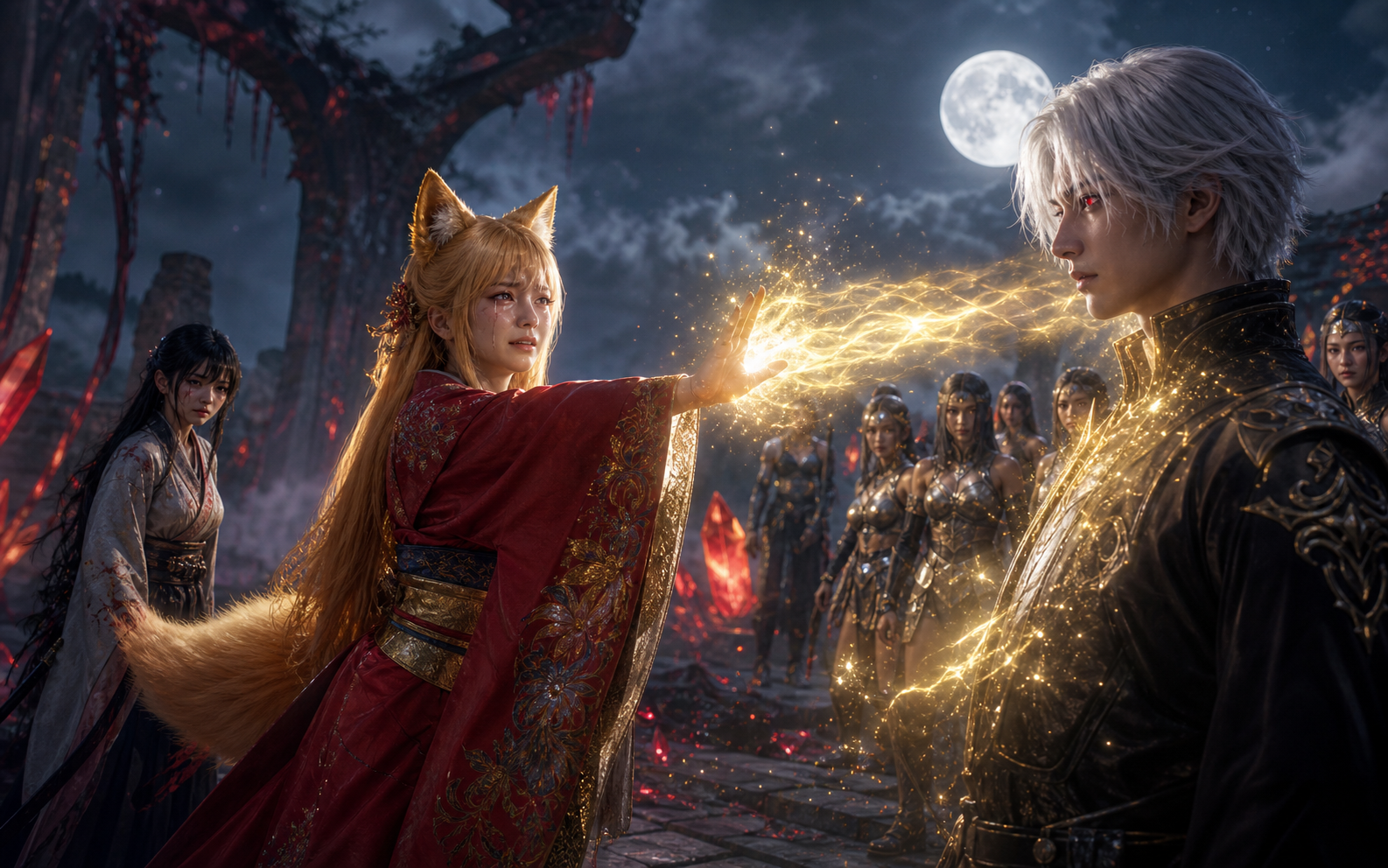
The complete reaction file
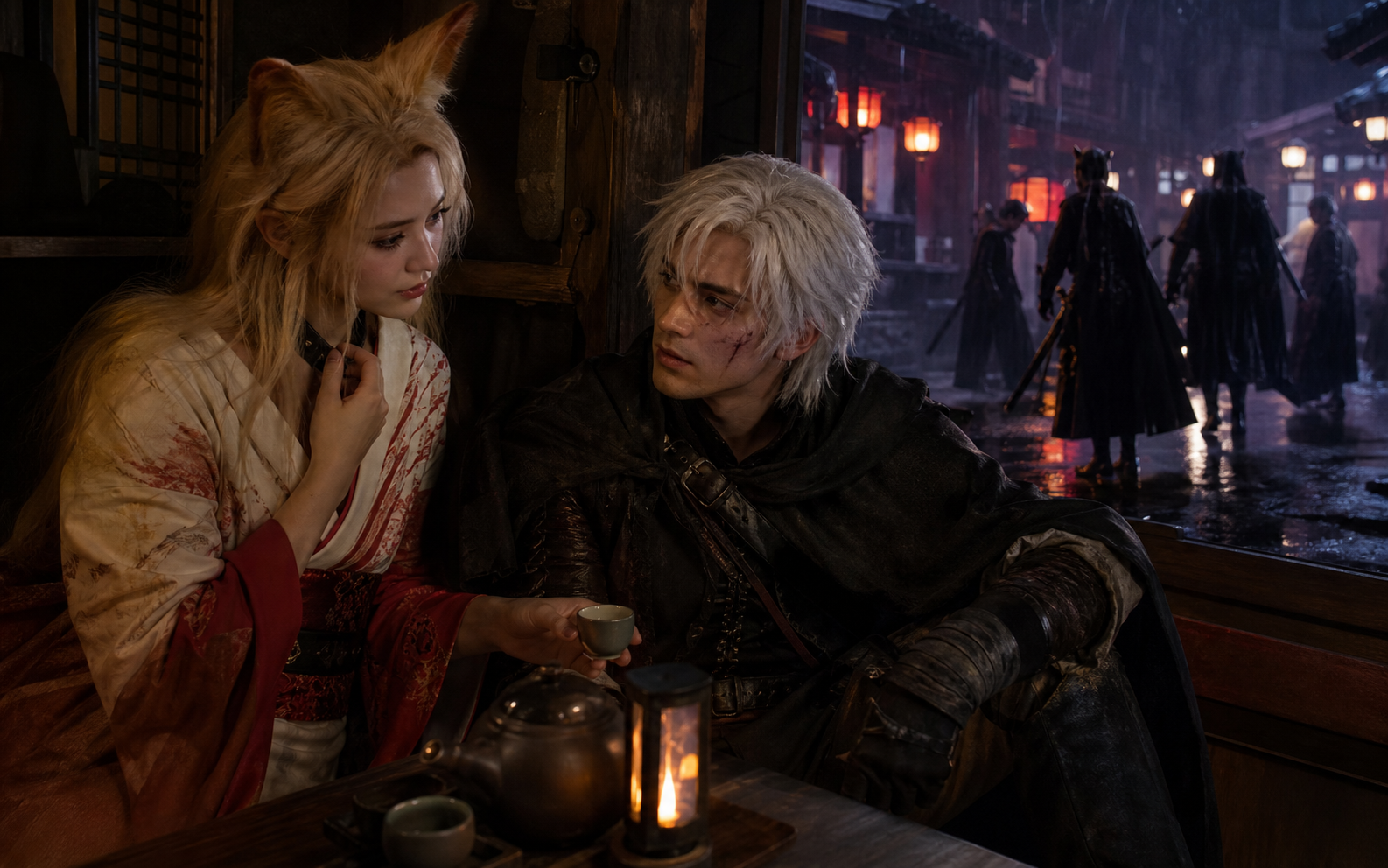
React 01
Haruhime shelters the stranger
Her first instinct is kindness inside a house that punishes choice.
After the screaming
Why these moments refuse to leave quietly.
Haruhime sheltering Bell is the first scene that sticks because she is generous before the story asks us to pity her. She offers care while believing she deserves none. Mikoto recognizing her lands differently: love returns carrying guilt, and neither woman gets a tidy reunion. The Killing Stone explanation is where the whole file turns cold. Ishtar does not merely want Haruhime obedient. She wants her divisible.
Bell breaking the gate is satisfying because subtlety has expired. Mikoto triggering Ignis Fatuus is satisfying because the enemy’s coordinated power collapses under its own spellwork. Her fall from the bridge is not satisfying at all; it is the moment loyalty becomes a body moving before certainty. Then Bell shatters the stone and the book pulls the rug out from under the expected cheer. The object was never the final prison.
“Save me” is the pause. That is the scene where RaeRae puts the chapter down, stares at the wall and gets mad about every rescue story that let the rescued woman become furniture. Aisha’s duel keeps the emotion honest by refusing to accept Bell’s promise at face value. Haruhime casting Uchide no Kozuchi answers the ritual with authorship: this is her magic, used by her choice, for the people she has chosen.
Freya’s judgment delivers scale, destruction and divine spectacle, but the last reaction belongs to the smaller welcome. Haruhime gets a place where gratitude is not rent and shame is not a job requirement. The book earns that warmth because it made us watch how hard it was for her to believe the door could remain open.

React 02
Mikoto recognizes Haruhime
The rescue stops being abstract and becomes a childhood promise left unpaid.
After the screaming
Why these moments refuse to leave quietly.
Haruhime sheltering Bell is the first scene that sticks because she is generous before the story asks us to pity her. She offers care while believing she deserves none. Mikoto recognizing her lands differently: love returns carrying guilt, and neither woman gets a tidy reunion. The Killing Stone explanation is where the whole file turns cold. Ishtar does not merely want Haruhime obedient. She wants her divisible.
Bell breaking the gate is satisfying because subtlety has expired. Mikoto triggering Ignis Fatuus is satisfying because the enemy’s coordinated power collapses under its own spellwork. Her fall from the bridge is not satisfying at all; it is the moment loyalty becomes a body moving before certainty. Then Bell shatters the stone and the book pulls the rug out from under the expected cheer. The object was never the final prison.
“Save me” is the pause. That is the scene where RaeRae puts the chapter down, stares at the wall and gets mad about every rescue story that let the rescued woman become furniture. Aisha’s duel keeps the emotion honest by refusing to accept Bell’s promise at face value. Haruhime casting Uchide no Kozuchi answers the ritual with authorship: this is her magic, used by her choice, for the people she has chosen.
Freya’s judgment delivers scale, destruction and divine spectacle, but the last reaction belongs to the smaller welcome. Haruhime gets a place where gratitude is not rent and shame is not a job requirement. The book earns that warmth because it made us watch how hard it was for her to believe the door could remain open.

React 03
Bell breaks the gate
The polite version of the plan ends in one very satisfying impact.
After the screaming
Why these moments refuse to leave quietly.
Haruhime sheltering Bell is the first scene that sticks because she is generous before the story asks us to pity her. She offers care while believing she deserves none. Mikoto recognizing her lands differently: love returns carrying guilt, and neither woman gets a tidy reunion. The Killing Stone explanation is where the whole file turns cold. Ishtar does not merely want Haruhime obedient. She wants her divisible.
Bell breaking the gate is satisfying because subtlety has expired. Mikoto triggering Ignis Fatuus is satisfying because the enemy’s coordinated power collapses under its own spellwork. Her fall from the bridge is not satisfying at all; it is the moment loyalty becomes a body moving before certainty. Then Bell shatters the stone and the book pulls the rug out from under the expected cheer. The object was never the final prison.
“Save me” is the pause. That is the scene where RaeRae puts the chapter down, stares at the wall and gets mad about every rescue story that let the rescued woman become furniture. Aisha’s duel keeps the emotion honest by refusing to accept Bell’s promise at face value. Haruhime casting Uchide no Kozuchi answers the ritual with authorship: this is her magic, used by her choice, for the people she has chosen.
Freya’s judgment delivers scale, destruction and divine spectacle, but the last reaction belongs to the smaller welcome. Haruhime gets a place where gratitude is not rent and shame is not a job requirement. The book earns that warmth because it made us watch how hard it was for her to believe the door could remain open.
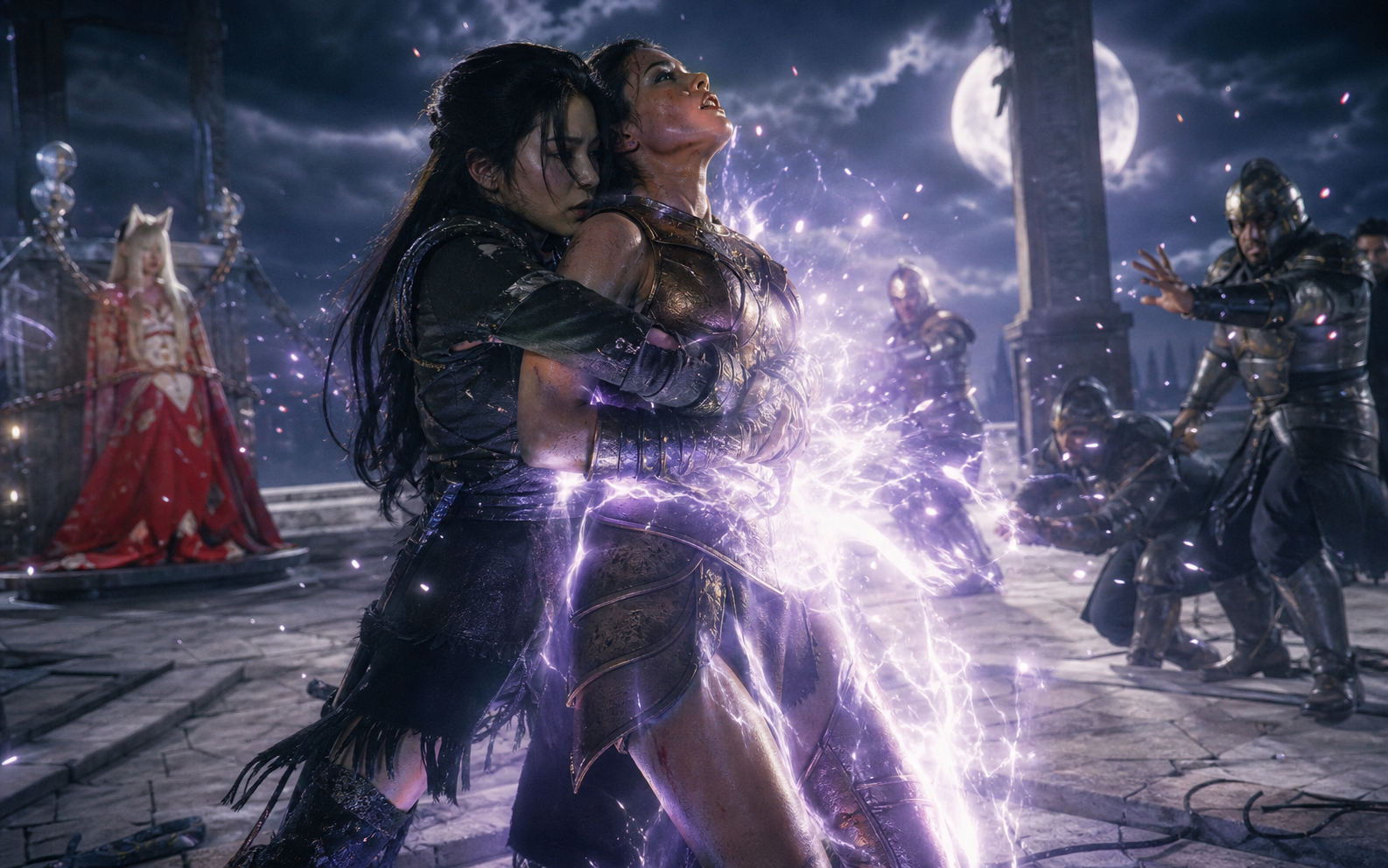
React 04
Mikoto triggers Ignis Fatuus
She makes the enemy magic explode and accepts the danger before anyone else can.
After the screaming
Why these moments refuse to leave quietly.
Haruhime sheltering Bell is the first scene that sticks because she is generous before the story asks us to pity her. She offers care while believing she deserves none. Mikoto recognizing her lands differently: love returns carrying guilt, and neither woman gets a tidy reunion. The Killing Stone explanation is where the whole file turns cold. Ishtar does not merely want Haruhime obedient. She wants her divisible.
Bell breaking the gate is satisfying because subtlety has expired. Mikoto triggering Ignis Fatuus is satisfying because the enemy’s coordinated power collapses under its own spellwork. Her fall from the bridge is not satisfying at all; it is the moment loyalty becomes a body moving before certainty. Then Bell shatters the stone and the book pulls the rug out from under the expected cheer. The object was never the final prison.
“Save me” is the pause. That is the scene where RaeRae puts the chapter down, stares at the wall and gets mad about every rescue story that let the rescued woman become furniture. Aisha’s duel keeps the emotion honest by refusing to accept Bell’s promise at face value. Haruhime casting Uchide no Kozuchi answers the ritual with authorship: this is her magic, used by her choice, for the people she has chosen.
Freya’s judgment delivers scale, destruction and divine spectacle, but the last reaction belongs to the smaller welcome. Haruhime gets a place where gratitude is not rent and shame is not a job requirement. The book earns that warmth because it made us watch how hard it was for her to believe the door could remain open.

React 05
Mikoto falls
The book lets the bridge rescue hurt enough to mean something.
After the screaming
Why these moments refuse to leave quietly.
Haruhime sheltering Bell is the first scene that sticks because she is generous before the story asks us to pity her. She offers care while believing she deserves none. Mikoto recognizing her lands differently: love returns carrying guilt, and neither woman gets a tidy reunion. The Killing Stone explanation is where the whole file turns cold. Ishtar does not merely want Haruhime obedient. She wants her divisible.
Bell breaking the gate is satisfying because subtlety has expired. Mikoto triggering Ignis Fatuus is satisfying because the enemy’s coordinated power collapses under its own spellwork. Her fall from the bridge is not satisfying at all; it is the moment loyalty becomes a body moving before certainty. Then Bell shatters the stone and the book pulls the rug out from under the expected cheer. The object was never the final prison.
“Save me” is the pause. That is the scene where RaeRae puts the chapter down, stares at the wall and gets mad about every rescue story that let the rescued woman become furniture. Aisha’s duel keeps the emotion honest by refusing to accept Bell’s promise at face value. Haruhime casting Uchide no Kozuchi answers the ritual with authorship: this is her magic, used by her choice, for the people she has chosen.
Freya’s judgment delivers scale, destruction and divine spectacle, but the last reaction belongs to the smaller welcome. Haruhime gets a place where gratitude is not rent and shame is not a job requirement. The book earns that warmth because it made us watch how hard it was for her to believe the door could remain open.
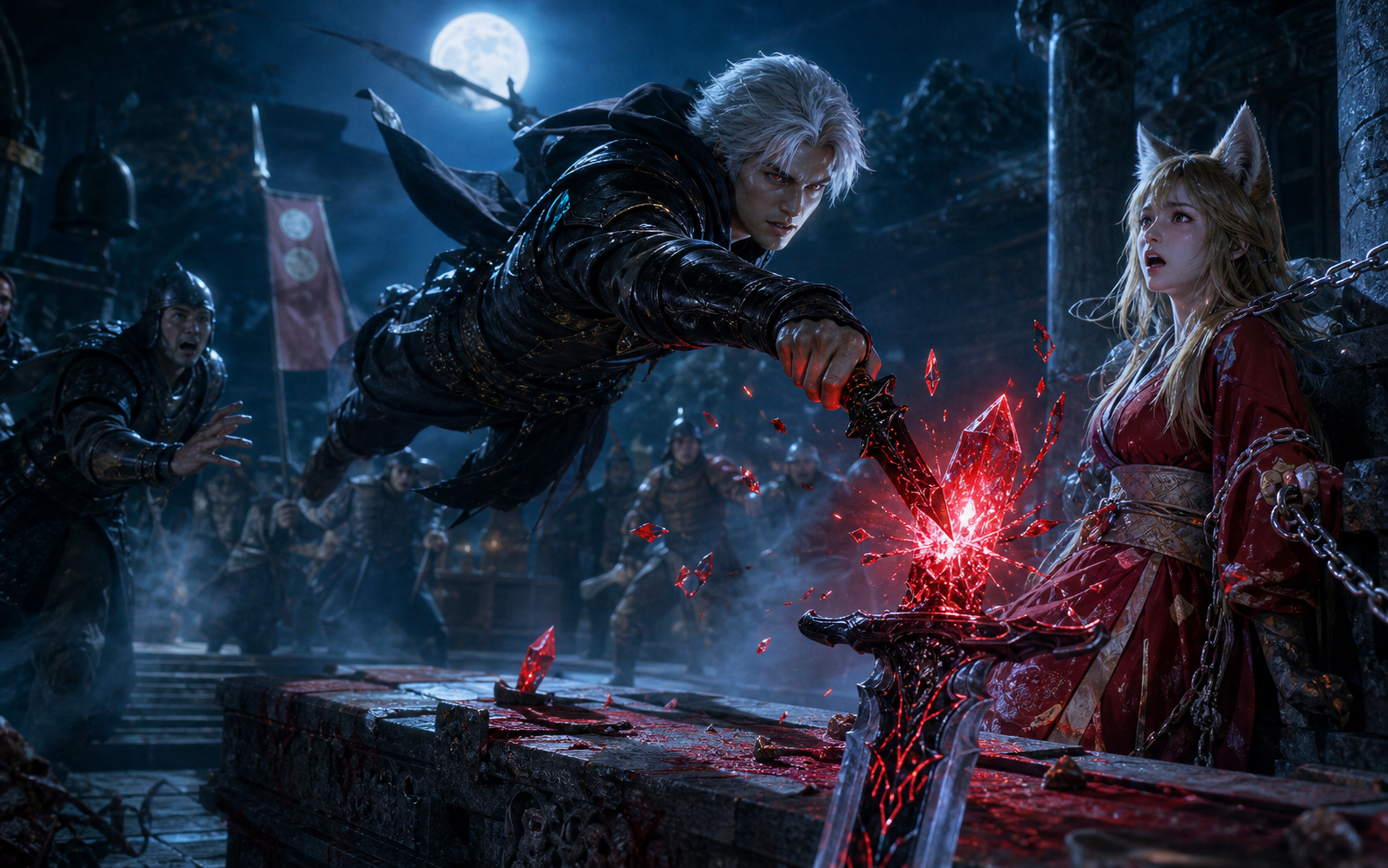
React 06
The Killing Stone shatters
A whole ritual becomes glittering debris—and Haruhime still needs the harder rescue.
After the screaming
Why these moments refuse to leave quietly.
Haruhime sheltering Bell is the first scene that sticks because she is generous before the story asks us to pity her. She offers care while believing she deserves none. Mikoto recognizing her lands differently: love returns carrying guilt, and neither woman gets a tidy reunion. The Killing Stone explanation is where the whole file turns cold. Ishtar does not merely want Haruhime obedient. She wants her divisible.
Bell breaking the gate is satisfying because subtlety has expired. Mikoto triggering Ignis Fatuus is satisfying because the enemy’s coordinated power collapses under its own spellwork. Her fall from the bridge is not satisfying at all; it is the moment loyalty becomes a body moving before certainty. Then Bell shatters the stone and the book pulls the rug out from under the expected cheer. The object was never the final prison.
“Save me” is the pause. That is the scene where RaeRae puts the chapter down, stares at the wall and gets mad about every rescue story that let the rescued woman become furniture. Aisha’s duel keeps the emotion honest by refusing to accept Bell’s promise at face value. Haruhime casting Uchide no Kozuchi answers the ritual with authorship: this is her magic, used by her choice, for the people she has chosen.
Freya’s judgment delivers scale, destruction and divine spectacle, but the last reaction belongs to the smaller welcome. Haruhime gets a place where gratitude is not rent and shame is not a job requirement. The book earns that warmth because it made us watch how hard it was for her to believe the door could remain open.
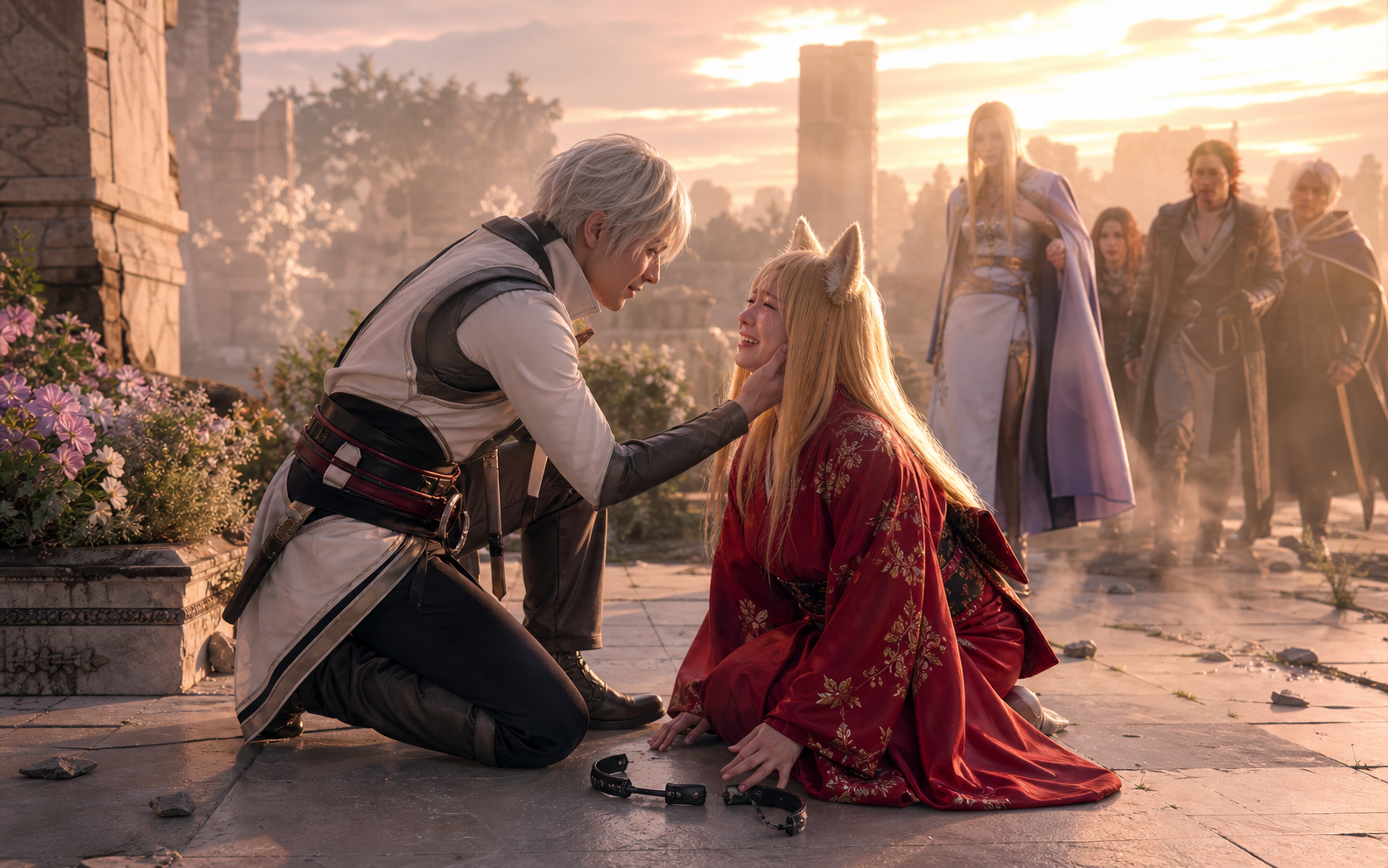
React 07
Haruhime says “save me”
There it is. The sentence the entire volume has been trying to make possible.
After the screaming
Why these moments refuse to leave quietly.
Haruhime sheltering Bell is the first scene that sticks because she is generous before the story asks us to pity her. She offers care while believing she deserves none. Mikoto recognizing her lands differently: love returns carrying guilt, and neither woman gets a tidy reunion. The Killing Stone explanation is where the whole file turns cold. Ishtar does not merely want Haruhime obedient. She wants her divisible.
Bell breaking the gate is satisfying because subtlety has expired. Mikoto triggering Ignis Fatuus is satisfying because the enemy’s coordinated power collapses under its own spellwork. Her fall from the bridge is not satisfying at all; it is the moment loyalty becomes a body moving before certainty. Then Bell shatters the stone and the book pulls the rug out from under the expected cheer. The object was never the final prison.
“Save me” is the pause. That is the scene where RaeRae puts the chapter down, stares at the wall and gets mad about every rescue story that let the rescued woman become furniture. Aisha’s duel keeps the emotion honest by refusing to accept Bell’s promise at face value. Haruhime casting Uchide no Kozuchi answers the ritual with authorship: this is her magic, used by her choice, for the people she has chosen.
Freya’s judgment delivers scale, destruction and divine spectacle, but the last reaction belongs to the smaller welcome. Haruhime gets a place where gratitude is not rent and shame is not a job requirement. The book earns that warmth because it made us watch how hard it was for her to believe the door could remain open.
React 08
Haruhime casts her own answer
The magic that made her valuable to Ishtar becomes the choice that helps defeat Ishtar.
After the screaming
Why these moments refuse to leave quietly.
Haruhime sheltering Bell is the first scene that sticks because she is generous before the story asks us to pity her. She offers care while believing she deserves none. Mikoto recognizing her lands differently: love returns carrying guilt, and neither woman gets a tidy reunion. The Killing Stone explanation is where the whole file turns cold. Ishtar does not merely want Haruhime obedient. She wants her divisible.
Bell breaking the gate is satisfying because subtlety has expired. Mikoto triggering Ignis Fatuus is satisfying because the enemy’s coordinated power collapses under its own spellwork. Her fall from the bridge is not satisfying at all; it is the moment loyalty becomes a body moving before certainty. Then Bell shatters the stone and the book pulls the rug out from under the expected cheer. The object was never the final prison.
“Save me” is the pause. That is the scene where RaeRae puts the chapter down, stares at the wall and gets mad about every rescue story that let the rescued woman become furniture. Aisha’s duel keeps the emotion honest by refusing to accept Bell’s promise at face value. Haruhime casting Uchide no Kozuchi answers the ritual with authorship: this is her magic, used by her choice, for the people she has chosen.
Freya’s judgment delivers scale, destruction and divine spectacle, but the last reaction belongs to the smaller welcome. Haruhime gets a place where gratitude is not rent and shame is not a job requirement. The book earns that warmth because it made us watch how hard it was for her to believe the door could remain open.

React 09
Aisha makes Bell earn it
She is the last wall because she knows exactly how badly Haruhime needs the promise to be real.
After the screaming
Why these moments refuse to leave quietly.
Haruhime sheltering Bell is the first scene that sticks because she is generous before the story asks us to pity her. She offers care while believing she deserves none. Mikoto recognizing her lands differently: love returns carrying guilt, and neither woman gets a tidy reunion. The Killing Stone explanation is where the whole file turns cold. Ishtar does not merely want Haruhime obedient. She wants her divisible.
Bell breaking the gate is satisfying because subtlety has expired. Mikoto triggering Ignis Fatuus is satisfying because the enemy’s coordinated power collapses under its own spellwork. Her fall from the bridge is not satisfying at all; it is the moment loyalty becomes a body moving before certainty. Then Bell shatters the stone and the book pulls the rug out from under the expected cheer. The object was never the final prison.
“Save me” is the pause. That is the scene where RaeRae puts the chapter down, stares at the wall and gets mad about every rescue story that let the rescued woman become furniture. Aisha’s duel keeps the emotion honest by refusing to accept Bell’s promise at face value. Haruhime casting Uchide no Kozuchi answers the ritual with authorship: this is her magic, used by her choice, for the people she has chosen.
Freya’s judgment delivers scale, destruction and divine spectacle, but the last reaction belongs to the smaller welcome. Haruhime gets a place where gratitude is not rent and shame is not a job requirement. The book earns that warmth because it made us watch how hard it was for her to believe the door could remain open.

React 10
Freya answers Ishtar
The divine retaliation is gorgeous, terrifying and absolutely not altruism.
After the screaming
Why these moments refuse to leave quietly.
Haruhime sheltering Bell is the first scene that sticks because she is generous before the story asks us to pity her. She offers care while believing she deserves none. Mikoto recognizing her lands differently: love returns carrying guilt, and neither woman gets a tidy reunion. The Killing Stone explanation is where the whole file turns cold. Ishtar does not merely want Haruhime obedient. She wants her divisible.
Bell breaking the gate is satisfying because subtlety has expired. Mikoto triggering Ignis Fatuus is satisfying because the enemy’s coordinated power collapses under its own spellwork. Her fall from the bridge is not satisfying at all; it is the moment loyalty becomes a body moving before certainty. Then Bell shatters the stone and the book pulls the rug out from under the expected cheer. The object was never the final prison.
“Save me” is the pause. That is the scene where RaeRae puts the chapter down, stares at the wall and gets mad about every rescue story that let the rescued woman become furniture. Aisha’s duel keeps the emotion honest by refusing to accept Bell’s promise at face value. Haruhime casting Uchide no Kozuchi answers the ritual with authorship: this is her magic, used by her choice, for the people she has chosen.
Freya’s judgment delivers scale, destruction and divine spectacle, but the last reaction belongs to the smaller welcome. Haruhime gets a place where gratitude is not rent and shame is not a job requirement. The book earns that warmth because it made us watch how hard it was for her to believe the door could remain open.