
Volume 5 · Tropes and themes · Full spoilers
The final blow is not the whole victory.
The ideas doing the heavy lifting
Theme
Collective heroism
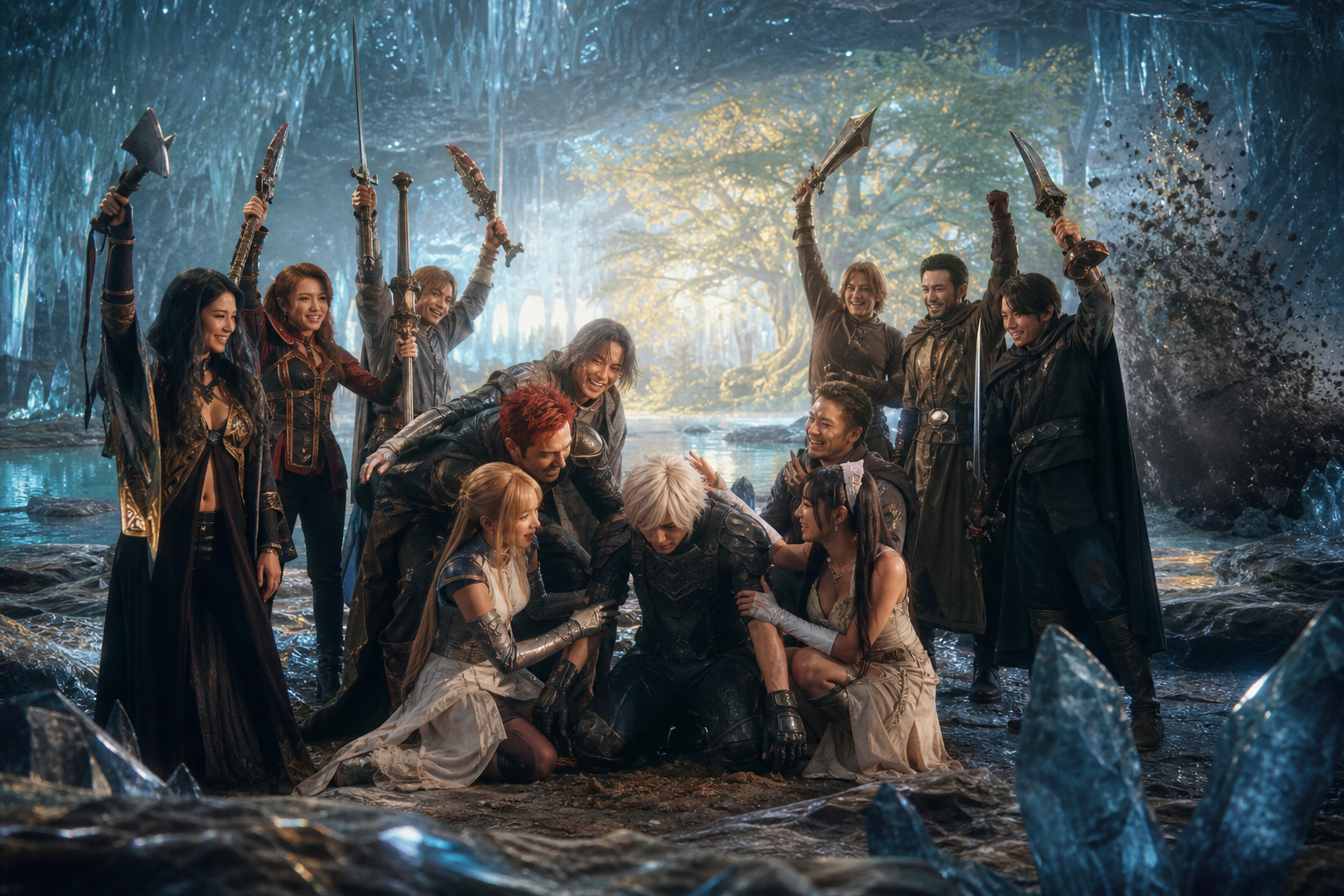
Bell becomes the visible center only after everyone else creates the conditions in which a center can matter.
Trope
Pass parade
The Dungeon’s ugliest survival shortcut makes another party absorb the threat. Volume 5 refuses to treat the guilt as bookkeeping.
Theme
Rescue as refusal
Hestia’s party exists because waiting for official certainty would be a polite way to abandon people.
Theme
The safe point is a society
Rivira has prices, grudges, labor, hierarchy and solidarity. Safety does not mean innocence.
Motif
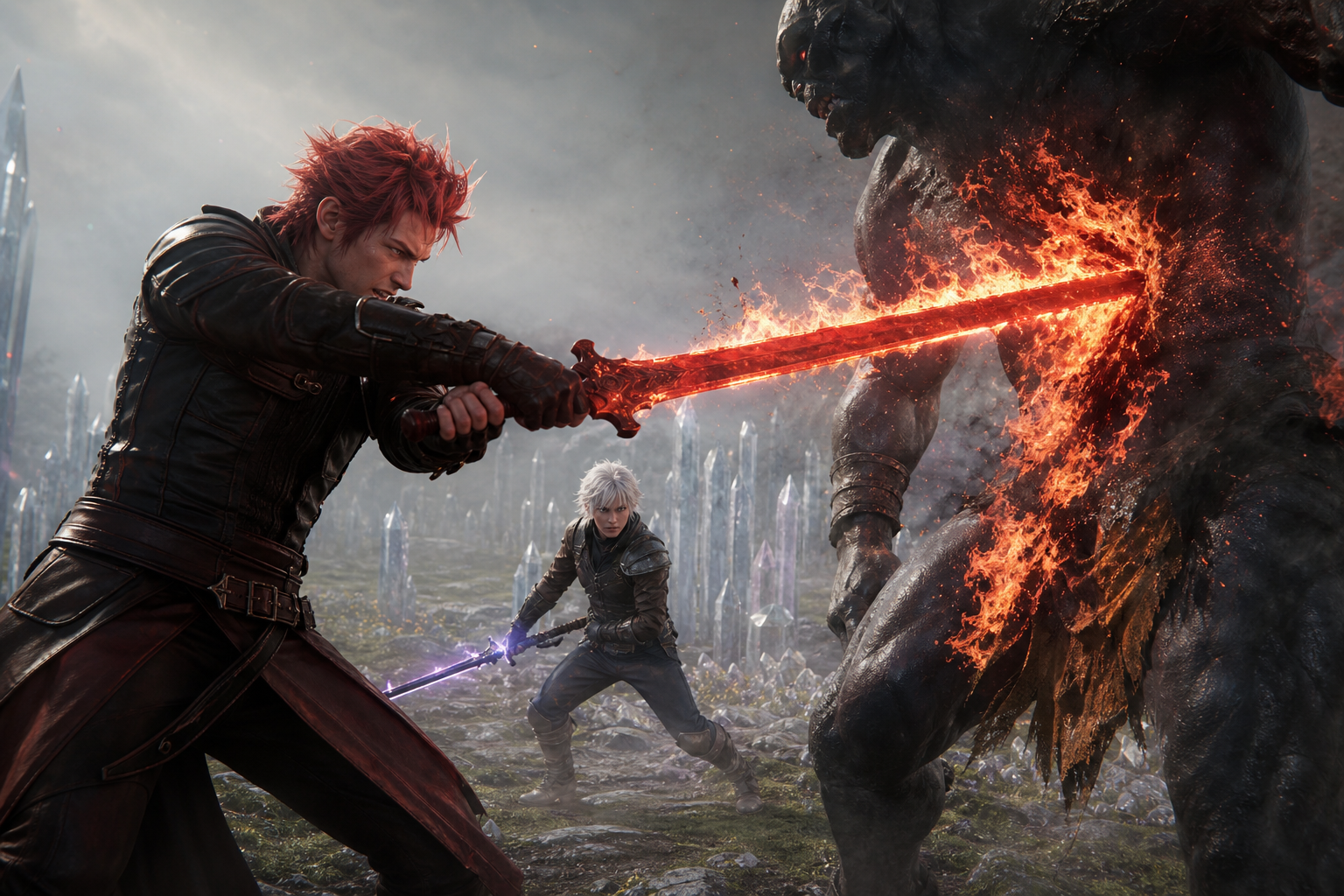
A weapon can be an answer
Burning Moon, gravity magic, wind, explosives and Argonaut each solve a different part of an enemy no single technique can own.
Theme
Myth is being manufactured
Hermes knows Bell’s bloodline and actively pressures events toward legend, raising the question of who benefits from a hero’s suffering.
RaeRae’s trope board · the floor is keeping receipts
The final blow is visible. The victory is distributed.
Volume 5 keeps resisting the easiest version of its own heroic fantasy. Bell is the famous one, the impossible one and the person whose charged strike ends the Black Goliath. Yet the book repeatedly makes his survival depend on decisions, skills and sacrifices spread across multiple Familias. The theme is not that individual greatness is fake. It is that greatness becomes meaningful only when it recognizes the labor making it possible.
Trope 01 · pass parade
Transferred danger is still a moral choice
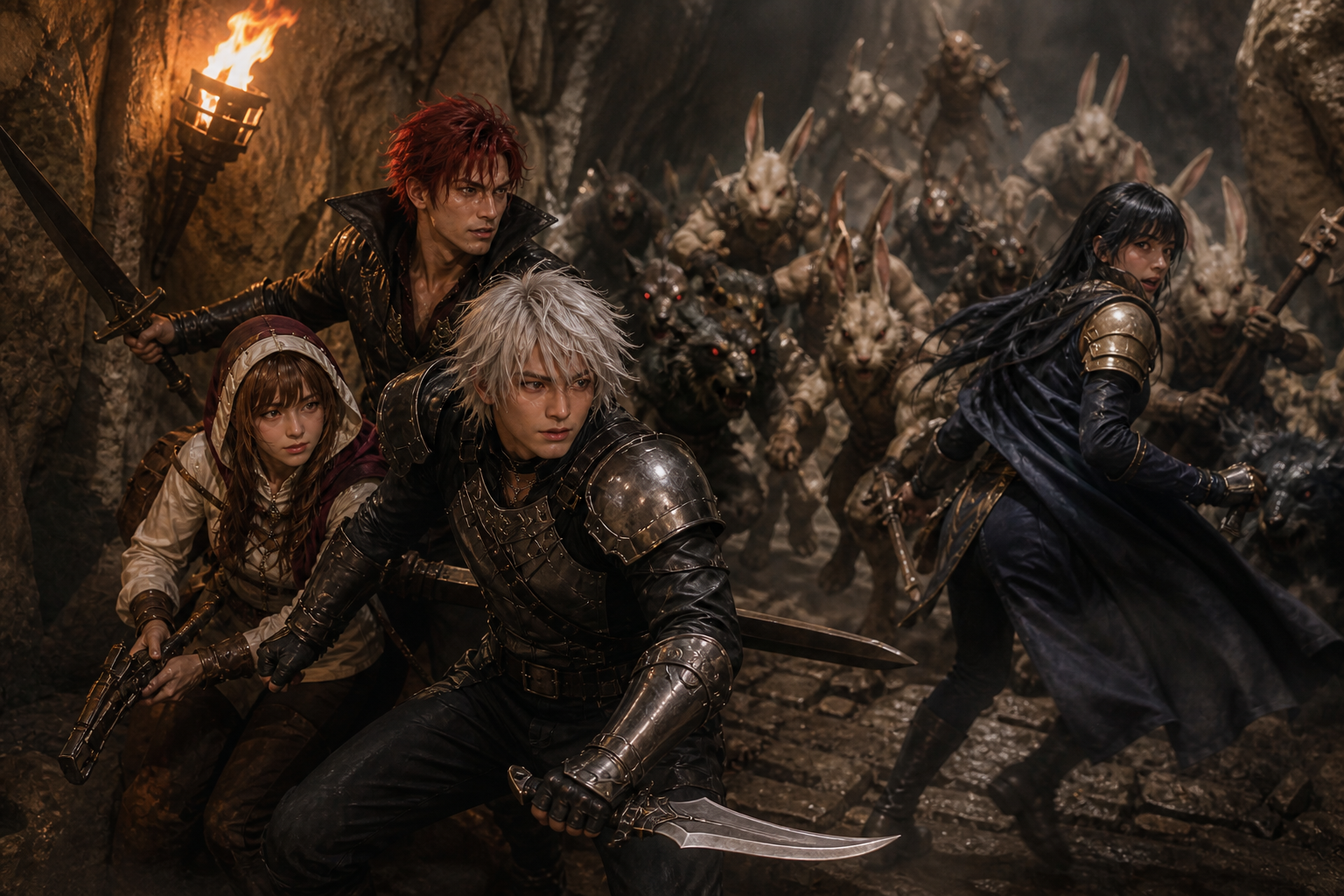
Redirecting monsters toward another party is one of the Dungeon’s ugliest survival tools because it turns time into an ethical weapon. Ouka protects wounded Chigusa and endangers Bell, Lilly and Welf. The book does not deny his reason or let the reason erase the victims. Mikoto’s apology matters because guilt becomes relationship work rather than a private feeling filed after the crisis.
Theme 02 · rescue as refusal
Institutional caution can become polite abandonment
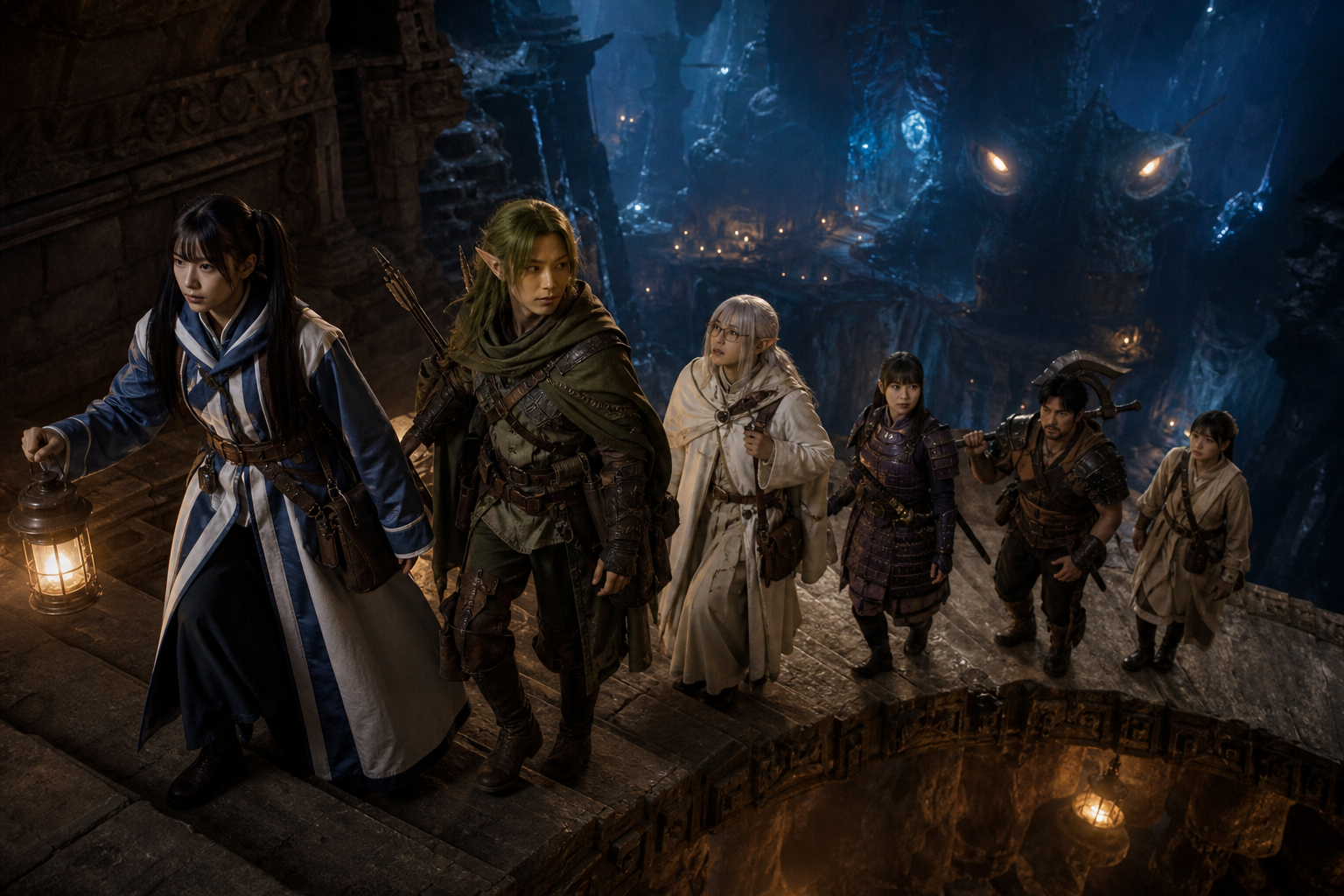
The Guild has procedures because reckless rescue creates more bodies. Hestia also understands that waiting for certainty could mean arriving after Bell’s death. Her improvised expedition sits inside that conflict. Love starts the rescue, but preparation, skilled allies and willingness to share risk keep love from becoming irresponsible theater.
Theme 03 · sanctuary politics
A safe point is not an innocent point
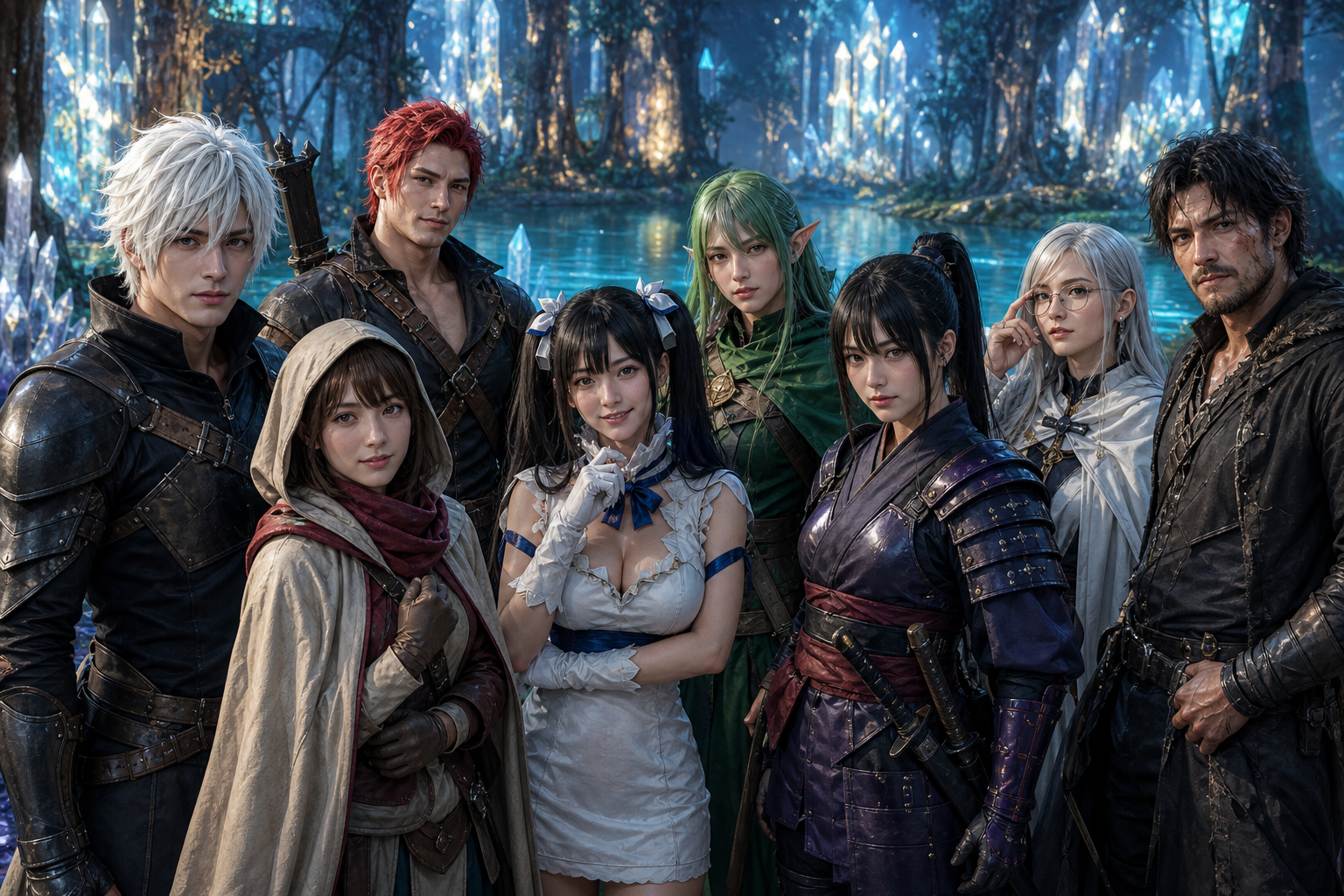
Rivira contains trade, hierarchy, grudges, exploitation, graves and solidarity. The absence of regularly spawning monsters does not remove danger; it creates room for human systems to become visible. Floor 18 is safer than the route surrounding it and still capable of producing abduction, resentment and a marketplace built on risk.
Trope 04 · divine trespass
The Dungeon recognizes a god and produces an answer
Hestia’s divine release violates an underground boundary the gods are expected to respect. The Black Goliath is not merely an oversized boss. It is the Dungeon improvising punishment. That reaction gives the setting agency and suggests the lower world is not neutral terrain waiting for adventurers to extract value from it.
Theme 05 · collective heroism
The center matters because everyone builds a center
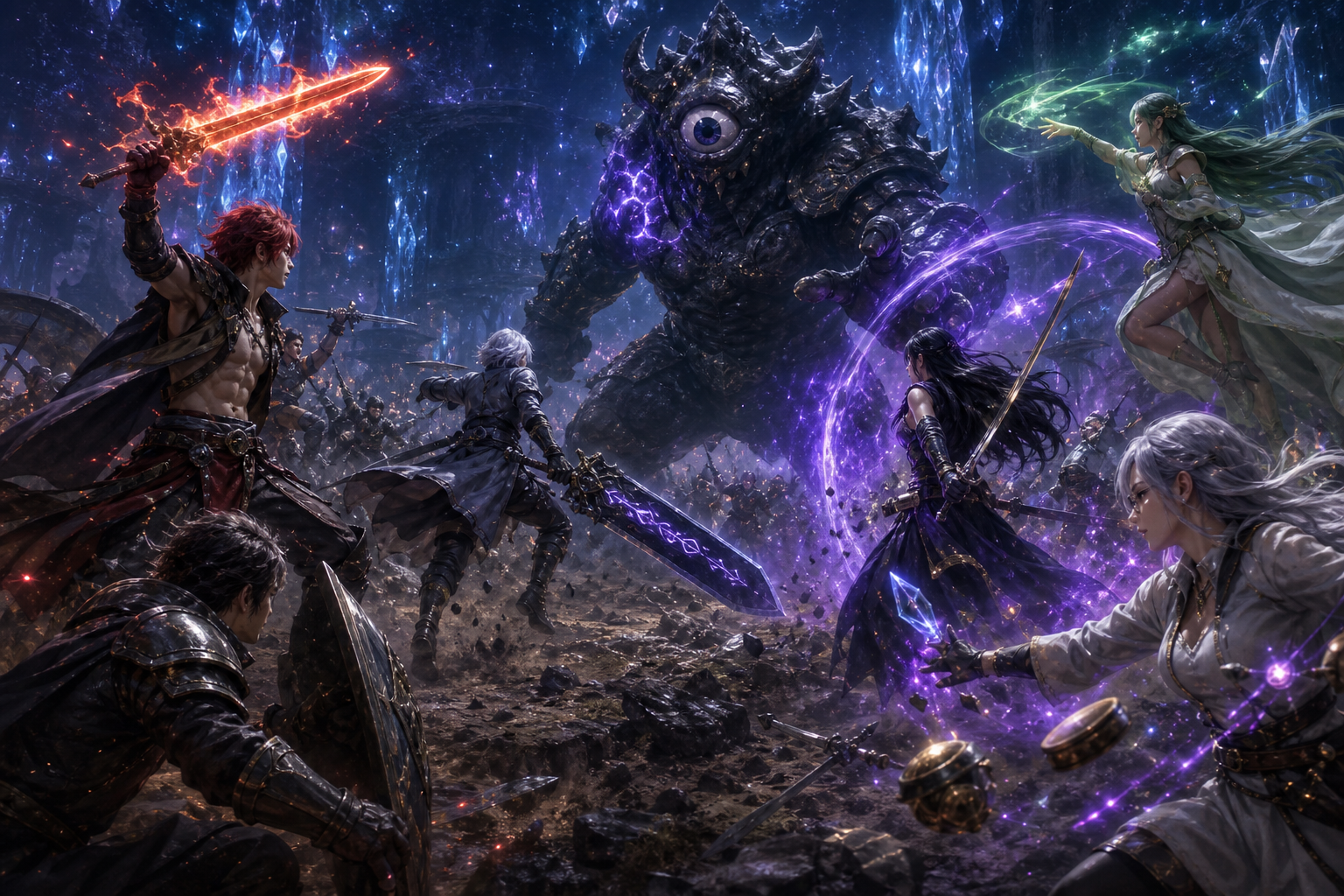
Lyu’s wind, Asfi’s tools, Mikoto’s gravity, Ouka’s force, Welf’s Burning Moon, Mord’s participation and the settlement’s combined resistance each solve a different portion of the Black Goliath. Bell’s Argonaut strike is the convergence point. Calling him the finisher honors his role; calling him the sole victor would erase the architecture of the fight.
Theme 06 · manufactured myth
Hermes wants a hero badly enough to arrange the lighting
Hermes knows Bell’s connection to Zeus and keeps applying pressure that turns private ability into public legend. His fascination is not identical to Freya’s desire, but it raises the same dangerous question: when a god believes somebody is destined for greatness, who absorbs the suffering required to prove it? Bell’s courage remains his own even when somebody else engineers the stage.
The weapon motif
Burning Moon does not replace the battle. It answers one part of a battle designed to defeat single answers.
Welf’s magic sword is powerful because he chooses the moment and because the surrounding plan gives that power a job. The weapon does not manufacture heroism by itself. Gravity, wind, explosives, ordinary blades and bodies holding the line all remain necessary.
That is the volume’s answer to the inherited Crozzo problem: a tool becomes ethical through context, consent and responsibility—not because power is inherently pure or inherently corrupt.
The uncomfortable aftermath
The Guild saves the city from panic by controlling which story the city receives.
Calling the event a Calamity and ordering silence protects stability. It also hides the direct relationship between divine power and the Dungeon’s retaliation. Volume 5 understands that surviving history and recording history are different battles. The people of Floor 18 own the memory; the institution owns the public label.
Bell’s strike is legendary because it carries everybody else’s work to its conclusion. The instant the story forgets that labor, legend becomes propaganda.