
Volume 4 · Tropes and themes · Full spoilers
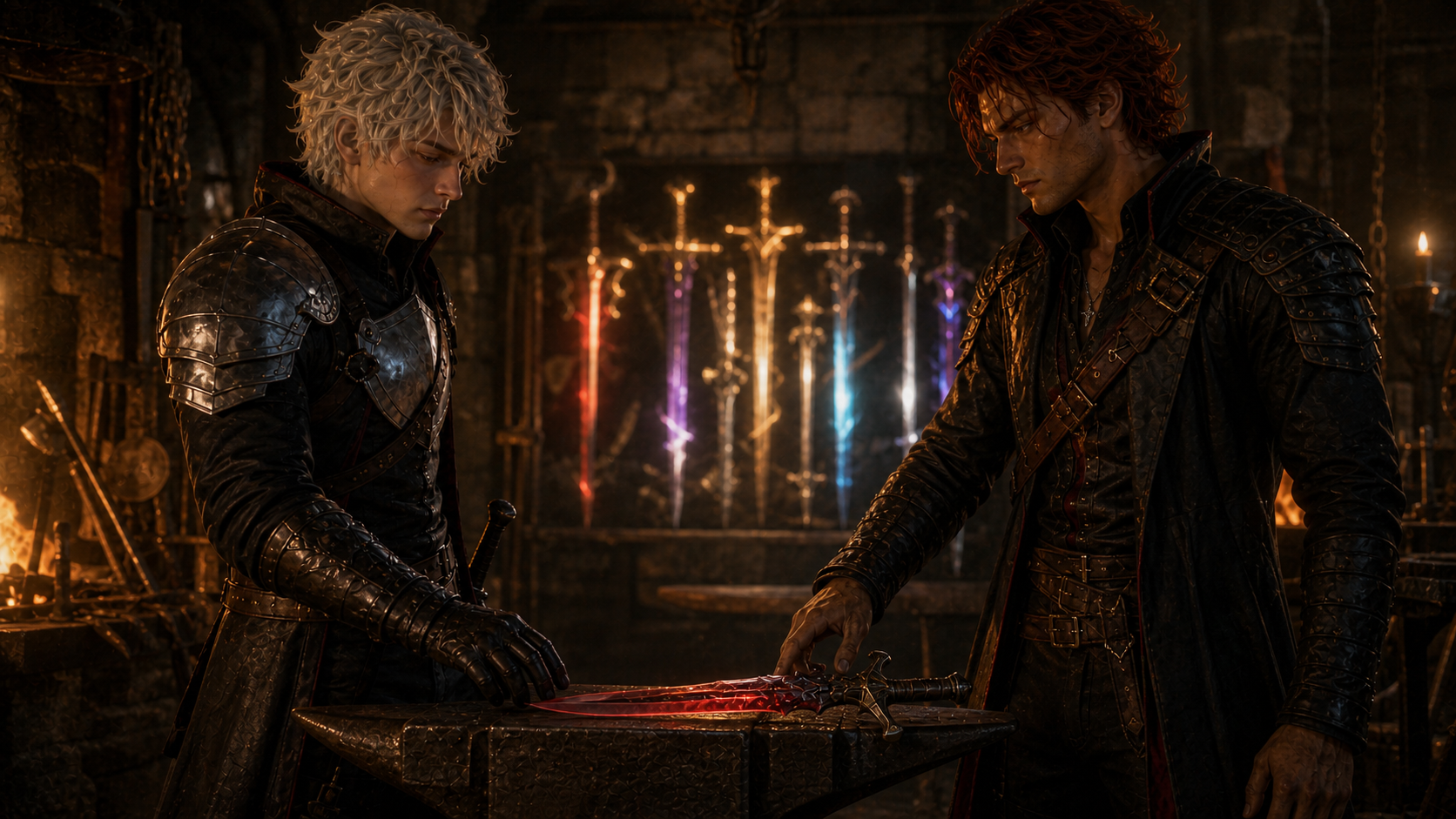
A family name is material, not destiny.
The ideas under the adventure
Theme
Inherited craft versus chosen work
Welf cannot erase the Crozzo name, but he can decide which part of its craft becomes his own.
Trope
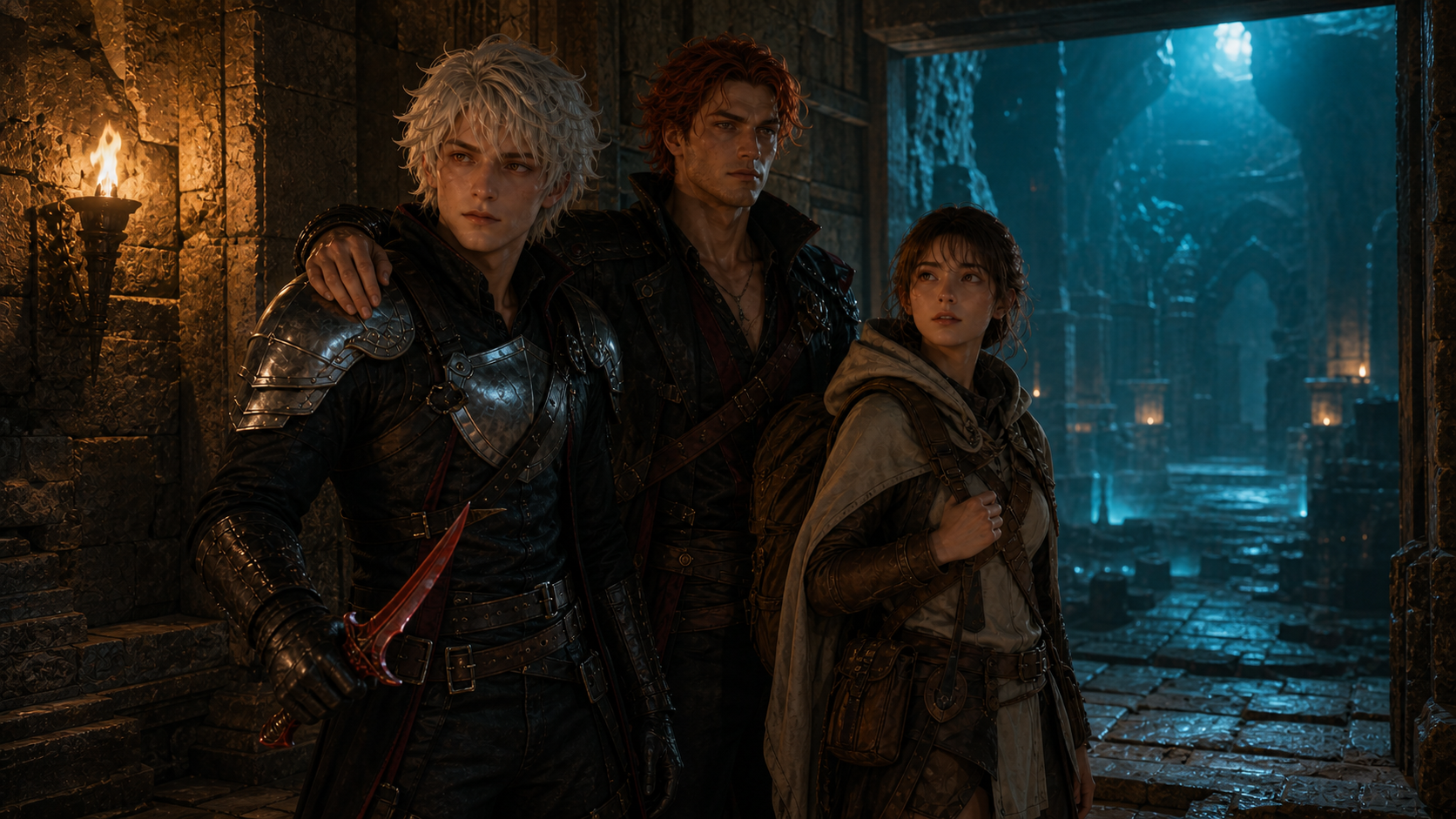
Found family with job descriptions
Bell brings momentum, Lilly brings survival and Welf brings craft. Affection grows because each contribution is seen.
Theme
Power that replaces the wielder
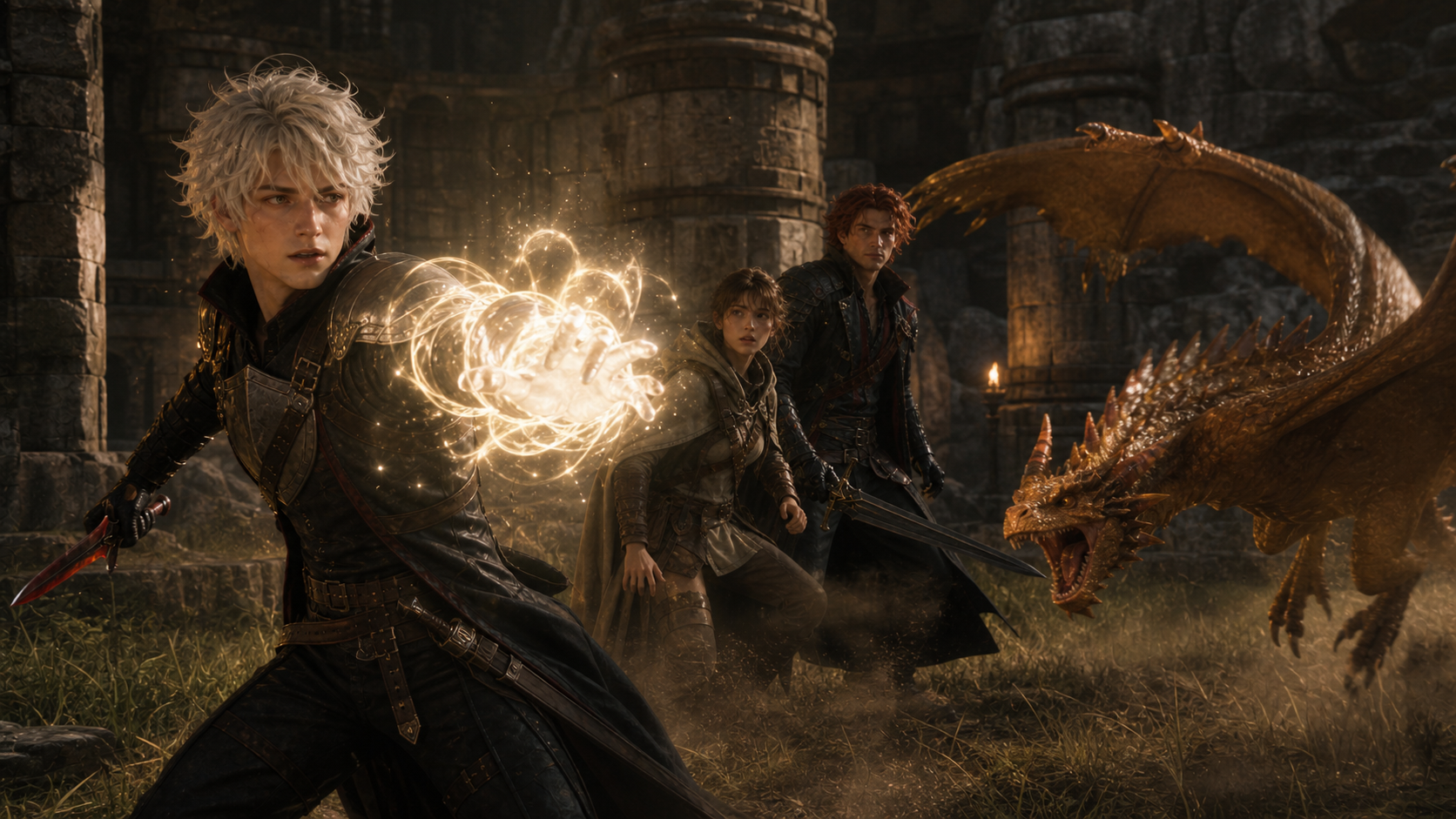
Magic swords offend Welf because the weapon does the heroism. Argonaut is dangerous for the opposite reason: it concentrates Bell’s choice.
Motif
The old monster becomes a tool
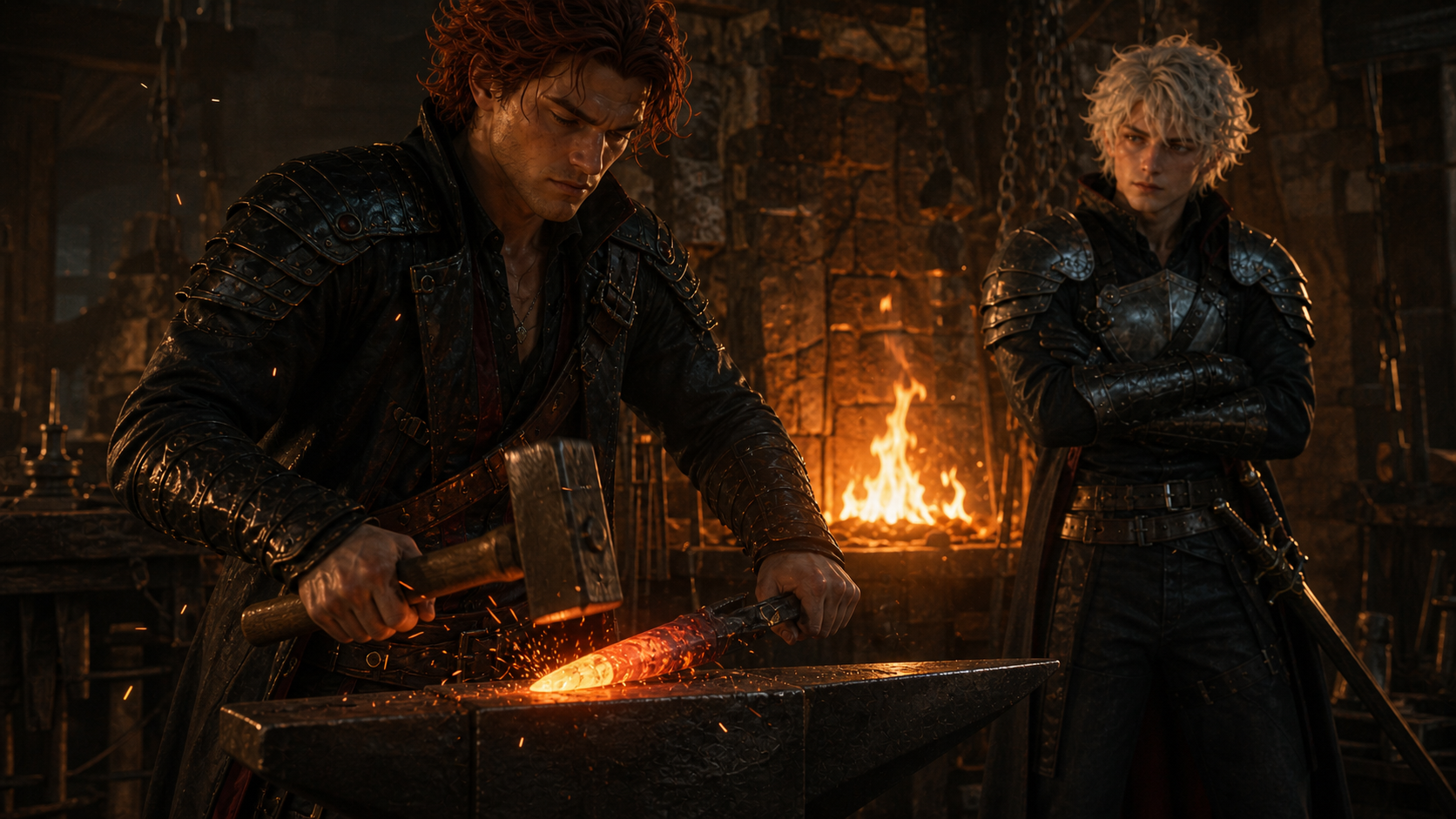
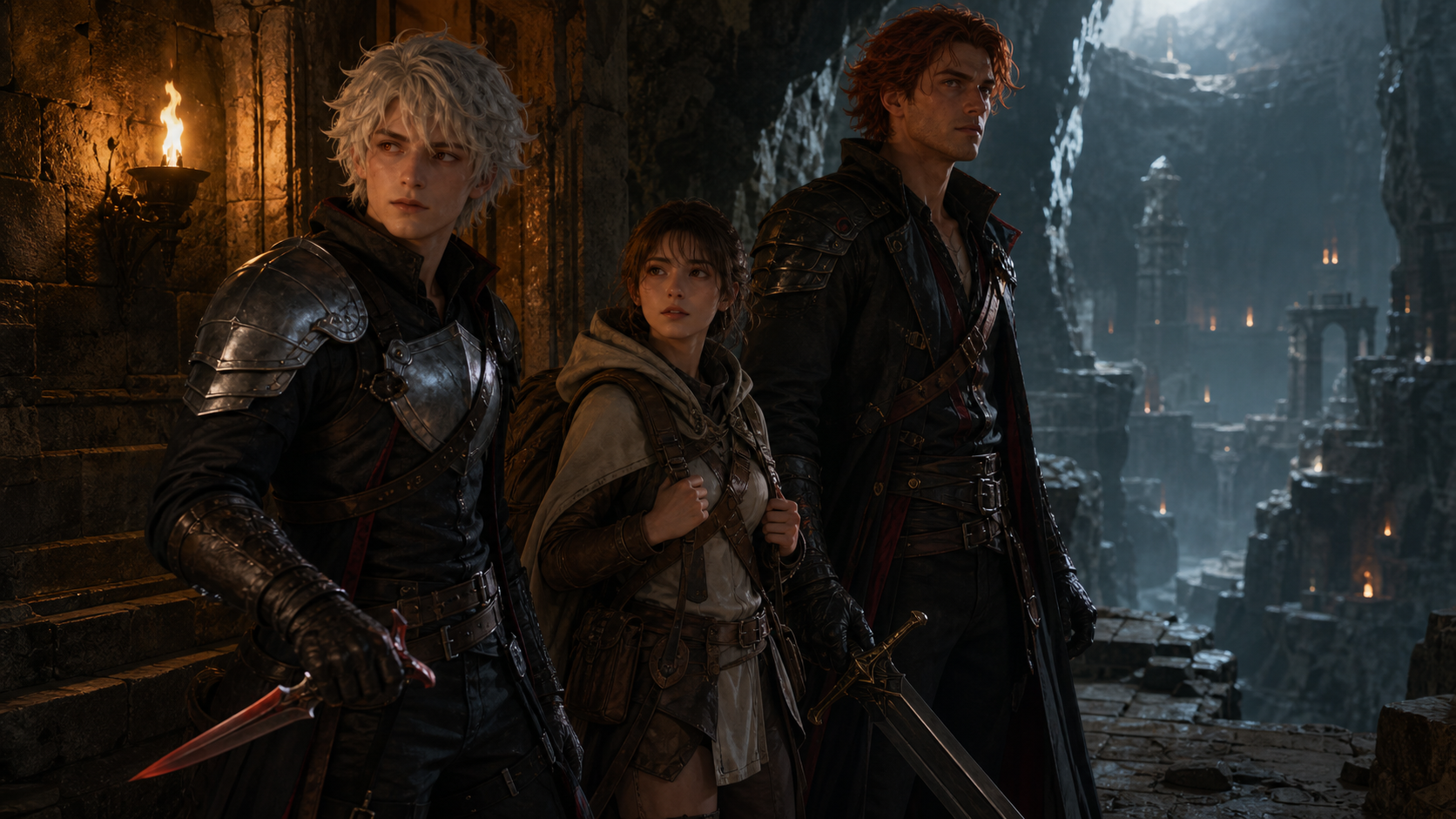
The Minotaur Horn becomes Ushiwakamaru: fear is neither forgotten nor worshiped, just reforged.
Theme
Public names and private selves
Little Rookie is the city’s convenient label. Bell’s actual growth happens in contracts, mistakes and small gifts.
Motif
The bell as promise
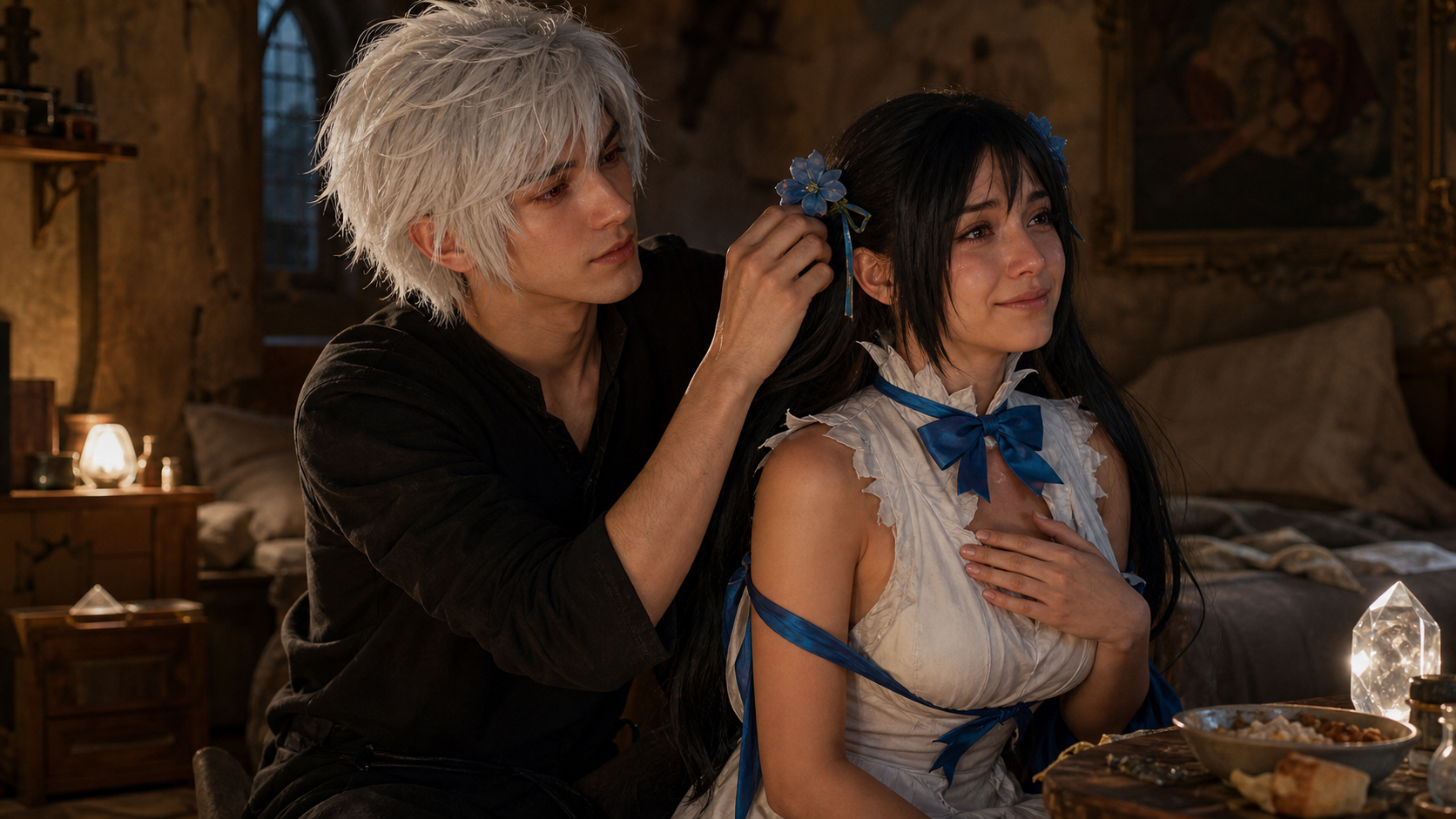
The silver bells in Hestia’s hair turn a tiny early gift into a quiet statement about the home Bell chose.
RaeRae’s trope board · where the practical stuff gets emotional
The book turns equipment, contracts and party roles into arguments about identity.
Volume 4 looks like a cooldown after the Minotaur duel only if we pretend infrastructure is not story. Bell’s new status creates social pressure. Welf’s surname creates inherited pressure. Lilly’s experience creates survival pressure. The volume keeps asking the same question through different objects: when the world hands you a role, which parts do you accept, refuse or remake?
Trope 01 · fame before readiness
The city names the hero before the hero catches up
“Little Rookie” compresses Bell into one visible fact: unprecedented speed. It cannot explain his fear, his recklessness, his debt to the people beside him or how little he knows about leadership. The trope works because public recognition is both reward and theft. Bell earned the attention, but he does not control the story attached to it.
Theme 02 · inherited craft
A family name is material, not destiny
Welf cannot stop being a Crozzo, and the world will not stop asking for the magic swords associated with that bloodline. His refusal is not rejection of talent. It is a decision about what his talent will serve. He claims smithing while rejecting the product that turns warriors into customers for borrowed power.
Trope 03 · found family
Affection gets a job description
The party becomes emotionally convincing because everyone performs visible labor. Lilly inventories, negotiates and anticipates danger. Welf repairs, forges and reads physical limits. Bell fights and creates momentum. Nobody is included merely because the lead likes them. Belonging grows from competence recognized by the people who depend on it.
Theme 04 · dangerous strength
A winning attack can still be bad teamwork
Argonaut-charged Firebolt destroys the infant dragon and nearly overwhelms the plan surrounding it. The book separates combat success from party success. Bell has to learn that heroic intention does not exempt him from warning, positioning and consequences. Power becomes mature only when other people’s safety is included in the calculation.
Motif 05 · reforging
The old monster becomes a tool
Ushiwakamaru turns the Minotaur horn into a weapon Bell can choose to carry. The symbolism is clean without becoming sentimental: fear is not erased, displayed like a trophy or treated as sacred. Welf changes its function. Trauma becomes material for future action without being allowed to define the whole future.
Motif 06 · the bell
A tiny gift outlives a public title
Hestia’s silver-bell hair ties hold emotional history that “Little Rookie” never can. The title belongs to Orario’s version of Bell. The gift belongs to the home he chose before anybody considered him remarkable. The motif keeps fame from swallowing intimacy and gives the franchise a small visual promise that can travel with Hestia.
The magic-sword argument
Welf fears a weapon that replaces the wielder. Argonaut is frightening because it concentrates the wielder.
Those ideas mirror each other without being identical. A Crozzo magic sword can let power feel detached from skill and responsibility. Argonaut makes Bell’s desire terrifyingly effective, which means responsibility becomes more urgent, not less. One power risks making the person irrelevant; the other risks making one person’s intention too dominant for the team around him.
Welf and Bell fit because both are learning to own power without allowing power to own the shape of their identity.
The volume’s actual fantasy is not that the right weapon solves everything. It is that people can inherit names, fears and obligations—and still choose what those materials become.