
Volume 1 · Tropes and themes · Full spoilers
The furniture is familiar. The arrangement is not.
Stats, gods, a dungeon and several interested women are the visible package. Underneath, Volume 1 keeps asking who gets to write a hero’s story.
The tropes doing actual work

Rescue reversal
Bell wants to save a girl. Aiz saves him. The reversal is not a one-scene joke; it reorganizes his self-image and powers Realis Phrase.

Found family before power
Hestia and Bell form a Familia because both were rejected. Their first advantage is not money or rank. It is having someone waiting at home.
Status as biography
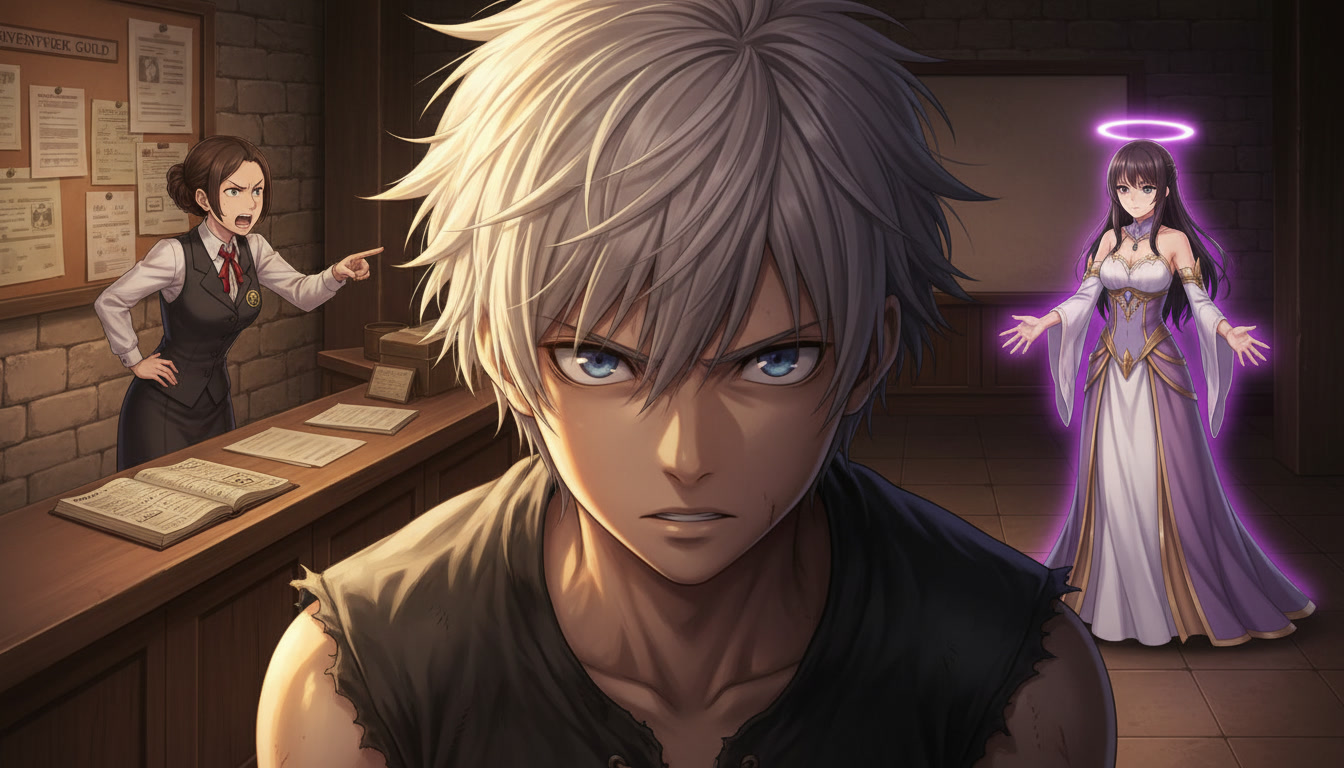
Falna does not hand out arbitrary points. It reads lived experience as excelia. Growth is the visible record of what a person survived and chose.

Gods as spectators
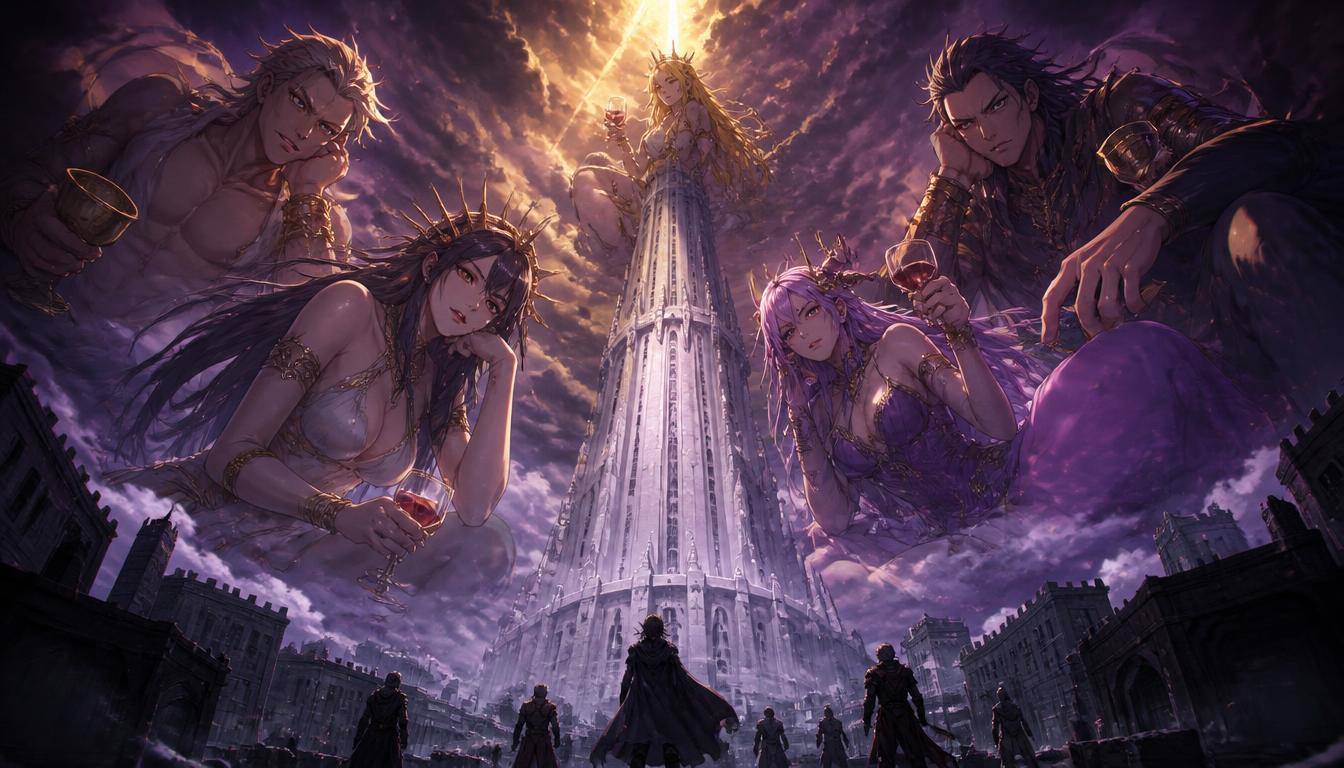
The gods descend because eternity bored them. Freya’s experiment shows the cruelty hidden inside treating mortal danger as entertainment.

Borrowed conviction
Bell cannot believe in himself at the climax. Hestia offers a better option: believe the person who believes in you until your own courage catches up.

The weapon grows too
The Hestia Knife rejects the disposable-upgrade treadmill. It grows with Bell and only works inside their bond, turning equipment into a relationship.
The trope file · Continued
The rescue fantasy gets reversed before Bell can turn it into a personality
The title invites a pickup comedy, but the opening refuses Bell the fantasy he expects. He imagines saving a beautiful girl and is instead saved by Aiz Wallenstein while sitting in Minotaur blood. The reversal does more than embarrass him. It separates attraction from entitlement. Bell does not decide Aiz owes him romance because she rescued him. He decides the distance between them exposes the adventurer he has not become yet.
That makes Aiz both a love interest and an aspirational mirror, which could easily flatten her into a prize. Volume 1 quietly resists that fate. She remembers Bell, refuses Bete’s cruelty, looks for him after he runs and later congratulates his silverback victory. Bell builds an impossible standard from the rescue while missing the evidence that the person behind the standard has already looked back.
Found family begins with two people nobody else wanted
Hestia Familia is found family without the polished group photograph. Hestia has failed to recruit fifty times. Bell has been rejected by at least ten Familias. Neither has power, money or status to offer the other. They recognize loneliness and choose anyway. That beginning matters later when Bell tries to protect Hestia through unilateral sacrifice. Family cannot mean one person decides whose life is disposable.
The silverback climax turns mutual protection into the rule. Bell locks Hestia behind safety; Hestia returns because his promise not to leave her alone applies in both directions. The heroic act is not Bell accepting death beautifully. It is Bell allowing another person’s faith and labor back into the fight.
Love becomes debt, labor and equipment instead of floating above the rent
The Hestia Knife is the most literal version of love language imaginable. Hestia kneels outside Hephaistos’s office, accepts a debt that could shape decades of work and commissions a blade that grows with Bell. Hephaistos contributes craft. Hestia contributes blessing and obligation. Bell contributes the excelia that wakes it. The weapon is a relationship made mechanically visible.
This is why the book’s community theme works even when Bell appears to solo. Miach’s potion, Eina’s monster lesson, Hestia’s status update and Hephaistos’s craft all occupy the final strike. The crowd sees one boy. The reader has been shown the supply chain.
The living record turns statistics into biography
Falna could have reduced growth to game numbers. Volume 1 instead treats Bell’s status as a record of lived experience. Realis Phrase appears because desire changes him forcefully enough to write a new rule into his blessing. Hestia is not merely checking a scoreboard. She is reading what Bell’s fear, ambition, labor and attachment have become.
The secrecy around Realis Phrase also establishes that rare ability attracts ownership claims. Hestia hides it because Orario would see a resource before it saw a boy. Freya’s rooftop attention proves the fear is not theoretical. One goddess protects Bell’s record; another begins designing experiments around it.
Courage happens after panic, and manufactured trials still have victims
Bell’s courage is not calm competence. He runs from Aiz, descends recklessly after humiliation and shakes in front of enemies stronger than he is. His best choices happen after fear has already explained every reason to stop. That is why the silverback victory lands. Bell is not revealed as secretly fearless. He acts while remaining the frightened boy from the fifth floor.
Freya’s experiment complicates the heroic test trope. She accurately recognizes Bell’s potential and creates conditions that reveal it, but insight does not grant consent. Hestia becomes bait, civilians become collateral and Bell’s possible death becomes acceptable entertainment because Freya imagines she can pursue his soul afterward. The test produces a real heroic choice. The person who designed it remains responsible for the danger.
RaeRae’s trope verdict
Volume 1 works because it keeps taking familiar fantasy furniture and asking who carried it into the room. The rookie has a cheat Skill, but Hestia reads it. The hero wins alone, but half the city’s care is inside the knife. The beautiful girl inspires him, but she was a person before he made her a goal.