
ARTIST PROFILE · PRODUCER · VISUAL DIRECTOR
Grimes: Artist, Producer, Visual Director and aespa Remix Collaborator

RaeRae’s read: Grimes is most compelling when a beautiful system starts misbehaving. Technology matters here, but it never gets to replace listening, human credits or the material question of who consented to become part of the machine.
Profile
| Artist project | Grimes |
|---|---|
| Birth name | Claire Boucher |
| Born | March 17, 1988 |
| From | Vancouver, British Columbia, Canada |
| Work | Musician, songwriter, producer and visual artist |
| Albums | Geidi Primes, Halfaxa, Visions, Art Angels and Miss Anthropocene |
| CVM route | Two exact aespa “Supernova (Grimes Remix)” video masters |
| Current status | Active recording and visual artist; unreleased projects remain labeled as such |
Grimes is the recording project of Canadian musician, songwriter, producer and visual artist Claire Boucher. Her released album chronology runs through Geidi Primes, Halfaxa, Visions, Art Angels and Miss Anthropocene, with later singles and proposed Book 1 material documented only where officially released.
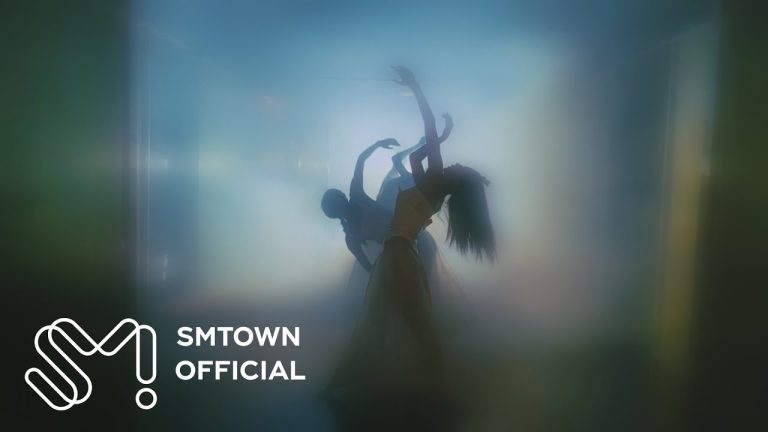
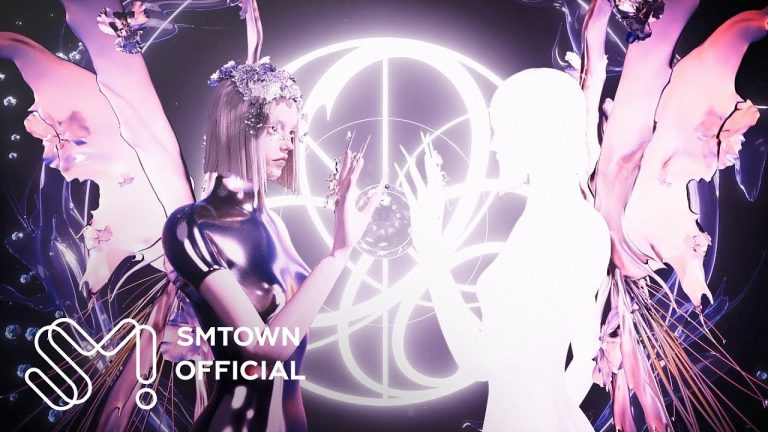
Her CVM Sekai relationship includes two different aespa remix videos: separate “Supernova” Grimes-remix masters with different YouTube IDs, visual treatments and dates. Both require cards because exact-file identity outranks title similarity.
One canonical route
Grimes the artist, producer and visual director belongs on one page. A K-pop remix credit does not create a second biography, and a future album update should not spawn “Grimes profile v2.”
The route can hold music, visual authorship, technology criticism and exact collaborations without treating public controversy as the entire person or an excuse to stop listening.
Early life and self-production
The first albums established a project interested in homemade electronics, layered voice, fantasy reference and environments that felt built from limited tools rather than approved pop infrastructure.
DIY mythology can become its own branding cliché. Its value appears when constraint produces identifiable composition, not simply when a biography says one person worked alone.
Geidi Primes
The 2010 debut used Dune-related naming and a small-scale electronic language. Literary reference gave the project a world before large budgets or global celebrity made world-building an expected campaign feature.
Reference is not ownership of another text. The album matters through what sound does with distance, repetition and voice rather than how many titles a fan can decode.
Halfaxa
Halfaxa followed in 2010 with denser atmosphere and a more submerged vocal presence. The early pace of release shows experimentation moving faster than a polished era schedule.
Speed can produce discovery and unfinishedness at once. A current profile preserves the work without pretending every early decision predicted the later public identity.
Visions
Visions arrived in 2012 through 4AD and became the breakthrough record. “Oblivion” and “Genesis” made private production feel rhythmically immediate while voices operated as texture, hook and character.
The album’s influence cannot be reduced to bedroom-pop mythology. Its drum programming, repetition and vocal arrangement gave later electronic pop a practical language for making intimacy move.
Oblivion and threat
“Oblivion” places bright rhythmic pleasure beside lyrics and context shaped by violence and vigilance. The contrast refuses the idea that trauma must sound slow or visibly broken to be legible.
A profile should not turn personal disclosure into clickbait detail. The artistic point is how public spaces, bodies and apparently carefree motion can contain a private threat calculation.
Genesis
“Genesis” builds recognition through a synth figure and vocal phrasing that feel simple only after they have become familiar. The video helped establish Grimes as a visual author as well as a recording artist.
Iconic imagery should still be credited through direction, performance, styling and collaborators. One front-facing name rarely performs every physical task in a music video.
Art Angels
Art Angels arrived in 2015 with brighter guitar, more explicit pop structure and a refusal to remain inside the soft-focus version of Grimes that critics had already learned to describe.
The album demonstrates that accessibility can be an aggressive choice. A clean hook does not automatically surrender experimentation when arrangement, timbre and perspective remain unstable.
Flesh Without Blood
“Flesh Without Blood” turns separation into sharp pop-rock momentum. Its visual characters and costume changes treat identity as something performed in multiple registers rather than one authentic face finally revealed.
That interest in flexible bodies becomes relevant to later AI work, but continuity does not make every technological choice ethically identical. Tools, sources and consent still have to be examined release by release.
Kill V. Maim
“Kill V. Maim” exaggerates character, speed and vocal attack until the song feels like a crowd argument staged inside one performer. Camp and aggression are not opposites here.
The track shows why a Grimes remix can fit aespa conceptually: both projects understand that digital mythology works best when rhythm and personality keep the lore from becoming homework.
Miss Anthropocene
The 2020 album Miss Anthropocene personifies climate crisis through dark electronic characters and a deliberately uncomfortable beauty system. The concept attracted both admiration and criticism for turning catastrophe into mythology.
Concept does not absolve politics. The relevant test is whether personification helps listeners confront systems or makes destruction attractive enough to remain at a safe imaginative distance.
Violence
“Violence,” produced with i_o, lets a direct club pulse carry a relationship metaphor that can be read across intimacy, ecology and power. The collaboration demonstrates why exact producer credit matters inside a solo-branded album.
A recognizable Grimes vocal world does not make every instrumental decision hers alone. Shared authorship is part of the record’s strength.
Delete Forever
“Delete Forever” moves toward guitar and plainspoken grief, proving that technological futurism is not the only emotional register available. The song’s restraint makes loss difficult to hide behind concept art.
Range matters because a public persona can become a machine that demands every feeling arrive as science fiction. The catalog remains stronger when ordinary language interrupts the mythology.
The rave edition
Miss Anthropocene: Rave Edition invited multiple producers to rebuild album tracks. The project acknowledges remixing as a separate authorship layer rather than one bonus-file afterthought.
That history provides context for the aespa commission: Grimes has long treated alternate versions as ways to move a song into another physical environment.
Player of Games
“Player of Games” arrived in 2021 as part of the announced Book 1 direction. The official video supplies this page’s real local profile image and combines human performance with fantasy-game framing.
An announced project is not the same as a released album. This page does not list Book 1 as completed when the public catalog does not support that claim.
Current status: Book 1 and the unfinished-era boundary
Singles, visual chapters and public statements created expectations around Book 1. Delays and changing plans make it tempting for fan archives to assemble a definitive album from fragments.
The profile records released masters and labels unreleased plans as plans. Anticipation cannot fill a discography slot by force.
Producer, singer and visual artist
Grimes has credits across composition, production, programming, engineering, vocals, artwork and direction. Those roles explain the unusually integrated project identity.
They should remain track-specific. A broad multi-hyphenate reputation is not permission to claim sole authorship when collaborators are named.
The technology argument
Grimes has publicly embraced artificial-intelligence tools and experiments with voice licensing and generated imagery. That makes technology part of the artist context, but not a magic explanation for every sound or visual.
Each work still requires questions about datasets, source permission, compensation, human direction and who owns future reuse. Futurist language cannot settle those material issues.
A voice model is not the person
A model designed to produce Grimes-like vocal output can separate recognizable timbre from the living artist’s immediate performance. That may enable licensed collaboration while making identity and consent unusually contractual.
Clear terms matter more than claims that anyone can be Grimes. A voice style carries labor history and commercial association even when a new user generates the notes.
Public controversy is context, not substitute
Statements about AI, platforms and politics shape how audiences interpret current work. They deserve sourcing and direct quotation limits rather than rumor aggregation.
The profile connects context only where it changes a verifiable production, credit or release question. It does not use outrage as a shortcut around musical analysis.
The first aespa Grimes remix master
React 29501 covers official video ID tY2q55Sw3jA, titled “Supernova (Grimes Remix).” Its upload and treatment are distinct from the later master even though search results can make the titles look duplicative.
The arrangement pulls aespa’s spring-loaded hit into colder, less stable electronic space. Some changes expose detail; others sacrifice physical snap.
The second aespa Grimes remix master
React 39724 covers official video ID 4kMcaEz1WrQ. It has its own release date, unique image and deeper visual argument about two digital mythologies colliding.
Neither React should be deleted as a duplicate unless the IDs, files and official distinctions prove duplication. Here they prove the opposite.
What Grimes changes in Supernova
The remix loosens familiar impacts, foregrounds synthetic texture and makes the four voices feel like transmissions crossing unstable machinery. It composes with listeners’ memory of the original hook.
A remix does not need to preserve every pleasure. It needs to make the cost of change audible enough that disagreement becomes part of the work.
Four voices under processing
Karina’s attack can remain hard, Giselle’s looseness can make a glitch conversational, Winter’s brightness can approach synthetic edge and Ningning’s warmth can reveal what processing removed.
Those differences survive distortion and justify routing the exact card to every participating member rather than whichever face appears in the thumbnail.
Digital bodies and consent
Surreal transformation and generated-looking environments raise questions about source assets and authorization. Mystery inside the image should not become mystery around employment or rights.
Viewers can be disoriented by the art while receiving a plain production record naming tools, artists, editors and licensed inputs.
The original hook acts as memory
Every recognizable “Supernova” fragment triggers comparison with the master. The remix therefore works with an internal archive the listener brings into the room.
Newcomers hear a different structure, which is why both source and alternate version need direct routes rather than a hierarchy that treats remixes as disposable.
The image-card rule
This profile uses a real official “Player of Games” frame stored locally with source metadata. It does not reuse either aespa remix attachment. The human performer remains identifiable here.
Featured, hero, Open Graph and Twitter roles share the one canonical profile image. Synthetic or altered visuals on Reacts remain labeled according to their exact source.
The tracker boundary
Only exact completed Reacts with verified Grimes participation appear below. Public statements, DJ sets, fan edits and announced songs do not become cards.
The two current cards remain separate because their YouTube IDs and visual masters differ. Future additions require the same evidence.
What the next K-pop collaboration should do
Another commission should publish transparent visual and voice-tool credits, and let a specific member relationship change the production rather than using “digital artist meets digital group” as the whole idea.
The most useful futurism would make labor more visible while taking a structural musical risk that neither catalog could stage alone.
Aesthetic control and team visibility
Grimes has often presented a strongly unified audiovisual identity, which can make every component appear to originate from one imagination. Integration is a real artistic achievement, but it can also hide the teams that fabricate costumes, sets, effects and final files.
Good credits do not weaken a singular world. They show how direction turns many specialized contributions into one coherent result.
Authorship changes across eras
The proportion of self-production, collaboration, label support and visual-team labor has not remained constant from Geidi Primes to major-label singles. A biography that repeats “she makes everything” across every era becomes inaccurate praise.
Track and video credits should be read individually. Growth can mean delegating or collaborating more precisely, not only performing a larger number of jobs alone.
Fantasy is not an ethics exemption
Knights, demons, avatars and cosmic environments create distance from ordinary social reality. That distance can help artists examine power through metaphor. It can also make source rights and representation feel conveniently unreal.
The workers, datasets and visual traditions behind fantasy remain material. A fictional world still has a payroll, production schedule and chain of consent.
Remix culture needs reciprocal discovery
When Grimes remixes aespa, her listeners should be able to identify the four performers and original master; aespa listeners should be able to trace her albums and production history. A parenthetical credit alone is a weak bridge.
The two-way cards on this page turn collaboration into discovery rather than temporary audience extraction.
Cold texture can still be emotional
Synthetic pads, distortion and reduced low-end warmth are often described as alienating. In the Supernova remixes, coldness becomes an emotional position: distance, instability and scale rather than the absence of feeling. Electronic texture does not need a biological body to carry memory.
The question is whether texture develops over time. A pad held unchanged is atmosphere; filtering, harmony, stereo movement and vocal contact can make it narrative. The ear notices change before it names the technique.
Ambience needs internal time
Slow electronic passages can appear to evolve simply because they last. Real development may occur through tiny changes in density, spectrum and the way a voice enters the space.
The Grimes remix is strongest when those changes alter expectation. It weakens when duration merely postpones a return the listener has already predicted completely.
Controversy should not erase collaborators
Public attention can make a Grimes credit dominate discussion until aespa, remix engineers, visual workers and label decisions vanish. Critique that reproduces that erasure is not more ethical because its verdict is negative.
The file keeps all participants visible and assigns claims to specific evidence. Accountability works better than turning one controversial person into an explanation for an entire production pipeline.
RaeRae’s read
Grimes is most compelling when a beautiful system starts misbehaving. Visions, Art Angels and the stranger corners of Miss Anthropocene work because texture and character resist the clean explanation waiting for them.
The aespa remix is worth hearing beside the original. I do not automatically prefer the colder orbit, but it changes gravity enough to earn two exact-file cards and a serious argument about digital authorship.
Bottom line
Grimes is a Canadian musician, producer and visual artist whose catalog moves from self-built electronic worlds through Visions, Art Angels and Miss Anthropocene into unresolved technology-heavy later work. One page keeps music and public context in proportion.
For CVM Sekai, two different official “Supernova” Grimes-remix videos are verified relationships, not duplicate posts: two IDs, two images, two Reacts and one canonical route back to the artist who changed the song’s gravity.
Official video tracker
React image cards
Canonical relationships
- aespa group hub
- “Supernova (Grimes Remix)” video `tY2q55Sw3jA` React
- “Supernova (Grimes Remix)” video `4kMcaEz1WrQ` React
Official sources
- Grimes official “Player of Games” MVDaily+3.9KTotal views10.8M
- Official “Player of Games” Book 1 chapter and creditsDaily+476Total views2.7M
- Grimes official Apple Music artist catalog
- Official Charts Grimes record