

EVAN
Singer, songwriter, producer, former ENHYPEN member and the artist who chose a new name without pretending the old life never happened.
Profile
- Stage name: EVAN (에반)
- Birth name: Lee Hee-seung (이희승)
- Former stage name: HEESEUNG
- Born: October 15, 2001
- Nationality: South Korean
- Roles: singer, songwriter, producer and performer
- Former group: ENHYPEN, 2020–2026
- Solo debut: “Ride or Die,” June 2026
- First mini album: DEATH OF ME, September 7, 2026
- Agency: BELIFT LAB
- Current file date: September 2026
Official socials
- BELIFT LAB official profile
- Official YouTube
- Official Weverse
- Official X
- Official Instagram
- Official TikTok
Before EVAN: HEESEUNG and ENHYPEN
Lee Hee-seung entered public life through I-LAND and debuted with ENHYPEN in 2020. As HEESEUNG, he became one of the group’s central vocal anchors: the member trusted with exposed openings, difficult transitions and the kind of melodic line that has to connect a song’s atmosphere to its chorus before the performance machine arrives at full scale.
That history is not disposable packaging. Six years inside ENHYPEN shaped his camera instincts, stamina, harmonic judgement and understanding of how a group record is assembled. It also means the public met his solo work with a backlog of expectations. Some listeners wanted continuation. Some wanted an explanation. Some treated departure like betrayal. None of those reactions gets to replace the music in front of us.
The March 2026 departure
EVAN left ENHYPEN in March 2026 to pursue an independent musical path while remaining under BELIFT LAB. The unusual combination matters. This was not a public severing from the company followed by a mysterious disappearance. It was a negotiated change in artistic structure: the group continued, the artist stayed with the label, and a solo launch began almost immediately.
A profile should record that cleanly without inventing private motives or forcing former members into a feud narrative. Public statements establish the departure and the new path. They do not authorize fandom to reverse-engineer every friendship, contract meeting or lyric. The responsible archive keeps the timeline, names the available evidence and refuses the fan-fiction courtroom.
Why the name EVAN matters
BELIFT LAB describes EVAN as both another side of the artist and a keyword for his musical identity. A new stage name can be cynical if it only changes search results. Here the name accompanies a move from group member to self-producing soloist, so the test is authorship. Does the music make decisions that HEESEUNG’s group role could not hold?
The answer is increasingly yes. EVAN’s work leans into rock pressure, exposed vocal texture and writing about internal conflict without filtering every idea through a seven-member narrative. The name does not erase HEESEUNG. It marks the point where Lee Hee-seung assumes responsibility for a different creative frame.
Ride or Die: the first solo step
“Ride or Die” arrived in June 2026 as the first official solo single. It introduced the stage name, but introductions are awkward when the audience already knows the performer. EVAN was not a rookie learning where the camera lived. He was an experienced idol asking listeners to stop using a familiar group map.
The single established his interest in heavier textures and personal authorship, though the first mini album would make that argument more fully. As a debut, it did the necessary administrative work—new name, new channels, new visual language—while leaving enough unresolved for the September project to feel like a true opening statement rather than an immediate repeat.
DEATH OF ME: the first mini album
DEATH OF ME was released on September 7, 2026 with eight tracks. BELIFT LAB credits EVAN with leading the production and creative process and participating directly in songwriting and composition. That is the central fact of the era. He is not merely the voice placed at the front of a solo package. He is helping shape the package’s musical logic.
The title holds collapse and refusal together. “Death of me” usually names the thing that will finally destroy a person. The title track pushes back: turmoil, departure, public judgement and reinvention may leave marks, but they do not get the final word. That argument is more persuasive because the record lets strain stay audible instead of polishing every edge into inspirational content.
Voice: what changed when the group arrangement disappeared
EVAN’s voice has always carried a flexible center, clean pitch and the ability to brighten a line without making it thin. Solo work changes the problem. There is no distribution map deciding when his color enters or another member taking the contrasting texture. He has to create contrast inside his own instrument.
On “Death of Me,” he uses breath, rasp, lower restraint and a harder upper attack as separate characters. The grain is not evidence that technique disappeared. It is a production choice tied to the lyric. His most convincing moments occur when the polished idol vocalist and the bruised songwriter occupy the same phrase without either one pretending to be the whole person.
Self-production without the genius costume
K-pop profiles often treat a production credit like a ceremonial medal. The useful question is not whether an artist can be called a genius. It is whether authorship changes the work. EVAN’s involvement matters because the album repeatedly chooses resistance: guitars that push back, arrangements that delay easy catharsis and lyrics that do not resolve every wound before the final chorus.
He is still working inside a label system with collaborators, executives, video crews and distribution machinery. “Self-producing” should never become a story where one man generated an album alone in a vacuum. It describes meaningful creative leadership inside a collective production. The credits belong to the collective; the direction belongs substantially to EVAN.
Performance identity
Years of ENHYPEN choreography gave EVAN a strong understanding of line, center pressure and how quickly a camera reads hesitation. His solo videos use that training differently. He can let movement break, stagger or disappear because the frame no longer has to preserve group symmetry. Stillness becomes one of his most useful tools.
In the “Death of Me” video, rain and unstable footing make every reach feel costly. He does not dance through pain as proof of athletic professionalism. He lets the body look inconvenienced by emotion. That is a subtle but important change from the clean endurance expected on a group music-show stage.
RaeRae Reacts and official video tracker
Exact official uploads are tracked separately. A title track, performance film, live stage and alternate version remain different records when they have different video IDs. That keeps the artist history searchable and prevents one generic song card from swallowing the work.
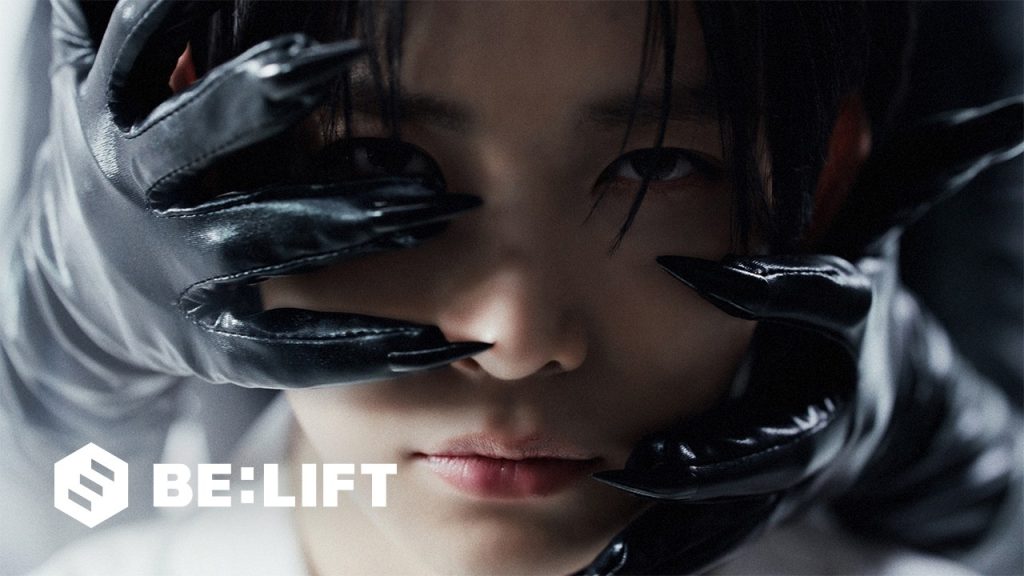
Death of Me
The title-track React follows the rock pressure, rain-soaked performance, vocal grain and the difference between a new name and a cosmetic reset.
Read the complete React · Watch the exact official uploadDaily+51KTotal views13.9M. Exact video ID: iNMvUYjaieA.
What fandom should not do with this transition
Do not turn ENHYPEN’s current work into a referendum on EVAN, and do not turn EVAN’s lyrics into weapons against the group. Departure creates grief, curiosity and sometimes anger. It does not create evidence for whichever private story a fan account finds most satisfying. Everybody involved remains entitled to relationships and decisions that are not performed for public closure.
The healthier archive lets careers branch. ENHYPEN has its own continuing hub. EVAN has an artist profile that remembers his group history without forcing every future release to kneel before it. Cross-links should help a reader follow chronology, not keep an artist permanently filed under “former.”
Why this solo restart is worth watching
EVAN begins with advantages most solo debuts do not receive: an internationally recognized voice, years of high-level stage experience and a label capable of global distribution. He also begins with a disadvantage rookies do not carry: millions of listeners believe they already understand him. Reinvention has to be legible without becoming a stunt.
DEATH OF ME makes the strongest case when it does not beg to be seen as mature. The music simply permits complication—anger without villain casting, survival without a tidy triumph, vulnerability without turning the performer into a child. That tone can support a long career if the next projects continue choosing specificity over reputation management.
The debut showcase and the work after release day
BELIFT LAB paired the mini album with a September 7 debut showcase at Kyung Hee University and global streams through Weverse and HYBE LABELS. Calling it a debut showcase makes sense administratively, but the stage carried six years of professional memory. EVAN did not need to learn how to face a crowd. He needed to teach that crowd how to read the familiar body under a new name.
The harder test begins after the first-week narrative settles. A solo career cannot live forever on departure questions, and interviewers should not demand that every comeback reopen the same wound. Future releases need room for boredom, lust, humor, ordinary failure and ideas that have nothing to do with surviving a group transition. Reinvention becomes freedom only when the artist is allowed more than one founding story.
Discography starting points
- “Ride or Die” — first solo digital single, June 2026
- DEATH OF ME — first mini album, September 7, 2026
- “Death of Me” — official title-track music video and current RaeRae React
- Earlier ENHYPEN work remains documented through the separate group hub rather than being duplicated as an EVAN solo discography.
What the old role taught the new artist
Group work trains a performer to think beyond personal impact. A line can be beautifully sung and still be wrong for the handoff. A center moment can be individually impressive and still damage the formation. HEESEUNG became dependable because he understood those relationships. EVAN now has to keep that musical intelligence while resisting the habit of solving every problem for the collective. The solo record is allowed to be lopsided if the lopsidedness belongs to him.
That transition appears in his use of space. He no longer needs to leave a clean runway for the next member’s timbre, so a phrase can trail, crack or return as an echo of itself. He can also make the chorus less democratic. Repetition centers one emotional condition instead of distributing narrative jobs around a lineup. None of this makes solo music inherently more authentic. It simply changes which decisions expose the artist.
Rock influence without costume-store rebellion
Distorted guitars have become K-pop shorthand for sincerity so often that the first power chord can feel like somebody stamping “PERSONAL” on a press release. EVAN avoids the worst version of that trick because his vocal approach changes with the arrangement. He does not place the same polished delivery over a rougher instrumental and wait for the genre to do the emotional labor. He lets the sound push his breath and attack into less comfortable shapes.
The styling and rain-soaked imagery still flirt with familiar rock melodrama. I am fine with familiar tools when the performer uses them rather than hiding behind them. What would make the next project stronger is more musical detail tied to his own listening history: a guitar tone, rhythmic habit or song structure that reveals why this sound matters to EVAN beyond its usefulness as a signal that the idol chapter has become serious.
Public vulnerability and the boundary fandom keeps crossing
EVAN has spoken about painful experiences as part of the album’s emotional foundation. Once an artist offers a personal fact, fandom often behaves as though the entire private archive has been unlocked. It has not. A disclosed experience belongs to the work in the form and detail the artist chose. Listeners may discuss the theme, trace the public timeline and respond to the song. They do not acquire ownership of every diagnosis, family conversation or backstage relationship surrounding it.
That boundary makes the music easier to hear, not harder. When every line is treated as a hidden confession waiting to be decoded, craft disappears. Metaphor becomes evidence. Vocal color becomes a symptom. A profile worthy of the person has to keep biography and analysis close without collapsing one into the other. EVAN made a record from his life. He did not turn his life into an open database.
The questions the second solo project must answer
A debut era receives narrative fuel from novelty. New name, first showcase, first album, first interviews after departure: every event can feel historic because it is numbered one. The second project has to survive without that scaffolding. It must tell us what EVAN wants when proving that EVAN exists is no longer the main task. That is when a solo identity becomes a catalog rather than a launch campaign.
I want to hear him write outward as well as inward. Self-examination is clearly one strength, but a durable songwriter also notices other people, absurd situations, desire, boredom and the social machinery beyond his own recovery. The voice can carry tenderness, humor and menace. If future production lets those colors enter, “Death of Me” will look like a strong first chapter instead of a permanent mission statement he is forced to repeat.
RaeRae fandom notes
I do not need EVAN to trash the old chapter to prove the new one matters. ENHYPEN helped build the performer we hear. EVAN’s job is to make music that only the person after that experience could make. “Death of Me” gets closer to that standard than a generic freedom anthem would have.
The voice is still gorgeous, obviously. The interesting part is that he sometimes lets gorgeous become inconvenient. A cracked edge, a breath held too long, a phrase that arrives less polished because the lyric should feel heavier—those are the decisions that turn ability into identity. More of that, please.
Image and archive rule
The hero portrait is a real official 2026 image from BELIFT LAB, downloaded into the local WordPress media library with its source preserved in metadata. It belongs only to this artist profile’s hero, featured image, landing card and social preview. The “Death of Me” React uses its own exact official-video frame.
That separation is not decorative fuss. Reusing one face across profile and song cards makes directories lie about what a reader is opening. A biography needs the artist. A React needs the exact release. The local archive keeps both files attributed and searchable.