Choi Yoojung
the original Pick Me center whose face can finish a punchline before the edit reaches it. This page follows the complete career, not only the nine months when eleven agencies temporarily shared custody.
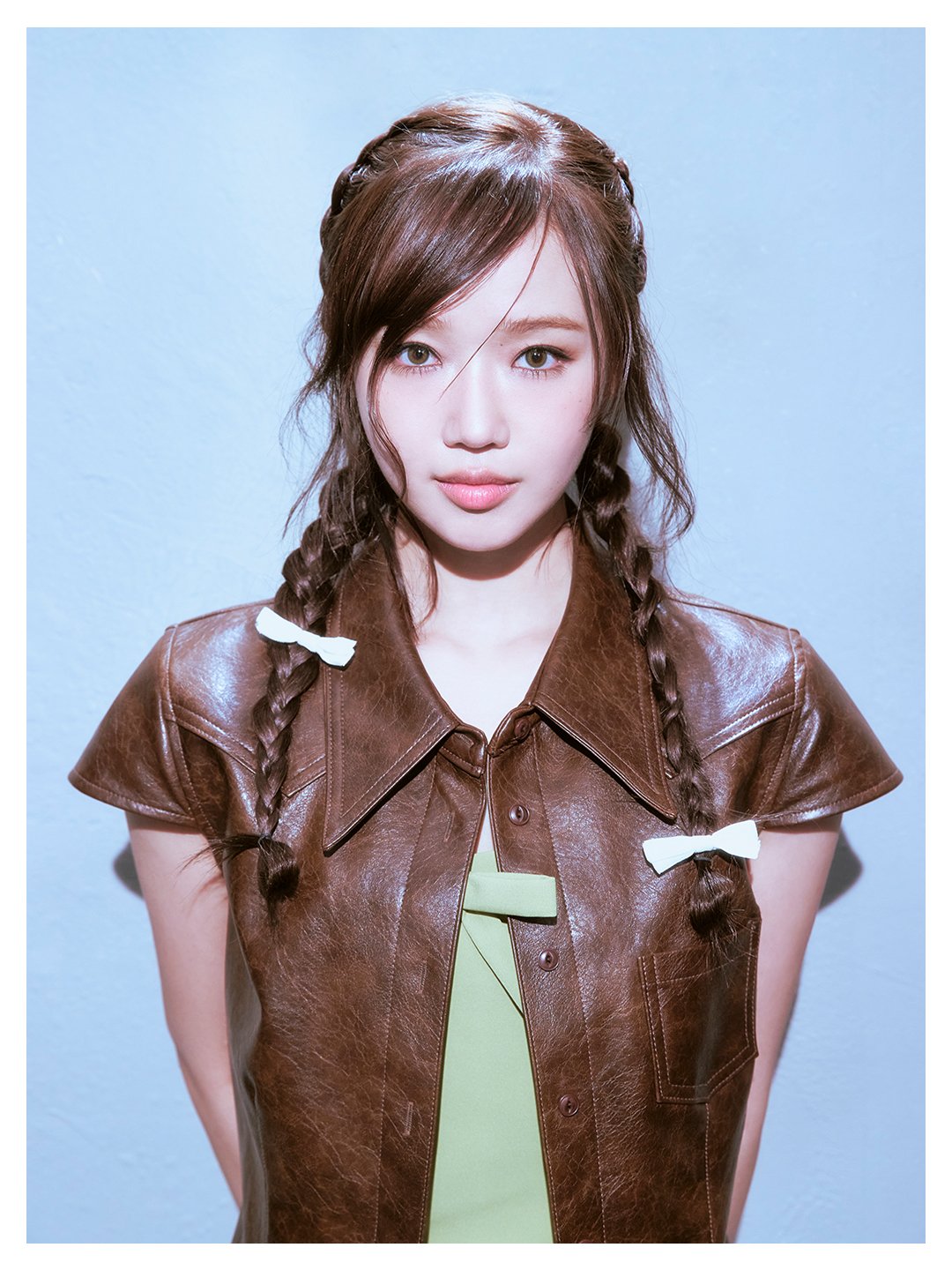
Profile
| Stage name | Choi Yoojung |
|---|---|
| Born | November 12, 1999 |
| From | South Korea |
| I.O.I role | Rapper, vocalist, dancer and songwriter |
| Produce 101 rank | 3 |
| Group history | I.O.I and Weki Meki |
| Current status | Active solo artist and 2026 I.O.I reunion participant |
Early life and Produce 101
YOOJUNG trained under Fantagio and became the first center for Produce 101’s “Pick Me” performance. She finished third. Her appeal was never one skill in isolation: rap, dance, vocal adaptability, facial expression and variety timing all moved fast enough to meet the camera wherever it landed.
I.O.I career
May 2016 · Debut
I.O.I debuted with “Dream Girls” and Chrysalis. CHOI YOOJUNG entered an eleven-member lineup that had immediate national recognition and almost no time to develop privately.
August 2016 · Split schedules
October 2016 · Full-group peak
January 2017 · Planned ending
“Downpour” and the final concert closed the original contract. The ending was administrative, public and emotionally real. CHOI YOOJUNG returned to a separate agency path with the I.O.I name still attached to every future introduction.
Career after 2017
After I.O.I, she debuted in Weki Meki, contributed lyrics, released solo music and acted. Weki Meki’s 2024 conclusion left its members with a complicated legacy: a talented lineup, a distinct teen-crush identity and years of fans asking why the company could not turn those assets into steadier momentum.
Skills and stage identity
Expression is the headline, but rhythm is underneath it. YOOJUNG knows where a beat bends, which makes her rap and dance feel conversational instead of mechanically correct.
What to listen for
On an eleven-member recording, raw line count can be misleading. Listen for how CHOI YOOJUNG changes the texture: weight, brightness, rhythmic bite, vocal lift or the emotional temperature around the next member.
What to watch
2026 reunion
In 2026 she returned as one of the members who can reactivate I.O.I’s original brightness without performing youth. The energy is familiar; the control is adult.
Read the connected review: “Suddenly” : song meaning, MV, credits, member moments and reunion tea.
Fandom file
She is compact chaos: emotionally transparent, quick-witted, physically fearless in games and capable of changing a room’s mood with one reaction shot.
Original-group shorthand
Post-I.O.I identity
CHOI YOOJUNG should not be introduced as if life paused after the farewell concert. The I.O.I origin explains the audience; the later work explains the artist.
The RaeRae take
CHOI YOOJUNG matters because the original Pick Me center whose face can finish a punchline before the edit reaches it. That is more useful than a bias score, a zodiac sign pretending to be analysis, or twenty facts copied from the same fan profile.
Weki Meki’s ending belongs in the solo file
After I.O.I’s project run ended, Yoojung debuted again with Weki Meki in August 2017. The group gave her a permanent team, a broader discography and years of choreography that required a different kind of stamina from a survival-show sprint. She carried rap, vocals and dance while also becoming one of the members most frequently sent into variety schedules. That visibility could make the career look effortless, but Weki Meki’s uneven release gaps meant the members repeatedly had to rebuild momentum.
Fantagio confirmed that Weki Meki ended official group activities on August 8, 2024. The farewell single “CoinciDestiny” closed a seven-year chapter. Yoojung’s history should therefore use former-member language for Weki Meki while keeping her I.O.I reunion work separate. A reunion project can reactivate a catalog and a set of relationships without pretending the original temporary contract never ended.
“Sunflower” made her individual catalog concrete
Yoojung released her first solo single album, Sunflower, in September 2022. The title track “Sunflower (P.E.L)” emphasized a warmer, freer groove than the compressed character changes she often handled inside group songs. “P.E.L” stands for power, energy and love, a compact description of the stage identity she had built since Produce 101.
The release matters beyond the single promotion cycle. Yoojung had long been recognizable as an individual performer, but a dedicated record established an official solo discography with its own visual language. It also clarified why this page belongs in the Artist directory after Weki Meki’s conclusion: the profile documents work released under her own name, not only fame borrowed from two former groups.
Official Socials
YouTube tracking history
Primary Choi Yoojung solo videos. Daily gains and total views update through CVM Sekai’s YouTube tracking history.


Sources
The small-frame performance myth
Yoojung has spent years disproving the idea that physical scale determines stage scale. Her center work is built from speed, facial precision and a willingness to make one count funny, sharp or slightly strange. The performance reads because she commits before the camera asks.
Weki Meki’s ending and “Sunflower” belong on the same page because the solo release is not a replacement biography. It is another angle on the rapper, dancer and songwriter viewers first met through Produce 101. The 2026 I.O.I return then adds a third context: veteran group member.
If you want the cleanest comparison, replay “Very Very Very,” “Sunflower” and “Suddenly.” The concepts change; the timing does not. Yoojung understands exactly when an expression becomes the beat.
The small-frame myth mistakes scale for force
Choi Yoojung’s height is constantly mentioned because her stage energy appears to exceed the space her body occupies. That framing sounds affectionate, but it can turn technique into magic. She looks large because she commits to direction, finishes accents and understands how facial rhythm extends movement beyond the limbs. The effect is built, not bestowed by contrast.
Her center control begins with attack. Yoojung can hit a count sharply, release before the movement becomes stiff and redirect attention through the eyes before the formation changes. That timing makes a short line memorable and allows her to share a crowded stage without disappearing. She does not need to outsize another member; she needs to make the beat readable.
Produce 101 used her as its emotional front door
As the first-season theme-song center, Yoojung became one of the program’s earliest recognizable faces. She carried the mixture the show wanted: obvious talent, visible nerves, humor and enough vulnerability to make viewers feel involved in the outcome. That role created affection, but it also attached her identity to a competition before a permanent group had the chance to define it.
Her charm worked because it did not erase competence. Variety clips could emphasize the expressive reactions, then a stage would remind viewers that she understood dance detail and rhythmic delivery. The alternation kept the television character from becoming purely cute. Yoojung could be the joke, recognize the joke and still take the center when the music demanded it.
Rap, vocal color and the problem with position labels
Yoojung’s rhythmic instinct makes rap an obvious assignment, but “rapper” alone undersells how she uses tone. Her delivery can be percussive without becoming heavy, which fits bright group tracks that need momentum rather than a sudden concept change. She also contributes a recognizable vocal color, especially when a line benefits from personality more than sustained power.
Position lists encourage fans to treat members like fixed instruments. Yoojung is more useful as connective tissue. She can push a verse, animate a transition, take a dance focus and then sell the chorus reaction that keeps the group’s mood coherent. Those jobs may produce fewer grand titles than “main vocalist,” but they are why a performance does not feel assembled from separate specialists.
Weki Meki turned recognition into a group task
Yoojung and Doyeon entered Weki Meki with the largest public profiles, creating the same conversion challenge faced by several post-I.O.I groups. Their recognition could bring viewers to the debut; it could not make those viewers learn eight individual members or stay through inconsistent industry attention. The group’s actual work happened in that gap between an easy headline and a sustainable audience.
Yoojung helped by making interaction visible. Her responsiveness gives other members something to play against in variety and performance settings, while her dance reliability supports formations even when she is not centered. Chemistry is not an accidental byproduct here. It is part of how a familiar member can introduce a new lineup without behaving as though the lineup is her backing cast.
“Sunflower” established a real solo file
Yoojung’s solo work matters because it gives her an officially credited catalog outside I.O.I and Weki Meki. “Sunflower” does not need to perform a violent reinvention to qualify. Its value is perspective: listeners can hear what kind of warmth, rhythm and scale she chooses when the arrangement no longer has to distribute identity across a full group.
The solo tracker should preserve that distinction without inflating it. One project is not an excuse to relabel every later appearance as a comeback, and a dance feature is not automatically a lead-artist release. Credit lines decide where a video lives. Editorial analysis can still connect collaborations and performance projects to the solo identity when they reveal something meaningful.
Comedy should not cancel seriousness
Yoojung is naturally funny on camera because her reactions are fast and readable, but performers known for humor often have their harder emotions treated as surprising exceptions. The same openness that makes a joke land can carry anxiety, disappointment and determination. A complete profile allows both without declaring one the “real” person.
That balance matters when discussing Weki Meki’s ending. Fans do not need a cheerful member to perform consolation on demand, and a sad reflection does not erase the group’s fun. Public persona is work, grief is not content owed to an audience, and the archive should avoid turning every social post into a coded statement about private feelings.
The 2026 reunion changes her frame again
In LOOP, Yoojung returns after completing the Weki Meki chapter and establishing solo credits. The old theme-song center is still instantly recognizable, but she no longer represents an unknown future. She brings the consequences of that future back with her: another group’s catalog, individual work, friendships and the knowledge that project endings can echo for years.
“Suddenly” benefits from her ability to move between bright performance and unguarded feeling. Reunion material can drown in solemnity if every member performs memory with the same expression. Yoojung keeps the group’s original liveliness available, then lets emotional beats arrive without announcing them in advance.
My Yoojung replay map
Begin with the Produce 101 theme stage, then “Dream Girls” and “Very Very Very.” Follow Weki Meki through “I Don’t Like Your Girlfriend,” “Picky Picky” and “Cool,” then play “Sunflower” as a solo decision rather than a group comparison. Finish with “Suddenly.” Watch what happens between official center moments: the reaction, the formation support and the tiny rhythmic choices that keep the entire frame alive.
Performance archives should keep the whole frame
Yoojung is exactly the kind of performer harmed by five-second clip culture. A highlight can prove that one expression or dance break landed; it cannot show how she supported the formation before it, recovered after it or adjusted energy when another member took focus. Full-stage Reacts preserve the connective work that makes the viral second possible.
That is why each official upload receives its own review instead of one generic song page. An MV may cut around the hardest transition, a performance video may reveal the camera plan, and a dance practice may expose spacing and synchronization. Yoojung’s detail changes with each format. Treating them as duplicates would erase the very craft her profile is trying to name.
That full-frame attention also protects the group around her. It credits the members who create the setup, answer her energy and complete the picture after the center changes. A magnetic performer does not become smaller when the surrounding system is visible; the skill becomes easier to understand.
How this Yoojung archive is organized
Yoojung’s timeline separates I.O.I, Weki Meki and her individually credited music because recognition flowed between those projects without making them interchangeable. The survival-show center explains how the public first learned her face; Weki Meki contains the longer group craft; “Sunflower” and later lead credits establish the solo file. Each catalog keeps its own dates and views so one famous name does not absorb the work of an entire lineup.
Full-stage evidence matters more than highlight edits for a performer whose connective energy is easy to crop away. React cards therefore attach to the exact official upload under review, use a unique local canonical image and return to this page for the longer performance argument. Official channels and credited materials establish releases; a dance feature or guest appearance is labeled according to its real billing instead of being promoted into a solo comeback for directory convenience.
Yoojung participated in the nine-member LOOP project after Weki Meki’s group chapter had ended. That timing gives the reunion emotional context without turning it into a replacement career. I.O.I’s historical roster remains eleven and U&I remains the fandom name. The page preserves her humor, dance leadership and solo authorship as related skills rather than repeating the old competition ranking as though it were a permanent job title.
Future Yoojung updates should keep full-frame performance and real billing at the center. A dance feature can matter without being mislabeled as a solo release; a reunion can matter without replacing Weki Meki; a comic appearance can reveal timing without becoming a personality diagnosis. Her career has always moved through connection, so the archive should show who and what she is responding to instead of presenting charisma as something generated alone in a vacuum.
That connection is not background; it is part of the performance record and one reason the full stages remain worth keeping.