
Burn Me Into the Light: MINNIE and SHUHUA Walked Into the Fire Together
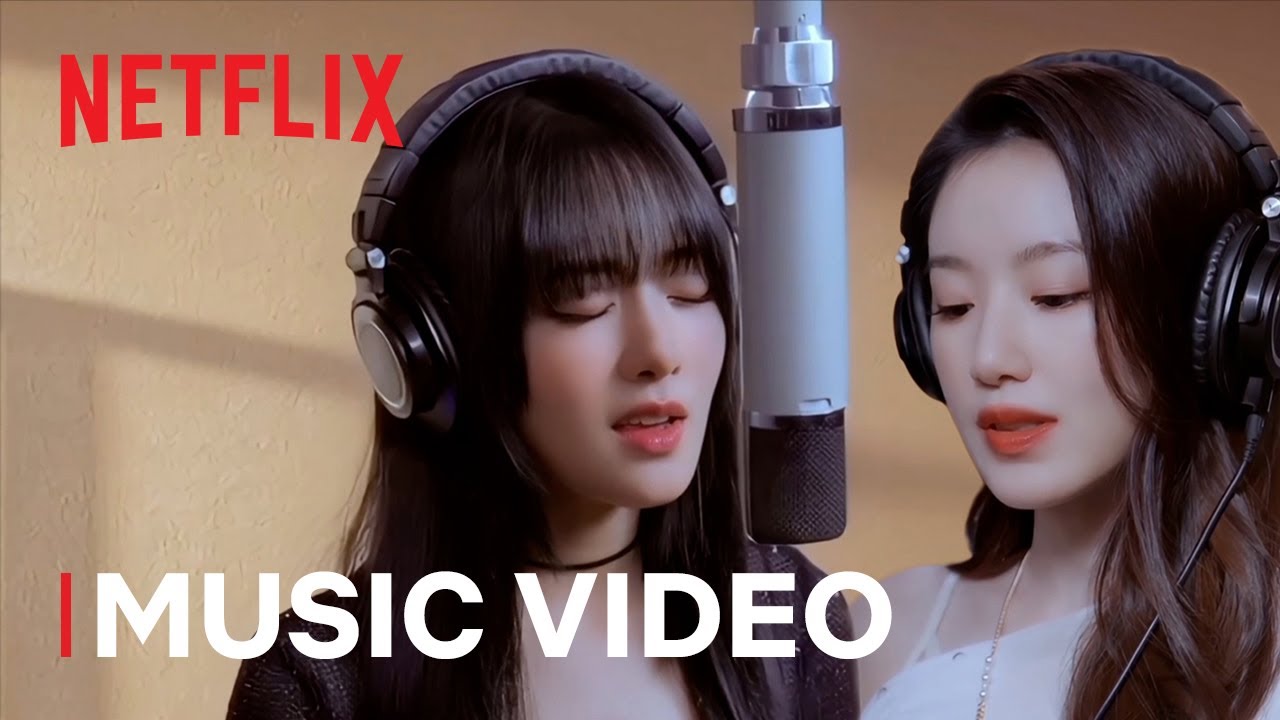
Release file
Released: October 9, 2025
Runtime: 03:41
Label / channel trail: Netflix
Sound: Minnie and Shuhua were asked to open a Taiwanese revenge drama and answered with a song that sounds like grief walking toward a fire on purpose.
Sources: Exact official playlist uploadDaily+129Total views278.6K.
Minnie and Shuhua were asked to open a Taiwanese revenge drama and answered with a song that sounds like grief walking toward a fire on purpose.
Artists: Minnie and Shuhua of i-dle
Released: October 9, 2025
Series: Netflix’s Taiwanese drama The Resurrected
Producer and arranger: Cheng Ji-hao, credited as Howe
Composer: Hubert Ng
Lyrics: Andr, Wonderful and Hubert Ng
Director: Kuang Sheng
RaeRae verdict: grief with smoke already under the door
What changed every time I replayed it
First play: Minnie arrived first in my brain because her voice naturally carries fog, temptation and one bad thing waiting behind a beautiful door. Then Shuhua entered with less decoration and more weight. The duet stopped sounding like one singer plus support and started sounding like two stages of grief arguing about what happens next.
Second play: I noticed how little the production begs for attention. No giant soundtrack drum arrives to announce that feelings are occurring. Howe builds pressure with restraint. The instrumental keeps tightening while the vocals remain clear enough to hear each woman choose where to breathe.
Third play: The fire imagery became less empowering and more dangerous. Light usually promises truth, purity or rescue. Here, reaching it may require burning away the person who existed before the loss. That is not a makeover. That is a cost.
Fourth play: Shuhua became the center of my replay. i-dle songs have not always given her enough room to hold atmosphere. This track does. She does not imitate Minnie’s haunted color. She answers it with steadiness, which keeps the duet from collapsing into one long beautiful ache.
Fifth play: I wanted one section where they confronted each other directly. The arrangement alternates and layers them, but it never fully lets the two voices collide. A call-and-response bridge could have turned emotional contrast into an actual argument.
Where I landed: The song does not need a larger chorus. It needs one sharper interpersonal moment. Even without it, this is a real Minnie–Shuhua unit song, not soundtrack paperwork with two famous names stapled on top.
Meaning: the drama makes the fire morally complicated
The Resurrected follows two grieving mothers who bring a scam ringleader back from death so they can punish him for what happened to their daughters. That premise already refuses the clean revenge fantasy. Resurrection does not restore the daughters. Punishment does not return either mother to the woman she was before the loss. The ritual only gives grief a body it can hit.
That context changes the title. “Burn me into the light” can sound like transformation if you remove it from the story. Inside this world, it sounds closer to a bargain. The speaker wants truth, release or justice badly enough to risk being consumed by the route toward it. Light may expose the crime. Fire may also destroy the person carrying it.
At the macro level, revenge stories become popular when institutions fail. Courts, police, employers, schools and families tell wounded people to wait politely while power protects itself. Fiction creates the punishment reality delays. The pleasure is understandable. The danger arrives when pain becomes the only moral authority left in the room.
At the interpersonal level, the mothers’ bond matters because shared grief can become care or mutual escalation. One person can pull another back from the edge. She can also confirm that jumping is reasonable. The duet’s two voices hold that tension. Minnie sounds pulled toward the flame. Shuhua sounds ready to walk beside her, which may be loyalty, danger or both.
Minnie carries the haunting; Shuhua carries the ground
Minnie has the immediately recognizable color. Her voice can sit close enough to feel like a whisper and still leave the room unsafe. She handles the dreamlike atmosphere without letting it dissolve into fog. Her phrases bend toward the note as if memory keeps changing the destination.
Shuhua gives the song its spine. Her lower, steadier delivery does not fight Minnie for the same emotional territory. She makes the words feel decided. That contrast matters because grief is not one feeling. It can tremble in one sentence and become terrifyingly practical in the next.
This is why I reject the idea that Shuhua functions as a guest inside Minnie’s scene. The duet depends on unequal textures. If both singers floated, the song would lose gravity. If both attacked, it would lose dread. Minnie opens the wound. Shuhua makes us look at what the wound intends to do.
The production builds pressure instead of chasing a climax
Howe performs the instruments, produces the track and handles the studio arrangement. The instrumental avoids the usual television-ballad trap where every quiet opening eventually gets sentenced to enormous drums. It grows, but it does not mistake volume for moral importance.
LAWA arranges the background vocals and joins Minnie and Shuhua in the backing layers. Those layers widen the room without covering the leads. Ziya Huang’s mix keeps the individual colors readable inside the darker production, while Chris Gehringer’s mastering gives the final sections enough scale for a drama opening without sanding off every quiet detail.
The strongest choice is restraint. The weaker choice is the lack of a true vocal confrontation. The song builds toward emotional heat, yet the arrangement rarely lets Minnie and Shuhua answer each other line by line. I wanted one bridge where haunted uncertainty met hard resolve and neither voice backed away.
The video extends the drama instead of selling an idol set
Director Kuang Sheng uses pain, fire, ritual, memory and confrontation as extensions of the series. Minnie and Shuhua do not stand beside random expensive props waiting for close-ups. The images place them inside the drama’s moral weather.
Fire does several jobs at once. It punishes, cleanses, exposes and consumes. Ritual gives private pain a formal shape, which is what people often seek when ordinary language fails. Memory appears less like comfort than evidence that refuses to leave the scene.
The official credits identify Xin-Xiang Wang as an AI compositor. That belongs in the review because viewers deserve plain production information. The credit does not erase the director, performers, compositors or post-production team. It does mean the production chose AI-assisted imagery, and naming that choice matters more than pretending the pixels arrived by immaculate conception.
Symbols and details worth carrying out of the fire
- Fire: not simple empowerment, but the cost of turning grief into action.
- Light: truth and release, but also exposure. Nothing reaches it unchanged.
- Resurrection: a false reversal. The villain returns, but the lost daughters do not.
- Two voices: grief as atmosphere and grief as resolve. The duet works because the singers do not process pain the same way.
- Ritual: an attempt to impose order on loss when institutions and ordinary mourning offer none.
- The restrained climax: revenge does not deliver clean catharsis, so the music refuses to fake one.
What I love and what I still want
What works
- Minnie and Shuhua keep distinct vocal identities.
- The arrangement serves the drama instead of chasing a generic idol chorus.
- Shuhua receives enough space to establish tone and presence.
- The song connects vengeance to grief instead of treating revenge as empty spectacle.
- The production credits identify the human and AI-assisted work plainly.
What needed more
- One direct call-and-response section between the singers.
- A clearer visual bridge for viewers who do not know the series.
- One musical rupture that shows the moral cost becoming irreversible.
RaeRae verdict
“Burn Me Into the Light” proves a Minnie and Shuhua unit can carry more than novelty. Minnie supplies the haunted edge. Shuhua supplies the resolve. Together, they sound like two women who have decided grief will not remain quiet, even if the noise burns them too.
Best part: Shuhua grounding Minnie’s spectral color.
Biggest complaint: the duet never becomes a full vocal confrontation.
Replay danger: high when I want atmosphere with actual moral weight.
Final rating: 8.6/10.
Receipts
- Netflix official music video and production creditsDaily+129Total views278.6K
- Netflix official page for The Resurrected
Bottom line
Verdict: This release earns its React because the performance and visual choices keep revealing more than the hook alone can explain.