
“Born Again”: Lisa, Doja Cat and RAYE Held a Funeral for the Woman Who Kept Taking Him Back
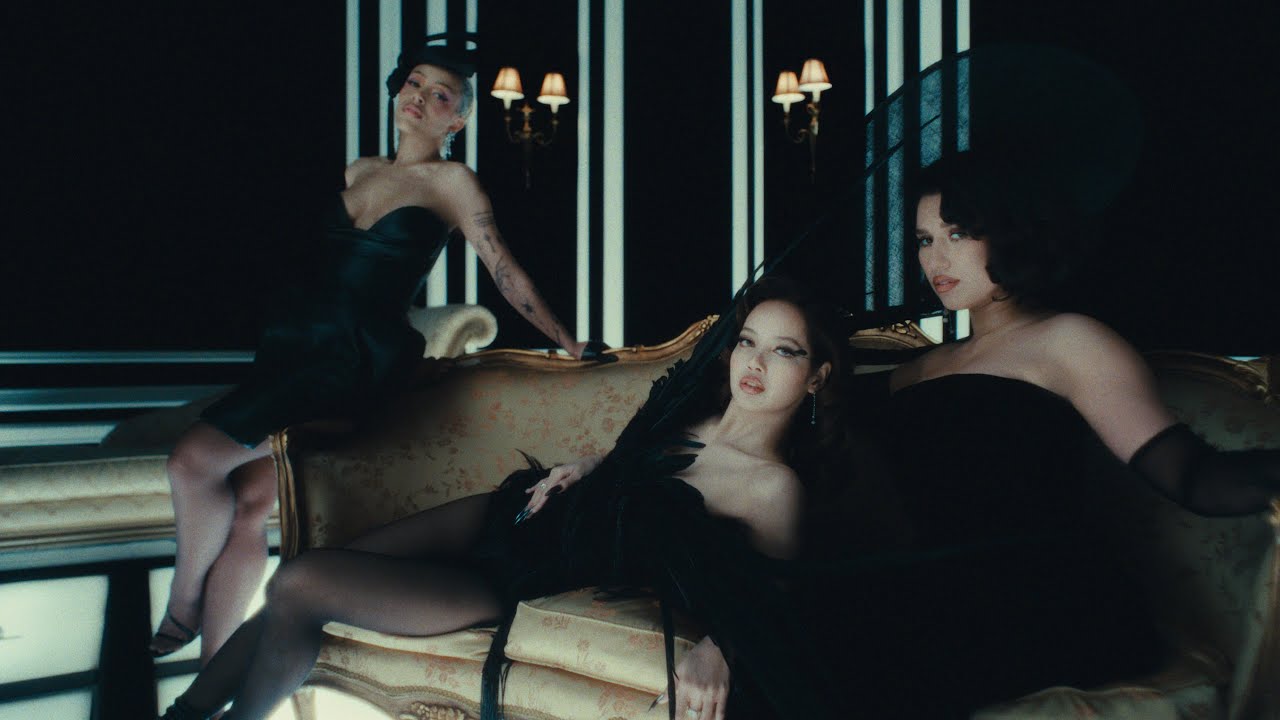
Three women in black, one useless ex, a five-part rebirth ritual and enough fashion editorial energy to make grief look like it came with a creative director.
Release file
Released: February 7, 2025
Runtime: 04:04
Label / channel trail: LLOUD Official
Sound: Three women in black, one useless ex, a five-part rebirth ritual and enough fashion editorial energy to make grief look like it came with a creative director.
Sources:  Exact official playlist uploadDaily+77.6KTotal views155.3M.
Overall vibe
“Born Again” is breakup liberation dressed for an expensive wake. The groove pulls from disco-pop and British soul, using live-feeling bass, bright rhythm and a chorus built to lift the room rather than hit it with a drop. That choice immediately separates the track from the harder electronic pieces surrounding Lisa’s Alter Ego campaign.
The central idea is rebirth after a relationship: the old woman who tolerated the man is dead, and the person leaving the funeral is freer, sharper and no longer interested in explaining the loss. Director Bardia Zeinali gives the transformation a fashion-film structure divided into chapters, moving the trio from mourning black toward armored white.
The hook vibe
RAYE’s melodic instincts are all over the chorus—long lines, theatrical release and the pleasure of a phrase landing exactly where the bass opens. It feels grown rather than girlish, wounded without begging.
What I love
The three voices do not pretend to be one group. Lisa is cool and precise, Doja elastic and sly, RAYE smoky and dramatic. The video lets those differences coexist inside one visual religion.
What I wanted more of
Lisa needed one section that only she could have written or performed. The track is strong, but RAYE’s vocal identity and songwriting architecture are so distinct that the collaboration can feel borrowed. Lisa delivers well; I wanted a Thai, rhythmic or personal detail that moved the center of gravity back toward the artist whose album this introduces.
The video also uses female-power iconography so beautifully that it risks becoming generalized. Apples, armor, veils and goddesses carry centuries of meaning. One image tied specifically to Lisa’s own rebirth—from YG-managed soloist to LLOUD founder—would have made the ritual more personal.
The lyrics: a eulogy with better lighting
The narrator tells an ex that losing her forced a rebirth. She is not asking him to regret the breakup so they can reunite; regret is his punishment, and transformation is hers. The phrase “born again” reframes romantic failure as identity change rather than damage requiring repair.
Doja Cat’s verse adds wit and sexual confidence. RAYE supplies the emotional authority of someone who has already walked through the fire. Lisa’s tone brings controlled distance—the version of the survivor who has finished crying before entering the room.
The five-part video transformation
Easter eggs and symbols worth keeping
- The apple: an Eve reference, but the video refuses the shame attached to the original story. Knowledge becomes freedom.
- Black-to-white movement: not innocence restored; identity remade after the funeral.
- Armor and metalwork: femininity is not exchanged for protection. The decoration is the protection.
- Three-woman formation: rebirth is communal, witnessed and amplified rather than a lonely self-help montage.
- Editorial chapters: the pacing resembles a magazine story, fitting three artists whose fashion identities are part of the performance.
The director and the women-behind-women feeling
Bardia Zeinali directed the video, with styling credits including Eniola Dare and Zerina Akers. His visual work often treats celebrity, fashion and humor as narrative tools rather than decoration. Here, the editorial form gives the song’s empowerment language a physical sequence.
Lisa described the video as a tribute to powerful women throughout history. That intention explains the mythic references and the refusal to center the ex visually. He exists as a cause in the lyrics, not a man receiving screen time as a reward for disappointing them.
The backstory: why this collaboration sounds like a supergroup
“Born Again” was released through LLOUD and RCA ahead of Alter Ego. RAYE’s presence is especially important because her songwriting and vocal phrasing shape the song’s spine; Doja Cat brings a contrasting rap texture; Lisa supplies the project context and performance center. The result behaves like a temporary three-member group assembled for one extremely well-dressed exorcism.
That balance is also the vulnerability. Collaboration should let guests matter, but the main artist still needs a reason the song lives on her album. The visual branding and Lisa’s controlled performance provide that reason more strongly than the composition itself.
Official links and receipts
- LISA feat. Doja Cat & RAYE: “Born Again” official videoDaily+77.6KTotal views155.3M
- Sony Music: official single and Alter Ego announcement
- Lisa official site
- CVM Sekai Lisa profile
- CVM Sekai BLACKPINK profile
Bottom line
Born Again succeeds when LISA, Doja Cat and RAYE turn leaving a repeated mistake into ceremony. The funeral styling is glamorous enough to risk romanticizing the cycle, but three distinct voices keep shifting the power: control, mockery and full-throated release occupy the same procession.
What changed every time I replayed it
Replay one follows the bass and gospel-adjacent lift. Replay two separates the vocal functions instead of ranking the women. Replay three watches black-and-white funeral imagery move from mourning toward disposal. The fourth replay catches the restraint: nobody needs a competitive high-note duel to prove the collaboration is substantial.
The exact file matters
The official music video is kbEC-AGr9n0. The earlier post embedded kbEC-AGr9n0, which did not match the audited release. Exact IDs prevent an attractive title match from being mistaken for verified evidence, especially when teasers, audio files and mirrors circulate beside a primary MV.
Three performers, three relationships to the ex
LISA controls the frame through rhythmic clarity. Doja Cat brings conversational danger and the sense that mockery can be self-defense. RAYE adds weight and melodic consequence. Their differences make the narrator feel collective without becoming anonymous. The song does not claim every woman endured the same story; it creates a shared ritual for refusing repetition.
The counterargument
Luxury funeral imagery can make emotional harm look collectible. That criticism is strongest when the camera lingers on objects instead of decisions. The singers resist by keeping irritation and humor audible. Beauty becomes the container, not the moral of the relationship.
What I would change
Let the final chorus break the visual symmetry. A ceremony about ending a pattern should damage one perfect composition before the last frame.
Canonical profiles
Receipts
LISA’s official Born Again music videoDaily+77.6KTotal views155.3M
The arrangement refuses a winner
A three-star collaboration can become a contest organized by fan edits. The record avoids that trap by assigning different dramatic jobs. LISA establishes control, Doja Cat destabilizes it through wit and rhythmic elasticity, and RAYE turns private irritation into melodic release. Removing any one function would flatten the procession. Equal value does not require identical bars or one impossible scoreboard.
The harmonies matter because they briefly let separate narrators occupy the same refusal. Nobody is absorbed into a generic backing choir; individual grain remains audible at the edges. That production decision supports the song’s implied solidarity. The women agree on ending the pattern without claiming their experiences, voices or methods are interchangeable.
The title changes the funeral
“Born again” could imply purity after leaving, but the performance is more complicated. The narrators keep humor, vanity and anger. They do not emerge as spotless moral symbols; they emerge with agency and a better guest list. That refusal of sanctified healing makes the funeral imagery more playful and less interested in punishing women for having stayed too long.
Replay verdict
The file earns replay through contrast: black-and-white ceremony, colorful vocal identities, solemn staging and lyrics with a smirk. Its luxury can still aestheticize damage, but performance keeps redirecting attention toward decision. The burial is not for a man so much as for the version of repetition that kept receiving invitations.
RaeRae verdict
LISA, Doja Cat and RAYE Born Again React covering the funeral concept, vocal roles, exact video, replay changes and verdict.