
Bora: HUTA Made the Camera Chase Him Through the Room
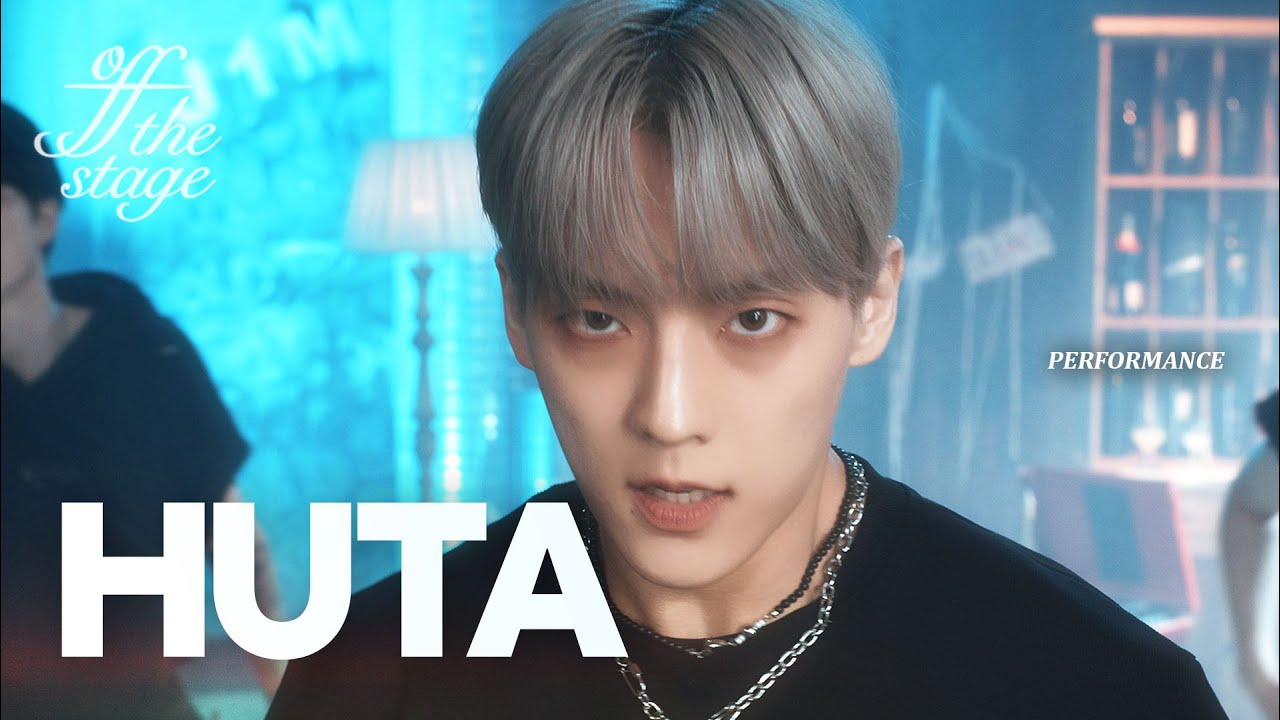
HUTA named the song “Bora,” the Portuguese word for “let’s go,” then gave it a beat that does not wait for a second invitation. The CHK CHK performance starts close enough to count the links on his chain before the dancers arrive and turn a private after-hours room into a full stage.
- Performance File
- The larger meaning: the song comes first
- HUTA Wrote for His Own Body
- One Room, One Restless Camera
- The Choreography Knows When to Flex
- Voice Against Movement
- What Worked
- Where It Could Hit Harder
- RaeRae verdict
- Sources
Performance File
- Artist: Lee Minhyuk (HUTA) of BTOB
- Song: “Bora”
- Album: HOOK
- Song released: July 21, 2025
- Off The Stage performance released: July 29, 2025
- Lyrics: Lee Minhyuk (HUTA)
- Composition: Lee Minhyuk (HUTA) and Universe
- Arrangement: Universe
- Runtime: 2 minutes, 16 seconds for the studio track
The larger meaning: the song comes first
“Bora” uses a baile-funk rhythm without burying it under a crowded K-pop arrangement. The low end repeats, vocal chops keep clipping across the beat, and the electronic synths arrive as short jolts instead of a soft background wash. It is lean enough that HUTA has nowhere to hide.
That is the correct risk for him. His delivery moves between rap, sung phrases, and breathy commands without pretending those are three different songs. The hook is deliberately simple. “Bora” is an instruction, a rhythm sound, and the point where the choreography flexes with him.
HUTA Wrote for His Own Body
In his Korean comeback interview, HUTA described the song as one that made his body follow the rhythm from the first listen. That explanation matches the writing. The phrases leave space for breath and movement, while the beat supplies the momentum that a longer melody would normally carry.
He also wrote the lyrics and co-composed the track. That matters here because “Bora” does not sound like a generic dance demo handed to the member who could survive the choreography. Its short lines, lower vocal placement, and sudden changes between restraint and force fit the way he performs.
One Room, One Restless Camera
Off The Stage places him in a dim industrial lounge filled with glass bottles, lamps, exposed ductwork, smoke, and red-blue light. HUTA begins alone in a fitted black shirt while the camera circles close, drops low behind a decanter, and lets him look directly into the lens. The room feels less like a set waiting for choreography and more like somewhere the performance interrupted.
When the dancers appear, the camera backs away just enough to reveal the formation. It keeps moving instead of settling into a safe front view. HUTA sometimes reaches toward it as if he is pulling the viewer through the room. The lens becomes a scene partner, not a broadcast camera politely documenting counts.
The Choreography Knows When to Flex
HUTA said the performance depends on power, energy, and controlled changes in intensity. The hook includes a muscle-flex gesture, and the video does not pretend the reference is subtle. He has built physical strength into his HUTA stage identity for years. Here, the move lands on the rhythm instead of stopping the performance for a bodybuilding pose.
The dancers repeat smaller punches, shoulder rolls, and compact steps around him. Their all-black styling keeps the focus on shape. The best moments are not the biggest ones. They are the counts where the group drops its weight together, pauses, and lets the next bass hit restart the room.
Voice Against Movement
The performance track keeps HUTA’s recorded voice forward, so this is not useful evidence for judging a live vocal. It is useful evidence for judging how well the recording supports movement. His consonants cut through the bass, and the sung phrases remain clear even while the instrumental strips back.
The short runtime helps. “Bora” does not add a bridge merely because pop structure expects one. It reaches the hook, changes the camera distance, brings in the dancers, and leaves before the central rhythm can become furniture.
What Worked
- The baile-funk base stays audible instead of disappearing under extra production.
- HUTA’s rap and singing occupy the same rhythmic pocket.
- The roaming camera turns a small room into part of the choreography.
- The dancers arrive after the solo opening, so the performance grows with the track.
- The flex gesture is knowingly HUTA without interrupting the hook.
Where It Could Hit Harder
The song’s economy is also its limit. The hook repeats an effective idea, but the final section does not reveal a second one. A sharper instrumental break or one longer vocal passage could have raised the temperature before the ending.
The moving lens creates intimacy, although it occasionally passes too close to show the full footwork. That is the trade: this version gives us HUTA controlling the room, while the separate dance practice remains the better place to study every count.
RaeRae’s Verdict
“Bora” is two minutes of HUTA refusing to over-explain why everybody should move. The beat says go, his body agrees, and the camera spends the performance trying to keep up.
He did not need the fake boxing ring from the music video this time. One crowded room and a lens brave enough to stand within grabbing distance were enough.
Sources
- CHK CHK official Off The Stage performance and publication dateDaily+20Total views232.5K
- BTOB COMPANY official music video and album informationDaily+265Total views1.9M
- Apple Music song credits
- Bugs Korean album notes and credits
- Korean comeback interview: HUTA on the rhythm, choreography, and producing HOOK
- BTOB COMPANY Korean behind-the-scenes archive
Watch the exact official video
Release file
Released: July 29, 2025
Runtime: 03:14
Label / channel trail: CHK CHK (촉촉)
Sound: HUTA named the song "Bora," the Portuguese word for "let's go," then gave it a beat that does not wait for a second invitation. The CHK CHK performance starts close enough to count the links on his chain before the dancers arrive…
Sources: Exact official playlist uploadDaily+20Total views232.5K.
Release file
Released: July 29, 2025
Runtime: 03:14
Label / channel trail: CHK CHK (촉촉)
Sound: HUTA named the song "Bora," the Portuguese word for "let's go," then gave it a beat that does not wait for a second invitation. The CHK CHK performance starts close enough to count the links on his chain before the dancers arrive…
Sources: Exact official playlist uploadDaily+20Total views232.5K.
One continuous room changes the pressure
The Off the Stage concept removes the safety of unrelated beauty shots and asks HUTA to carry momentum through connected space. Even when the edit cuts, the camera behaves like it is trying to keep up rather than waiting at a marked destination. That pursuit makes the performance feel slightly dangerous. He is not presenting choreography to a seated lens; he is dragging the lens into the rhythm and forcing it to negotiate furniture, distance, and speed.
HUTA understands how rap becomes movement
Lee Minhyuk’s strongest performance habit is finishing rhythm with the body. A consonant may land in the shoulder, a pause may become a held stare, and a change in flow may redirect his path across the room. The technique prevents “Bora” from separating into vocal section and dance section. Rap phrasing supplies choreographic information, while movement makes the internal rhyme readable even to a viewer who is not following every Korean line.
The vocal control keeps charisma from becoming noise
HUTA can perform at a level of intensity that risks flattening every moment into the same command. Here, smaller vocal choices create contrast. He lets breath, tone, and conversational phrasing reduce the temperature before the next physical accent arrives. That control is why the camera chase works. If every second demanded maximum attention, motion would become visual shouting. Instead, the performance contains places for the viewer to catch up and be caught again.
Off the Stage is more useful than another perfect box
A clean studio performance can document choreography, but this format documents adaptability. HUTA responds to walls, depth, lens distance, and the awkward intimacy of a camera entering his path. The result feels authored rather than merely captured. My reservation is that the pursuit occasionally calls attention to the operator more than the song. Most of the time, however, that instability becomes the point: control is visible because the environment keeps refusing to stay neutral.
What changed every time I replayed it
First replay, I followed HUTA’s face and missed how much his shoulders were marking the beat. Second replay, the camera path became a duet rather than coverage. Third replay, the quiet vocal transitions mattered more than the largest moves. By the fourth, I noticed how often he changes direction immediately after a phrase, turning punctuation into blocking.
Bottom line:
“Bora” works in the Off the Stage format because HUTA treats the room, camera, voice, and choreography as one rhythmic system. The performance is athletic without becoming a fitness demonstration, and controlled enough that every burst of charisma has somewhere to land.
Verified sources
- Exact official videoDaily+20Total views232.5K
- Apple Music: Bora release listing
- BTOB Company: HUTA behind content
Follow the canonical artist profile
HUTA (Lee Minhyuk)’s canonical member-and-artist profile preserves his BTOB status, solo chronology, authorship, current releases and exact official-video tracker.