
Group profile
| Members | Zico, Taeil, B-Bomb, Jaehyo, U-Kwon, Park Kyung and P.O |
|---|---|
| Debut | April 15, 2011 |
| Current status | Seven-member group in an extended individual-activity chapter |
| Fandom | BBC |
K-pop group file · seven individual careers · one magnificently unruly catalogue
Block B
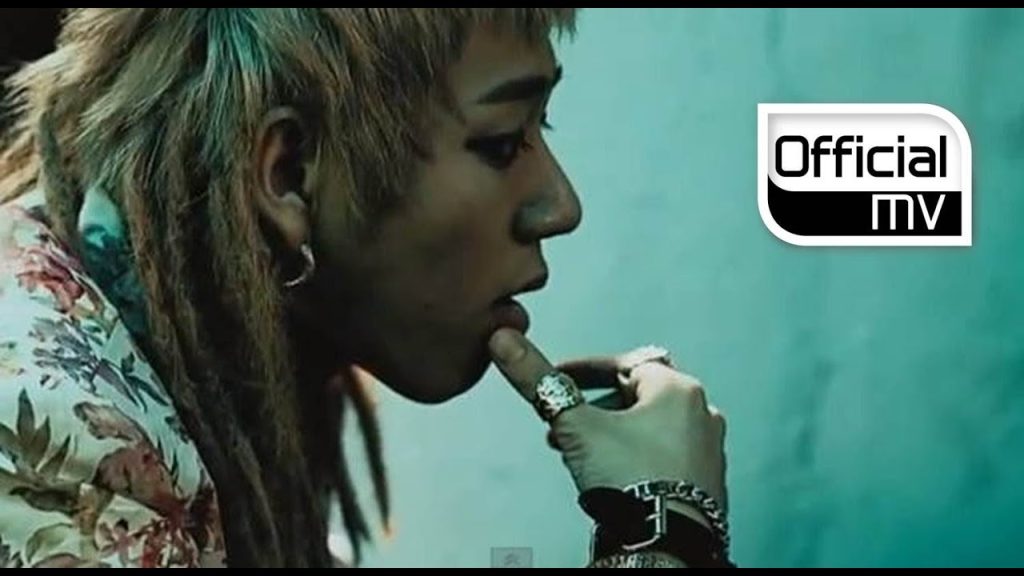
This Block B profile follows Zico, Taeil, B-Bomb, Jaehyo, U-Kwon, Park Kyung and P.O from a chaotic 2011 debut through self-produced breakthroughs, a company fight, subunits, solo careers, military service and a group identity that did not evaporate when seven contracts stopped sharing one office.
RaeRae take
Block B made bad behavior sound organized. Their best songs are full of horns, taunts, sharp vocal turns and choreography that looks as if somebody dared the group to commit harder. Under the noise is careful construction: a rap line with separate personalities, singers who can lift a hook above the percussion, and performers willing to look ridiculous without losing authority.
Meet the members
Zico
Leader · rapper · producer. The architect with the notebook, the beat file and several competing opinions about where the snare belongs. His solo career became enormous, but Block B remains part of the artist identity he built. Open Zico profile.
Taeil
Main vocalist. A compact human siren whose high notes give the group’s rowdiest productions an emotional ceiling. His technical control is the reason a rap-heavy track can suddenly open into melody. Open Taeil profile.
B-Bomb
Vocalist · main dancer. Precision hiding inside looseness. He makes Block B’s deliberately rough choreography land on the count and later brought that control into the BASTARZ subunit. Open B-Bomb profile.
Jaehyo
Vocalist · visual. The cleaner vocal and visual contrast inside a group that enjoys looking like it slept in a very fashionable alley. His quieter humor often arrives after the louder members have exhausted the room. Open Jaehyo profile.
U-Kwon
Vocalist · dancer. A performance specialist with dangerous facial expressions and the useful habit of treating every concept as if hesitation has been outlawed. He is also part of BASTARZ. Open U-Kwon profile.
Park Kyung
Rapper · songwriter · producer. The sharper, more needling half of Block B’s central rap conversation. His phrasing, wit and production work keep him distinct from Zico rather than cast as a smaller copy. Open Park Kyung profile.
P.O
Rapper · actor · youngest member. A basement-deep voice, theatrical instincts and comic timing large enough to occupy variety shows, dramas and BASTARZ without losing the lovable menace of Block B’s youngest member. Open P.O profile.
Block B at a glance
Block B debuted on April 14, 2011. The group name comes from “blockbuster,” which fits seven men who rarely approached a chorus as a private conversation. Their fandom is BBC, short for Block B Club, with bees becoming an affectionate visual motif around the group and its fans.
The official seven are Zico, Taeil, B-Bomb, Jaehyo, U-Kwon, Park Kyung and P.O. Agency departures and solo representation changed where the members conduct individual business; they did not retroactively create a revolving-door lineup.
Why the seven-member language matters
K-pop databases often turn “not currently under the original label” into “former member” because contract status is easier to scrape than human intention. Block B is exactly where that shortcut fails. Members left Seven Seasons or built careers elsewhere while continuing to identify with the group and speak about future work together.
A useful profile can say the group has been intermittently active and administratively scattered. It does not need to stage an imaginary breakup for the convenience of a status field.
The sound: hip-hop with theatrical reflexes
Block B began from a hip-hop center, but the catalogue is too playful to stay inside one purist lane. Brass, dance beats, rock energy, funk, swing, trap and pop melody appear whenever they can make a personality hit harder. The rap line often controls the point of view while the vocalists expand the emotional scale.
The group’s defining trick is contrast. A track can feel dangerous and funny, polished and dirty, technically exact and socially out of control. Those tensions are not defects being negotiated. They are the Block B signature.
Formation and 2011 debut: rough wiring
“Freeze!” introduced Block B with styling and sound that already favored attitude over careful rookie sweetness. Do U Wanna B? and the New Kids on the Block mini album established the rap-forward foundation through songs including “Wanna B,” “Tell Them” and “Halo.”
The first year did not yet contain the complete version of the group. It did reveal seven performers more interesting when allowed to argue with the beat than when placed inside a standard idol introduction.
2012: NalinA finds the correct level of trouble
Welcome to the Block was the first release where the group’s self-produced personality felt unavoidable. “NalinA” used horn blasts, heavy drums, chant hooks and a rival-crew video whose supposed gangsters perform a move suspiciously close to an angry chicken.
The comedy never cancels the threat because everybody commits. Zico and Park Kyung trade contrasting rap colors, P.O drops the floor with his voice, Taeil opens the melodic ceiling, and the dance line makes foolishness look rehearsed enough to become iconic.
Blockbuster and the pirate ship
The first full album, Blockbuster, pushed the group toward the theatrical scale most listeners now associate with Block B. “NILLILI MAMBO” combined pirate-film excess, orchestral gestures, rap swagger and a hook designed to enter a room several seconds before the members.
“Mental Breaker,” “Movie’s Over” and the rest of the album widened the emotional file. Block B could be comic and aggressive, then hand Taeil a solo such as “Where Are You?” without pretending those sounds belonged to different organizations.
The company dispute was not a dramatic concept
In early 2013, the members sought to suspend their contracts with Stardom Entertainment, alleging unpaid earnings and failures in management. The legal process did not deliver the simple courtroom victory fans might expect, but the relationship was finished. The seven later moved together under Seven Seasons.
That sequence matters because “the group changed companies” sounds smooth enough to erase what they risked. Seven young artists challenged a structure they said was not paying them correctly and kept the complete lineup together through the fallout.
Very Good: chaos with a bank-vault address
The 2013 return placed the members inside a robbery concept with clown masks, bright suits and enough color to make subtlety file for evacuation. “Very Good” is built around shouted confidence and rock-inflected force, but its real appeal is how differently the members occupy the same mayhem.
Zico’s authority, P.O’s low attack, Kyung’s nasal edge and the vocal line’s lift make the track feel cast rather than merely distributed. The group did not come back chastened. It returned with a larger amplifier.
H.E.R. proves cute was never the enemy
“H.E.R” moves into bright pop, comic-book color and open infatuation without forcing Block B to act as if personality has been confiscated. The hook is sweet; the delivery remains strange enough to belong to them.
This matters because versatility is not wearing a new costume over the same neutral performance. Block B takes a lighter song and leaves fingerprints all over it—awkward faces, outsized gestures and vocal choices too specific for a generic summer single.
Toy and the sadder room
“Toy” strips away much of the group’s public chaos and lets emotional damage occupy the center. The song uses restraint, repeated melodic pressure and lyrics about accepting disposable treatment while still reaching toward the person causing it.
Taeil, Jaehyo, B-Bomb and U-Kwon become essential to the argument, while the rappers lower their temperature without losing identity. It is one of the clearest demonstrations that Block B’s loudness was a choice, not the only tool available.
Yesterday and the comedy of being cheated on
Park Kyung’s “Yesterday” gives the group a bright, retro-pop frame while the lyric follows a narrator slowly recognizing that his girlfriend’s stories make no sense. The members play suspicion and denial with the exact amount of foolishness the premise deserves.
A cheating song can wallow in betrayal. Block B instead gives the victim a magnifying glass and lets the audience notice he may be the last person in town to understand the evidence.
Shall We Dance and Don’t Leave
“Shall We Dance” brings funk and groove into a performance built for individual swagger. “Don’t Leave” answers from a more vulnerable place, using space and regret instead of another explosive boast. Together they show the late group catalogue refusing a single farewell tone.
The 2018 Re:MONTAGE era became the last major Korean group release before enlistments and individual schedules widened the gaps. A quiet discography is not the same thing as a closed one.
BASTARZ: the dangerous side room
P.O, U-Kwon and B-Bomb form Block B BASTARZ, a subunit that concentrates performance bite, low-end force and a more explicitly adult edge. “Zero for Conduct” arrives like a disciplinary hearing already on fire; later work gives the three members more writing and production participation.
The subunit does not contain the “real” troublemakers while the parent group behaves. It is a focused arrangement of three colors that already matter inside Block B.
T2U: vocals get the keys
T2U pairs Taeil and U-Kwon for Japanese activity centered more directly on singing. The unit makes visible a fact the louder title tracks can obscure: Block B’s vocal identity is not one main singer carrying six decorative microphones.
Taeil supplies range and emotional force. U-Kwon brings a lighter tone and stage movement. Together they reveal another internal path through the same seven-member group.
Zico outside Block B
Zico became one of the most influential producers and solo rappers associated with idol music, founded KOZ Entertainment and built a catalogue that travels from hard rap to songs such as “Any Song.” His success changes the balance of public attention around Block B without deleting the group.
The correct profile gives him both identities. Treating Block B as an embarrassing preface to a “real” solo career misunderstands how much of his production language was developed in public with these six collaborators.
The other individual careers
Taeil pursued solo vocal releases and concerts. Park Kyung wrote, produced and released his own music. P.O expanded through acting, variety and theater. U-Kwon developed dance, musical and solo work. B-Bomb released music and performed. Jaehyo explored broadcasting, gaming and individual appearances.
Not every career produces identical headline volume. A member page should document the work that exists without turning lower media visibility into lower membership status.
Military service and the long pause
Mandatory service arrived on different schedules, breaking the possibility of a normal group calendar. By the time all seven had completed service, their agency arrangements and individual careers had also changed. The pause therefore cannot be explained by one cause or one secret meeting.
Reunions and anniversary appearances matter because they show a continuing relationship. They do not automatically promise a full comeback date, and the archive should not manufacture one to make the timeline feel tidier.
Current status: seven members across several agencies
Modern K-pop increasingly contains groups whose members conduct solo work through different companies. That arrangement demands negotiation around schedules, rights, trademarks and distribution, but it is not structurally impossible. Block B’s situation belongs in that wider shift.
Fans can hope for new music while recognizing that seven adult careers are harder to align than a rookie dorm schedule. Patience is not proof of a contract, but silence is not proof of disbandment either.
Stardom, Seven Seasons and the paperwork behind the names
Block B debuted through Brand New Stardom, usually shortened to Stardom Entertainment in English coverage. After the contract dispute, the seven resumed activity through Seven Seasons, a company created to manage the group. Seven Seasons later became connected to KQ Entertainment, while members gradually placed individual careers with other agencies or independent structures.
Those names belong in the history because management shaped when music could happen. They should not be used as substitute members. A label logo did not rap on “NalinA,” sing the bridge of “Toy” or perform the choreography.
The catalogue has more doors than the title tracks
The Korean releases move from Do U Wanna B? and New Kids on the Block into Welcome to the Block, Blockbuster, Very Good, H.E.R, Montage and Re:MONTAGE. Japanese releases and versions add another route, while BASTARZ, T2U and seven solo catalogues branch outward.
That structure is why one flat list becomes useless quickly. The hub keeps the group spine visible; member profiles hold personal discographies; exact-video React cards return each review to the people who actually participated.
Variety skill was part of the group chemistry
Block B’s humor is not limited to acting wild in music videos. Members learned how to interrupt one another, exaggerate a grievance, surrender dignity and give the quietest person room to land a late joke. P.O’s theatrical warmth, Jaehyo’s beleaguered reactions and Taeil’s compact unpredictability work because the louder rappers do not own every comic beat.
That variety chemistry helped audiences understand why the musical contrasts felt natural. The songs sound like seven people with different instincts negotiating the same room, and the non-musical footage repeatedly proved that description was not invented by a press release.
The performance language
Block B choreography often prioritizes character, groove and memorable gestures over pretending every shoulder belongs to one machine. The dance line supplies precision, while the rappers and vocalists are allowed to perform through their own physical habits.
That freedom is why a move such as the “NalinA” gorilla dance sticks. It looks like something this group would invent, not an impressive sequence temporarily rented from a choreography studio.
Voice map
Taeil provides the strongest high-register power. Jaehyo adds a smoother vocal color. B-Bomb and U-Kwon connect melody to movement and carry crucial transitions. Zico is rhythmically commanding and production-minded; Park Kyung is nimble, nasal and mischievous; P.O’s low register supplies instant physical contrast.
Line distribution is not always equal, especially in early title tracks. The useful question is not whether everybody received the same number of seconds, but whether releases continued finding better ways to use seven genuinely different instruments.
Where to start
Choose “NalinA,” “NILLILI MAMBO” and “Very Good” for the group at maximum theatrical volume. Use “H.E.R” and “Yesterday” for bright personality, “Toy” and “Don’t Leave” for emotional restraint, and “Shall We Dance” for groove. Then enter BASTARZ if the bass still feels insufficiently rude.
The catalogue rewards release-order listening because the growth is audible. Styling improves, production expands and the group learns that vulnerability can be as identifiable as a shout.
Rant: inactivity is not permission to rewrite people
A profile should not wait for a press release titled “Please Continue Calling Us Members.” Block B’s seven names have history, public statements and reunion evidence behind them. Labeling people “former” because they signed solo contracts elsewhere turns administrative convenience into false biography.
If the status changes, this page should change with dated evidence. Until then, precision means saying intermittently active, seven-member identity and separately represented—not staging a breakup by spreadsheet.
Why Block B still matters
The group helped normalize a model where idol performance and member-led hip-hop production could occupy the same loud room without one being treated as marketing camouflage. Later groups inherited a wider range of acceptable rap voices, facial expressions and deliberately unruly concepts.
Influence is rarely one clean family tree. Block B’s fingerprints show up wherever a group is allowed to be technically disciplined, musically involved and visibly weird at the same time.
Image and archive rules
Every Block B group, member and React page uses a distinct locally stored official image with source attribution, alt text, SEO metadata and FileBird placement. The same canonical image is used for a post’s featured, hero and social previews, while separate posts do not recycle that attachment.
Exact official videos receive separate React records. Dance versions, Japanese versions, live stages and narrative music videos are not collapsed merely because they share a song title.
RaeRae Reacts
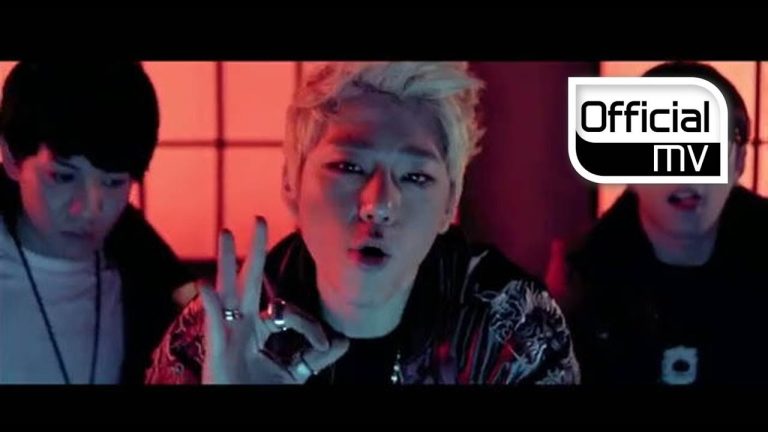
NalinA
The rival crews, Zico’s horn-heavy production, seven distinct performers and the chicken dance nobody had the courage to stop. Read the full React.
Official video tracker and music homes
YouTube · Spotify · Apple Music