
ALL’N
SOLO ARTIST · VIOLINIST · SONGWRITER · PRODUCER · SKS ENTERTAINMENT FOUNDER
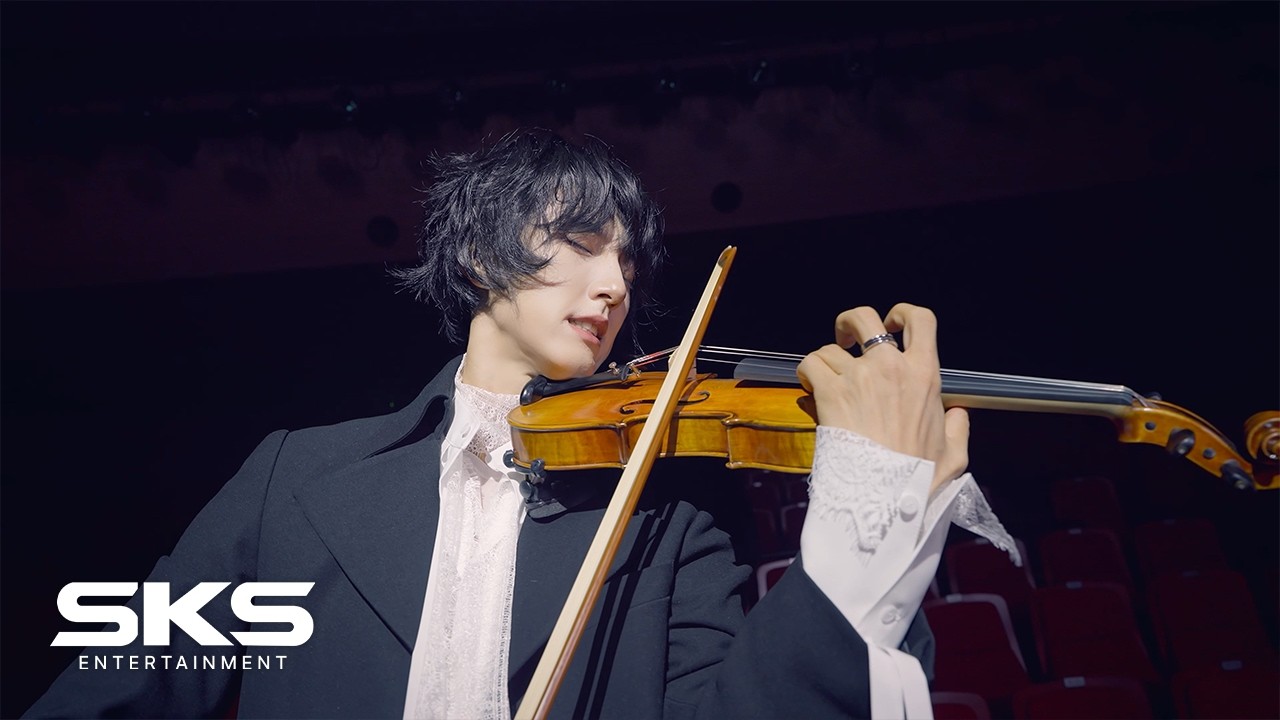
Profile facts
Stage name: ALL’N (올린)
Birth name: Sam Sungmin Kang
Career: K-pop soloist, classically trained violinist, songwriter, producer and company founder
Debut: April 15, 2026 with “We Up”
Company: SKS Entertainment
Fandom: N’CORE
Signature: Violin written into every release rather than added as a special-stage prop
Bottom line
ALL’N is the soloist who looked at the normal separation between idol, musician, producer and company founder and apparently decided sleep was optional. His real distinction is not that a violin appears in K-pop. It is that he writes the instrument into the track’s identity while singing, rapping and dancing around it.
That combination could become a novelty cage very quickly. The first two releases show a more useful possibility: “We Up” establishes the violin-driven lane, while “Dream Higher” gives the instrument emotional and structural work inside rock, EDM and rap production.
Pre-debut and how the career began
Sam Sungmin Kang arrived with classical violin training and a story shaped by rebuilding. Public profiles emphasize a path that did not move cleanly from childhood lessons to agency debut. The independent structure matters because SKS Entertainment grew around the artist rather than presenting him as one trainee selected from a finished system.
That story should not be flattened into “he did everything himself” mythology. Independent work still involves arrangers, engineers, directors, dancers, distributors and media partners. ALL’N’s authorship is strongest when the credits name those collaborators clearly while showing which decisions remained his.
SKS Entertainment and artist ownership
ALL’N is also the founder and CEO of SKS Entertainment. The company describes its model as artist-led, globally minded and built around distinct talent rather than a generic trainee pipeline. EMPIRE supports worldwide distribution for “Dream Higher,” giving the project international infrastructure without erasing the independent company identity.
Ownership changes the questions fans should ask. Who controls the masters and image? Who chooses the release schedule? Who builds safety procedures when the artist is also the executive with authority to keep going? Independence can protect creative decisions, but it must also create accountability that does not disappear into one person.
We Up: April 2026
“We Up” introduced ALL’N through a full mini-album and an official music video released April 15, 2026. The song puts violin over a forceful modern beat and frames rising as something communal. The release earned broadcast stages across M Countdown, Music Bank, Show! Music Core, Inkigayo, Show Champion and Simply K-Pop.
Those stages mattered because a distinctive instrument is easy to admire in a profile and harder to integrate into live idol performance. Bow control, dance transitions, camera blocking and vocal delivery all compete for the same body. ALL’N’s debut made the practical case that the concept could survive outside a studio paragraph.
Dream Higher: August 2026
The second digital single arrived August 14 through EMPIRE. ALL’N wrote and produced the song, co-directed the official music video with BRICK and edited the finished video. Benny Benefit handled arrangement, recording, mixing and mastering. Electric guitar joined the established violin language, giving the song a rougher pop-rock edge.
The central line asks listeners to dream until their idols become rivals. That ambition is attached to a rebuilding story rather than a claim that inspiration has become irrelevant. The rain performance, violin solo and final handwritten letter to N’CORE turn the release into a comeback manifesto without hiding how personal the work is.
The injury boundary
Contemporary release coverage says ALL’N broke his nose during filming and continued. CVM Sekai records that as a production concern, not a charming dedication fact. An injury is not evidence that an artist deserves success. The work already shows commitment through preparation, performance and authorship.
Because ALL’N leads his own company, the incident also raises a difficult independent-artist question: who can stop the founder when the founder is the injured performer and the schedule is his? A sustainable artist-led company needs a safety system with enough authority to protect the artist from his own determination.
Voice, rap and violin
ALL’N moves between quick rap delivery, higher vocal phrases and instrumental lines without treating them as separate talent demonstrations. His best arrangements let one language answer another. Rap supplies impatience, melody gives the hook room and violin carries tension a polished synth cannot reproduce in the same physical way.
The violin works because bow attack is audible. Listeners can hear pressure, scrape and release. That physical friction prevents the classical background from becoming a decorative biography fact. Future releases should keep changing the instrument’s job rather than repeating one expected solo at the same dramatic minute.
Performance identity
ALL’N’s body has to negotiate several kinds of precision at once. Idol choreography favors clean repeatable shapes for cameras. Violin performance requires posture, hand placement and control that cannot be faked by energy alone. Singing and rap add breath demands on top of both.
The answer is not to cram every skill into every eight-count. The strongest moments create handoffs: movement establishes force, vocals carry the argument and violin changes the emotional texture. That sequencing lets versatility read as one artist instead of four acts sharing a stage name.
The name and the lane
ALL’N reads like “all in,” which fits an artist who built a career around full commitment. The Korean rendering 올린 also echoes the final syllables of 바이올린, the Korean word for violin. That double meaning is unusually functional branding: the name explains both the attitude and the instrument without forcing a paragraph of fictional lore.
The name also creates an expectation he will eventually need to challenge. Going all in cannot mean every song must operate at maximum intensity. A durable catalog needs quiet records, strange detours and performances where the violin whispers instead of winning a duel with the weather. The concept should authorize range, not demand constant escalation.
A soloist, not a one-person group
ALL’N belongs in the Artist directory because he releases under one canonical solo identity. There is no group-member page to create and no fictional lineup to pad the ecosystem. Dancers, engineers, co-directors and arrangers receive credit as collaborators without being relabeled as members of a project that is clearly presented as one artist.
That distinction matters for search and tracking. “ALL IN” is also used by unrelated acts and song titles. CVM Sekai preserves the apostrophe, the Korean name, the exact official channel and the video IDs so fans reach Sam Sungmin Kang’s catalog instead of an eight-member Japanese group or another release with similar spelling.
Classical training without the crossover costume
K-pop frequently borrows orchestral instruments as visual shorthand for prestige, tragedy or expensive taste. A violin appears in a teaser, a performer mimes four dramatic strokes and the song itself could lose the instrument without changing. ALL’N is attempting something harder: a pop identity whose arrangement actually depends on violin attack and melody.
Classical training gives him technique, but technique alone does not solve genre integration. The bow has to live beside rap cadence, programmed drums, electric guitar and choreography. “We Up” proves the basic combination can function on music-show stages. “Dream Higher” begins asking how expressive the collision can become.
Broadcast stages and the proof-of-concept year
The debut campaign reached M Countdown, Music Bank, Show! Music Core, Inkigayo, Show Champion and Simply K-Pop. For a new independent company, that run created more than visibility. It provided repeated evidence that the instrument, movement and vocal plan could be reset under different stage dimensions, camera scripts and broadcast schedules.
A music video can hide a difficult transition with editing. A broadcast stage makes the artist reproduce the handoff while the camera moves on somebody else’s timetable. ALL’N’s 2026 file should therefore include both exact music videos and clearly labeled stages. They demonstrate different kinds of control and should never be collapsed into duplicate thumbnails.
N’CORE and the audience relationship
The fandom name N’CORE turns the audience into the core around the ALL’N identity. The written letter at the end of “Dream Higher” makes that relationship visible without pretending fans authored the release. ALL’N thanks the people who waited while keeping the creative decisions attached to the people who made them.
Independent artists often depend on fans for discovery labor that a larger company buys through advertising, placement and established media routes. That makes gratitude real, but it can also create pressure on fans to stream like unpaid staff. The healthiest N’CORE relationship will celebrate support without turning every listener into a shift worker responsible for rescuing the company.
Writing, production and credit language
“Written and produced by ALL’N” is useful only when the rest of the record remains visible. “Dream Higher” names BRICK as co-director and Benny Benefit across arrangement, recording, mixing and mastering. Those verbs show where the artist leads and where specialist collaboration shapes the finished work.
CVM Sekai does not use “self-produced” as a magic word that erases everybody else. Authorship becomes more impressive when the chain is clear. ALL’N can own the central concept, song and edit while another person makes a decisive arrangement or engineering contribution. Accurate credits protect both the artist and the team.
Public facts and private boundaries
The available public file supports his professional identity, birth name, classical training, company role, debut sequence, releases, credits and official channels. It does not authorize invented childhood scenes, private relationships, medical speculation or a personality assembled from promotional adjectives. A complete profile can be deep without pretending access to a stranger’s private life.
That boundary matters especially for a founder whose company narrative is closely tied to his personal rebuilding story. Fans can examine the labor and public decisions. They do not need a fabricated trauma timeline to understand why “Dream Higher” sounds urgent. When a fact cannot be verified, the profile leaves the space empty.
Current status and what comes next
The third major release will reveal whether violin-driven K-pop is a flexible language or one effective launch formula. I want to hear the instrument used against a quieter beat, inside a sharper rap record or as a melodic argument that does not wait for the climax. A signature stays alive by changing function.
I also want SKS Entertainment to grow around the artist instead of remaining an extension of his stamina. More releases mean more schedules, legal work, production risk and people depending on decisions. The company’s long-term success will be measured by how well the music expands while the human at its center remains protected.
How to start listening
Begin with the “We Up” official music video because it states the debut argument clearly: violin belongs inside this artist’s pop machinery. Follow it with a broadcast stage to see what survives outside the edit. Then watch “Dream Higher,” where rock texture, rain and a more personal lyric make the same signature carry heavier emotional work.
Do not let an algorithm replace the sequence with whichever short has the largest number. The order shows development. “We Up” asks whether the combination can work. “Dream Higher” asks what the combination can say. Performance versions answer a third question about how the arrangement changes when movement becomes the main camera subject.
Discography file
The public CVM Sekai file currently begins with the April 2026 “We Up” project and the August 2026 digital single “Dream Higher.” This is a young catalog, so the profile does not inflate two eras into a legendary chronology. It records what exists, what changed and which claims still need future music to prove them.
Short catalogs deserve accuracy more than padding. Release dates, video versions, credited roles and distribution paths are kept distinct. A new stage does not become a new song, and a new edit does not become another comeback merely because it needs a card.
International discovery without the scavenger hunt
ALL’N’s official channel, SKS Entertainment site and linked streaming release pages provide the cleanest international route. English-language interviews and release features can add context, but the company and exact upload remain the first stop for credits, dates and official links.
That matters for an independent artist whose coverage can scatter across small outlets, social posts and search results confused by the name ALL IN. CVM Sekai connects the canonical profile, official uploads and dedicated React so fans do not have to reconstruct one career from unrelated spelling variants.
On the record
Confirmed: ALL’N is Sam Sungmin Kang, a classically trained violinist, solo K-pop artist and founder of SKS Entertainment. He debuted with “We Up” on April 15, 2026 and released “Dream Higher” on August 14, 2026. The official video credits him as writer, producer, co-director and editor.
Interpretation: the violin functions as identity because the arrangements give it structural work. Concern: continuing after a reported broken nose should not be marketed as the price of deserving a comeback. Those judgments belong to RaeRae; they are not disguised as company statements.
This profile will change when the public record changes. New releases, verified credits, company developments and meaningful live milestones belong here. Rumors, copied fan biographies and private-life guesses do not. A long page earns trust by separating evidence from enthusiasm, not by filling every blank.
RaeRae take
I like the nerve of building a K-pop identity around an instrument most companies would save for an award-show remix. I like even more that “Dream Higher” gives the violin a reason to be there. The rain, guitar and electronic production push against it, so the instrument has something to fight through.
My side-eye belongs to the self-sacrifice story. ALL’N does not have to break more bones, carry more job titles or prove suffering before every release. The interesting future is artistic: stranger arrangements, sharper writing and a company structure sturdy enough to keep its founder healthy.
YouTube video tracking history
CVM Sekai tracks exact official uploads so “We Up,” performance versions and “Dream Higher” do not collapse into one search result. A performance film is labeled as a performance film. A broadcast stage remains a stage. The official music video remains the canonical song video.
Start with “We Up” to see the debut thesis, then move to “Dream Higher” for the first comeback and a more personal use of the violin. The dedicated React below follows the song, video, credits and production questions without turning this profile into a review.
RaeRae Reacts
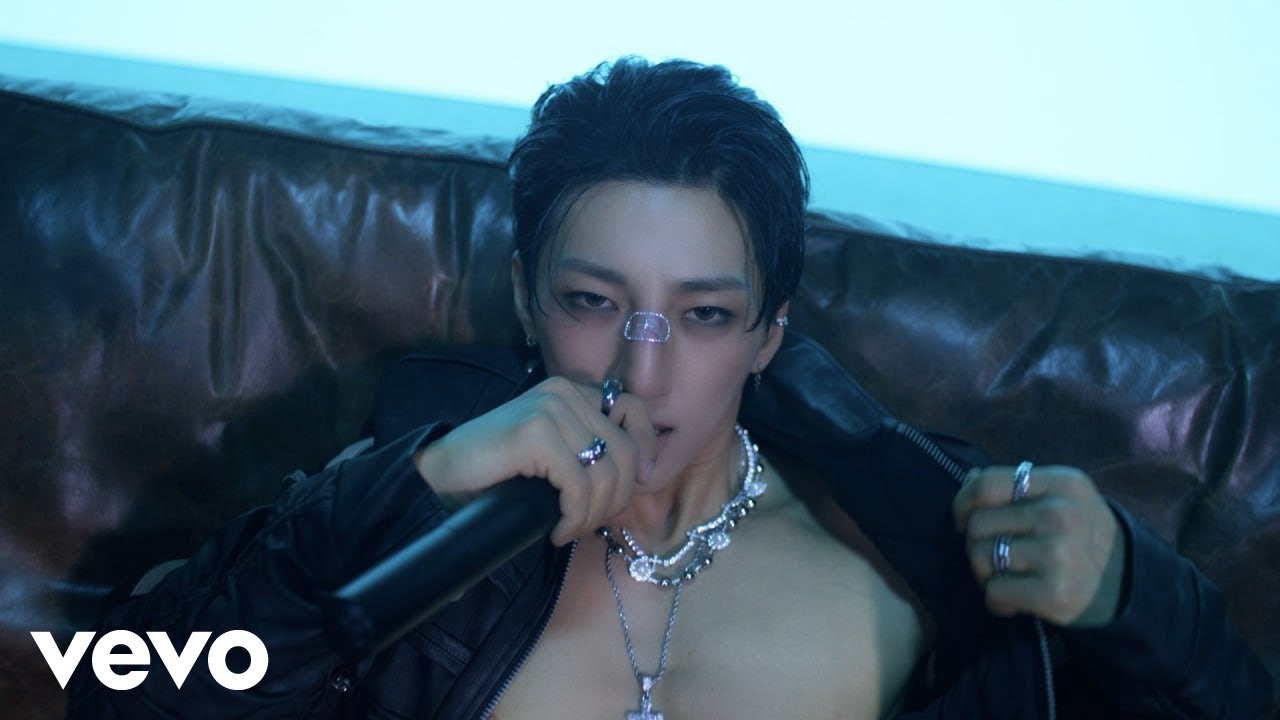
Read the complete “Dream Higher” React · Watch the exact official videoDaily+605Total views1.5M.