
WONHO Profile: MONSTA X History, Solo Music, CORE and Facts
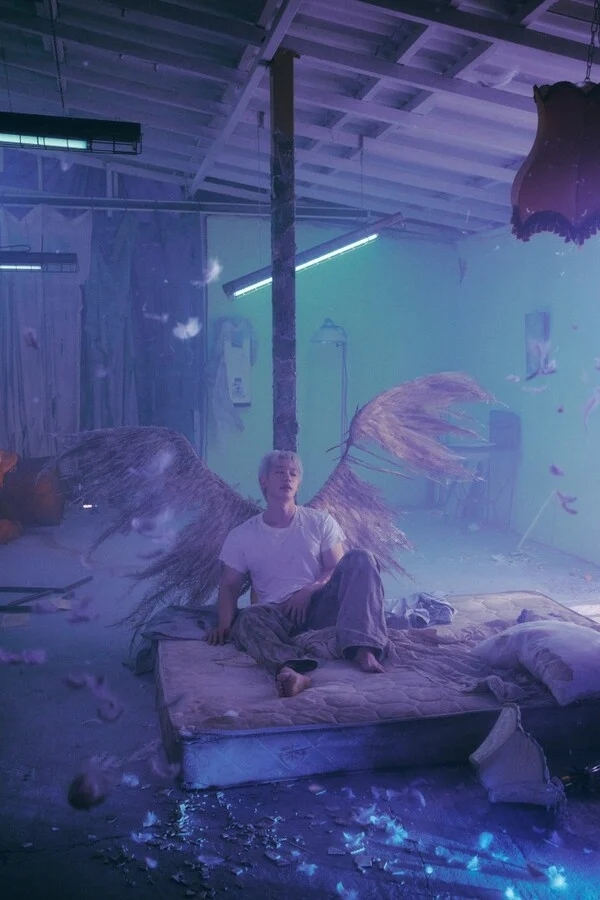
WONHO in the CORE RAW concept. Photo released by HiLINE Entertainment.
Contents
Profile
| Stage name | WONHO (원호) |
|---|---|
| Birth name | Lee Ho-seok (이호석) |
| Born | March 1, 1993 |
| Birthplace | Gunpo, Gyeonggi Province, South Korea |
| Occupation | Singer · songwriter · producer · dancer · model |
| Agency | HiLINE Entertainment |
| Former group | MONSTA X · 2015–2019 |
| Solo debut | September 4, 2020 |
| Fandom | WENEE |
Pre-debut: before MONSTA X
Before the polished idol years, Lee Ho-seok worked as an ulzzang model and moved through a much rougher early adulthood than most profile pages know what to do with. He has spoken about financial hardship, family debt, and wanting to create stability. That history helps explain why his public personality can switch from giant gym man to anxious caretaker in half a sentence.
He trained under Starship Entertainment and appeared in the project group Nu Boyz with Shownu, Joohoney, and #Gun. Then came Mnet’s No.Mercy, the 2014 to 2015 survival show that assembled MONSTA X by making trainees compete under the comforting title “No Mercy.” Subtle.
MONSTA X
MONSTA X debuted on May 14, 2015 with “Trespass.” WONHO served as a vocalist, dancer, visual, and one of the group’s most recognizable producers. He participated in writing and composing, including fan-favorite tracks that showed a softer musical instinct than the group’s aggressive title-track image suggested.
His role was not only musical. He became the member who worried openly about the others, cooked, cleaned, exercised with alarming dedication, and treated MONBEBE affection like a full-time job. The physique pulled attention. The emotional transparency kept it.
The 2019 exit
In October 2019, allegations about WONHO’s past spread rapidly through Korean media and social platforms. Claims included unpaid debt and alleged marijuana use years earlier. WONHO left MONSTA X on October 31, saying he did not want the controversy to harm the group. Starship terminated his contract the following day.
The internet often compresses that history into “scandal” and moves on. The actual timeline matters. The Seoul Metropolitan Police Agency investigated the drug allegation for five months. On March 10, 2020, the investigation closed without evidence, and WONHO was cleared of all charges. Starship publicly confirmed the result on March 14.
Cleared does not rewind a career. He did not return to MONSTA X, and the group continued as six. Fans still debate whether leaving protected the members, rewarded rumor culture, or both. What is not debatable is the police result. He was investigated and cleared.
Starting again as a soloist
WONHO signed with HiLINE Entertainment in April 2020 as a solo artist and producer. “Losing You” arrived first, an English-language fan song that skipped the expected body roll and went directly for emotional damage. His official solo debut followed on September 4 with Love Synonym Pt.1: Right for Me and “Open Mind.”
“Open Mind” established the solo formula: sleek electronic production, adult sensuality, heavy choreography, and a voice warmer than the visuals suggest. “Lose,” “Blue,” “Eye On You,” “Crazy,” and “Don’t Regret” expanded the catalog without abandoning that center.
He also wrote and produced throughout his releases. The degree varies by track, but the pattern is consistent. WONHO is not merely handed a gym membership and a demo. He participates in building the music.
Military service and return
WONHO began mandatory service as a public service worker on December 5, 2022. He was discharged on September 4, 2024, exactly four years after his solo debut. That date feels suspiciously tidy, as if the calendar itself joined WENEE.
His return included the single “What Would You Do,” followed by broader international activity, the 2025 album SYNDROME, and the 2025 to 2026 Stay Awake world tour. The post-service era did not ease him back in. It put him on planes.
CORE
The fourth mini album CORE arrived on July 21, 2026. Its concept moves through RAW, SHELL, CRACK, and CORE: the exposed self, the armor built around wounds, the moment that armor breaks, and whatever truth remains underneath.
WONHO participated in writing, composing, or producing across all seven tracks. The title song “Don’t Wake Me Up!” turns emotional escape into a club track with a hardstyle ending. It is vulnerability wearing steel-toe boots.
Voice, performance, and the body conversation
WONHO’s voice is lighter and more tender than his visual branding. That contrast is the point. He can deliver dance-pop without flattening every line into masculine force, then move into a fan ballad and sound genuinely fragile.
His dancing is powerful but controlled. He performs through shoulders, torso, and weight shifts rather than only speed. The physique changes how choreography reads, but it can also swallow the conversation. Interviews repeatedly have to remind people that the man with the abs also helped write the record.
WONHO clearly participates in the visual joke. He knows what fans notice. Still, reducing him to a body misses the most interesting part: he rebuilt a public career after losing the first one almost overnight.
Discography starter file
- 2020: Love Synonym Pt.1: Right for Me, including “Open Mind” and “Losing You”
- 2021: Love Synonym Pt.2: Right for Us and Blue Letter
- 2022: Obsession, Facade, and Bittersweet
- 2024: “What Would You Do”
- 2025: SYNDROME, including “Better Than Me”
- 2026: CORE, including “Don’t Wake Me Up!”
Fandom notes
- WENEE combines “we” and “need,” carrying the meaning that WONHO and his fans need each other.
- MONBEBE remains part of his history because MONSTA X remains part of his history. Solo support does not require pretending 2015 to 2019 disappeared.
- His personal YouTube channel ohhoho shows workouts, food, travel, behind-the-scenes material, and the domestic chaos hiding behind the stage body.
- The fandom is unusually sensitive to inaccurate scandal summaries. Given how quickly the original allegations changed his career, receipts matter.
Official Socials
YouTube tracking history
Sources
- Soompi: Starship’s police-investigation statement and clearance timeline
- Korea JoongAng Daily: police clearance report
- Star News Korea: WONHO discusses CORE
- Forbes: CORE, production, and the music beyond the visuals
The separation between history and current membership
WONHO’s years in MONSTA X are essential history, but they are not a claim that he is a current member. He debuted with the group in 2015, departed in 2019, and rebuilt as a soloist in 2020. The MONSTA X hub should preserve him as a former member, while this canonical route holds his active artist work. That structure respects both careers without pretending the separation never happened or turning every solo release into an invitation to relitigate a lineup.
What survival television taught the public to miss
No.Mercy presented trainees through competition, ranking, and elimination, encouraging audiences to read every relationship as a threat. WONHO’s later public persona often worked against that frame. He became known for caretaking, cooking, cleaning, worry, and open affection alongside physical discipline. The contrast matters because survival television rewards a simplified archetype. Group life revealed a person more anxious and domestic than the imposing visual suggested, and solo work would later use that mismatch as an artistic advantage.
Songwriting inside MONSTA X
WONHO’s participation in group music showed an instinct for warmth and melody that could differ from MONSTA X’s hardest title tracks. His credited writing and composition helped fans hear him as more than a visual or dancer before the solo debut made authorship central to the brand. Participation should still be tracked song by song; being a known producer-member does not mean automatic credit on the entire catalog. The important pattern is recurring contribution, not inflated ownership.
The 2019 rumor cycle needs exact language
The allegations that precipitated his departure were not all identical, and internet summaries often collapse debt disputes, past-behavior claims, and the investigated drug allegation into one permanent word: scandal. The Seoul Metropolitan Police Agency investigated the drug claim and closed the case without charges after finding insufficient evidence. That verified outcome must remain attached to the chronology. It does not settle every private dispute ever discussed online; it does prevent the investigated allegation from being repeated as proven fact.
Clearance could not restore the original career
When police cleared WONHO, MONSTA X had already continued without him and the emotional damage had already become public history. There was no administrative button capable of returning everyone to October 2019. His choice and the company response are still debated because leaving may have shielded the group while also demonstrating how effectively accusations can dictate a career before investigation concludes. The solo restart was therefore not a clean rebrand. It was a new structure built beside an unrecoverable first one.
Losing You before Open Mind
“Losing You” was the correct first bridge because it addressed fans through vulnerability instead of immediately selling a new visual package. The English-language release acknowledged the relationship that survived his absence. “Open Mind” then established the official solo-performance grammar: sleek electronic production, controlled sensuality, adult choreography, and a lighter vocal tone set against muscular visual branding. One song repaired contact; the next proved that the new career had an actual musical proposition.
The Love Synonym projects
Love Synonym Pt.1: Right for Me and Pt.2: Right for Us framed the early solo era around reciprocity. The titles are almost a mission statement for WENEE: self-definition and fan relationship presented as connected rather than competing needs. “Open Mind” brought physical confidence, while “Lose” darkened the electronic pulse and let obsession become theatrical. Across both releases, WONHO learned how to carry a project without seven voices distributing the narrative labor.
Blue Letter and emotional color
Blue Letter expanded the catalog beyond a single seduction template. “Blue” is brighter, but the project’s emotional value comes from how optimism and ache can occupy the same color. WONHO’s voice works well in that ambiguity because it can remain soft without disappearing inside dance-pop production. The visual body may promise force; the vocal often communicates reassurance, hesitation, and the fear that a connection can vanish even when the chorus is trying to smile.
Obsession, Facade, and Bittersweet
The 2022 sequence—Obsession, Facade, and Bittersweet—made the solo discography feel less like a successful restart and more like an established practice. “Eye On You,” “Crazy,” and “Don’t Regret” explored surveillance, desire, performance masks, and aftermath through different electronic and pop textures. The releases also clarified that sensuality was not the only through-line. Control, exposure, and the distance between public surface and private feeling were equally persistent concerns.
Military service interrupted momentum, not identity
WONHO began service as a public service worker in December 2022 and completed it in September 2024. The hiatus paused releases at a point when the solo vocabulary was firmly established, so the return did not require another debut narrative. “What Would You Do” could ask a direct emotional question rather than spend its entire runtime proving he still existed. The post-service challenge was scale: reconnecting with WENEE while expanding international touring and building toward longer projects.
SYNDROME and the Stay Awake era
The 2025 SYNDROME album and the Stay Awake tour pushed WONHO back into sustained international activity. “Better Than Me” showed how easily his catalog can move between polished performance and open emotional address. Touring also tests the part of the brand that studio images cannot: stamina, live pacing, fan communication, and whether a carefully controlled solo catalog can become a full evening rather than a sequence of beautiful three-minute rooms.
CORE as a four-stage concept
The 2026 CORE project organizes its visual and emotional argument through RAW, SHELL, CRACK, and CORE. The sequence moves from exposure to protection, rupture, and the self that remains. It is an unusually direct metaphor for a career shaped by public scrutiny, departure, reconstruction, military interruption, and return. The concept risks becoming too neat, but WONHO’s history gives the armor language enough lived weight to survive beyond attractive teaser photography.
Authorship across CORE
WONHO participated in writing, composition, or production across the seven-track EP, with exact roles varying by song. That distinction matters. “Artist-produced” should not become a blanket phrase that erases collaborators or turns every credit into the same job. His value lies in sustained participation: he helps determine emotional language, melody, and sonic direction while working inside a team. The result sounds connected to earlier solo themes without repeating one arrangement for proof of consistency.
Don’t Wake Me Up! as emotional escape
The title track converts avoidance into club motion. The narrator wants the dream protected because waking means confronting what the production temporarily suspends. Its hardstyle ending makes that denial physically unstable; the track does not simply fade inside a pretty fantasy. The escalation can feel almost confrontational, as though the subconscious has stopped accepting gentle instructions. That friction between soft emotional premise and forceful dance structure is one of WONHO’s most reliable strengths.
The body is part of the art, not the whole review
WONHO knowingly uses physique, clothing, and reveal as performance tools. Pretending otherwise would be strangely puritanical. The problem begins when coverage treats the body as evidence that no other labor occurred. Choreography, breath management, vocal placement, writing, production participation, and concept development remain visible if the reviewer looks past the thumbnail. Admiration does not need to become erasure. The abs can be discussed without letting them eat every sentence in the room.
How his voice complicates the visual brand
His vocal color is warmer and more delicate than the dominant images suggest. He can sound reassuring, exposed, or quietly desperate without forcing fragility into a theatrical whisper. That mismatch is productive. A heavier visual frame makes tenderness more noticeable, while the voice prevents sensual choreography from becoming emotionally anonymous. The best WONHO songs understand that masculinity becomes more interesting when strength and anxiety are allowed to share the same body.
How he moves
WONHO’s dancing relies on torso control, shoulders, grounded weight, and deliberate changes in tension. Muscle affects the silhouette and the effort required, but control prevents size from making the choreography look blunt. He knows when to let a movement finish instead of chasing speed for its own sake. Watch transitions rather than isolated poses: the persuasive detail is how he moves from restraint into impact and returns without losing the musical count.
WENEE and the ethics of mutual need
The fandom name combines ideas of “we” and “need,” which could sound dangerously dependent if the relationship were treated without boundaries. In practice, WONHO’s public language often emphasizes gratitude, reassurance, and the shared survival of the solo restart. The healthiest reading is reciprocal support, not ownership. Fans helped make a second career commercially possible; the artist still owes them honesty and care rather than total access to his private life. Need should not become entitlement.
ohhoho shows the scale difference
The personal ohhoho channel lets workouts, food, travel, hobbies, and behind-the-scenes routine sit beside the highly controlled stage persona. That does not reveal an unfiltered “real” person—edited lifestyle video is still media—but it changes scale. The performer who appears monumental in concept photography becomes someone measuring ingredients, laughing at logistics, or explaining physical practice. The contrast helps fans understand discipline as daily repetition rather than a body appearing fully rendered at comeback time.
Current status and routing
As of August 2026, WONHO is an active HiLINE Entertainment solo artist and former MONSTA X member. CORE and “Don’t Wake Me Up!” are the latest verified release era reflected here. His group history remains connected through the MONSTA X ecosystem, but current solo videos, Reacts, and tracker rows route to this profile. Any future reunion appearance should be recorded by actual participation rather than inferred from nostalgia or fandom desire.
Where to start
Begin with MONSTA X material that includes verified WONHO participation, then use “Losing You” as the emotional bridge into the solo career. Follow with “Open Mind,” “Lose,” “Blue,” “Eye On You,” “Crazy,” and “Don’t Regret.” After military service, move through “What Would You Do,” SYNDROME, and CORE. That order makes the evolving balance between vulnerability, electronic performance, authorship, and visual confidence easier to hear.
CVM Sekai React
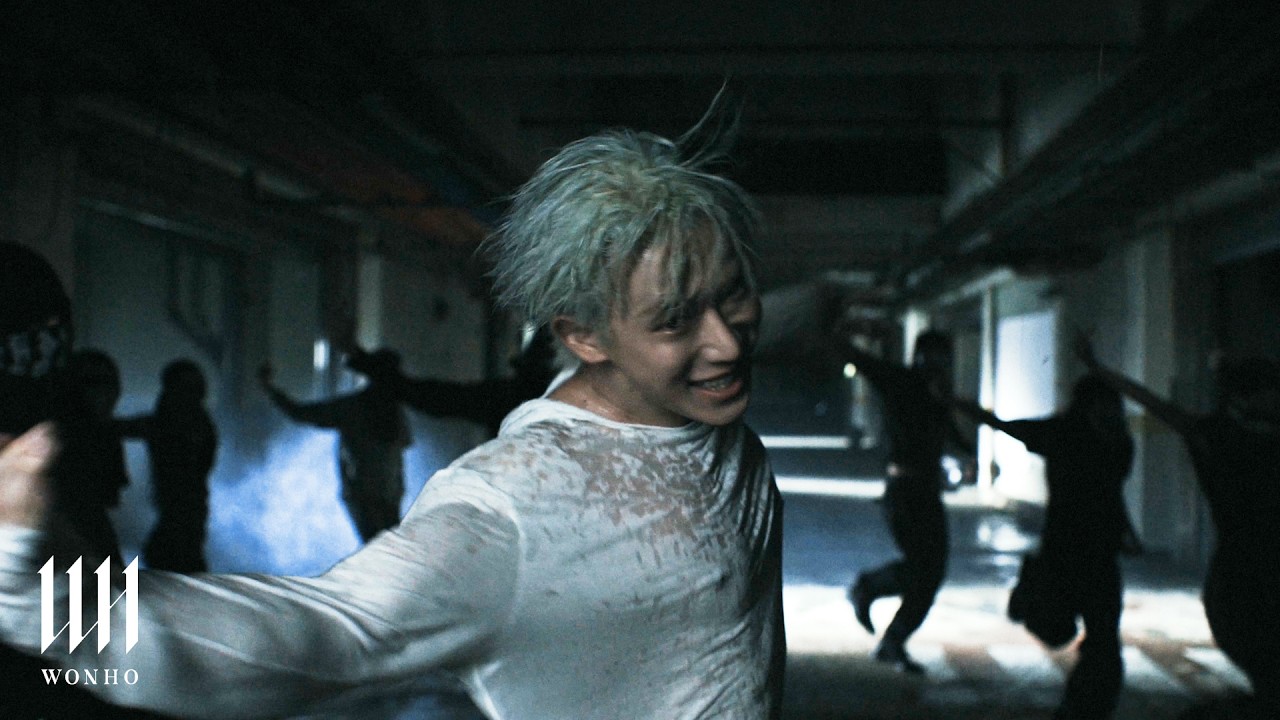
Don’t Wake Me Up! — WONHO official video React
A deep review of the CORE title track’s club structure, hardstyle ending, emotional avoidance, performance, visual metaphor, and replay discoveries.
Read the exact official-video React
React image cards
Official video tracker
Don’t Wake Me Up official-video tracker update
WONHO co-writes and co-arranges a synth-heavy late-night confession that understands tension works better when the chorus does not rush to resolve every feeling. Exact official video eHUsqmQqvcQ: read the RaeRae React.