
RUN RUN BAREFOOT: TIOT Turned a 1997 Youth Anthem Into a Five-Boy Summer Sprint
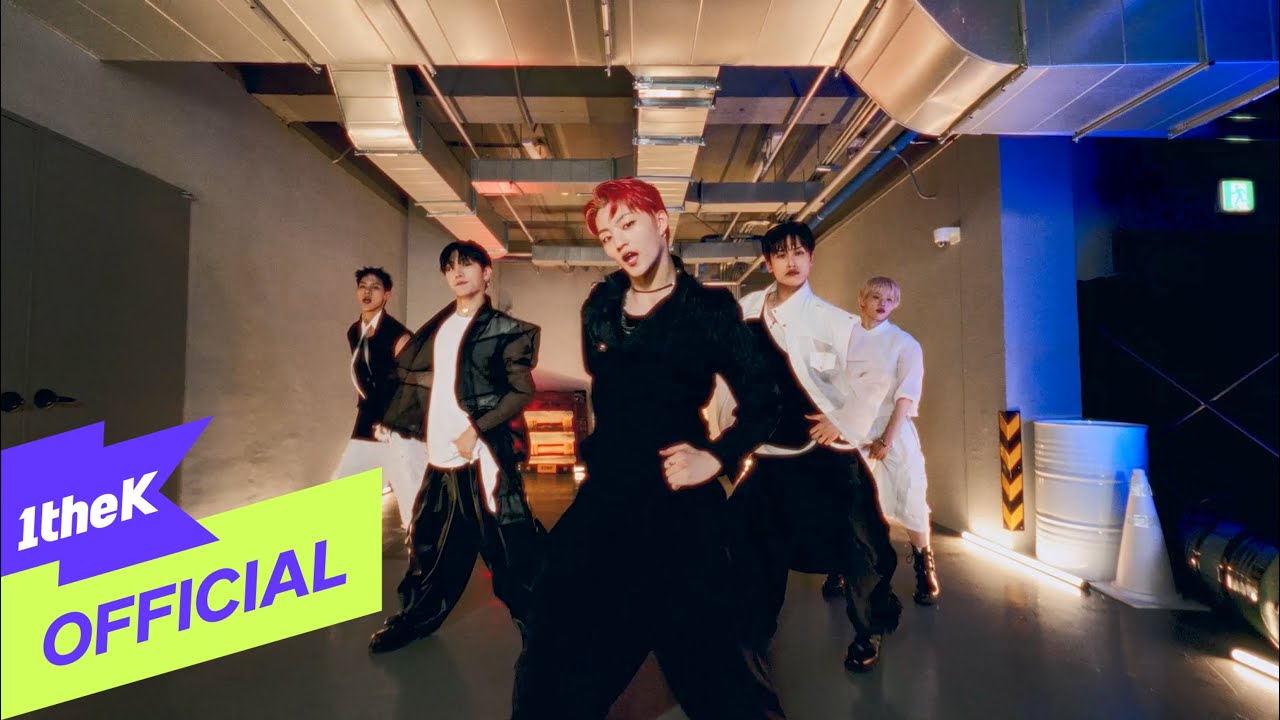
Release file
Released: July 7, 2025
Runtime: 03:07
Label / channel trail: 1theK (원더케이)
Sound: The beat is good, the sprint is fun, and nobody looks like they were assigned nostalgia for homework. TIOT respect the original while bringing five-person momentum.
Sources: Exact official playlist uploadDaily+4Total views39.5K.
The beat is good, the sprint is fun, and nobody looks like they were assigned nostalgia for homework. TIOT respect the original while bringing five-person momentum.
The opening decision
The video opens with enough color and motion to announce summer before the beat finishes introducing itself. TIOT are remaking a 1997 anthem, so the first job is not pretending the material is new. The job is showing why these five people wanted to run with it now.
Lyrics and meaning: the source-song question
Buck’s “Barefooted Youth” carries late-1990s Korean pop memory. A remake inherits affection and comparison simultaneously. TIOT cannot own the original history, but they can change vocal color, choreography, camera grammar and the emotional meaning of youth for performers born years later.
Five-member receipt
This is a five-member TIOT release: Kim Minseoung, Kum Junhyeon, Hong Keonhee, Choi Woojin and Shin Yechan. Yechan belongs here even though he was absent from the 2023 pre-debut releases. Participation follows the object, not whichever lineup is easiest to paste everywhere.
Minseoung sets the pace
Minseoung’s rhythmic versatility helps the remake feel like a performance rather than a heritage recital. He understands how to attack a count and then make room for the next voice. Leadership is visible in flow, not because the camera must crown him in every frame.
Junhyeon supplies vocal scale
Junhyeon gives the chorus the projection a broad youth anthem needs. His power works because phrasing remains bright rather than turning every high-energy line into a competitive note. The song needs communal momentum, and he sounds like he is opening the door instead of winning it alone.
Keonhee gives the verse weight
Keonhee’s rap color interrupts the sugar rush and adds lower rhythmic definition. The passage matters structurally: it prevents brightness from becoming one flat emotional setting. Rap is doing arrangement work here, not arriving as a mandatory sticker between melodic sections.
Woojin carries transition labor
Woojin’s versatility makes him useful in handoffs. Watch where he exits a formation and how quickly expression changes when focus moves. Five-person choreography exposes poor traffic immediately. His clean transitions help the video maintain the illusion that everyone simply happened to land in the right place.
Yechan belongs to this chapter
Yechan’s younger vocal color reinforces the remake’s youthfulness without making him a mascot for the concept. He is a formal-debut member performing a 2025 release, not an appendix to four Boys Planet alumni. The video works when it treats him as part of the operating chemistry.
The hook test
A famous hook does not need to prove memorability again; it needs to justify repetition in the new arrangement. TIOT lean on speed, communal delivery and choreography. Later choruses gain enough visual and vocal layering to feel like escalation rather than a streaming-era reminder of the title.
The production test
The update polishes percussion and low end while preserving the song’s buoyant center. I would have welcomed one riskier breakdown or vocal re-harmonization. Respectful modernization can become too polite, and five capable performers deserve at least one section where the remake stops asking permission.
The choreography test
Running energy appears through traveling formations, quick exchanges and open upper-body movement. The choreography sells freedom while remaining highly counted, which is the usual idol contradiction. The members make precision look spontaneous enough that nobody appears trapped in a cheerful physical-education assessment.
The camera test
Editing favors motion and face recognition without completely hiding formation continuity. Cuts generally land on musical accents. A few longer wide shots would have strengthened the remake argument by showing what TIOT add physically instead of relying on color and pace to manufacture all excitement.
The styling test
The styling uses youthful casual silhouettes that keep five members distinguishable. Nothing fights the choreography, and the palette supports brightness. The concept avoids dressing them as literal 1997 replicas, which would have turned homage into a museum gift shop with synchronized dancing.
The nostalgia boundary
Nostalgia can connect generations or become borrowed emotional capital. This version stays on the healthier side because TIOT perform forward motion rather than reenacting an older celebrity image. The song remembers its source while the bodies, cameras and group history remain unmistakably current.
Why it fits TIOT
Time Is Our Turn is an unusually compatible name for a song about youth running without shoes or hesitation. The thematic fit is almost suspiciously neat. What saves it from slogan soup is the group’s real history of losing one debut route, regrouping and launching twice—pre-debut, then formally.
What the video understands
The video understands that the expensive effect is five recognizable performers in motion. It does not bury them under lore. Sets and styling support identification. For a growing group, that clarity matters more than an elaborate fictional universe that fans must decode before learning Woojin from Yechan.
What I would change
I would add one musically disruptive bridge and hold a wider formation shot through its complete phrase. Let Junhyeon’s vocal scale and the rap line’s contrast reshape the source more boldly. The current version is charming; one dangerous choice could have made it necessary.
The exact-upload rule
This React embeds only XcZf9KI7sx4, the official 1theK upload specified by the playlist. A performance video or distributor mirror may be useful context, but it cannot replace the audited object. The video ID keeps the relationship stable when translated titles and channel metadata change.
What survives without the picture
Without the video, the original hook still carries much of the immediate pleasure. TIOT contribute contemporary vocal color, rhythmic polish and a cleaner idol-pop arc. The recording succeeds as energetic replay material even where it stops short of radically redefining the source.
What changed every time I replayed it
First watch favors color, hook and whichever member owns the closest smile. Replay reveals transition work, background expression and how the rap passage resets the arrangement. Distributed attention makes the group feel more balanced than a simple line count can show.
Replay section
Follow one member through every formation, including exits. Listen once without the image and identify the five voices. Then compare Buck’s original to hear which melodic and emotional structures remain. Finally open the TIOT hub to place the remake after FLEX LINE and before MY PRIDE.
RaeRae verdict
I like the beat, the sprint and the refusal to make nostalgia dusty. TIOT do not completely seize the song from its history, but they make it hospitable to their own five-member chemistry. The result is more joyful than daring, and joy is still a legitimate production outcome.
The headphone replay
On headphones, follow the bass and percussion through every chorus, then listen for backing layers around Junhyeon’s larger vocal moments. The visual pace makes the arrangement feel crowded on first watch. Audio-only replay reveals a cleaner structure and exposes the point where a bolder bridge could have separated TIOT’s version more decisively from inherited memory.
The stage replay
Use an official wide stage to watch the complete five-member geometry. Notice who travels during close-up moments and how the group resets after the rap section. If the performance remains energetic without the music video’s color and editing, the choreography has built a durable argument rather than renting excitement from postproduction.
Bottom line
RUN RUN BAREFOOT works because TIOT treat a familiar anthem as forward motion rather than cosplay. The five members supply vocal contrast, clean geometry and credible exuberance. I wanted one bolder rearrangement, but the exact official video earns replay without pretending 1997 never happened.
Canonical relationships
Sources and receipts
- TIOT official Weverse community
- TIOT official link directory
- TIOT artist catalog on Bugs
- TIOT catalog on Apple Music
- Japan management agreement announcement
- Exact RUN RUN BAREFOOT uploadDaily+4Total views39.5K
Verdict
The beat is good, the sprint is fun, and nobody looks like they were assigned nostalgia for homework. TIOT respect the original while bringing five-person momentum.