
RAERAE REACTS · BABY DONT CRY · OFFICIAL MUSIC VIDEO
Shapeshifter
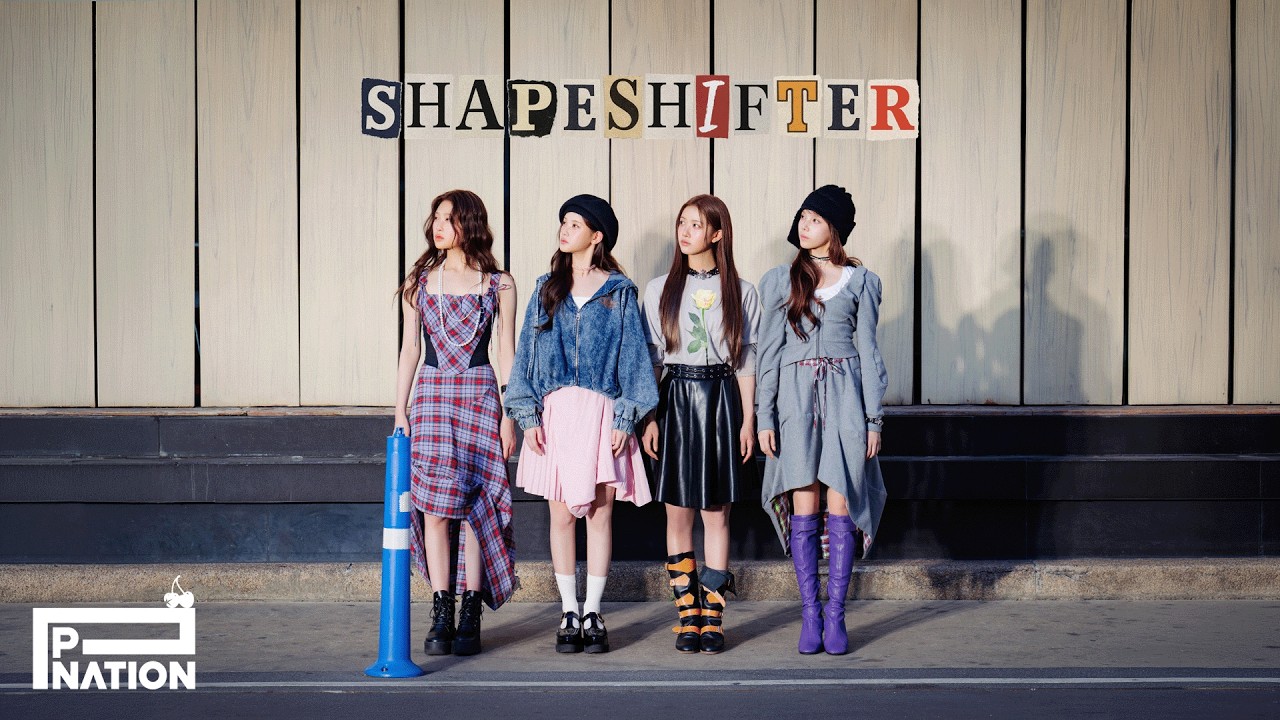
Release file
Released: March 11, 2026
Runtime: 03:09
Artist: Baby DONT Cry — Yihyun, Kumi, Mia and Beni
Label / channel trail: P NATION · Baby DONT Cry official YouTube
Sound: Dance-rock that changes texture to match a lyric about refusing one fixed identity.
Sources: Exact official MVDaily+3.1KTotal views9.9M · Current group and member route.
Four girls looked at the demand for one permanent, marketable personality and answered with guitars, dream fog, genre switches and a transformation sequence that refuses to sit still.
Members: Yihyun, Kumi, Mia and Beni
Genre: Dance and rock
Lyrics: Kim Eana
Composition: RYAN JHUN, Annie Schindel, Tiina Vainikainen, Leevi Haapanen, Lenno Linjama and Alawn
Arrangement: RYAN JHUN, Leevi Haapanen, Lenno Linjama and Alawn
Label: P Nation
What changed every time I replayed it
First play: I heard the switches before I understood the argument. The opening guitar gives me enough grip to think I know the road, then the song starts changing the weather. Dreamy synths drift in, the rhythm tightens, voices trade weight, and the back half opens a door into a sound that feels imported from another room. My first response was not “cohesive.” It was “who gave the track access to the costume closet?”
Second play: The structure stopped feeling random. Each turn arrives when the girls have outgrown the version of themselves that carried the previous section. The song does not treat a new mood as betrayal. It treats it as evidence of life. That matters in an idol system that asks young women to present an instantly readable personality, then punishes them for repeating it too long.
Third play: I watched the members instead of chasing the plot. The best performance choice is that nobody acts surprised by the changes. They move through them like transformation is normal maintenance. The confidence sells the concept. If they performed every switch like a shocking twist, the video would become a theme-park ride. Instead, it feels like four people who know they contain more than one useful self.
Fourth play: The visual language got louder. Masks, altered silhouettes, staged danger and genre references keep asking who gets to name the monster. A girl changes her appearance and suddenly the outside world wants a diagnosis. The video laughs at that reflex. Maybe the scary thing is not her transformation. Maybe it is everybody else demanding one face they can catalog.
Where I landed: I like the ambition more than every individual transition. A few ideas leave before I finish tasting them. Still, the song’s impatience belongs to its subject. A perfectly smooth, perfectly settled arrangement would contradict the entire point.
The beat keeps changing clothes, and that is the job
P Nation describes “Shapeshifter” as a song that changes its atmosphere and structure naturally from beginning to end. The official notes point to strong guitar riffs, dreamy synths and an exotic-sounding late section that redirects the flow. That description is accurate, but it undersells the nerve required to put those parts in one short pop track.
The guitar gives the song muscle without turning it into a rock cosplay exercise. It feels like a physical object inside the mix. The synths do the opposite. They blur the edges and create room for the girls to sound less fixed. When the later texture arrives, it does not simply add decoration. It interrupts our confidence about what kind of song we have been hearing.
The beat succeeds because it keeps a forward pulse under the costume changes. Without that pulse, the arrangement would feel like three demos arguing over the same hard drive. With it, the switches become chapters in one chase. I can follow the body even when the scenery changes.
My side-eye goes to the speed. The track sometimes treats a good idea like a subway door. It opens, I step toward it, and it closes while my bag is still outside. I wanted more time with the late-song color and one more vocal passage that let the members stretch instead of pivot. Shortness can create replay value, but it can also keep a good section from becoming a great one.
Lyrics and meaning: range, not a personality crisis
Kim Eana’s central idea is stronger than the usual “I can be anything” slogan. The official album introduction frames the song as the story of girls who become firmer after pouring out emotion, then transform into new versions of themselves. Change is not an escape from an empty core. It is what happens after feeling something honestly.
That distinction matters. Women, especially young women in public, are often asked to prove authenticity by staying consistent. Be cute, but not childish. Be confident, but not arrogant. Grow, but do not make the fans who bought the first version uncomfortable. The rules contradict one another, then the girl gets blamed for changing.
“Shapeshifter” answers that trap with movement. A self can be real without being permanent. I can be loud in one room, quiet in another, careful with family, foolish with friends and still be one person. Confucian social thinking already understands that identity lives inside relationships. A daughter, friend, teammate and public figure can carry different duties without one role erasing the others. Buddhist thought goes further: clinging to a fixed self creates suffering because everything living changes.
The song is not giving us a philosophy lecture in platform boots. Thank goodness. It turns that idea into attitude. The girls do not apologize for containing versions. They treat adaptation as skill. That feels especially useful for a rookie group because debut branding can become a tiny apartment that everyone expects them to live in forever.
The video turns identity into a transformation show
The official video borrows the pleasure of tokusatsu and magical transformation stories: bodies switch states, danger becomes theatrical, costumes carry power, and the camera treats a new form as an entrance. Those genres usually make transformation visible so the audience can cheer. “Shapeshifter” keeps the cheer, then adds a little suspicion. What if the heroic form and the monster form depend on who is watching?
The editing does not wait for us to approve each version. That is the correct choice. Cuts arrive with the music, spaces change before they become comfortable, and the members remain the only stable point. The video makes them the authors of the instability. They are not dolls being restyled by an invisible hand. Their performance says they know the switch is coming and intend to land it.
Color helps separate states without turning the video into four unrelated commercials. Harder light gives the guitar sections bite. Haze and softer color make the synth passages feel less literal. When the stranger late texture appears, the visual world also feels less domestic and more mythic. I read that shift as the moment the song stops asking whether the girls fit the room and starts asking whether the room deserves them.
That is interpretation, not a director’s confirmed explanation. The important evidence is on screen: repeated transformation, changing visual codes and four performers who keep agency while the world around them mutates.
Easter eggs and visual motifs worth replaying
- Masks and altered faces: A mask can hide identity, but it can also reveal the role a person chooses. The video refuses to give the symbol one simple job.
- Monster language: Transformation stories often label unfamiliar bodies as threats. Here, the girls wear that suspicion like styling and take the power back.
- Thresholds and cuts: Doors, transitions and sudden spatial changes keep the members between states. The in-between becomes home.
- Genre costumes: Rock attitude, dream-pop haze and action-show energy do not cancel one another. They form the group’s argument about range.
- The late musical turn: P Nation identifies the later unfamiliar color as a deliberate pivot. The video answers with its own change in temperature, so the audio and image transform together.
Four members, four ways to sell the switch
Yihyun reads as the grounding force in this performance. When the edit moves fast, her steadiness gives the viewer somewhere to stand. Kumi brings precision. She makes the choreography’s sharper edges look chosen instead of hurried. Mia has the elasticity the concept needs; her expression can travel with a mood change without announcing the work. Beni brings bite and contrast, especially when the song needs the new section to feel like a challenge rather than a decorative variation.
Those are my performance reads, not official position labels or a line-distribution spreadsheet. The larger success is collective. The concept only works if all four look like they belong in every version. Nobody gets trapped as “the cute one” or “the fierce one” while the others transform. The group identity is the permission to move.
What works
The music performs its theme. Guitar, synth and rhythmic changes are not pasted onto a generic self-love lyric. The members carry the switches with enough control to make range look intentional. The video understands that transformation can be funny, powerful and a little threatening at the same time.
What gets my side-eye
The runtime does not give every idea enough oxygen. One longer bridge or final chorus could have turned the late-song pivot into a full payoff. I also wanted one quieter visual beat where the girls chose a form without the edit rushing them toward the next one.
Changing concepts is freedom until the schedule owns the change
There is a fun reading here and a labor reading, and Baby DONT Cry earns both. The fun reading says four young performers can move between rock pressure, dream haze, action-show poses and stranger late-song colors without asking permission. The labor reading asks who pays for that flexibility. Idols do not shapeshift by blinking. They learn new choreography, rebuild vocal habits, change styling, study camera marks and sell each concept like it was always home.
That work can open doors. A rookie group with real range has more places to go after the debut branding gets old. It can also become another impossible demand placed on young women. Be recognizable, but never repetitive. Grow, but do not upset the fans who bought the first version. Look natural while a production team changes the rules around you. The industry praises adaptability because adaptable workers keep the machine moving. I praise it when the performers still look like authors instead of rented mannequins.
“Shapeshifter” protects the members by making change the actual subject. Baby DONT Cry does not pretend every new form reveals one final, pure identity underneath. The group treats identity like a working closet. Some clothes fit the room. Some help you survive it. Some are simply fun. The honest question is not which version is the real girl. The honest question is whether she chose the version, understands its cost and can leave it when it stops serving her.
That is where the video becomes more useful than a generic confidence anthem. The transformations have texture, risk and effort. The members keep control of their expressions while the sets and genres keep moving. They do not win by discovering one marketable self. They win by refusing to let the market call movement a lie.
RaeRae verdict
“Shapeshifter” is not confused about its identity. Its identity is movement. Baby DONT Cry take the industry’s favorite accusation against young women, “you changed,” and answer, “yes, keep up.” The song can feel crowded, and I would gladly steal another thirty seconds from somebody else’s album to give this one room. Still, the restless structure, guitar pressure, dreamy synths and transformation-show visuals build one clear idea: a person does not become fake every time she grows another face.
I came for the genre switches. I stayed because the girls made adaptation look less like survival and more like authorship.
Bottom line
“Shapeshifter” works because Baby DONT Cry treats inconsistency as range instead of a flaw to correct. The song changes clothes faster than every switch earns, but the four members keep one personality underneath it: curious, defiant and unwilling to live inside somebody else’s neat label.
Receipts and official watching
- Baby DONT Cry, “Shapeshifter” official music videoDaily+3.1KTotal views9.9M
- P Nation release page, album introduction and official credits
- Baby DONT Cry official P Nation artist page
Source note: Credits and the label’s description of the song’s guitar, synth and late-section shift come from P Nation. Symbolism and performance judgments are RaeRae editorial interpretation.
Canonical profiles
Baby DONT Cry · Yihyun · Kumi · Mia · Beni