
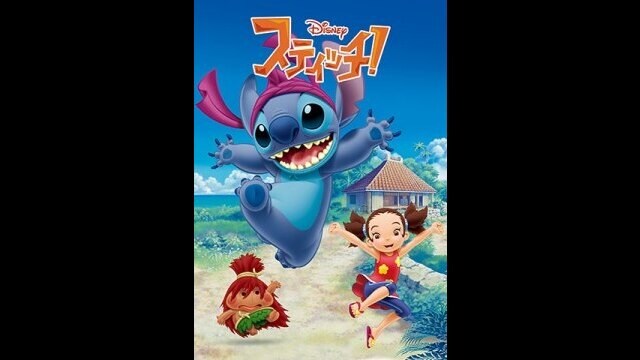
STITCH! · ORIGINAL SERIES · EPISODE 26 · HOME-VIDEO REACT
Stitch! Episode 26: Piko’s Challenge
Piko challenged a dojo. What she really targeted was Yuna’s fear that one lost object or one lost match could erase her grandfather.
The episode record before grief gets scheduled for a dojo match
Episode: 26
Japanese title: ピーコからの挑戦状
English card title: Piko’s Challenge
Production status: Home-video, unbroadcast first-season episode
Production branch: Stitch!, first Japanese television season
Japanese voices central here: Kōichi Yamadera as Stitch and Motoko Kumai as Yuna Kamihara
Where to watch: VideoMarket’s licensed Japanese listing identifies this title as Episode 26. Availability can change by region.
Piko mocks the Chitama karate dojo Yuna inherited from her grandfather. Yuna accepts a match against Piko’s combat-karate side and begins training a group that appears badly prepared for competition. Stitch struggles even with formal greetings. During the buildup, Yuna entrusts him with a treasured star-sand charm passed down from her grandfather. Piko manipulates the situation, the keepsake goes missing, and Stitch faces the possibility that Yuna’s team will have to compete without the object she associates with family strength.
My first reaction: Piko issued a challenge and Yuna handed her the schedule
Piko’s insult works because the dojo is emotionally loaded. She is not criticizing a hobby Yuna picked last week. She is touching an inheritance, a grandfather’s memory, and a practice Yuna uses to understand herself. Accepting the match feels like defending family. Piko understands that pressure and uses it to decide where, when, and how Yuna must prove the legacy deserves respect.
The first ethical victory would be refusing that frame. A tradition does not become valid because it defeats a rival under conditions chosen by the person mocking it. Yuna can answer the insult, protect her students, and invite honest comparison without surrendering control. Defending inheritance should not mean letting an antagonist convert grief into public entertainment.
The dojo is a relationship, not a brand Yuna has to outperform
Inheritance can feel like a command. Yuna received the dojo, so every weak student, messy class, or lost match may feel like evidence that she failed her grandfather. That burden is too heavy for a child. She is a custodian learning what the practice means in a changed community. Preservation includes adaptation, questions, and mistakes.
A living dojo should serve the people inside it. Students arrive with different bodies, confidence, and reasons for training. If Yuna drives them toward a match solely to protect the dojo’s reputation, she risks repeating Piko’s object logic. The practice becomes a trophy instead of a method for discipline, safety, and connection.
Honoring an ancestor cannot require reenacting an imagined perfect version of them. Yuna remembers her grandfather through love, grief, stories, and selected moments. She does not know how he would answer every new problem. The dojo remains alive when she applies its values with judgment rather than asking memory to issue orders. Her grandfather can guide her without becoming a silent examiner watching every class for failure.
Martial arts ethics begin before anybody throws a strike
Stitch cannot greet properly, and the detail is played for comedy. Formal greeting can carry respect for partners, teachers, space, and the risk involved in training. Learning it matters. The lesson should not become empty obedience to ceremony. Stitch needs to understand what the gesture communicates and why entering a dojo requires attention different from entering a brawl.
Piko’s challenge reveals the same distinction at a larger scale. A match has rules, consent, weight and skill considerations, supervision, and procedures for stopping harm. “Combat karate” cannot become permission for children to injure one another because adults enjoy rivalry. The side that respects safety demonstrates stronger martial ethics regardless of the scoreboard.
A weak class may be a class still learning
The licensed synopsis calls Yuna’s students unreliable. Competition plots use that setup to justify harsh training until the underdogs become credible. I want to know what each student joined to learn. Some may seek confidence, movement, friendship, cultural connection, or basic self-protection. Their goals do not become worthless because Piko demands a public team performance.
Yuna can offer extra practice and let students choose participation. She should not convert ordinary enrollment into an obligation to defend her family honor. Consent matters because a child who fears disappointing the teacher may agree under pressure. Training becomes meaningful when the student understands the risk and wants the challenge for reasons beyond protecting Yuna’s feelings.
The star-sand charm carries memory, not magical responsibility
Yuna treasures the charm because her grandfather gave it to her. The object can connect touch, place, family story, and the feeling of being accompanied by someone absent. That emotional function is real even if the charm contains no supernatural ability. People use keepsakes to regulate grief and summon courage. The object does not deserve mockery because its power cannot be measured.
The danger begins when Yuna believes she cannot perform without it. A keepsake can support confidence without becoming the source of worth. Her grandfather’s teaching lives in habits, choices, and relationships that survive outside the necklace. Losing the charm would hurt terribly. It would not erase what she inherited.
Entrusting Stitch with the charm creates responsibility, not ownership of Yuna’s grief
Yuna places something irreplaceable in Stitch’s care. That act demonstrates trust. He needs clear instructions about where to keep it, when to return it, and who may handle it. The adults around them should recognize that Stitch’s impulsivity and Piko’s hostility create foreseeable risks. Trust works best with practical support rather than a secret test of perfection.
If the charm disappears, Stitch owes honesty and a focused search. He should not hide the loss to protect himself or decide that replacing the object will solve everything. The specific material, history, and giver matter. He is responsible for the entrusted item. He is not responsible for carrying Yuna’s entire relationship with her grandfather inside his body.
Piko attacks the keepsake because she understands symbolic leverage
A straightforward rival would challenge technique. Piko targets what makes the technique emotionally meaningful. By manipulating Stitch around the charm, she can destabilize Yuna without defeating her fairly. The tactic reveals that the match is never about discovering which dojo teaches better. It is about control, humiliation, and the pleasure of making somebody doubt the ground beneath their stance.
That conduct should affect whether the match proceeds. A competitor who interferes with personal property and exploits grief has violated the conditions of fair sport. Adults should investigate, protect the students, and impose consequences. Continuing as though sabotage merely adds drama teaches that victims must perform through abuse to prove resilience.
Stitch is vulnerable to provocation because shame makes immediate action feel necessary
Piko can tempt him by questioning competence, loyalty, or whether Yuna should trust him. Stitch often responds to doubt with a display. He may show the charm, accept a dare, or move it from the safe place because proving himself feels urgent. The manipulation works through identity rather than ignorance.
Growth means recognizing that caring for Yuna sometimes looks boring. Keep the charm secured. Walk away from the taunt. Ask an adult for help. Refuse to provide evidence to somebody who has no right to inspect it. Restraint will never feel as spectacular as winning a dare, but it protects the relationship more effectively.
Yuna is allowed to be angry without turning Stitch into the enemy
Losing the charm would produce fear and grief before the full facts emerge. Yuna may direct anger toward the person she trusted. That response is understandable. The story should let her feel it without freezing Stitch as permanently careless. He can have made a serious mistake and still deserve a fair account of Piko’s manipulation.
Repair needs specificity. What did Stitch do? What did Piko do? Which safeguards were missing? Who will search, and how will the dojo respond if the object remains lost? Anger becomes useful when it identifies responsibility and protects future trust. Punishment that only humiliates Stitch would reproduce Piko’s method.
Competing without the charm can be empowering only if grief is not minimized
A familiar sports ending has Yuna fight without the keepsake and discover that confidence was inside her. That lesson can become cruel if it treats attachment as childish. The charm matters because her grandfather mattered. Performing without it proves capacity under loss. It does not prove that the object was meaningless.
The strongest version allows both truths. Yuna can enter the match using skills she carries internally and still search for the necklace afterward. Independence does not require emotional detachment. Maturity can include honoring objects while refusing to let an antagonist weaponize their absence.
Winning the match cannot retroactively make the setup ethical
If Chitama dojo wins, the crowd may treat victory as proof that accepting Piko’s challenge was correct. Results do not clean the path. Students may have trained under pressure, the keepsake may have been targeted, and fair-play rules may have been violated. A trophy cannot certify that adults protected the children involved.
If Yuna loses, her grandfather’s legacy remains intact. A single team event measures performance under specific conditions. It cannot measure the value of a teaching tradition or the love connecting generations. The episode should state that truth through conduct, especially if Piko insists the score settles everything.
The adults need to supervise instead of enjoying the rivalry
Obaa, Jumba, Pleakley, parents, and dojo adults should notice escalation. Children have accepted a potentially dangerous match, grief has become competitive fuel, and a personal item is missing. Standing back because the conflict teaches courage would be negligence. Adults can preserve student agency while enforcing safety and investigating sabotage.
Good supervision includes qualified referees, matched opponents, medical readiness, consent, and clear disqualification rules. It also includes telling Yuna she does not have to defend an inherited practice through combat every time somebody insults it. An elder’s support can release her from the burden of proving family worth alone.
Home-video bonus status should not make the character work disposable
Episode 26 did not air in the original TV Tokyo run, but the official season box includes it within the production sequence. That packaging matters for the directory because viewers deserve to know why the episode can feel detached from the broadcast finale. It is an additional story, not evidence that the two-part Hämsterviel ending had a secret third chapter.
The placement also changes how I read Yuna. After saving the island, she returns to a conflict small enough to feel ordinary and intimate enough to reopen grief. Heroism did not permanently solve peer cruelty or inheritance pressure. The bonus episode reminds us that daily life continues after cosmic victory.
What the episode gets right
Episode 26 ties a dojo rivalry to objects and practices Yuna inherited from her grandfather. The match gains emotional stakes without inventing another universal threat. Stitch’s mishandling of the charm places trust inside the action plot, and Piko’s provocation exposes how easily family pride can be manipulated.
The story also gives martial arts a chance to mean more than fighting. Greeting, discipline, teaching beginners, protecting partners, and refusing sabotage all belong to the practice. Yuna’s challenge is deciding whether she will embody those values when an opponent tries to reduce the dojo to a score.
What I wanted pushed further
I wanted Yuna to articulate what Chitama karate taught her grandfather and what she wants the dojo to become. Without that vision, defense can become vague family pride. A clear philosophy would let the audience judge the match through values rather than victory alone.
I also wanted Piko’s sabotage handled institutionally. Finding the charm and winning cannot be the entire answer. Teachers or dojo leaders should address manipulation, establish consequences, and protect future students. Rivalry stays entertaining when cruelty meets a boundary.
The receipt I am keeping
Piko attacks the dojo by attacking Yuna’s relationship with memory. She wants Yuna to believe tradition can be proven only under hostile conditions and strength can be accessed only through a keepsake she can threaten. The episode’s better answer is that inheritance lives across object, practice, community, and choice.
My receipt stays with Stitch holding the charm. Trust makes him responsible and vulnerable at once. He can fail, tell the truth, search, and repair without becoming unworthy of future trust. Family heirlooms are precious. The relationships teaching people how to care for them must remain repairable too.
Final verdict
“Piko’s Challenge” works as a home-video coda because the stakes shrink without becoming shallow. Yuna has saved Stitch and an island, yet a peer can still reach the tender place where family legacy lives. The dojo match tests whether she will defend inheritance through its ethics or let an insult dictate the meaning of strength.
The ending earns me if students retain consent, Piko’s manipulation receives consequences, Stitch repairs the loss honestly, and Yuna can fight without pretending the star-sand charm never mattered. Her grandfather’s legacy is neither one object nor one victory. It is the practice of choosing discipline, care, and self-respect when somebody else is desperate to turn grief into a spectacle.
Keep watching
Return to Episode 25 or open the Stitch! anime hub. Episode 26 completes the first Japanese production season as a home-video, unbroadcast installment.